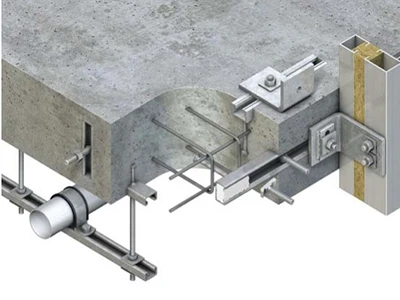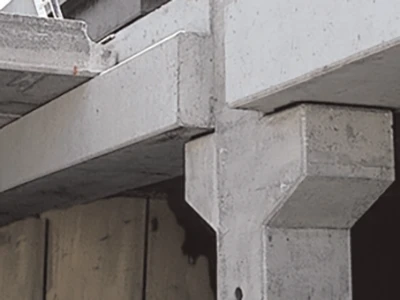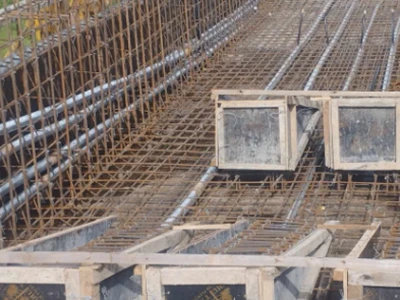





Precast concrete has changed modern construction by offering speed, consistency, and efficiency. Unlike traditional cast-in-place concrete, precast components are manufactured in a controlled factory setting and transported to the job site for assembly. This method minimizes weather-related delays, improves quality control, and reduces overall construction time.
Over the years, precast concrete has gained popularity in a wide range of applications, from residential buildings and parking structures to bridges and commercial facilities. However, as the demand for more durable and sustainable structures increases, there is a growing need to enhance the performance of precast elements beyond what traditional materials can offer.
This is where carbon fiber enters the picture. Known for its exceptional strength-to-weight ratio, corrosion resistance, and longevity, carbon fiber is widely used in aerospace, automotive, and sports industries. Its integration into the construction sector, particularly in precast concrete, marks a promising advancement in structural engineering.
Using carbon fiber in precast concrete can significantly improve the performance and durability of buildings. It allows for thinner, lighter components without compromising strength. It also resists corrosion, reducing long-term maintenance and extending the life of structures.
This article explores what carbon fiber can bring to precast concrete buildings, focusing on its potential to improve strength, reduce weight, enhance durability, and enable greater design flexibility. Through real-world examples and emerging research, we'll look at how this high-performance material is shaping the future of construction.
What Is Precast Concrete?
Precast concrete refers to concrete elements that are cast and cured in a controlled factory environment before being transported to the construction site. This process ensures consistent quality, precise dimensions, and efficient production.

Advantages of Precast Concrete Structures
One of the key advantages of precast concrete is its speed of installation. Since components are manufactured off-site, construction timelines are significantly reduced. It also allows for better quality control, as the elements are produced under regulated conditions using advanced equipment.
Precast systems offer cost-efficiency, minimal site disruption, and reduced material waste. The process supports architectural versatility, enabling the production of complex shapes, textures, and finishes. Additionally, precast components tend to have better durability due to optimized curing processes and reduced exposure to on-site environmental conditions.
Common Applications
Precast concrete is used in a wide range of structures, including building panels, beams, columns, flooring systems, parking structures, bridges, and utility infrastructure. It's widely adopted in both commercial and residential construction because of its reliability and flexibility.
Limitations of Traditional Reinforcements
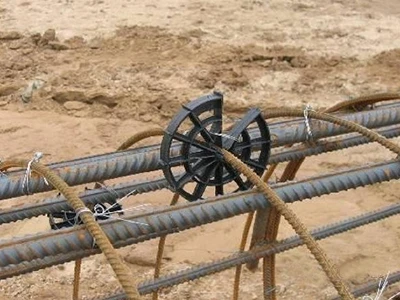
Traditionally, steel reinforcement is used to provide tensile strength. While effective, steel is heavy and vulnerable to corrosion, especially in humid or coastal environments. Over time, this can lead to structural deterioration and expensive maintenance.
These limitations have driven the exploration of alternative materials like carbon fiber, which offer lightweight, corrosion-resistant, and high-strength solutions for reinforcing precast concrete elements.
What Is Carbon Fiber?
Carbon fiber is a high-performance material made from thin strands of carbon atoms tightly bonded together. These strands are usually woven into fabric and combined with a resin to form a composite material that is incredibly strong yet lightweight. Originally developed for aerospace and military applications, carbon fiber is now being used in various industries, including construction.

Key Properties and Strengths
What sets carbon fiber apart is its unique combination of lightweight and high tensile strength. It is significantly lighter than steel, about five times lighter, yet it can be stronger in tension. It also has excellent corrosion resistance, making it ideal for environments where moisture, chemicals, or salt can degrade traditional materials. In addition, carbon fiber exhibits high fatigue resistance and maintains its structural integrity over time, even under repetitive stress or extreme temperatures.
How It Compares to Steel and Other Materials
Compared to steel, carbon fiber is non-corrosive, lighter, and in many cases, stronger in tension. While steel is ductile and more cost-effective upfront, its weight and vulnerability to rust can be serious drawbacks, especially in precast concrete exposed to harsh conditions. Aluminum and fiberglass are other alternatives, but they don't offer the same strength-to-weight ratio or durability that carbon fiber provides. These advantages make carbon fiber a promising reinforcement option for enhancing precast concrete structures.
Benefits of Using Carbon Fiber in Precast Concrete
Weight Reduction
One of the most notable benefits of carbon fiber in precast concrete is its lightweight. Carbon fiber is about five times lighter than steel, which significantly reduces the overall dead load of a structure. In large-scale precast projects, where weight can greatly impact structural design and foundation requirements, this becomes a major advantage.
Lighter precast components also simplify transportation and on-site handling. Fewer workers and lighter machinery may be needed to move and install the elements, lowering labor and equipment costs. Additionally, reduced weight can decrease the risk of injury and improve site safety. This makes carbon fiber-reinforced precast systems not only more efficient but also safer and easier to work with.
Corrosion Resistance & Durability
Traditional steel reinforcements are vulnerable to corrosion, especially in coastal or humid environments where moisture and salt can penetrate concrete and deteriorate steel over time. This leads to cracking, spalling, and costly repairs.
Carbon fiber, on the other hand, is non-corrosive. It resists degradation from water, chemicals, and temperature fluctuations, making it ideal for structures exposed to harsh conditions. This translates to a longer service life for precast elements and significant savings on maintenance and repair costs over time.
Because of its inherent durability, carbon fiber is especially valuable for infrastructure applications such as bridges, parking garages, and marine structures where corrosion is a persistent concern.

Higher Strength-to-Weight Ratio
Carbon fiber boasts a remarkably high tensile strength-to-weight ratio, making it an excellent reinforcement material for load-bearing precast elements. It enhances the structural capacity of beams, slabs, and panels without adding excess weight or bulk.
This strength enables more flexible and efficient designs. For example, carbon fiber can allow for thinner concrete sections that still meet strength requirements, opening the door to more innovative architectural possibilities. These slimmer components can also speed up construction and reduce material consumption.
Several modern projects have leveraged this property by using carbon fiber reinforcement to reduce cross-sectional areas of precast parts while maintaining or improving performance, an approach that also contributes to material efficiency.
Thermal & Fatigue Performance
Precast concrete structures often face temperature fluctuations, especially in regions with hot days and cold nights or seasonal climate changes. Carbon fiber offers excellent thermal stability, meaning it doesn't expand or contract significantly with temperature variations. This helps prevent cracking and preserves structural integrity.
In addition, carbon fiber exhibits high fatigue resistance, making it suitable for elements that experience repetitive or cyclical loading, such as bridges and industrial flooring. Unlike steel, which may weaken over time under repeated stress, carbon fiber maintains its performance, ensuring the long-term reliability of precast structures.
Sustainability & Environmental Benefits
Using carbon fiber in precast concrete can support more sustainable construction practices. First, the material's strength allows for reduced material usage-both in terms of concrete volume and reinforcement mass-resulting in lower resource consumption.
Lighter precast elements mean fewer transportation emissions and reduced fuel usage during delivery. The long service life and low maintenance needs of carbon fiber-reinforced structures also minimize the environmental impact over time.
From a life cycle perspective, carbon fiber helps produce structures that are not only high-performing but also environmentally responsible. With increasing pressure on the construction industry to reduce its carbon footprint, materials like carbon fiber offer a path toward greener building methods.
How to Incorporate Carbon Fiber into Precast Concrete Projects?
The successful use of carbon fiber in precast concrete requires thoughtful planning and coordination across multiple phases of a project. From design to execution, integrating this advanced material demands more than simply replacing steel reinforcement-it calls for a shift in mindset and methodology.
Early-Stage Design Collaboration
Incorporating carbon fiber begins with early collaboration between architects, structural engineers, and material specialists. Because carbon fiber behaves differently under stress and tension than steel, structural models and design calculations must be tailored accordingly. This may include rethinking cross-sectional dimensions, load paths, and anchorage systems to take full advantage of carbon fiber's high tensile strength and low weight.
Manufacturing Adaptations
Precasters need to adapt their manufacturing practices when working with carbon fiber. While the production process for concrete may remain similar, the placement of carbon fiber grids, rods, or mesh requires precision and care. Specialized jigs, bonding agents, or robotic handling systems may be necessary to ensure consistency and quality across units. Worker training and process control become especially important at this stage.
Testing and Quality Assurance
Because carbon fiber is still relatively new in construction, rigorous testing protocols should be implemented during pilot projects or new applications. Precast components reinforced with carbon fiber should undergo mechanical, thermal, and durability testing to verify their performance under real-world conditions.
Carbon Fiber Cloth In Repairing Concrete Buildings
Carbon fiber cloth (CFRP) is an efficient and lightweight reinforcement material in concrete building repair. It is mainly used to improve the structural bearing capacity, seismic performance, and durability. It is suitable for beam and slab bending reinforcement, column and wall seismic reinforcement, crack sealing, and corrosion repair. During construction, the concrete base must be polished first to ensure the surface is flat and the cracks are repaired. The edges and corners are round, and then the epoxy primer is applied; then the carbon fiber cloth soaked in resin glue is pasted in the design direction, rolled to remove bubbles, and the overlap length is not less than 100mm. Finally, the surface protection treatment is performed. The construction environment needs to be controlled at a temperature of 5℃~35℃ and a humidity of ≤85%, and rainy days must be avoided. In terms of material selection, the tensile strength of the carbon fiber cloth should be ≥3400MPa, and the adhesive must meet national standards.

Challenges and Considerations
High Initial Cost
One of the primary barriers to the widespread adoption of carbon fiber in precast concrete is its high upfront cost. Compared to traditional steel reinforcement, carbon fiber is significantly more expensive per unit. While it offers long-term savings through durability and reduced maintenance, the initial investment can be a hurdle, especially for budget-conscious projects.
Production and Scalability Issues
Carbon fiber composites require specialized manufacturing processes, which are not yet widespread in the construction industry. Producing and integrating carbon fiber at scale remains a challenge, particularly for large projects that need consistent supply and fast turnaround times. Automation and advanced fabrication technologies are still evolving to meet this demand.
Need for Specialized Knowledge
Designing precast elements with carbon fiber reinforcement is not a plug-and-play process. Engineers and contractors must have expertise in composite materials, including their behavior under load, bonding techniques, and curing requirements. This knowledge gap can slow down adoption and increase the risk of design errors or improper use.
Regulatory and Code Limitations
Many building codes and structural standards are still based on steel reinforcement. Although research supports the performance of carbon fiber, industry codes and guidelines have yet to fully catch up. This creates uncertainty for engineers and project owners, limiting the use of carbon fiber in regulated environments.
Ongoing Research and Development
Research institutions and materials scientists continuously explore new ways to enhance carbon fiber composites. Innovations in automated manufacturing, recycling processes, and hybrid materials are helping reduce costs and improve performance. These advancements are making carbon fiber more practical for everyday construction use.
Wider Adoption Ahead
As the technology matures and production becomes more scalable, carbon fiber is likely to move from niche applications into mainstream construction. Lower prices, better training, and more supportive building codes will enable broader adoption in bridges, buildings, and infrastructure projects.
Enabling Smart, Sustainable Design
Carbon fiber's durability, light weight, and corrosion resistance make it a strong candidate for sustainable and smart buildings. Its compatibility with embedded sensors and energy-efficient systems means it could play a key role in the future of intelligent infrastructure, where materials don't just support the structure but also help monitor and optimize it over time.
That's a Wrap!
Carbon fiber presents a compelling opportunity to enhance the performance, longevity, and sustainability of precast concrete structures. With its exceptional strength-to-weight ratio, resistance to corrosion, and ability to support innovative designs, carbon fiber addresses many of the limitations posed by traditional steel reinforcement.
While challenges such as high initial costs, production complexity, and code acceptance remain, ongoing research and technological advancements are paving the way for broader industry adoption. As architects and engineers seek smarter, greener construction solutions, carbon fiber offers a forward-looking material that aligns with the future of building design.
By understanding both its benefits and implementation strategies, the construction industry can begin to unlock the full potential of carbon fiber in precast applications. Whether in bridges, high-rise buildings, or infrastructure projects, this high-performance material is set to play a growing role in shaping stronger, more resilient built environments for the decades ahead.