





In the precast concrete industry, efficiency, precision, and safety are key factors in achieving high-quality results. Successful precast concrete plants invest in essential accessories designed to optimize productivity, streamline production processes, and improve product quality. This article will explore the top ten crucial precast concrete accessories, explain their specific applications in detail, and outline their significant advantages in improving safety and efficiency. Understanding how to effectively use these precast concrete accessories can help your plant significantly reduce production time, minimize safety risks, and continuously produce high-quality concrete products.
What Are Precast Concrete Accessories?
Shuttering Magnets
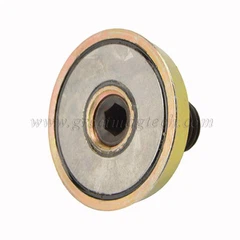
Purpose: Shuttering magnets securely attach formwork profiles to steel tables without drilling or welding, significantly speeding up setup and reducing labor costs.

Benefits: Quick installation, reusable, high magnetic force, minimizes surface damage.
How to Use: Place the shuttering magnet in the required position, activate the lever to secure it firmly to the steel table, and position the formwork profile against the magnet. To adjust or remove, simply deactivate the lever to release the magnet.
Maintenance Tip: Clean magnet surfaces regularly to remove concrete residue and prevent rusting. Store in a dry place when not in use.
Expert Insight: "Using high-strength shuttering magnets not only saves time but also protects the casting table from damage," says Alan Reyes, a senior production manager at a precast facility.
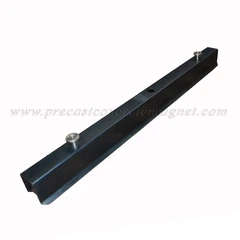
Formwork Magnets
Purpose: The formwork magnet is an extended version of the shuttering magnet. Its functions and uses are similar to those of the shuttering magnet, but it is more convenient for the robot arm to grasp. It is particularly suitable for the production of double-wall and lattice beam ceilings, which can ensure the precise alignment and stability of the formwork, which is essential for maintaining the structural integrity of the prefabricated parts and achieving a high-quality surface finish.

Benefits: Versatile, reusable, significantly reduces formwork setup time.
How to Use: Place formwork magnets along the edge of the formwork or use a robotic arm to quickly grab them to firmly fix the formwork during concrete pouring. Activate the magnet to fix the formwork. After the concrete solidifies, deactivate the magnet to reposition or remove the
Lifting Clutches
Purpose: The lifting clutch is also called the DogBone Lifting Clutch. It consists of the main body with a protruding lever arm and a high-strength bail. The main body has a "T" slot that engages the head of a DogBone lifting Anchor. The combined rotation capabilities of the main body and the bail allow a precast panel to be lifted, turned, tilted, and/or rotated while under load. Lifting Clutch consists of a shackle and a clutch head; the shackle is free to move in any direction.
Benefits: Easy attachment and release, robust construction, and reusable.
How to Use: Attach the lifting clutch securely to the lifting anchor embedded in the precast element, ensuring it locks into position. Once the element is positioned, safely disengage the clutch from the anchor.
Lifting Anchors
Purpose: The lifting anchor is hot forged from manganese steel. The front head provides a spherical seat that engages with the lifting lug, while the disc-shaped foot is embedded in the concrete. As a forged component, it does not rely on welding or threaded engagement to achieve its safe working load. The forging process maximizes safety with its superior material structure. The lifting anchor is an embedded part that provides a safe and reliable anchor point in the concrete to ensure the safe transportation and installation of precast components.
Benefits: Versatile, strong load-bearing capacity, essential for safe lifting.
How to Use: Embed the anchors into the precast elements according to load specifications during casting. After curing, attach lifting clutches or hooks directly to these embedded anchors for transportation and placement.

Erection Anchors
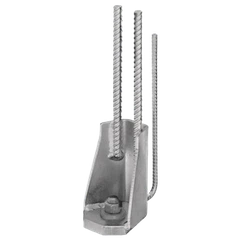
Purpose: Erection anchor is designed for use with precast units during the lifting and turning/edge handling process. If desired, the anchor uses a shear plate and tension bar that wraps through the anchor to distribute the load in the concrete. Erection anchors allow the lifting of columns, beams, walls, and other precast concrete elements. The mounting anchors can be used in all lifting directions and for lifting angles up to 90 degrees. Erection anchors facilitate controlled lifting and precise positioning of precast concrete panels during construction.
Benefits: Enhances installation accuracy, provides controlled handling, and reduces on-site errors.
How to Use: Strategically embed erection anchors in precast panels during production. Connect lifting devices to the embedded anchors to safely and precisely position the panels vertically or horizontally on-site.
Tip: Use adjustable erection anchors for added flexibility during complex installations.
Connector Box Loops
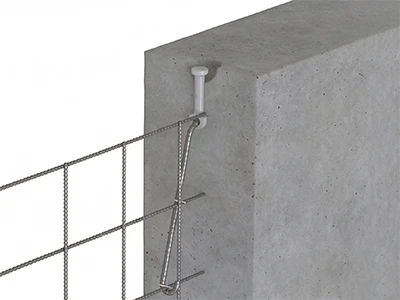
Purpose: Wire Loop Boxes are available in two versions, one Single Version & one Double Version, including single & double wire rope loops respectively to ensure strength in the connection.
The Wire Loop Box will need to be fixed to the formwork, and the flexible folded wires will need to be pulled out to make a connection when ready on site. The load will be transferred from one concrete panel to the other panel via the wire rope loop. Strength Galvanized Steel Wire Rope with 6 mm will need to be crimped by using compression sleeves / Ferrule to form a loop at one end & to transfer a load axially through another end. The load is transferred from one concrete panel to the other panel via the wire rope loop.
Benefits: Simplifies installation, provides structural continuity, and increases overall stability.
How to Use: Embed connector box loops within precast components during production. Align them accurately with adjoining reinforcement during installation, and secure them with concrete or grout on-site.

Cast-In Channels
Purpose: Cast-in channels provide flexible, adjustable anchoring points for securely attaching various structural and non-structural elements.
Benefits: Adjustable, high load capacity, simplifies installations and future modifications.
How to Use: Embed channels into concrete during casting, aligning them precisely. During installation, insert bolts or fasteners directly into the embedded channels for secure attachment of additional elements.
Maintenance Tip: Keep channels free of debris and rust to ensure bolt alignment and threading.

Lifting Sockets
Purpose: Lifting sockets offer reliable anchorage points embedded within precast units for safe lifting and transport.
Benefits: Durable, strong anchor points, versatile applications.
How to Use: Embed lifting sockets in concrete during the casting process. After curing, connect compatible lifting hooks or attachments directly into the threaded sockets for safe handling.
Safety Reminder: Confirm socket thread size and capacity before connecting lifting equipment.

Rebar Tying Tools
Purpose: Rebar tying tools efficiently secure reinforcing bars together, significantly reducing manual labor and ensuring consistent, reliable reinforcement.
Benefits: Improved productivity, ergonomic design, consistency in reinforcement.
How to Use: Position the tool at the intersection of rebars, activate the mechanism to securely tie the rebars together quickly and efficiently. Automatic tools perform rapid tying, whereas manual hooks require twisting motions.
Rebar Tie Wire
Purpose: Rebar tie wire securely ties reinforcing bars together, essential for maintaining structural integrity and reinforcement positioning during concrete pouring.
Benefits: Easy handling, durable, corrosion-resistant.
How to Use: Loop tie wire around intersecting rebars and twist securely using manual hooks or automatic rebar tying tools.

Bonus Accessory: Form Release Agents
Purpose: Form release agents allow easy removal of concrete from molds, protecting molds and ensuring high-quality surface finishes.
Benefits: Prolongs mold life, facilitates easy demolding, enhances finish quality.
How to Use: Apply release agents evenly onto mold surfaces before concrete placement, ensuring complete coverage. Follow manufacturer guidelines for drying or curing times.
Application Tip: Use sprayers or rollers for uniform application. Avoid over-application, which may affect surface texture.
The Importance of Accessories in Modern Precast Production
In modern precast concrete production, accessories are no longer optional components. They play a direct role in improving production efficiency, dimensional accuracy, lifting safety, and overall product consistency. As precast plants move towards faster production cycles and larger project scales, the importance of reliable accessories is increasingly evident.
Improve Production Efficiency
Enhance Product Accuracy and Consistency
Improve Safety During Handling and Installation
Support Higher Quality Production
Conclusion
Equipping your precast concrete plant with the right accessories is not just a matter of efficiency-it's a strategic decision that directly influences safety, cost-effectiveness, and overall product quality. From advanced lifting systems to precise formwork alignment and robust reinforcement solutions, each accessory plays a vital role. For plant operators and engineers, understanding the proper application and maintenance of these tools ensures long-term operational success. If you're ready to enhance your precast production, consult with trusted suppliers to select the accessories that best match your project needs and production goals.
FAQ
Q: What accessories are essential in a precast concrete factory?
A: Commonly used accessories in precast concrete factories typically include formwork magnets, magnetic chamfer strips, lifting anchors, lifting clutches, embedded magnets, connection systems, and other formwork auxiliary accessories. These accessories help improve production efficiency, ensure dimensional accuracy, and ensure safety during transportation and installation.
Q: How do shuttering magnets improve production efficiency?
A: Formwork magnets allow operators to quickly fix and adjust formwork on steel pedestals without drilling or welding. This not only shortens formwork installation time but also improves positioning accuracy and makes formwork adjustments more flexible, especially suitable for high-volume precast component production.
Q: What lifting accessories are used for precast panels?
A: Commonly used lifting accessories for precast wall panels include lifting anchors, lifting clutches, ring clutches, lifting sleeves, and lifting rings. These systems are used to safely handle large concrete components during demolding, transportation, storage, and on-site installation.
Q: How to reduce concrete leakage in precast molds?
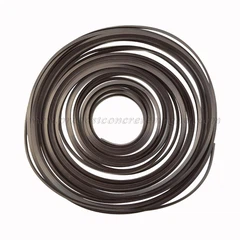
A: Reducing grout leakage in precast molds requires ensuring accurate mold alignment and using suitable sealing accessories, such as magnetic chamfer strips, rubber sealing strips, and high-quality mold systems. Additionally, keeping the work surface clean and ensuring accurate mold positioning also helps reduce grout leakage during pouring and vibration.
Q: Can magnetic formwork replace traditional bolting systems?
A: In many precast concrete production environments, magnetic formwork systems can effectively replace traditional bolting methods. Magnetic systems offer advantages such as faster installation, easier adjustment, and reduced damage to the work platform. However, their suitability depends on factors such as component size, production process, and required adhesion strength.