

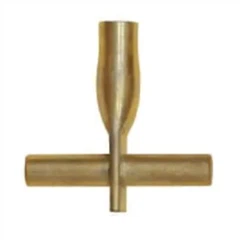

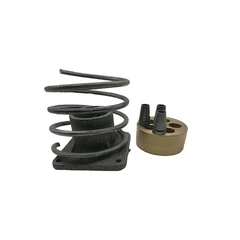

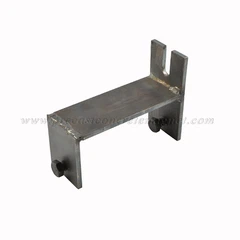
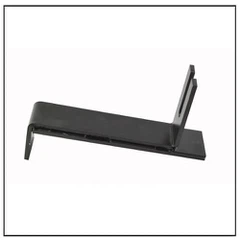


The construction industry has greatly improved due to precast concrete, which enables the mass production of standard, quality structural components. Precast concrete magnetic systems are fundamental components. They are used to orient and hold the molds (formwork) in a set position during the pouring and curing process. There are generally formwork magnets and shuttering magnets in steel forms. These two systems are different and often get confused.
Magnetic forms for concrete are an effective option for precast applications. We can use Unity forms for stackable walls, manholes, and other precast shapes. Shuttering magnets are a specifically designed component that solely aims to support heavy items at the time of casting.
Let's get into the details of their design, how they can be used, and the advantages of each magnet type to better understand how to determine which magnet will be right for your project.
Different Kinds Of Magnets In Precast Concrete Formwork
Precast concrete employs sturdy and efficient systems to hold in place its moulds. Formwork magnets and shuttering magnets perform this function in distinct ways. For reliable and stable concrete casting, one and two are necessary. This part describes their designs, functions, and best uses.
What Are Formwork Magnets?
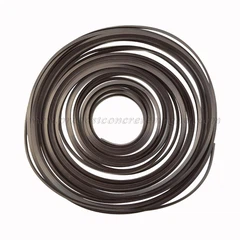
A complete magnetic system used for creating and securing precast concrete forms. These include some magnetic side rails, corner pieces, and adjustable parts. You can quickly assemble various shapes of molds using these components. Because of their modular design, they are flexible for many projects.
Perfect magnets for making reusable molds for an assortment of projects. Examples include wall panels, beams, and columns. Their best attribute is flexibility. Easy to change, hence, saves time and labour. Also, since they can be reused, they can be a solution for the right budget for regular jobs such as modular housing and infrastructure elements.

What Exactly Are Shuttering Magnets?
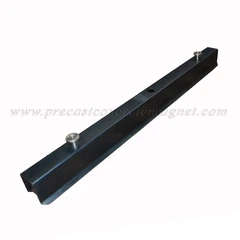
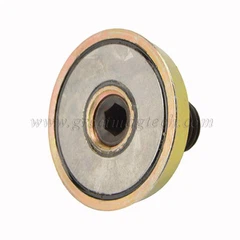
Shuttering magnets are very powerful magnets that hold the shutter or structure where concrete is poured. They come with heavy-duty steel casings and strong neodymium magnets. They mainly prevent the molds from moving out of place due to the constant movement of wet concrete. In terms of size and shape, parts like hollow-core slabs or bridge girders will be uniform and precise.
These magnets handle high pressure, often up to 10–15 kN. Many have screw mechanisms for extra security. They resist vibration, moisture, and extreme heat or cold. This makes them reliable in tough conditions. You should use them for large structural pieces and other high-critical jobs.

Key Differences Between Formwork and Shuttering Magnets
Formworks magnets are multi-part systems for flexible formwork assemblies. Shuttering magnets are heavy-duty single units for high-pressure jobs. Reusable molds benefit from the first, whereas the second provides a strong and stable hold.
Formwork magnets adjust easily and save time. Dovetailing magnets have incredible strength and precision. The flexibility or durability of the project will dictate your choice. Both play vital roles in precast concrete construction.
This helps in choosing the right magnet to get the best quality results.
Comparison Between Formwork Magnets And Shuttering Magnets
The precast concrete method needs to use sophisticated formwork systems to ensure Efficiency and Quality. Formwork magnets and shuttering magnets have different functions in this. When professionals understand the differences in these products, they choose the right one for a project. It focuses on design and construction, load-bearing ability, and uses as comparison points.
Design and Construction
Formwork magnets are designed as complete modular systems. Magnetic rails, corner connectors, adjustable clamps, and several more are included. This modular design makes it easy for operators to assemble many mold shapes quickly. The lightweight nature of the system allows for easy handling and reconfiguration of projects. Most parts are the standard size and work together.
Shuttering magnets follow a different design philosophy. Each unit is a self-contained, heavy-duty device. Engineers create them with thick steel casings that can handle extreme job site conditions. These magnets work individually and not as part of a system like formwork. The construction is solid, making them bulkier but far more durable at stress. Most models have threaded rods or screws for extra reinforcement.
Load-Bearing Capacity
Magnets to be Used are Chosen Based on Cthe oncrete Work's Ultimate Strength. Shuttering magnets have high strength ratings between 10-15 kN. This capacity makes them essential for deep foundation walls or large structural elements. Concrete equipment is made with such strong materials that when wet concrete is placed, there won't be any deformation caused to them. Heavy-duty magnets are always useful in heavy concrete wall projects.
Formwork magnets typically provide a smaller support of 3-5 kN. While they are sufficient for standard precast elements, they cannot be used for extreme loads. They are supported along various connection points that interface to that interconnection architecture. This capacity is more than sufficient for thin wall panels or decorative concrete details. Lower strength offers advantages such as ease of handling and faster installation times.
Usage and Applications
Practical applications show where each magnet type excels. Formwork magnets are perfect for flexible and reusable jobs. Due to their modular quality, they fit well to work in architectural precast. Systems like these are often used for façade elements whose geometries are not simple. Adjustable components designed for staircase formwork are advantageous. Making parking barriers in bulk is cost-effective for the manufacturers.
Engineering-critical applications often use shuttering magnets. They are often used for deck formwork. They make sure that construction parts are in line. Nuclear containment structures demand their reliability. Heavy-duty equipment is needed for any project where formwork failure produces catastrophic results. It is likewise preferred in a constant-pressure slipformer operation.
Depending on the specific parameters of the project, the choice of system may differ. Formwork magnets can be useful for creative or repetitive work. Shuttering magnets provide exceptional performance for structural integrity. Many large-scale projects actually use both in different phases. When contractors understand these differences, they can optimize their formwork. Choosing the best inputs leads to better quality control and more efficient job sites.
Each Magnet Type and Its Benefits
Advantages of Formwork Magnets
Formwork magnets adapt to a multitude of mold formats. The modular construction of the products allows it to effortlessly fit complex angles and curved surfaces without the need for custom manufacturing. This flexibility is especially useful for architectural concrete elements with unique shapes.
Economic Benefits
These systems are reusable, which results in major cost savings on various projects. Contractors lessen their material waste since the same component will have different requirements for the different molds. The initial investment spreads over full-time jobs and improves project economics.
Time Efficiency
Assembly speed represents a major advantage. Workers can erect and dismantle forms quickly because of the standardized connection system. As a result of this rapid turnaround, projects take less time, which helps the contractor meet scheduled dates.
Advantages of Shuttering Magnets
Exceptional Precision
Shuttering magnets hold formwork in position under heavy concrete loads. They are built strong so that even small movements do not affect the dimensional accuracy of the important structural parts. This accuracy is a must for manufactured concrete components.
Superior Durability
Designed for tough conditions, these magnets can take it on the job site. They are designed to withstand damage caused by vibration, moisture and temperature. It means that this will perform consistently over long projects.
Enhanced Safety Performance
The strong clamping force helps prevent formwork failures. These magnets help to keep workers safe while preventing costly material losses by stopping blowouts. When there are deep pours or heavy reinforcement, they dependably perform.
Every system offers unique benefits that cater to various project needs. Formwork magnets provide flexibility and cost efficiency while shuttering magnets provide precise and safe solutions for challenging applications. Understanding these advantages helps to choose from them according to project parameters and performance.
Guide to Selecting the Right Magnet
When selecting between formwork and shuttering magnets, you must evaluate your project. The selection of the appropriate mixture design and method will ensure that the precast concrete performs optimally and doesn't cost a fortune.
Factors to Consider
Project Scale and Complexity
Large projects need shuttering magnets as they can withstand heavy loads. Smaller or more complex jobs benefit the most from the flexibility of formwork systems. Consider the size and repetition of elements being cast.
Load and Pressure Requirements
Evaluate the concrete pressure and formwork depth. Shuttering magnets can withstand high pressure, up to 15 kN, making them ideally suited for thick walls and heavy structures. Formwork magnets work efficiently for regular precast components that have average pressure demands.
Budget and Long-Term Value
Formwork magnets can maximize your long-term investment for repetitive projects. Shuttering magnets are specially designed to cater to weighty loads and assure durability at a fixed cost.
Making the Choice
When to Use Formwork Magnets
When working with complex shapes or reusable designs, choose formwork systems. These are perfect for architectural elements, modular construction, and any project that requires mould changes. Their versatility helps save time with jobs that require different formwork.
When to Use Shuttering Magnets
Choose shuttering magnets for essential structures that require maximum stability. Heavy industrial flooring needs a lot of strength. Also, bridge components need strength. Moreover, formwork failure needs safety and quality.
Conclusion
The choice between a formwork magnet and a shuttering magnet will depend on the project requirements of the client. Formwork magnets offer excellent versatility to produce complex reusable molds, while shuttering magnets offer brute strength for designs with high-stress and working loads. By aligning the distinctive features of formwork and shuttering magnets with your project requirements, be it a high-rise façade or an earthquake-resistant bridge, achieve high precision, efficiency, and economy in the manufacturing of precast concrete.