




There is much to consider regarding the materials that comprise your home and your home's foundation. Regarding foundation structure and integrity, precast concrete is the answer. Precast concrete is foundation concrete for form and function. It is a product of standard poured concrete, arrives faster, is more affordable, and is of higher quality. It is used in various industries and applications-from residential to commercial to infrastructural.

Precast concrete is a valuable solution for superstructures and pavements of tunnels and bridges. It also serves to construct wall systems, flooring, stairs, and exterior cladding in commercial and residential construction. Precast concrete can also be found in flooring, foundations, parking structures, containment vessels in the industrial sector, and applications such as factories and distribution centers, where materials need to maintain structural integrity and be fire-resistant. Since you only get one chance to build your home correctly, this article will consider why precast concrete is wise.
How Precast Concrete Differs From Traditional Concrete
Precast concrete offers several advantages over traditional poured concrete, making it the preferred choice for many construction projects. Unlike traditional concrete, which is mixed and poured onsite, precast concrete is manufactured in a controlled factory environment, ensuring consistent quality. Additionally, it requires less on-site labor and provides faster installation, making it a more cost-effective option for large-scale developments.
The key differences between precast concrete and traditional concrete are as follows:
| Item |
Precast Concrete |
Traditional Concrete |
|
Manufacturing Location |
It is typically made in a factory. |
It is mixed and poured on the construction site. |
|
Labor Efficiency |
It requires less on-site labor as most of the work is done in the factory. |
It requires more on-site labor than precast concrete. |
|
Quality Control |
Its strict quality checks lead to more consistent quality. |
It does not face any quality checks. |
|
Design Flexibility |
It can only be customized to a degree. |
It offers more flexibility for complex on-site design adaptations. |
|
Construction Speed |
It takes less construction time. |
It takes more construction time. |
Types of Pre-Cast Concrete
Although there are many varieties to pick from, these are five popular varieties:
Precast Concrete Walls
These big concrete panels can be used to build walls inside or outside. Usually produced in huge, rectangular panels, they are easily assembled and joined on the construction site.

Precast Concrete Columns and Beams
They are made in various sizes and shapes based on the particular load needs and are intended to give buildings or bridges structural support.
Precast Concrete Planks and Slabs
These are flat panels that structures can use as roofs or floors. They are usually made in long, thin, portable, simple pieces that can be set up on the building site.
Precast Concrete Stairs
These pre-manufactured components can be assembled to build stairs in any building. They can be customized to accommodate specific design specifications that a building may require and have treads and risers already set in place.
Precast Concrete Retaining Walls
These components hold soil or other materials in place. They can satisfy certain load criteria and are usually made with interlocking edges that can be joined to form a continuous wall.
Precast Concrete Girders
Bridges, highways, and large-span structures use precast concrete girders as structural elements. They are the main components that bear weight and move it from the deck to the supports.
Precast Concrete Pipes
Water supply, irrigation, sewage, and drainage systems use precast concrete pipes. After being produced in factories, these pipes are shipped to the installation location.
Precast Concrete Pavers
A small, strong block of precast concrete used for patios or driveways, walkways, pavement, and landscaping. They come in different substances, colors, and textures to add to visual beauty.
Applications of Precast Concrete

Here is a list of the most common applications of precast concrete:
Parking Structures
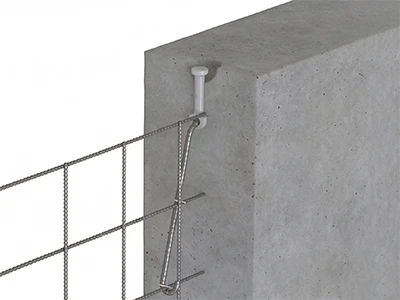
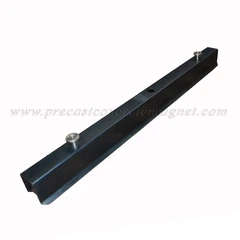
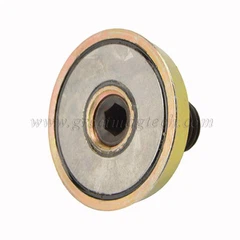
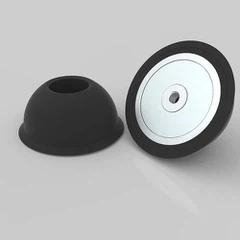
Precast concrete can be used in parking structures like paving slabs, columns, stairs, traffic barriers, architectural veneer, etc. Parking buildings that are single-level, mid-rise, and large-level are precast concrete. Shuttering magnets and magnetic formwork devices are frequently utilized for accurate and effective molding in these projects.
Foundations
Precast concrete foundations are used in many buildings, including residential residences. They are also used for floors and walls. Because precast concrete materials offer a basement that is both moisture-free and energy-efficient, they are a popular choice. Concrete constructions can be strengthened and stabilized during installation by using post-tensioning systems.
Compound Walls
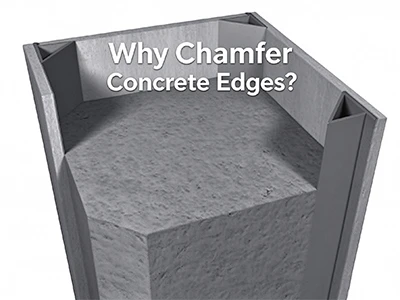
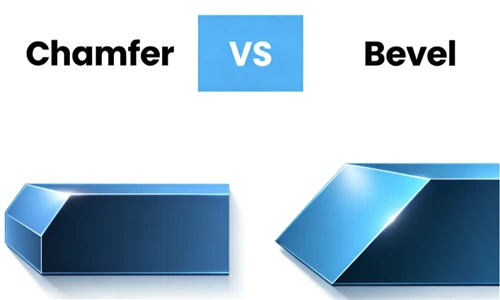
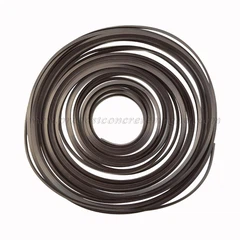
Two adjacent areas of the property are divided by compound walls. Precast compound walls are widely used because they are affordable, easy to install, long-lasting, and available in various forms. In addition, they offer outstanding privacy and visual appeal. Insert magnets and magnetic chamfers are frequently employed during fabrication to guarantee precise, smooth edges and flawless connections.
Bridges
Precast concrete can create different parts of bridge construction instance, beams, arches, girders, deck slabs, caps, and other components. The bridge's size is the same, and the engineers can build it to blend in with the natural or historical surroundings. Shifting devices are employed in bridge construction to move bulky concrete.
Curb Inlets, Catch Basins, and Manhole Covers
These are just a few precast concrete structures essential to wastewater treatment. These constructions are subject to several standards, and precast concrete manufacture satisfies all of them. Using magnetic formwork ensures accurate shape fabrication for parts like catch basins and maintenance hole covers.
Sound Walls
Many businesses utilize these precast concrete barriers because they are a great way to block undesirable sounds. You may also see them in use alongside busy highways. Sound is reflected by the precast concrete walls, primarily back towards the source. Lifting mechanisms aid in the safe transportation of the panels, and magnetic chamfers are utilized to produce crisp, accurate edges in producing sound barriers.
Culverts
Culverts help drain stormwater and wastewater, and precast concrete is ideal for them because it is a high-quality, long-lasting product that can be built effectively. Magnetic formwork technologies allow complex culvert designs to be cast quickly and precisely.
Utility Structures
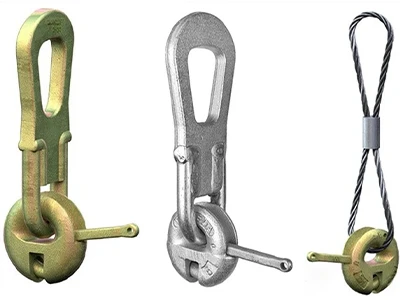
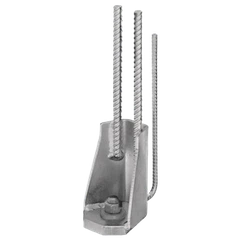
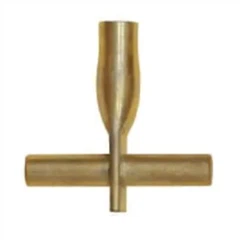
Meter boxes, light pole bases, and telecom structures are just a few examples of critical utility connections frequently protected by precast concrete. During casting, insert and shuttering magnets ensure perfect formwork. These heavy-duty utility parts are handled and installed safely with lifting anchors and clutches.
Retaining Walls
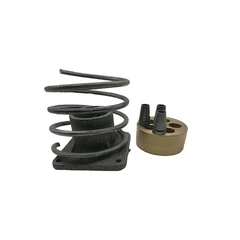
Commercial and residential retaining walls, segmental retaining walls, sea barriers, mechanically stabilized earth panels, and other big precast modular blocks are all examples of retaining walls that use precast concrete. Shifting systems help move the bulky blocks into position during assembly while connecting systems secure individual parts.
Agricultural Products
Slurry channels, livestock feed troughs, and agricultural fencing are just a few uses for agricultural precast concrete. These products are produced using magnetic chamfers, shuttering magnets, and insert magnets, guaranteeing precise tolerances and a smooth finish. Lifting anchors and clutches make handling and installing heavy agricultural components easier.
Building Components and Site Amenities
Precast concrete is frequently used for trim, accessories, curtain walls, fireplace mantels, and cladding. It also has structural uses for floors, walls, foundations, beams, and similar parts. In certain situations, magnetic formwork and recess formers help guarantee that intricate designs are precisely manufactured.
Stormwater and Sanitary
Precast concrete created for this use will filter and eliminate contaminants from stormwater and sanitary runoff. The products include stormwater detention and maintenance holes, catch basins, and catch holes. Magnetic formwork systems guarantee these components are molded to precise specifications for optimum performance.
Cemetery Products
Mausoleums and underground vaults are frequently built using precast concrete, which offers long-term durability and waterproof integrity. Lifting anchors and lifting clutches assist in moving and positioning these bulky parts, while shuttering magnets, magnetic chamfers, and insert magnets guarantee proper alignment and formwork accuracy.
Water and Wastewater Products
Septic tanks, grease interceptors, and fire cisterns are just a few examples of products that precast concrete is perfect for. Shuttering magnets and magnetic chamfers aid in producing tight-fitting, smooth finishes, and lifting anchors and clutches facilitate the speedy and safe installation of these heavy items.
Transportation and Traffic-Related Products
Jersey barriers, bridge systems, and tunnel segments are just a few transportation-related components that use precast concrete. Shuttering and inserting magnets to secure the formwork ensure accurate dimensions during casting. Lifting anchors and clutches effectively handle and install these vital infrastructure components.
Decorative Applications of Precast Concrete

This concrete gives architects and designers a flexible and adaptable material that can be used to improve any project's visual attractiveness. Some of its decorative applications are as follows:
Pre-Finished Surfaces
Its surface can be cast in different finishes, such as polished, textured, and smooth, among others, and then supplemented with various color shades.
Ornamental Features
These can be implemented in custom designs, from corbels and cornices to moldings and medallions.
Sculptures and Statues
They can be utilized in public spaces as architectural highlights or decorative features to design larger-than-life sculptures and statues.
Landscaping Features
It can develop landscaping features such as seating, planter boxes, and retaining walls to help it blend in with its surroundings.
Signage and Wayfinding
It can also generate wayfinding and signage elements, such as monuments, directional markers, and identification signs, that can be tailored to coordinate with the surrounding architecture.
Advantages of Precast Concrete
There are numerous benefits to using this concrete in building projects. Here are a few of the main advantages:
Reduces Construction Time
Precast concrete construction reduces construction time and project delay risk. Time can be saved by allowing the precast concrete casting to proceed concurrently with other on-site tasks like surveying and earthwork. It is one of precast concrete's main benefits.
Quality Assurance
The main variables affecting construction quality, such as curing, temperature, mix design, formwork, etc., can be tracked for precast concrete. Thus, higher-quality buildings can be carried out.
Use of Prestressed Concrete

Pre-stressed precast allows for using structural materials with high strength and load-bearing capacity, which can reduce the size of the cross-section of structural members, increase clear span, etc.
Long Term Viability
Precast concrete is sturdy and has a long lifespan. These days, precast concrete structures are made to survive up to 100 years, so we know that things like fires, animals, or natural disasters won't harm them. There is no need for replacement or remodeling.
Cost-effective
The streamlined building process lowers costs by reducing time and improving quality, safety, and productivity.
Durability
Precast concrete structures require less upkeep and have a longer service life. High-density precast concrete minimizes surface gaps, resists dust accumulation, and is more resilient to impact, corrosion, and acid attack.
Environment Friendly
Precast concrete solves the problem of environmental waste, which is a developing concern. Precast concrete can be recycled and reused indefinitely. Because there is less material waste and no environmental harm, this makes it an environmentally friendly choice.
Disadvantages of Precast Concrete
Some disadvantages of precast concrete are discussed below:
High Initial Investment
Installing a precast concrete plant necessitates using large, complex machinery, which raises the initial outlay of funds. To guarantee adequate profit, a sizable number of precast construction projects must be accessible.
Transportation Problem
The precast concrete facility may be located far from the construction site. In that scenario, trailers must transport the precast members to the location. The cost of transportation frequently offsets precast concrete's lower costs.
Managing Challenges
Prudence and care must be exercised when handling precast concrete. Precast members are typically big and heavy, making them challenging to handle safely. Tower cranes or portable cranes often handle precast members.
Modification
One drawback of precast constructions is that they are challenging to alter. For instance, if structural precast concrete walls have to be disassembled for change, the structure's overall stability will be impacted.
Sensitive Connection Works
One of the most critical steps in guaranteeing robust structural behavior is assembling the precast members. Connections between several structural parts must be effectively supervised to ensure the desired behavior.
Jointing and Connection Issues
Precast pieces must be properly sealed and connected to guarantee structural integrity and stop water leaks. Over time, poorly constructed joints may cause problems with maintenance and durability.
Conclusion
To sum up, precast concrete is a cutting-edge and adaptable building material that benefits various construction applications. Its utilization guarantees longevity, effectiveness, and cost-effectiveness in anything from private dwellings to significant infrastructure projects.
Modern builders increasingly use precast concrete due to its constant quality, shorter building times, and increased sustainability. This material is essential for building structures that are not only useful but also long-lasting, whether they are sound barriers, walls, bridges, or foundations. Selecting precast concrete for your home's construction or any other project guarantees a sturdy and dependable foundation that will endure over time.
FAQ
Q: What are the advantages of using precast concrete for foundation construction?
A: Precast concrete offers numerous advantages for foundation construction.
Faster installation speed reduces overall construction time.
Precast foundations are more energy efficient and can be reinforced using post-tensioning, improving durability and strength.
Q: What are the advantages of precast concrete in terms of construction speed compared to traditional cast concrete?
A: Precast concrete significantly reduces construction time compared to traditional cast-in-place concrete. Because precast components are produced in a controlled factory environment, they can be quickly installed upon arrival on site. In contrast, traditional concrete requires on-site mixing, pouring, and curing, which increases overall construction time.
Q: Which types of structures are best suited for precast concrete?
A: Precast concrete is suitable for a wide range of structures, including foundations, walls, floors, parking lots, bridges, and sound barriers. It is particularly suitable for commercial buildings, industrial facilities, and infrastructure projects requiring high durability and fire resistance.
Q: How is precast concrete produced?
A: Precast concrete is produced in a factory; the concrete mixture is poured into molds to form the desired shape. These molds can be designed for specific applications, such as walls, beams, and columns. After the concrete hardens, the precast components are transported to the construction site, where they are assembled into the final structure.
Q: What is the role of formwork magnets in precast concrete production?
A: Formwork magnets are used in the precast concrete industry to ensure the precise shaping and alignment of concrete formwork. These magnets help hold the formwork in place, ensuring smooth edges and accurate finished dimensions. They are essential for manufacturing high-quality, durable concrete components, especially in complex designs.
Q: Can precast concrete be customized to specific design requirements?
A: Yes, precast concrete can be customized to specific design and functional requirements. While there are some limitations in customization compared to traditional cast-in-place construction, precast concrete components can be customized in terms of size, shape, surface finish, and even reinforcement to meet different architectural and structural requirements.
Q: Is precast concrete more cost-effective than traditional cast-in-place concrete?
A: In the long run, precast concrete may be more cost-effective than traditional cast-in-place concrete. Although the initial construction costs of a plant may be higher, precast concrete can reduce labor costs, shorten construction time, and reduce material waste, thus saving costs for large projects. In addition, precast concrete has higher quality and durability, thus reducing future maintenance costs.