





Precast concrete is a construction material produced in a factory or precast plant and then transported to a construction site for installation. It is made by pouring concrete into moulds, which are then cured and finished to produce a range of precast concrete products. These products can include wall panels, beams, columns, stairs, and more.To produce precast concrete, a mixture of cement, aggregates, and water is poured into moulds and then cured in a controlled environment to achieve the desired strength and durability. Once the precast concrete products are cured, they can be finished to achieve a range of textures and finishes, including smooth, textured, and exposed aggregate.

Uses of Precast Concrete
Precast concrete is used in various construction projects, from small-scale residential buildings to large-scale infrastructure projects. Some of the most popular applications for precast concrete include:
Residential Buildings:
Residential structures, such as single-family homes and multi-story apartment complexes, are built with precast concrete. Precast concrete wall panels can be used as load-bearing or cladding, providing an attractive and durable finish.

Commercial Buildings:
Precast concrete is also employed in commercial building construction, such as office buildings, retail stores, and warehouses. Precast concrete wall panels can be used as cladding, providing an attractive and durable finish, while precast concrete columns and beams can be used as structural elements.

Bridges:
Precast concrete is used in the construction of bridges, including bridge decks, beams, and columns.

Infrastructure Projects:
Precast concrete is used in many infrastructure projects, including tunnels, water treatment plants, and transportation facilities. Precast concrete tunnel segments can be manufactured off-site.
Off-site precast concrete bridge components may be built and delivered to the building site, saving time and reducing traffic impacts. They may also be carried to the construction site for installation, lessening the impact on nearby towns.

Advantages of using precast concrete in construction
There are several advantages to using precast concrete in construction. Some of the most significant include:
Increased Durability:
Precast concrete products are highly durable and can withstand extreme weather conditions, fire, and impact. This makes them excellent for usage in places prone to severe weather or seismic activity.
Improved Efficiency:
Precast concrete products are manufactured off-site, allowing for faster construction times and reduced labour costs. For major building projects, this can result in considerable time and cost savings.
Consistency and Quality:
Precast concrete products are manufactured under strict quality control standards, ensuring each product meets the required specifications. This results in greater consistency and quality control compared to traditional on-site construction methods.
Design Flexibility:
Precast concrete products can be designed to meet specific project requirements, including a range of shapes, sizes, and finishes. This allows for greater design flexibility and customization, enabling architects and designers to achieve their vision for a project.
Environmental Benefits:
Precast concrete products are created from sustainable resources and may be recycled at the end of their useful life. Furthermore, precast concrete product manufacturing generates less waste and has a smaller carbon impact than typical on-site building processes.
Safety:
Precast concrete products can be designed to meet specific safety requirements, such as fire resistance and blast resistance. This makes them popular for use in high-risk areas such as airports and industrial facilities.
Reduced Maintenance:
Precast concrete products require minimal maintenance over their lifespan, reducing the need for repairs and replacement. This can result in considerable long-term cost reductions for building owners and operators.
Challenges Associated with Precast Concrete:
While precast concrete offers many advantages over traditional cast-in-place concrete, it also has certain drawbacks. Here are some of the most common precast concrete drawbacks:
Transportation and Installation:
Transport and installation are two of the most difficult aspects of precast concrete. Precast concrete components are large and heavy, making transportation and installation difficult and expensive.
The components must be transported from the precast manufacturing plant to the construction site and then lifted and placed into position. This requires heavy equipment, such as cranes, and skilled operators to ensure workers' safety and the components' structural integrity.
Quality Control:
Quality control is another major challenge associated with precast concrete. Precast concrete components are made under regulated conditions. Nonetheless, after they leave the production facility, they are exposed to different external conditions such as temperature, humidity, and vibration during transit and installation.
These factors can affect the strength and durability of the components. To guarantee that the components fulfill the specified standards and specifications, suitable quality control methods must be in place.
Types of precast concrete products:
There are several precast concrete products, each with unique characteristics and advantages. Some of the most common types include:
Shuttering Magnets
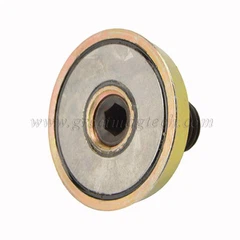
Shuttering magnets are a popular accessory used in precast concrete construction. These magnets are designed to hold the formwork in place during the pouring and setting of concrete, providing a secure and stable base for the concrete element. The advantages of employing shuttering magnets in precast concrete buildings will be discussed in this article.

Formwork Magnets
Formwork magnets are an essential accessory in precast concrete construction. They are intended to keep steel formwork in place during concrete pouring and setting, giving a sturdy and secure foundation for the building process.
These magnets are comprised of high-quality materials and are built to last on a building site. In this post, we'll look into formwork magnets' uses in precast concrete building as well as their advantages.

Insert Magnets
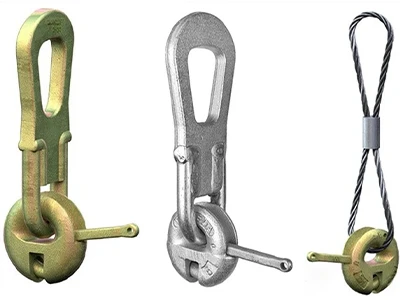
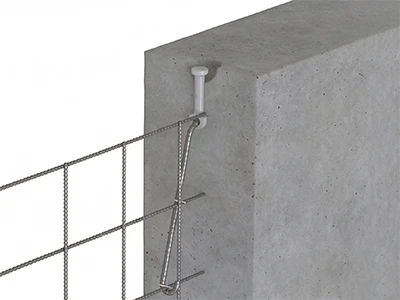
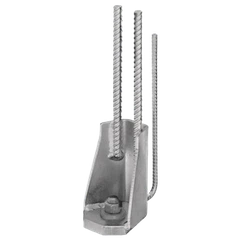
Insert magnets are a key component in precast concrete construction. These powerful magnets are designed to provide a fast and efficient solution for fixing inserts in precast concrete structures. They can secure a range of inserts, including lifting anchors, rebar couplers, and threaded sockets.
One of the main benefits of insert magnets is their ability to save time and reduce labour costs. They provide a quick and straightforward alternative for insert repair, letting contractors to accomplish tasks more quickly.
Insert magnets also provide a secure and stable fixing for the inserts, ensuring they are firmly in place during construction. This helps improve the finished product's accuracy and quality, reducing the need for additional finishing work.

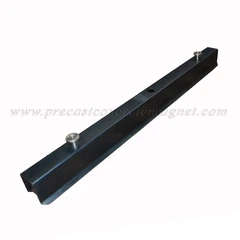
Magnetic Chamfer
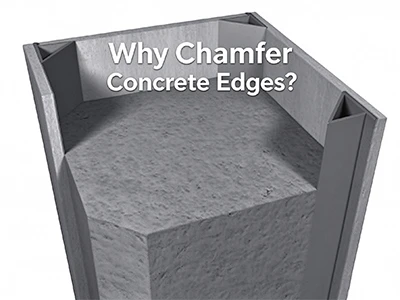
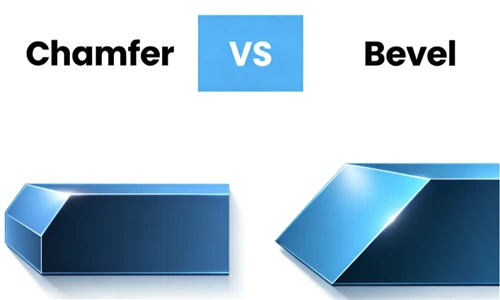
Magnetic chamfers are an innovative product used in the precast concrete industry to create precise and accurate chamfered edges on precast concrete structures. These chamfers are typically used on the corners of precast concrete panels, columns, and beams to provide a finished look that is both functional and aesthetically pleasing.
Magnetic chamfers are comprised of high-quality materials and include strong magnets, making them simple to install and remove. They offer a fast and efficient solution for creating chamfered edges, reducing the time and manual labour required during construction.

Conclusion
Precast concrete accessories play a crucial role in the construction of precast concrete structures. They have various advantages, including enhanced efficiency, accuracy, safety, flexibility, durability, and simplicity of use. Contractors may save time and money while ensuring that the building process is performed safely and to the highest quality standards by employing these accessories.
Precast concrete accessories include shuttering magnets, formwork magnets, insert magnets, magnetic chamfers, and precast concrete accessories. Contractors may identify the finest solutions for their unique needs and build sturdy, durable, and cost-effective structures by researching these possibilities.