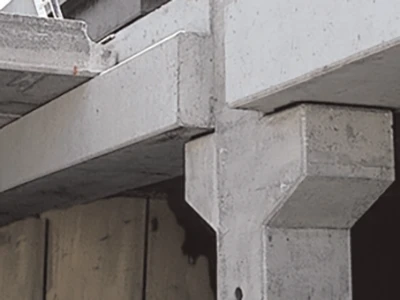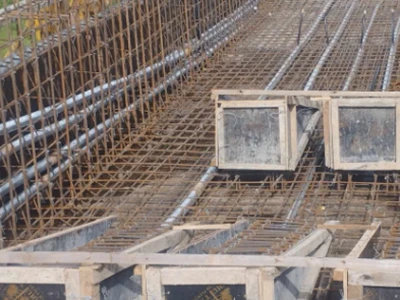





Versatility, durability, and efficiency are some reasons why precast concrete has become increasingly popular in recent years as a construction material, and in the construction industry, precast concrete is widely used across different types of building applications ranging from parking lots to high rise apartments.
We are going to take a close look at precast concrete and analyze how it can be used with 3D printing as the sophisticated capabilities offered by 3D printing technology open up limitless possibilities for creating complex shapes and designs beyond what was possible by conventional building methods for precast concrete.
What is a Concrete 3D Printer?
For good reason, concrete 3D printing technology is fast gaining appeal in the building business. It has several advantages, including shorter building times and lower costs, as well as more design freedom and the capacity to manufacture complicated structures with high accuracy and precision.

Concrete 3D printing
Concrete 3D printing begins with a computer-aided design (CAD) model, which is then converted into a format understandable by the 3D printer. The printer then applies the concrete material layer by layer to build up the structure in accordance with the design specifications.
The structure is built up layer by layer in this technique, as opposed to subtractive manufacturing, which involves removing material from a bigger block. Concrete 3D printers are rapidly being used in the construction sector to create precast parts for structures such as walls, floors, and columns.
This is owing to the capacity of the technology to swiftly make precast parts with high accuracy and precision, resulting in shorter building timeframes and reduced pricing.
Furthermore, concrete 3D printing technology enables greater design freedom by producing complicated forms and designs that would be difficult or impossible to accomplish with traditional building methods.
Concrete 3D printers come in a variety of sizes and configurations, depending on the function and size of the structure being built. Some concrete 3D printers are small enough to be transported to the construction site, while others are large-scale industrial machines permanently installed in a factory setting.
The rapidity with which projects may be constructed is one of the key benefits of using a concrete 3D printer. Traditional building methods, which include a substantial amount of physical labor and the use of heavy gear, may be time-consuming and labor-intensive.
With a concrete 3D printer, precast elements can be produced quickly and efficiently, with high accuracy and consistency. This can result in considerable time savings, lower labor expenses, and less waste and material consumption.
Another advantage of concrete 3D printing technology is its accuracy in producing complicated forms and patterns. This is because the printer can be configured to match the exact parameters of the CAD model, assuring excellent precision and consistency in the finished result.
Architects and designers may now develop structures and components that would be difficult or impossible to make using traditional construction methods.
Furthermore, concrete 3D printing technology has the ability to lessen construction's environmental effect. This is because additive manufacturing is inherently more sustainable than subtractive manufacturing since it utilizes only the amount of material required to produce the completed object.
3D-Printed Concrete House
3D-printed concrete houses are an exciting innovation in the construction industry. Instead of traditional building processes, which may be time-consuming and labor-intensive, 3D printing can make buildings rapidly and with less waste. This article will explain what 3D-printed concrete houses are, how they are manufactured, and the benefits they provide.

A 3D-printed concrete house is a structure built using a concrete 3D printer. The printer creates a series of layers of concrete, which gradually build up to create the walls and structure of the house. The method is similar to typical 3D printing in that a machine layers material to form an item, but on a much bigger scale.
How are 3D Printed Concrete Houses Made?
The production of a 3D-printed concrete house starts with the design of a computer model. Architects and engineers develop a 3D model of the house using specialist software, which is then transferred to the printer. The printer reads the digital model and begins to create the structure of the house by layering the concrete material.
The concrete used in 3D printing is a specially formulated mix designed to be strong and durable while also flowing through the printer's nozzle. Concrete is typically a mixture of cement, sand, and aggregate, along with additives like fibres or plasticizers to improve its properties.
The printer works by laying down a series of thin layers of concrete, building up the structure layer by layer. The printer moves back and forth across the site, depositing the concrete in precise locations to create the walls and floors of the house.
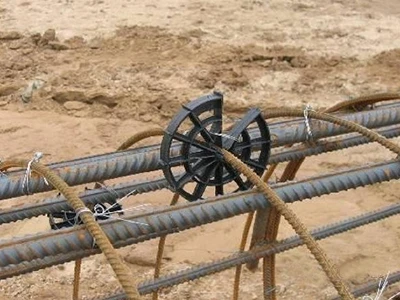
Once the structure is complete, it needs to be reinforced and finished. This can involve adding steel rebar to the walls to strengthen them and installing windows, doors, and other fixtures. The house can then be finished with paint or other surface treatments.
What are the Benefits of 3D Pprinted Concrete Houses?
There are many benefits to building houses with a concrete 3D printer. Here are some of the most notable advantages:
Speed: 3D printing can build houses much faster than traditional construction methods. Because the printer can function indefinitely, the framework of a house may be built in days rather than weeks or months.
Cost: 3D printing can also be more cost-effective than traditional building methods. The speed of the process means less labour is required, which can reduce costs. Additionally, because the printer can work with a high degree of precision, there is less waste, which can also save money.
Sustainability: 3D printing can also be a more sustainable way to build houses. Because the printer can create precise shapes and sizes, there is less material waste. Furthermore, because concrete is a long-lasting and sturdy substance, dwellings constructed using a concrete 3D printer can be more resilient and survive longer than traditional constructions.
Design flexibility: Because 3D printing can create complex shapes and structures, it can be used to build houses with unique and innovative designs. Architects and engineers can create unique ideas that would be difficult or impossible to realize using traditional construction methods.
Types of precast concrete products
There are several precast concrete products, each with unique characteristics and advantages. Some of the most common types include:
Shuttering Magnets
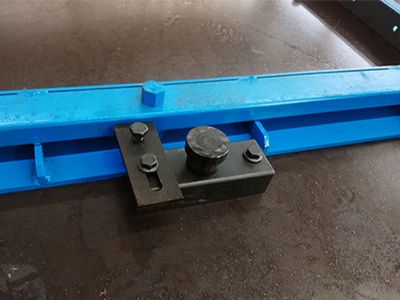
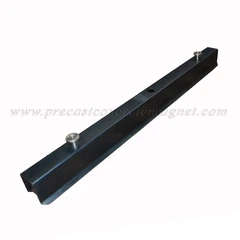
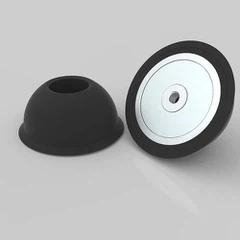
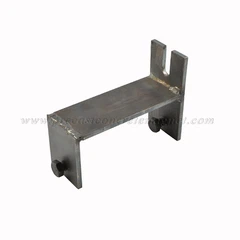
Shuttering magnets are a popular choice for the construction industry as they provide a quick and efficient method of holding formwork during concrete pouring.

Shuttering magnets
Great Magtech Electric produces a range of shuttering magnets that can be easily attached and detached from the formwork without the need for any additional tools. The advantages of employing shuttering magnets in precast concrete buildings include the following:
Efficiency and Cost Savings
One of the main benefits of shuttering magnets is their ability to improve efficiency and reduce costs during the construction process. Shuttering magnets are quick and easy to install, reducing the time and labour required to set up the formwork.
This saves time and money, making precast concrete construction more cost-effective than traditional construction methods.
Accuracy and Precision
Shuttering magnets also provide accuracy and precision during the construction process. The magnets are designed to hold the formwork in place, ensuring it is aligned and level before pouring the concrete.
This ensures that the concrete element is formed to the exact specifications of the design, reducing the risk of errors or inconsistencies during the construction process.
Safety
Another benefit of shuttering magnets is their ability to improve safety during construction. Shuttering magnets provide a secure and stable base for the formwork, reducing the risk of accidents or injuries during the pouring and setting of concrete. This ensures that the construction process is completed safely and efficiently, minimizing the risk of delays or setbacks.
Versatility
Shuttering magnets come in a wide range of sizes and strengths, making them appropriate for a wide range of applications.
The magnets can be used on flat or curved formwork, making them a versatile option for precast concrete construction. This versatility allows for a range of design options, providing greater flexibility and creativity in the construction process.
Durability
Shuttering magnets are designed to be durable and long-lasting. They are built of high-quality materials that can survive difficult building sites conditions such as dampness, heat, and vibration. This ensures that the magnets remain in good condition and provide a secure and stable base for the formwork throughout construction.
Ease of Use
Finally, shuttering magnets are easy to use and maintain. They don't require specific tools or equipment to install, making them a handy solution for precast concrete buildings. Additionally, the magnets can be easily removed and reused, providing a cost-effective solution for future construction projects.
Formwork Magnets

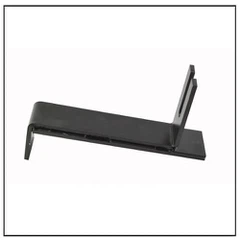
Formwork magnets are another essential product for the construction industry. They are designed to hold formwork in place and ensure the concrete is poured into the correct shape and size.
Great Magtech Electric produces a range of formwork magnets that are easy to use and can be easily adjusted to fit the formwork. These magnets are strong and can hold the formwork in place even under extreme conditions.
Benefits of Formwork Magnets
Formwork magnets offer a range of benefits in precast concrete construction. Firstly, they provide a fast and easy solution for holding steel formwork in place. This decreases the time and labour necessary to build up the formwork, allowing contractors to finish jobs faster.
Additionally, formwork magnets provide a secure and stable base for the formwork, ensuring it is aligned and level before pouring the concrete. This helps improve the finished product's accuracy and quality, reducing the need for additional finishing work.
Formwork magnets are also durable and long lasting, making them a cost-effective solution for precast concrete construction. They can be reused for multiple projects, reducing the need for new magnets and saving money in the long term. Formwork magnets are also easy to install and remove, reducing the amount of manual labour required on the construction site.
Precast Concrete Accessories
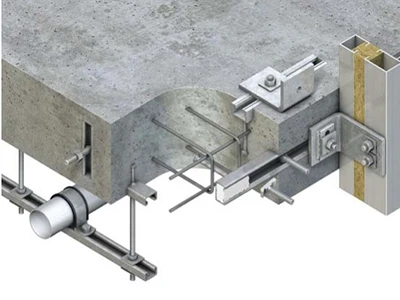
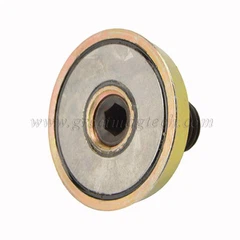
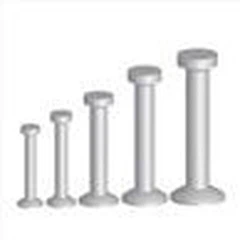
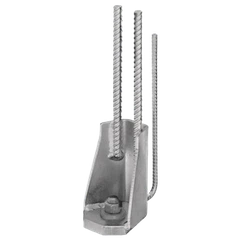
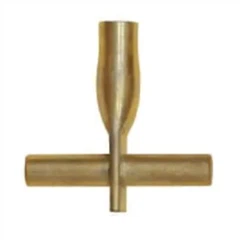
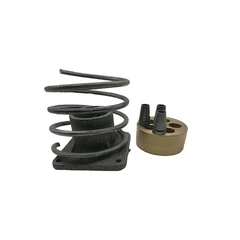
Great Magtech Electric produces a range of precast concrete accessories that are designed to make the construction process easier and more efficient. These accessories include lifting sockets, lifting loops, and edge lifting inserts. These attachments are simple to install and may be utilized with a variety of precast concrete types.

Precast Concrete accessories
How Much Does a 3D Printed House Cost?
The price of a 3D-printed house can change depending on many things. These factors include the house's size, design complexity, location, and the specific 3D printing technology used.
Printing houses in 3D can be cheaper than building them like usual. The reduced labor requirements and faster construction times associated with 3D printing can lead to significant savings. You need to remember that the cost may vary greatly, depending on the project.
Additionally, the choice of materials can also influence the cost. Concrete is often used for 3D printing buildings because it is strong and works well with 3D printers. But, we can also use other materials like polymers and composite materials. The availability and cost of these materials in the local market can impact the project's overall cost.
Precast Concrete Buildings Currently 3D Printed:
Several precast concrete buildings are currently utilizing 3D printing technology. One notable example is the "Apis Cor" 3D printer, which has been used to construct small houses and structures in different locations worldwide.
The Apis Cor printer is a mobile, crane-like device that can print a house layer by layer. This technique has created inexpensive homes and demonstrated the capabilities of 3D-printed buildings in places like Russia, the United States, and Dubai.
Other companies and research institutions also actively explore and develop 3D printing techniques for precast concrete construction. This means really big projects like office buildings, apartments, and even whole communities. 3D printing in precast concrete construction offers advantages such as speed, design flexibility, and reduced material waste.
Are 3D Printed Concrete Houses Durable?
The durability of 3D-printed concrete houses is a topic of significant interest and ongoing research. 3D-printed things can be strong, but we need to think about some important things. The durability of a building depends on what it's made of, the design, and how it was built.
Layer-by-layer construction in 3D printing allows for precise placement of the material, which can enhance the house's structural integrity. However, long-term durability requires proper quality control measures throughout the construction process. This includes ensuring the correct concrete mix, proper curing techniques, and adherence to established building codes and standards.
Research and development efforts are underway to enhance the durability of 3D-printed concrete houses. These efforts include investigating innovative reinforcement methods, such as incorporating fiber or steel reinforcement within the printed structure, to further improve strength and durability.
Conclusion
There are various advantages to using 3D printing technology in the construction business, notably in the fabrication of precast concrete buildings such as 3D-printed concrete houses. The method enables the quick fabrication of precast parts, which leads to shorter construction periods,lower costs, and better design flexibility.
Furthermore, 3D printing technology has the potential to lead to a more sustainable and ecologically friendly construction procedure. The future of construction is exciting, and 3D printing technology is set to play a significant role in transforming the industry.