





Building endeavors present difficulties and consume a significant amount of time, particularly when employing conventional construction components. Nonetheless, precast concrete has revolutionized the sector, offering a swifter, more effective, and economical approach to erecting structures. Concrete that is pre-made by casting it in a mold and then cured in a controlled environment is known as precast concrete, which is a popular construction material. The prefabricated cement components are subsequently conveyed to the building location where they are pieced together to form the ultimate edifice. This method has been demonstrated to be advantageous in optimizing building endeavors, conserving resources and time, all while upholding standards.
What is Precast Concrete?
Precast concrete is a method of construction in which the concrete is cast in a controlled environment and then transported to the site of construction. Concrete is poured into molds, given time to cure and harden, and then delivered off to the construction site in the form of precast concrete modules. Once the precast parts have arrived, they can be assembled to create the final structure. Precast concrete is an excellent choice for a broad variety of building and bridge projects due to its adaptability.

Here are some more reasons why you should be using precast concrete for your construction.
Time Saving
Precast concrete has the obvious time-saving advantage. The precast units can be manufactured quickly and effectively because of the regulated environment in which they are made. Unlike traditional concrete building methods, precast concrete structures can be quickly installed since they can be delivered to the construction site and built there. In addition, precast concrete components can be made at any time of year, regardless of the weather, giving you more flexibility in planning and executing your construction project.
Cost Effectiveness
Using precast concrete has a notable advantage in terms of cost savings. Precast concrete, while it can have a larger upfront cost than traditional concrete, can save money in the long term. Precast concrete has extraordinary durability and requires very little maintenance during its lifetime. You'll wind up spending less on maintenance and new equipment altogether. Precast unit production is also renowned for its speed and efficiency, which eventually leads to reduced labor costs and further savings.
Quality Assurance
When you go for precast concrete, you know you're getting a high-quality product. Precast units undergo rigorous quality assurance testing since they are manufactured in a laboratory. The final product's durability and stability are improved by ensuring that all components are of uniform size, shape, and strength. Precast concrete modules are manufactured off-site, reducing the potential for faults to be made during the building process.
Versatility
Because of its versatility, precast concrete is used in many different types of construction. Precast concrete can be modified to fit your needs, whether you're constructing a high-rise, a bridge, or a garage. The size, form, and color of precast components can be customized to create a one-of-a-kind and visually beautiful structure.
Environmentally Friendly
The environmental benefits of precast concrete are numerous. Precast modules are manufactured away from the actual building site, which significantly cuts down on construction debris. In addition, precast modules have a longer lifespan than traditional building materials because of their superior resilience. This results in less maintenance and replacement costs over time.
If you're looking for ways to streamline your construction project, precast concrete is worth investigating. Precast concrete has several benefits when used in building projects, including longevity, quality control, adaptability, environmental friendliness, and cost and time savings. It's a good option for any building job.
Efficiency and Speed with Precast Concrete
The utilization of precast concrete in building initiatives has multiple advantages, such as enhanced productivity and rapidity. The production of precast concrete occurs within a regulated setting, guaranteeing uniformity in excellence and minimizing the probability of building setbacks. This procedure optimizes efficiency since the precast components can be fabricated concurrently with additional on-location tasks. Furthermore, as precast concrete has the ability to be cast away from the construction site, the size of the construction sites can be minimized, leading to a decrease in the duration of on-site preparation.
Successful building projects almost always have high levels of efficiency. It's common knowledge among construction workers that delays and other forms of bad luck can add up to significant costs in terms of both time and money. It's important to think forward about how you can streamline the entire endeavor. One method that can be used for this goal is the use of precast concrete. Precast concrete's use has skyrocketed in recent years due to the material's many advantages, including its affordability, longevity, and adaptability.
For optimal utilization of precast concrete, adequate planning is imperative. Initiating the process involves identifying the design prerequisites of the project and the particular precast components that are required. The task at hand necessitates seeking advice from the precast concrete provider to identify the optimal items for the undertaking.
After the determination of design requirements, the precast concrete supplier will create the units offsite to maintain product quality and consistency. Following the production phase, the units shall be conveyed to the designated construction location, where they will be pieced together to form the ultimate edifice.
The utilization of precast concrete necessitates synchronization and cooperation among the various entities implicated in the building undertaking. This comprises of the architect, contractor, and precast concrete provider. It is imperative for all involved parties to collaborate seamlessly throughout the entire project, starting from the initial design phase and culminating in the final assembly.
How to Use Precast Concrete Effectively
Precast concrete is an excellent choice for construction projects, providing a range of benefits, including speed, efficiency, and cost-effectiveness. However, using precast concrete effectively requires proper planning, preparation, and the right tools and equipment. In this article, we will discuss how to use precast concrete effectively and the role of shuttering magnets in the process.

1. Determine the Requirements of Your Project
The first step in using precast concrete effectively is to determine the requirements of your project. This includes the specific dimensions, shapes, and designs of the precast concrete elements needed. Proper planning is essential for ensuring that the precast concrete elements meet the project's specifications and requirements.
2. Choose the Right Materials
Choosing the right materials is also essential for using precast concrete effectively. The quality of the precast concrete materials can affect the strength, durability, and longevity of the final structure.
3. Use Shuttering Magnets for Efficient Production
Shuttering magnets are an essential tool for precast concrete production. They provide a secure and strong hold on the formwork during the pouring and curing process, replacing traditional methods of clamping and tying. This process saves time and reduces labor costs, making it an excellent choice for precast concrete producers.
4. Properly Prepare the Site
Proper site preparation is crucial for using precast concrete effectively. The site should be prepared to accommodate the precast elements, including the installation of the necessary infrastructure, such as cranes and lifting equipment. The site should also be level, stable, and free of any obstacles that could hinder the installation process.
5. Proper Installation of Precast Elements
Proper installation of the precast elements is also essential for using precast concrete effectively. The elements should be installed according to the project's specifications, ensuring that they are securely in place and providing a strong hold. This process can require the use of lifting anchors and other equipment to ensure that the precast elements are lifted and positioned correctly.
6. Maintain Quality Control
Quality control is an essential aspect of using precast concrete effectively. The precast elements should be inspected regularly to ensure that they meet the project's specifications and requirements. Any defects or issues should be addressed immediately to ensure that the final structure is durable, long-lasting, and safe.
7. Follow Safety Protocols
Following safety protocols is essential for using precast concrete effectively. The installation process can be dangerous, requiring the use of heavy equipment and tools. It is essential to follow safety protocols and ensure that all personnel involved in the process are trained and qualified to perform their tasks safely.
In a nutshell, using precast concrete effectively requires proper planning, preparation, and the right tools and equipment. Shuttering magnets are an essential tool for precast concrete production, providing a secure and strong hold on the formwork during the pouring and curing process. At GME, we offer a wide range of high-quality precast concrete materials, ensuring that you have the right materials for your project. Proper site preparation, installation, quality control, and safety protocols are essential for ensuring that the final structure is durable, long-lasting, and safe. With these tips and tools in mind, precast concrete producers can create efficient and cost-effective structures that meet their clients' needs and expectations.
Knowing the Methods of Manufacturing Precast Concrete to Better Understand its Usability
The manufacturing process of precast concrete involves a multitude of steps, including designing, creating molds, pouring the concrete, allowing it to cure, and finishing the final product. The precast unit is meticulously designed by engineers who take into consideration various factors such as the required shape, size, and strength of the product. Once the blueprint is completed, molds are created using materials such as wood, foam, or steel. Once the molds are ready, the concrete mixture is poured into them and allowed to harden for a few days.
Once the curing process is complete, the precast components are removed from their molds and undergo a range of finishing techniques, including sandblasting, grinding, and painting. Once the precast modules are finished, they are transported to the construction site and installed using specialized heavy equipment. The production of precast concrete offers the advantage of ensuring consistent and accurate quality in the final output. The manufacturing process of precast modules is strictly regulated, ensuring that each module is uniform in size, shape, and strength. The adaptability and personalization of precast modules are further enhanced by the wide range of sizes, shapes, and colors available for each project.
Our Top Products for Streamlined Precast Concrete Construction
At GME, we specialize in producing high-quality shuttering magnets and accessories for precast concrete production. Our products are designed to make the production process faster, more efficient, and cost-effective while maintaining quality and consistency. In this article, we will discuss our most popular products that can streamline the precast concrete production process.
Shuttering Magnets - Our Most Popular Product
Our shuttering magnets are the backbone of precast concrete production. They provide a secure and strong hold on the formwork during the pouring and curing process, replacing traditional methods of clamping and tying.
At GME, we offer a wide range of shuttering magnets that are designed to make precast concrete production faster and more efficient. Our products include:
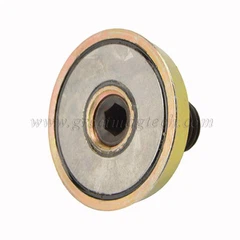
Shuttering Magnet: Magprecast introduces innovative shuttering magnets that render traditional methods of fixing precast concrete shuttering obsolete.

Formwork Magnet: Precast concrete structure production is revolutionised by the Magprecast formwork magnet, which provides better efficiency and ease.

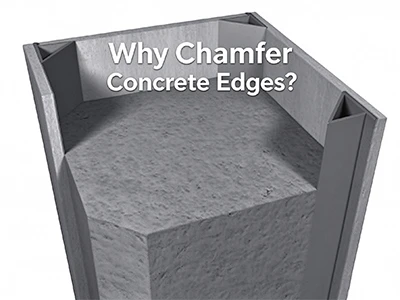
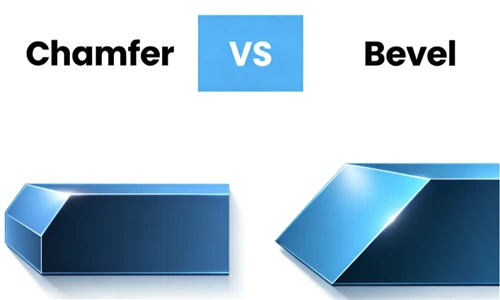
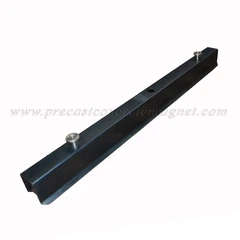
Magnetic Chamfer: Magprecast's magnetic chamfers provide a swift solution for incorporating chamfers into magnet formwork construction.

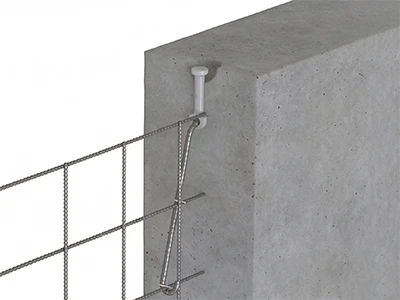
Insert Magnets: Employing robust magnets, Magprecast insert magnets ensure precise positioning and securement of precast concrete elements.

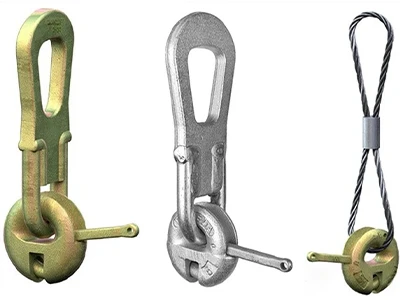
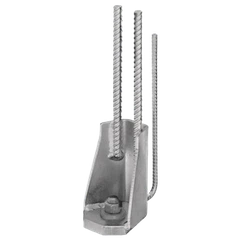
Erection Anchors: With their unique grip design, Magprecast erection anchors enable secure attachment of precast elements, facilitating easy lifting and positioning.

Lifting Anchors: Magprecast lifting anchors, comprising eye and plate anchors, are designed for large weights and provide specific functions for vertical and spread loads.