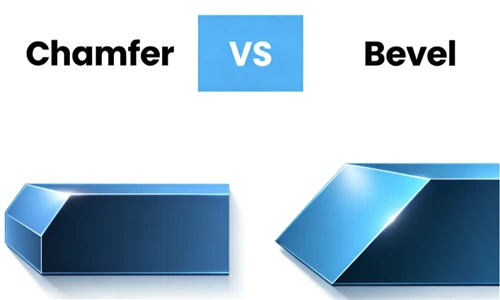





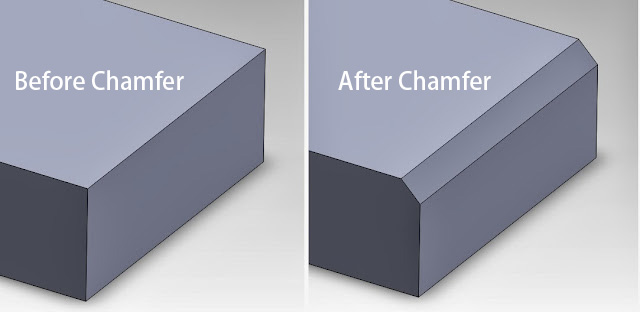
Chamfer edge is a versatile and widely used edge treatment or design element that finds practical applications in diverse fields like architecture, engineering, woodworking, and manufacturing. This technique involves skillfully beveling or angling the sharp edge or corner of an object or material to create a flat or angled surface. The process results in a clean and smooth finish that is not only aesthetically pleasing but also has functional benefits, such as enhancing the safety of the object or material by reducing the risk of accidents due to sharp edges.
Chamfer Edge in Architecture
Chamfer edge is indeed a popular choice for decorative embellishment in architecture, where it lends its elegant simplicity to the design of facades, pillars, and cornices. It is also a crucial part of the manufacturing process, where it is used to produce beveled edges on machine parts, fasteners, and tools. Its implementation in woodworking is essential as it offers a practical solution to smooth the rough edges of woods to achieve a polished appearance. Furthermore, chamfer edge is a common feature in engineering, where it helps to minimize wear and tear on parts, reduce stress concentrations, and increase the lifespan of objects.
What is the purpose of chamfer edge?
Chamfer edge is indeed a popular choice for decorative embellishment in architecture, where it lends its elegant simplicity to the design of facades, pillars, and cornices. It is also a crucial part of the manufacturing process, where it is used to produce beveled edges on machine parts, fasteners, and tools. Its implementation in woodworking is essential as it offers a practical solution to smooth the rough edges of woods to achieve a polished appearance. Furthermore, chamfer edge is a common feature in engineering, where it helps to minimize wear and tear on parts, reduce stress concentrations, and increase the lifespan of objects.
How to Make Chamfered Edge in Concrete
Edges on concrete are beveled and angled corners designed to improve the aesthetics, safety and ease of removal of concrete shapes. To obtain a chamfered edge in concrete, you can usually use chamfering strips and chamfering edging tools.
By using Chamfer Strips
When creating chamfer edges in concrete, the most popular options are to use chamfer strips or a chamfer grooving machine. Chamfer strips allow you to create a consistent angle on the edge of concrete shapes prior to the application of concrete, while a chamfer grooving machine offers more flexibility when it comes to creating different types and sizes of chamfers. When choosing the right method for your project, consider the size of the chamfer you are looking to create, as well as the time frame in which you need the chamfer edge completed. Additionally, always take proper safety precautions when working with concrete and make sure that you have the right tools and equipment to get the job done safely.
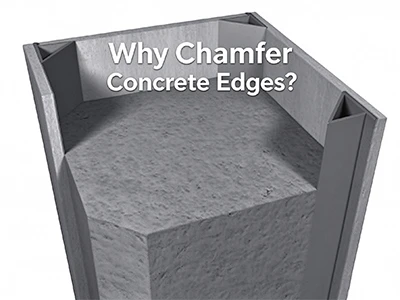
The Chamfer Strip method is performed before a concrete layer is laid on the floor. Formwork built to lay concrete will have chamfer strips on each edge of it. According to the requirements regarding the thickness, chamfer strips come in the dimensions 1/2, 3/4, and 1 inches.
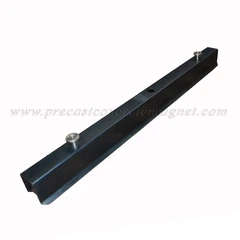
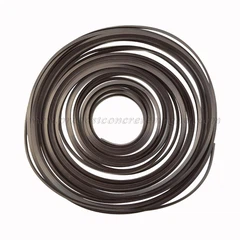
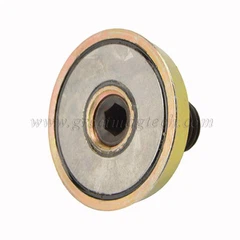
These chamfering methods are performed prior to the construction. Formwork are constructed for concrete lay-out using the edge chamfer strips. Depending upon chamfer size, chamfers can be found in the sizes of 1/2, 1/3 or 1 inch. According to the material, the chamfering strips are usually divided into rubber concrete chamfering, steel concrete chamfering strips, pvc concrete chamfering strips, Magnetic Urethane Chamfer.This strip is chamfered and concrete is laid using the conventional techniques. Concrete has to be compacted to ensure a smooth finish is achieved. After 24 hours forms are gradually removed. There is no need in the process for completing any additional work.
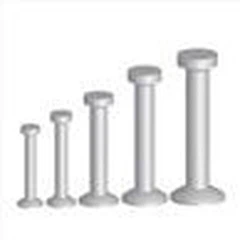
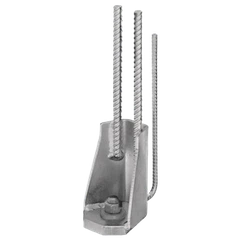
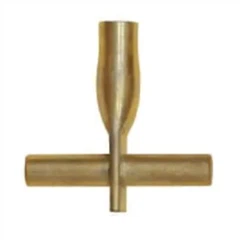
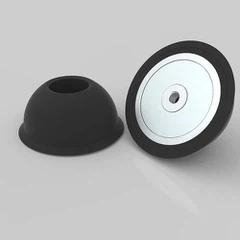
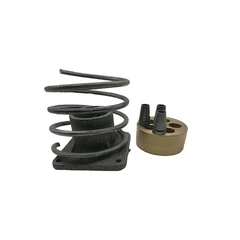
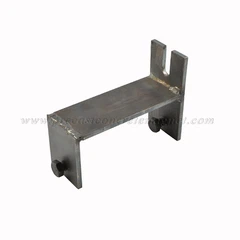
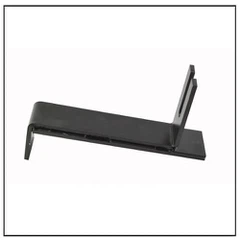
The following pictures are about the selection of concrete chamfering

By using Chamfer Edging Tools
The method employs the use of chamfers to create chamfered edges. Unlike the method mentioned here, it happens immediately after the concrete has dried out (20-30 minutes after forming conventional concrete). The edge of concrete can be easily removed using chamfer tooling. Based on the use of the type of chamfered equipment, the same type and size of chamfers are obtained on the concrete edge. It takes skilled labour to make an equally smooth edge.
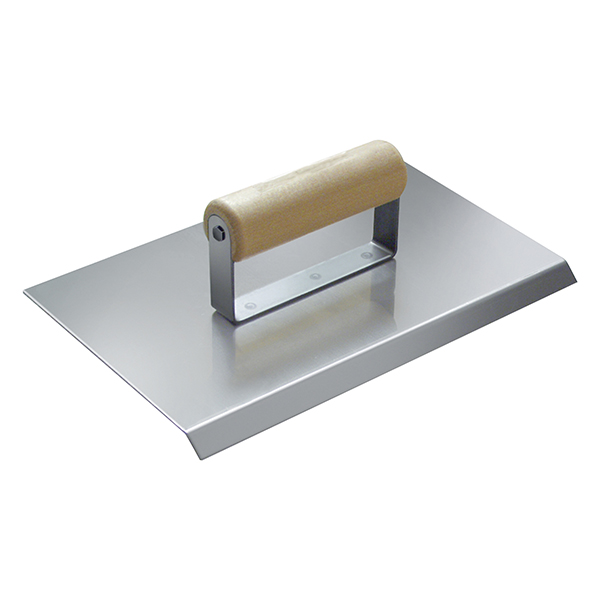
Chamfer edges serve as versatile design elements, providing numerous benefits across various industries. By enhancing safety, adding aesthetic appeal, facilitating assembly, and reducing stress concentration, chamfer edges contribute to the overall functionality and longevity of objects. Whether it's in architecture, woodworking, engineering, or manufacturing, chamfer edges continue to play a vital role in achieving both practical and visually appealing results. Embracing the potential of chamfer edges can lead to safer, more aesthetically pleasing, and efficiently constructed designs.