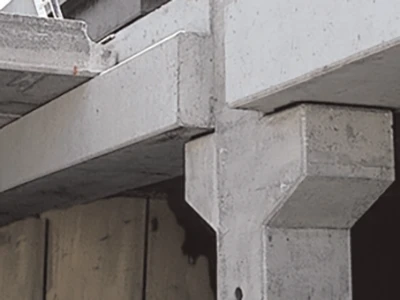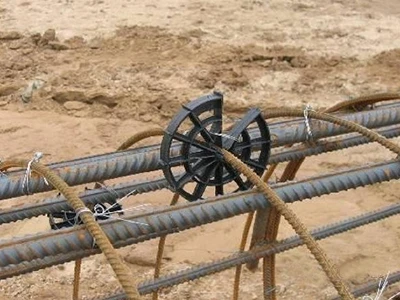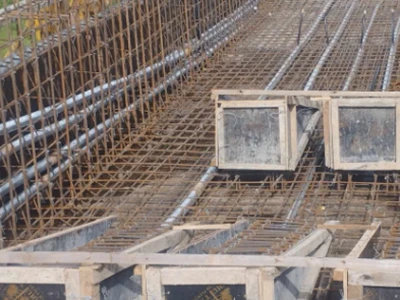






Precast concrete is a construction method where concrete components are manufactured off-site. They then move these parts to the project site for assembly. This method has many advantages over conventional concrete pouring on-site. It provides quality assurance, and fast delivery, and reduces labor expenses as well. Precautions are taken during construction where builders use precast concrete for purposes of walls, floors, beams, and columns.
Precast wall-to-wall connections are a very important aspect of the building as per structural and functional performance. These connections relieve stresses between various precast members and provide overall stability to the structure. In this article, we will discuss the various kinds of precast wall-to-wall connections and their applications.
Types Of Precast Wall To Wall Connections
Precast concrete wall systems stand as being both durable and effective. These walls play a significant role in the structural performance and control of loads for the supported structure. Here are ten types of precast wall-to-wall connections that builders commonly use:
Welded Connections
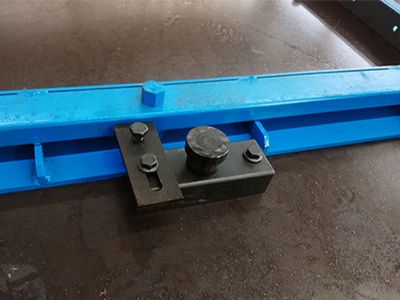
Steel plates are placed in panels and are bonded together with the help of welding. This gives the structure very firm and well-fixed joints. The plates must be placed in the right position and to this end Shuttering Magnets are ideal. They help to support the formwork at the time of casting.
Bolted Connections

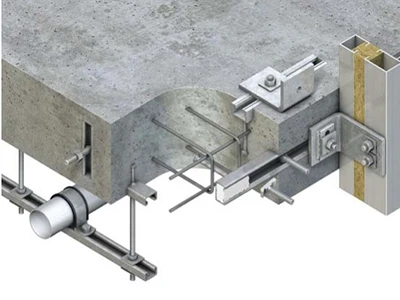
Panels are linked by bolts and steel inserts. This method makes it easier to adjust and also the installation process is quite simple. During panel casting, Formwork Magnets hold the inserts in place. This ensures we are properly aligned correctly.
Loop Connections

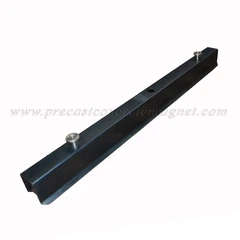
Reinforcement bars or wire loop boxes extend from the panels. Builders overlap these loops and fill them with grout to create a solid joint. For neat and precise edges, Concrete Chamfer Strips play a crucial role during the formwork process.
Shear Key Connections
Interlocking grooves on panel edges enhance shear resistance. Erection anchors hold the panels during installation. They ensure stability and proper alignment in shear key systems.
Grouted Sleeve Connections
Reinforcement bars extend from one panel into sleeves in the other panel. Grout secures these connections. The lifting clutch comes in 2.5T and 5T sizes. It ensures safe and efficient handling of panels that have grouted sleeves.
Dry Packed Joints

Panels adhere closely to one another, and a high-strength mortar is forced into the joint between the panels. Concrete chamfer strips give panels clean and accurate edges. These edges are important to get a good fit of the parts that are going to be welded.
Dowel Connections
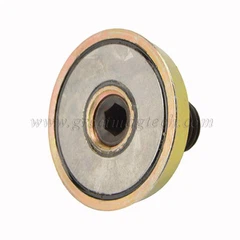
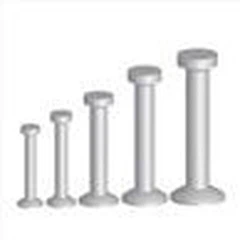
The steel dowels are placed on one panel and are received in grooves on the other adjacent panel. Rarely do these connections require a grout or epoxy to hold them in place. Spherical head anchors offer a good means of fixing dowels in position. This setup increases the stability of the involved joint.
Post-Tensioned Connections

Workers pass the tendons through channels located in the panels for steel structures. Then, they tighten the tendons to reinforce the structure. Formwork magnets assist in achieving correct duct alignments. This therefore makes the post-tensioning process very smooth.
Hybrid Connections
Hybrid connections use two or more methods. Some of these may be welding and bolting depending on the level of performance required. Hybrid connection components are maintained accurately during the panel casting by shuttering magnets.
Mechanical Connectors
Proprietary devices splicing precast panels in a mechanical system are used. They give flexibility and hence ease in the assembly of the device or component. They provide reliable support for connection systems such as Erection Anchors.
Applications of Precast Wall-to-Wall Connections
Precast wall-to-wall connections are useful in construction. They make buildings stronger and more stable. Here's how they are used:
High-Rise Buildings:
These connections hold heavy loads and protect against wind and earthquakes. They also speed up construction.
Commercial Buildings:
They help build stores and offices quickly, saving money and allowing creative designs.
Industrial Buildings:
They support large machines and create big spaces for factories or warehouses.
Schools and Universities:
They make it faster to build or improve classrooms and other school buildings.
Homes and Apartments:
They keep buildings strong and allow for energy-saving designs.
Bridges and Retaining Walls:
They make these structures last longer and carry heavy loads.
Sound Barriers:
These connections block noise on highways or railroads while staying strong outdoors.
Flood Barriers:
They create strong walls to hold back water in flood-prone areas.
Earthquake-Safe Buildings:
They let buildings move slightly but stay safe during earthquakes.
Modular Construction:
They make it easy to assemble or take apart buildings for flexible designs.
Frequently Asked Questions about Precast Wall-to-Wall Connections
How Do I Choose The Right Connection Method For My Project?
Selecting the appropriate connection method depends on several factors:
Load Requirements: Consider the types of loads (vertical, lateral) that will be applied.
Building Codes: Ensure compliance with local regulations and standards.
Project Timeline: Some methods allow for faster installation than others.
Cost Considerations: Evaluate the budget for materials and labor associated with different connection types.
What Is the Connection of Precast Wall to Footing?
Connecting precast walls to footings is vital for the stability of the entire building. Here are some common methods to create this connection:
1. Corrugated Duct Method
This traditional method uses a corrugated duct cast into the precast wall. This duct forms a hole for connecting rebars from the footing. Although this method works well, it requires a lot of grout filling. This can lead to longer construction times and higher costs.
2. Grout Coupler Method
Grout couplers are designed for connecting precast elements such as walls, columns, and beams. They can connect elements either horizontally or vertically. This method creates a strong connection between precast walls and footings. Grout bonds the elements together securely.
3. Precast Shoe Method
The precast shoe is a flexible connector. It allows for quick assembly of precast walls to footings without needing welding. This method ensures proper alignment and evenly spreads loads, creating a strong connection.
What Are the Methods of Connection in Precast Concrete?
The methods of connection in precast concrete can be categorized based on their design and functionality:
Dry Connection Method: This method uses mechanical fasteners like bolts or dowels. It does not need extra concrete.
Wet Connection Method: This method involves pouring concrete at the joint after placing the panels. It improves load transfer but may take longer to cure.
Hybrid Methods: These methods mix dry and wet techniques. They aim to improve both performance and ease of installation.
How Are Precast Panels Joined Together?
Precast panels connect using different methods. These methods allow the panels to work together as one strong unit.
Mechanical Fasteners: Bolts and dowels allow for quick assembly. They also let workers make adjustments on-site with ease.
Welding: This process creates robust bonds between steel plates embedded in the panels.
Grouting: Workers use grout in dowel connections. It fills gaps between panels and helps with effective load transfer.
Interlocking Systems: Some newer systems have interlocking designs. These designs boost stability without depending only on traditional connection methods.
How Precast Wall Connections Contribute To The Structural Integrity Of High-rise Buildings
Connections between precast walls are among the best strategies to enhance the performance of tall buildings and their structural base. Here's why:
Sharing Weight:
These connections assist in the distribution of pressure across the panels. This helps the building not to be weakened at one particular place and also prevents a certain part from being over-pressed.
Staying Stable:
It also allows the building to remain stable during times of storm or an earthquake due to good connections. This keeps everybody in the house safe.
Strong but Flexible:
These connections are made by engineers in a way that they can also be flexible during earthquake vibrations. This makes the building withstand the shock without falling down to the ground during the construction process.
Weather Protection:
The materials used in these connections are strong. They do not corrode or get spoilt by rain, heat, or cold atmosphere.
Quick Building:
This is because precast parts can be easily installed in the construction of buildings. This also leads to early completion of construction with the highest quality being maintained.
Top Quality:
These parts are made in factories and they are made in such a way that they fit well and have no flaws that might lead to future mishaps.
Safe Design:
These connections are made in order to adhere to certain safety measures. This means that the tall buildings can withstand all the forces they will be subjected to such as weight or weather conditions.
Can Precast Wall Connections Be Altered Or Changed In Some Way?
Yes, connections of existing precast walls may be retrofitted or altered to enhance the connection capacity or upgrade to suit new design conditions. It is advisable to seek the service of a structural engineer, to establish the best course of action depending on the circumstances.
What Role Do Precast Wall Connections Play In Energy Efficiency?
Precast walls can be efficient in energy conservation since they are more insulated than other materials of construction. Furthermore, the close coupling results in better airtightness and thus improved thermal performance of building facades.
As For Precast Wall Connections, Are There Any Maintenance Needs To Be Met?
Precast concrete is relatively a low-maintenance material. Nevertheless, inspections have to be made from time to time to check for signs of wear, crack, or corrosion at the connection area. These products if properly sealed and painted can help to increase their durability.
What Is The Typical Lifespan Of Precast Concrete Structures?
Precast concrete structures can last 50 years or more with proper design, installation, and maintenance. The durability of the materials used in both the panels and their connections plays a significant role in this longevity.
What Materials Are There In Precast Wall Connections?
Common materials include:
Steel: For bolted and dowelled connections, and embedded plates in welded connections.
Concrete: The main material for the panels themselves and sometimes used for the production of grout.
Plastic or Composite Materials: Nowadays, it is applied for some connection elements to decrease weight and enhance environmental friendliness.
Are Precast Wall Connections Compliant For Use In Seismic Areas?
It is possible to design the precast wall connections to be able to withstand the forces that are brought about by earthquakes. They can also use flexible connection types that make it possible to move during an earthquake, yet remain strong.
How Does The Use Of Precast Wall Connections Contribute To Reducing Greenhouse Gas Emissions?
Precast wall connections can help make construction more eco-friendly in many ways:
Better Manufacturing:
Precast concrete is produced in factories where conditions are well-regulated. These factories consume energy efficiently and produce less waste than when concrete is prepared on construction sites. Old methods are cumbersome and take more activities, and hence produce more pollution.
Less Waste:
Producing precast parts at the factory reduces the number of spills and waste of materials. Teams also make sure to use only the right amount of anything required during the construction. This is efficient because it does not use up a lot of resources, and does not create waste that will pollute.
Insulation Built-In:
In addition, insulation can be incorporated into precast walls. This means they need less concrete and yet they are strong. Less concrete means less pollution and helps the buildings to conserve energy thereby decreasing emissions.
Smarter Transport:
Transporting and placing finished precast elements is cheaper and causes less pollution than transporting aggregates for mixing on-site. This also reduces the carbon footprint of the whole project as well, as its production.
Lasts Longer:
Precast concrete is designed to have a very long service life. It has fewer repair and replacement frequencies compared to other materials. This is economical in the sense that there is no need to pull down or build structures again and again.
Trapping Carbon:
Precast concrete can absorb carbon dioxide from the environment. This process known as carbonation does not entirely solve the pollution problem of concrete making but to some extent it does.
Energy Savings:
Precast walls can store and release heat well. This reduces the load that is put on a building's heating and cooling system and therefore decreases greenhouse gas emissions during the life of the building.