





In the complex world of modern construction, where every element must be meticulously planned and executed, precast concrete magnets play a pivotal yet often underappreciated role. These magnets are integral to the precision and efficiency required in the production of precast concrete elements.
Serving as the unsung heroes of the industry, they help maintain alignment, positioning, and structural integrity during the creation of concrete components.
This article will explore the various types of precast concrete magnets, their functions, benefits, and how they contribute to the success of large-scale construction projects.
What Are Precast Concrete Magnets?
Precast concrete magnets are specialized tools used in the construction of precast concrete elements, helping to secure formwork in place during the pouring and curing of concrete.
These magnets are embedded or attached to the formwork, providing the necessary magnetic force to hold the formwork against the concrete's weight and pressure during the entire manufacturing process. They are designed to improve the accuracy and efficiency of creating concrete structures, ensuring that the final product is both durable and precise.
Functions of Precast Concrete Magnets
Precast concrete magnets are designed to perform several key functions that contribute to the efficiency and precision of concrete production. Below are the primary roles they play in construction:
Positioning and Holding
One of the primary functions of precast concrete magnets is to securely position and hold steel formwork in place during the pouring and curing of concrete. These magnets use magnetic force to keep the formwork aligned and immovable throughout the concrete's setting process.
This is crucial because the precise positioning of the formwork ensures that the concrete takes shape according to the design specifications. Without this stability, formwork could shift or misalign, leading to defects or structural weaknesses in the final product. Precast concrete magnets provide the necessary force to prevent such issues, ensuring that the concrete elements meet the required quality and accuracy.
Secure Connection
Precast concrete magnets also play a vital role in creating a secure connection between the formwork and steel reinforcement bars, which are essential for the strength and stability of the concrete structure. These magnets help to maintain the proper alignment of the steel reinforcement throughout the casting process, preventing any movement or misalignment.
Such stability is critical because even minor shifts in the position of the reinforcement can compromise the structural integrity of the final concrete element. By holding the formwork and reinforcement securely together, precast concrete magnets ensure that the concrete cures correctly and the reinforcement remains in place to provide strength.
Production Efficiency
The use of precast concrete magnets significantly enhances the efficiency of the concrete manufacturing process. By holding the formwork in place without the need for manual labor or additional support structures, these magnets streamline the entire process. They reduce the time spent on adjusting or repositioning the formwork, allowing for faster and more accurate casting.
As a result, the production timeline is shortened, leading to greater productivity and quicker project completion. This efficiency is especially beneficial in large-scale construction projects, where time is often a critical factor in meeting deadlines and reducing costs.
Reduced Labor Requirements
One of the key advantages of using precast concrete magnets is the reduction in labor requirements. Traditionally, workers had to manually hold the formwork in place while the concrete was poured, which was labor-intensive and prone to human error. With the introduction of precast concrete magnets, manual labor is no longer necessary.
The magnets automatically secure the formwork, reducing the reliance on workers for this task. This not only saves on labor costs but also minimizes the risk of mistakes or misalignment that could occur due to human intervention. By reducing the number of workers required for these tasks, precast concrete magnets help optimize workforce efficiency and improve safety on the job site.
Durability and Reusability
Precast concrete magnets are designed for durability, making them a long-lasting solution for construction projects. These magnets are built to withstand the harsh conditions of the concrete pouring process, including exposure to moisture, heavy concrete loads, and extreme temperatures. Their durability ensures that they can be used multiple times, which adds to their cost-effectiveness.
Instead of having to replace worn-out formwork support systems after every project, precast concrete magnets can be reused on numerous projects, making them a valuable investment. The ability to withstand repeated use helps reduce the overall cost of construction by lowering the need for frequent replacements, further enhancing the efficiency of the production process.
Common Types of Precast Concrete Magnets
Several different types of precast concrete magnets are used across various construction projects. Each type has its specific applications and advantages. Let's take a closer look at the most common types of precast concrete magnets:
1. Shuttering Magnets
Shuttering magnets, also referred to as magnet boxes, consist of a metal casing and a magnetic system. These magnets are equipped with an effective on/off switch, enabling easy operation and efficient formwork placement. Shuttering magnets are ideal for use with wood, aluminum, and steel shutters, providing robust gripping strength to secure the formwork during concrete pouring and curing.

Applications of Shuttering Magnets:
Used in wall and column construction for maintaining formwork alignment.
Suitable for large-scale projects where quick and secure formwork placement is essential.
2. Formwork Magnets
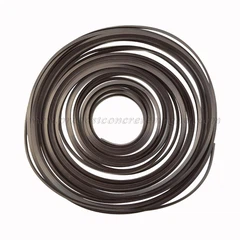
Formwork magnets are designed to embed powerful NdFeB magnets directly into the template. These magnets are positioned strategically to create a stable and efficient adhesion between the formwork and the steel bars. By maintaining a tight fit, formwork magnets ensure the precise formation of the concrete element.

Advantages of Formwork Magnets:
More efficient than traditional magnetic boxes.
Ideal for projects requiring high precision and stability.
3. Concrete Chamfers
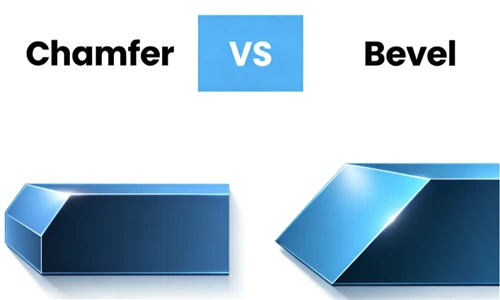
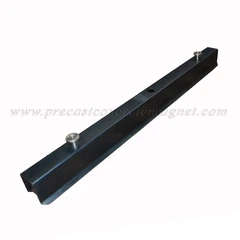
Magnetic chamfers are used to form beveled edges, notches, and false seams in concrete elements. These magnets are typically used to secure steel formwork surfaces, ensuring clean and sharp edges for concrete panels. Chamfer magnets prevent concrete from overflowing and ensure a clean finish, adding to the overall quality and aesthetic of the construction project.

Applications of Concrete Chamfers:
Securing steel formwork surfaces for precise edge formation.
Preventing concrete overflow during the pouring process.
4. Insert Magnet Pipe Fixed Magnet
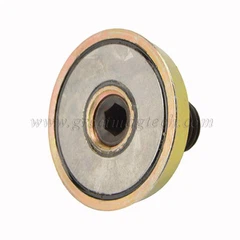
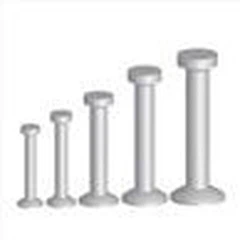
Insert magnets are used in situations where it is necessary to create grooves or holes within the concrete components, such as for wiring and plumbing. These magnets are designed to securely hold the frame or reserved tube in place, ensuring that the necessary voids are accurately formed during the casting process.

Benefits of Insert Magnet Pipe Fixed Magnets:
Useful for creating reserved spaces for pipes or wires in concrete elements.
Helps ensure that voids are formed with precision.
Key Advantages of Precast Concrete Magnets
Precast concrete magnets offer numerous advantages that make them a valuable component in construction projects. Here are some of the key benefits of using these magnets:
1. Improved Construction Efficiency
Precast concrete magnets help streamline the entire construction process, from casting to curing. By securely holding formwork in place, they reduce the time spent on manual adjustments, improve accuracy, and increase the overall speed of the project. As a result, construction timelines are shortened, leading to more efficient project delivery.
2. Cost-Efficiency Through Reusability
Precast concrete magnets are designed for long-term use, making them a cost-effective investment for construction companies. Their durability and ability to withstand the harsh conditions of the concrete pouring process mean that they can be used repeatedly across different projects, reducing the need for constant replacements.
3. Improved Quality and Precision
The precision offered by precast concrete magnets ensures that each element is formed to the exact specifications required. By maintaining the correct alignment and preventing movement, these magnets help produce concrete elements with consistent quality and structural integrity.
4. Labor Savings
With the use of precast concrete magnets, the need for additional manual labor is significantly reduced. Workers no longer need to hold formwork in place, which reduces labor costs and minimizes the risk of errors due to human intervention. This can be particularly valuable in large-scale projects where labor costs are a significant factor.
Applications of Precast Concrete Magnets in Various Construction Projects
Precast concrete magnets play a crucial role in a variety of construction applications by providing precision, stability, and efficiency in the production of concrete elements. Below, we explore the key ways in which these magnets are used across different sectors of construction.
Precast Wall Construction
Shuttering magnets are commonly used to secure formwork during the casting of precast walls. These magnets ensure that the formwork remains aligned during the pouring and curing of concrete, preventing any misalignment that could affect the quality and integrity of the walls. This is especially useful in large-scale projects, such as multi-story buildings and commercial complexes, where speed and accuracy are critical.
Precast Column Construction
In the production of precast columns, formwork magnets are employed to maintain the alignment of both the formwork and reinforcement bars. These magnets ensure that the columns remain structurally sound by preventing any movement during the casting process. Their use helps speed up production, making them essential in projects with a high volume of columns, such as high-rise buildings and infrastructure projects.
Precast Beam and Slab Production
Precast concrete magnets are also used in the production of beams and slabs, which serve as the foundation for most buildings and infrastructure projects. These magnets secure the formwork in place, ensuring precise alignment of reinforcement bars during the casting process. This reduces the time needed for manual adjustments, leading to faster and more accurate production, particularly in large-scale construction like parking garages or commercial buildings.
Precast Concrete Foundations
In foundation construction, magnets are used to position formwork for various structural elements, such as walls and columns. They ensure that the formwork remains aligned during the pouring of concrete, providing stability and strength to the foundation. This is essential for large foundations in projects such as commercial complexes and industrial buildings, where precision and speed are crucial.
Architectural Precast Elements
Precast concrete magnets are also widely used in producing architectural elements, such as decorative wall panels and facades. The magnets help secure formwork with intricate shapes and designs, ensuring that the concrete elements meet design specifications. This is particularly important in high-end residential or commercial projects, where the appearance and precision of the architectural elements are key.
Infrastructure Projects
For large-scale infrastructure projects, such as bridges and tunnels, precast concrete magnets secure formwork for casting large, heavy concrete elements. Their precision ensures the structural integrity of components like bridge beams and tunnel segments, which must meet high safety and performance standards. The use of magnets improves production speed and ensures that each element is correctly aligned and ready for assembly.
Specialty Projects
Precast concrete magnets are also essential in specialty projects requiring custom-shaped or uniquely designed concrete elements. Whether for public art installations or unique architectural designs, these magnets provide the precision needed to produce complex shapes and structures. They ensure the accurate replication of design specifications, contributing to the success of projects with specific, non-standard requirements.
Conclusion
Precast concrete magnets are an essential component of modern construction, helping to enhance efficiency, precision, and cost-effectiveness. From shuttering magnets to insert magnets, each type offers distinct advantages that contribute to the successful completion of construction projects.
Whether you're working on residential, commercial, or industrial buildings, incorporating precast concrete magnets into your process can significantly improve productivity, reduce labor costs, and ensure the highest level of structural integrity.