




Precast concrete is a foundational block of modern construction. It provides unmatched durability, flexibility, and efficiency. Widely used in projects ranging from large-scale infrastructure to aesthetically driven architectural designs, precast concrete offers precision and consistency. However, the structural integrity and longevity of these components rely heavily on proper fixing methods during installation.
Fixing precast concrete units is a meticulous process that requires thoughtful planning, skilled execution, and the right materials. Any oversight can compromise the stability and safety of the structure, leading to costly repairs or structural failures.
In this blog, we will discuss the significance of fixing precast concrete units and ways to do it.
Why Fixing Precast Concrete Units Is Critical
Fixing refers to the method of securely attaching precast concrete elements to a structure or substrate, ensuring they remain stable under various loads and environmental conditions. Whether used as load-bearing beams, cladding panels, or decorative facades, precast units require robust fixing methods to maintain their functionality and aesthetics.
The implications of improper fixing are far-reaching. Poor alignment can lead to gaps or uneven surfaces, detracting from the structure's visual appeal. Structural inadequacies may result in instability, especially in projects exposed to heavy loads, wind forces, or seismic activity. Using the right fixing techniques is critical to mitigate these risks and ensure a high-performing structure.
Common Fixing Methods and Systems
Fixing precast concrete units involves various methods tailored to the project's requirements, structural demands, and environmental conditions. Selecting the right system ensures durability, precision, and long-term performance. Alongside fixing systems, on-site repairs may also be necessary to address unforeseen issues. Below, we cover key fixing methods and common repair solutions for precast concrete.

Mechanical Fixings
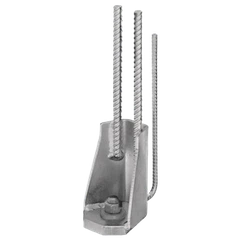
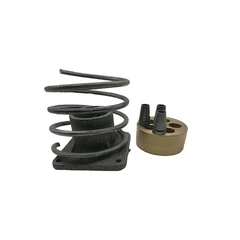
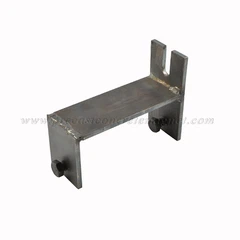
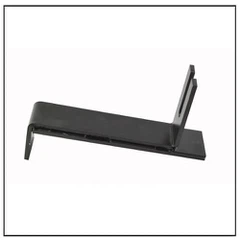
Mechanical fixings rely on components such as brackets, bolts, and plates to secure precast units. Their strength, reliability, and adaptability make them a preferred choice for load-bearing applications and structural integrity. Mechanical systems can handle heavy loads, ensuring robust connections in critical elements like beams and columns.
We offer corrosion-resistant mechanical fixing solutions, including adjustable brackets that facilitate precise alignment and high-strength bolts designed for maximum load capacity.
Chemical Anchors
Chemical anchors provide a flexible solution by bonding precast units to substrates using high-performance adhesives. Ideal for applications requiring precision, such as irregular surfaces or tight spaces, chemical anchors ensure strong and lasting connections.
Our chemical anchor products are formulated to withstand challenging environments, offering exceptional bonding strength and compatibility with diverse materials.
Embedded Inserts
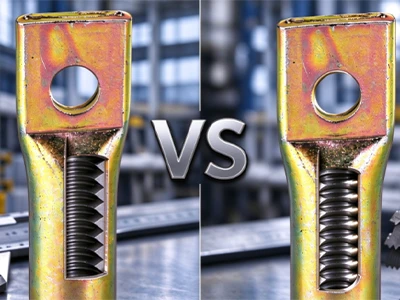
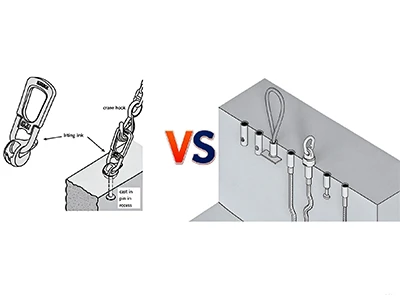
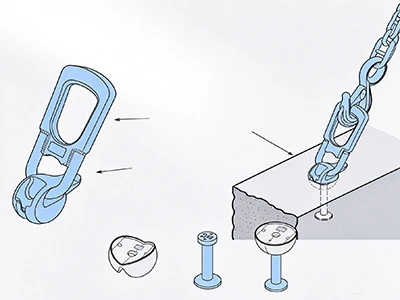
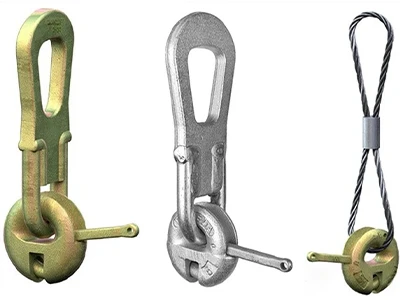
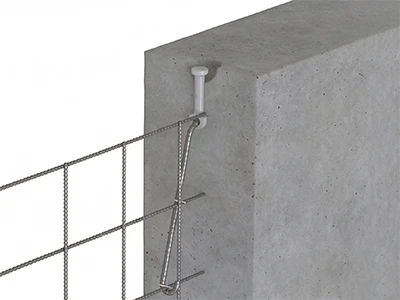
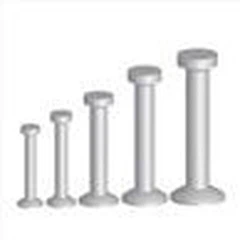
Embedded inserts are cast into precast units during manufacturing, creating ready-made attachment points. This method improves efficiency and accuracy on-site by reducing installation labor. Common types include lifting anchors, threaded inserts, and embedded plates.
We customize embedded insert solutions to meet unique project specifications, ensuring consistent performance across various applications.
Post-Fixed Solutions
Post-fixed systems allow retrofitting or adjustments after precast units are installed. These systems provide flexibility for repairs, modifications, or updates to existing structures.
Our post-fixed solutions offer reliable adaptability, ensuring seamless integration with existing designs while maintaining structural integrity.
Precast Concrete Repair
Precast concrete components occasionally require on-site repairs to meet original design and material standards. Repair methods vary based on the type and extent of damage. Below are the most common techniques:
Patching
Patching involves replacing damaged or deteriorated concrete with a suitable cementitious material. This method may serve two purposes:
Structural Repairs: Patches designed to restore load-bearing capacity.
Cosmetic Repairs: Patches aimed at improving the visual appearance of the precast unit.

Proper surface preparation, including cleaning and roughening, is essential to ensure the patch adheres securely and matches the surrounding material.
Crack Repair
Not all cracks in precast concrete require intervention, but significant ones may compromise the structural integrity or aesthetics of the component. A common solution for repairing cracks is the use of low-viscosity epoxy. This material can be applied through:
Gravity Flow: Allowing the epoxy to penetrate the crack naturally.
Pressure Injection: Forcing the epoxy into the crack under pressure for deeper penetration.
Cracks must be thoroughly cleaned to remove debris or contaminants before epoxy application to ensure a durable repair.
Connection Repair
Damaged or misplaced connections, missing embedments, or other issues may necessitate connection repairs. These repairs require careful planning and often involve structural calculations to ensure the modified connection meets performance requirements.
Possible solutions include:
Increasing Connection Dimensions: Enhancing the size of connection materials to accommodate additional load or restore stability.
Installing New Connections: Adding new connections in proximity to the original ones for reinforcement.
Adding Stiffeners: Reinforcing existing connections with additional stiffening materials to improve load transfer.
Choosing the appropriate repair method depends on the extent of damage, the connection's role, and site-specific conditions.
Fixing Specific Precast Concrete Products
Precast concrete products are widely used in construction due to their durability and efficiency. However, like all materials, they can experience wear and damage over time, requiring repairs. Whether it's a precast beam, slab, column, or any other element, each type of precast concrete product has its repair considerations and techniques. Here's a detailed guide on how to address common issues with various precast concrete products.
Fixing Precast Concrete Beams
Precast concrete beams are critical structural elements used to support loads in buildings, bridges, and other structures. If they become damaged, it's essential to repair them promptly to maintain the integrity of the entire structure.
Common Issues
- Cracks from stress or settlement
- Surface wear due to environmental exposure
- Misaligned or damaged connections
Repair Process
Crack Repair:
For minor cracks in the beam, clean the area thoroughly using wire brushes and sandpaper. Fill the cracks with low-viscosity epoxy or polyurethane resin. These materials bond well with the concrete and help restore structural strength. If the cracks are large or load-bearing, consult a structural engineer to assess whether additional support is necessary.
Surface Repair:
If the beam has surface wear or superficial damage, use a concrete patching compound to restore the finish. After cleaning and prepping the surface, apply the patching material and smooth it to blend with the rest of the beam. For larger areas of damage, you may need to replace sections of the beam.
Misaligned Connections:
If the connections between beams or other structural elements are misaligned, they may need to be adjusted or replaced. Structural calculations will be required to ensure the new alignment can handle the loads. A common fix involves installing new connectors or adding stiffeners to the misaligned areas.
Fixing Precast Concrete Slabs
Precast concrete slabs are often used on floors, roofs, and walls. They can develop issues over time due to load stress, environmental factors, or poor installation.
Common Issues
- Cracks from heavy loads or settlement
- Surface erosion
- Water infiltration
Repair Process
Crack Repair:
For cracks that appear on slabs, especially in high-stress areas, use epoxy or polyurethane injection to fill the cracks. Clean the crack thoroughly before injecting the resin. Larger cracks may require a patching compound applied directly over the crack and smoothed with a trowel.
Surface Erosion:
Erosion often occurs in slabs exposed to harsh weather or chemicals. To repair eroded slabs, use a concrete resurfacer that is applied to the surface and smoothed out. This material bonds to the existing concrete, creating a new surface that restores the slab's functionality and appearance.
Water Infiltration:
Water infiltration is a common issue in precast slabs, especially those used outdoors or in wet environments. To address this, you should apply a water-resistant sealant to the surface after repairing cracks or surface erosion. Silane- or siloxane-based sealers are ideal for this purpose, as they provide a waterproof barrier.
Fixing Precast Concrete Columns
Precast concrete columns are used to bear the weight of structures. If a column becomes damaged or weakened, it can compromise the entire building's stability. Identifying and repairing column damage as soon as possible is essential.
Common Issues
- Cracks from overload or settlement
- Surface damage from environmental factors
- Structural misalignment or shift
Repair Process
Crack Repair:
Like beams, cracks in columns can be repaired with epoxy resin or a cementitious patching compound, depending on the size and location of the crack. If the crack affects the load-bearing capacity of the column, it is advisable to consult with a structural engineer before proceeding with the repair. The repair may include installing external reinforcements, such as carbon fiber wraps, to restore the column's strength.
Surface Damage:
Surface damage in columns, whether from weathering or impact, can be addressed with concrete resurfacing. For aesthetic repairs, you can use a decorative finish that matches the column's original look. Always ensure that the underlying concrete is properly cleaned and prepped before applying resurfacing materials.
Misalignment:
If a column shifts or becomes misaligned, additional support may be required. This can include adding support braces or even replacing the entire column if it is too damaged. Misaligned columns may require detailed engineering calculations to determine the best course of action to avoid compromising the structure's safety.
Fixing Precast Concrete Stairs
Precast concrete stairs are popular due to their strength and versatility, but they can suffer from wear or damage over time. Cracks, chips, and surface degradation are common problems in staircases.

Common Issues:
- Cracks due to settlement or heavy foot traffic
- Chips from impact or accidental damage
- Surface wear from environmental exposure
Repair Process
Crack and Chip Repair:
For cracks or chips in the stairs, first clean the affected area by removing any loose debris. Use a concrete patching compound to fill the cracks and chips. Smooth the surface with a trowel and allow it to cure before using the stairs. For larger chips or holes, a repair kit designed for precast concrete may be needed, which typically includes fillers that match the concrete color.
Surface Wear:
If the stairs have experienced surface wear, use a concrete resurfacing compound to restore the finish. This material will bond to the existing concrete, creating a smooth, durable surface. After application, ensure that the surface is sealed to prevent further deterioration, especially if the stairs are exposed to weather or chemicals.
Fixing Precast Concrete Walls
Precast concrete walls are often used in both residential and commercial buildings. They are highly durable but may experience cracking, settling, or damage due to external forces. Repairing these walls is crucial to maintaining the building's structural integrity.
Common Issues
- Hairline cracks due to settling or expansion
- Larger cracks from structural stress
- Connection or joint issues
Repair Process
Hairline Crack Repair:
For hairline cracks, start by cleaning the area around the crack with a wire brush and sandpaper. Use a concrete crack filler or epoxy resin to fill the crack. Apply the material smoothly and allow it to cure for several hours before inspecting it for any additional cracks or imperfections.
Larger Crack and Joint Repair:
For more significant cracks, you may need to enlarge the crack slightly to ensure better adhesion for the repair material. Use a concrete patching compound or an epoxy resin designed for larger cracks. Once the crack is filled, smooth the surface and cure the material as directed.
Connection and Joint Issues:
If the problem lies in the connections between precast panels or the joints between walls, repair might involve replacing or reinforcing the connection materials. This could include using additional fasteners, applying a bonding agent, or even replacing damaged connections.
Key Considerations in Fixing Precast Concrete
Design and Purpose of Precast Units
Every precast concrete unit has a specific role in the overall structure, influencing its fixing requirements. Structural elements like columns and beams need fixings capable of bearing significant loads, while cladding panels prioritize aesthetic integration. Our tailored fixing solutions accommodate the diverse roles of precast elements in construction.
Site-Specific Challenges
Fixing methods must account for site conditions, including weather, terrain, and surrounding structures. For example, coastal projects face challenges like saltwater exposure, which can accelerate corrosion. Our products are engineered to endure harsh environmental conditions, ensuring lasting performance.
Material Compatibility
Precast concrete often interfaces with materials like steel, wood, or masonry. Ensuring compatibility between these materials and the fixing system is crucial to prevent issues like galvanic corrosion or weakened connections.
Precision and Alignment
Proper alignment is essential for both structural integrity and visual appeal. Misaligned units can compromise stability and disrupt the design flow. Adjustable fixing systems help ensure precise alignment during installation.
Load Distribution and Safety
Fixings must distribute loads evenly to prevent stress concentrations, which can lead to cracking or failure. Our products are designed to manage load distribution effectively, enhancing safety and durability.
Conclusion
While many of the above steps can be handled by a skilled homeowner or contractor, there are instances when professional help is necessary. If the damage to the precast wall is extensive or if you're unsure about the structural integrity of the wall after the repairs, it's critical to call in a professional. Structural concerns such as bowing, shifting, or large sections of damage require advanced expertise and materials to ensure that the wall is stable and safe.
By recognizing the signs of serious damage and understanding the correct repair techniques, you can effectively restore your precast concrete walls to their original condition and prevent further deterioration.
Remember, fixing precast concrete units is a crucial step in the construction process, directly impacting the safety, stability, and longevity of a project. By addressing challenges such as alignment, load distribution, and environmental factors, our advanced fixing solutions ensure optimal performance.