






Have you ever wondered how electricity from power plants reaches your home? Substations-they're like giant helpers that make sure electricity travels safely across cities and towns. Think of them as traffic controllers for power! Substations adjust voltage levels so electricity can move efficiently through power lines. Without them, lights would flicker, gadgets would break, and your favorite devices wouldn't work.
Today's substations aren't built slowly outdoors anymore. Instead, companies prefabricate them like assembling a Lego set in factories first. Workers put together big parts like transformers (voltage adjusters) and switchgear (safety switches) inside sturdy metal boxes. These ready-to-go substations are then delivered to neighborhoods, schools, or even wind farms! They're faster to install, cheaper, and safer than old-school substations.
I'll explain how these modern substations are designed, and built, and why they're the superheroes of our power grid.
What Are Substations and Why Do We Need Them?
Substations act as the stepping stones of our interconnected power grids, allowing electricity to travel from distant generating stations to neighborhoods hundreds of miles away. Inside these fenced-in facilities, transformers boost voltages to ultra-high levels (up to 765,000 volts!) for economical long-haul transmission along high-voltage lines crisscrossing states and regions. Voltages are then lowered at substations nested within communities to safer levels before finally entering homes and businesses.
Without substations adjusting voltages at strategic points, electricity would peter out after traveling just a few miles from power plants. The lower distribution voltages would lead to dangerously overheated lines and unreliable electricity downstream. Substations solve these issues to keep electricity flowing smoothly across vast distances.
Traditional vs. Prefabricated
Traditional substations require lengthy construction from the ground up using custom layouts and specialized equipment. Prefabricated substations are manufactured assembly-line style in controlled factory settings before transport to the installation site. This allows faster deployment, cost savings, reconfigurability, and a smaller land footprint.
Prefab designs enclose all the substation components within a protective steel housing. This sheltering guards against vandalism, storms, dirt, and animals compared to open-air traditional builds. Enhanced ventilation, insulation, lighting, and monitoring also improve reliability and lifespans. Utilities increasingly prefer prefabrication for its logistical savings and performance benefits in an era of rising energy needs.

Inside Prefabricated Substations: Key Components
A walkthrough within a prefabricated substation reveals a high-tech landscape of imposing transformers, switchgear, and monitoring systems tucked within the expansive yet cramped confines of a windowless building no larger than a school bus. Heat, noise, and the slight smell of oil permeate the air along with the ever-present hum of flowing electricity. This chapter uncovers the role of each critical component hidden behind the sealed metal doors.
The Transformer
The pulsating, almost-living transformer sits at the heart of every substation like a giant electrical organ. It adjusts the voltage of incoming electricity to the precise levels leaving along distribution lines. Without it, substations wouldn't exist. Custom-designed using wound copper wire, laminated cores, and insulating oil, it can weigh upwards of 40 tons for the largest types!
Transformers connect to the grid via junction points called bushings protruding from the top. While mostly self-contained, transformers use surrounding radiators, pumps, and cooling pipes to discharge heat from the constant voltage conversion process. Monitoring systems continually watch temperatures, oil conditions, and electrical properties to preempt any issues.
The Switchgear
Switchgear provides the "railway signals" within substations, controlling and redirecting electricity flows using circuit breakers, switches, fuses, and relays. The high voltage variety manages the incoming supply from distant power plants. Medium voltage switchgear then routes electricity to nearby cities, industrial zones, or rural cooperatives after lowering intensities further through additional transformers. Hardware redundancies and fail-safe mechanisms provide multiple layers of protection against worst-case overloads.
Like an electrical sentry guarding the gate, switchgear prevents catastrophe from spreading across connected grids in the rare event of internal faults. Some use vacuum or compressed gas to extinguish arcs, while others rely on conventional oil or air alongside protection relays. Regular maintenance checks ensure switchgear keeps performing safely decade after decade within the nonstop substation environment.
The Enclosure
The iconic building of each prefabricated substation is usually designed without windows and doors. This sealed structure is made of formed steel or concrete panels and lined with insulating materials. It can protect the internal equipment and prevent overheating through a controlled airflow ventilation system. The entrance is usually equipped with a closed-door maze, firewall or barrel lock to isolate the live parts inside to ensure safety. Some shells are also designed with seismic springs to reduce the impact of strong vibrations during earthquakes.

Prefabricated substation shells are of various types, mainly including:
Metal Shell
Steel plate Shell: galvanized steel plate or stainless steel, with high mechanical strength and corrosion resistance, suitable for various environments.
Aluminum Alloy shell: light and corrosion-resistant, often used in weight-sensitive scenes.
Concrete Shell
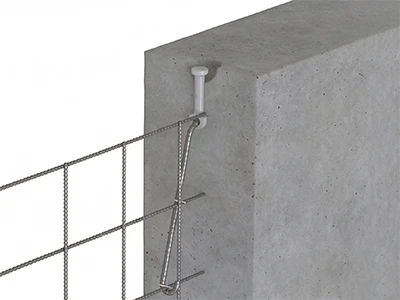
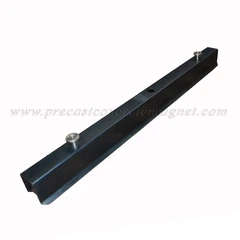
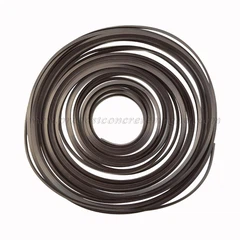
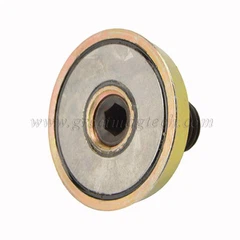
Precast concrete shells are often used in areas with high environmental requirements due to their excellent fireproofing and soundproofing properties. Our product, the shuttering magnet, an innovative tool for producing precast concrete wall panels, can provide an efficient and precise solution for the shell manufacturing of precast substations.

Reinforced Concrete Shell: high strength and good durability, suitable for harsh environments.
Composite Shell
Fiberglass Shell: light, corrosion-resistant, good insulation performance, suitable for corrosive environments such as chemical industry.
SMC (Sheet Molding Compound) Housing: high strength, corrosion resistance, excellent insulation performance, often used outdoors.
Regardless of the type of housing, prefabricated substations are equipped with reliable lighting, backup power, and circuit feed systems to ensure uninterrupted remote control during storms or accidents. Critical environmental data is transmitted to operators in real-time so that timely measures can be taken when the danger approaches the limit. In addition, buried ground rods provide a safe channel for leakage current and lightning strikes, ensuring that the current is safely introduced into the ground to avoid endangering personnel or equipment.
The housing design of each prefabricated substation has been carefully engineered to extend the life of the key equipment inside while ensuring safe and reliable
Operation Auxiliary Systems
While transformers and switchgear constitute a functioning substation, auxiliary subsystems grant advanced abilities like computers in a car. Bolted throughout are sensing modules monitoring voltage, loads, and equipment health. Internet-connected controls enable remote supervision by distant command centers. Warning lights, alarms, fire suppression, uninterruptible batteries, and emergency vents activate automatically during unusual conditions while backup generators prolong operation.
Additional components help filter electrical noise, regulate power quality, and sequence restart processes to avoid overwhelming the external grid. Like a space capsule, the autonomous environment directs electricity transmission gracefully across vast territories - no matter the weather or chaos brewing outside. Together they enable round-the-clock reliability and situational awareness unmatched by traditional substation designs.
Manufacturing Process and Quality Control
Far from the quiet landscapes they occupy, prefabricated substations spring to life within bustling factories pulsing with industrial machinery before being transported piecemeal to their final resting sites. This chapter illuminates the sequential testing and standardization allowing rapid assembly-line construction.
Custom Design Engineering
Each substation commission starts with an exhaustive electrical load analysis of the grids it will interconnect. Power needs today and decades ahead determine transformer sizes, supplemented by programmed redundancies. Equipment arrangements tailored for voltage levels optimize space while permitting safe working access later on. Needed switch types also enter consideration, whether vacuum, gas, or traditional oil circuit breakers.
Components meet universal standards like IEC 61850 or IEEE C17.1 for broad compatibility. Inputs feed 3D modeling software generating construction blueprints hashed over by teams of validators. Just like planning a house, the specs leave nothing to chance before manufacturing commences.
Standardized Fabrication
With the designs solidified, fabricators mobilize the mass-production process within climate-controlled factories free from weather delays hampering traditional site construction. Concrete rebar or custom rolled steel shapes the protective outer housing reinforced internally with fireproof insulation. Louvered panels allow monitored airflow and entryways adhere to mandated electrical codes.
Ordered components arrive from dedicated suppliers fully pretested to the design load requirements. Workers methodically install the prefab "Lego" pieces - transformers, switchgear frames, monitoring modules - into position for unification into a consolidated structure. Continual supervisory inspections validate quality adherence during each intermediary step before full assembly wraps.
Simulation Testing
The finished prefab substation then enters exhaustive testing chambers simulating years of peak operating abuse in just weeks. Insulation integrity checked via voltage soaking reveals microscopic flaws possibly seeds for failure if undetected. Thermal cycling bakes units from -40 to 165 degrees Fahrenheit mirroring seasonal field extremes to counter thermal expansion stresses over lifelong operation. Short circuit and load tests confirm full-power durability during regional blackout conditions when substations route supplies well beyond intended capacity.
Noise measurements validate cooling systems won't bother eventual neighbors despite pushing components to the brink. Compliance authorities observe directly onsite or remotely via data links before issuing final safety certifications with legal liability riding upon their approval. Only then after this extreme vetting will a substation ship for quick turnkey installation, bypassing the lengthy field inspections or rework plaguing traditional builds.
Types and Applications
Prefabricated substations chiefly emerge in two standard yet customizable configurations suiting unique application needs:

Pad-Mounted Substations
Iconic bulbous grey boxes seen along sidewalks convert high voltage electricity to 120/240V for surrounding homes or offices. Their compact, self-contained designs integrate the transformer tank and high-voltage switchgear into one shared mineral oil bath for extra insulation. This condensed arrangement surpasses traditional pole mounts in capacity, safety, and storm resilience but requires less space than modular builds.
Pad mounts suit urban nourishing where their small footprint fits roadside underground vaults, parking lots, or other cramped plots of accessible land. Optional sensors link statuses to remote operators, outperforming neglected rural versions. While lacking customization, pad mounts economically electrify metropolitan and suburban densities otherwise impossible decades ago.
Modular / Compact Substations
These larger prefabricated complexes allow intricate flexibility suiting industrial zones, hospitals, data centers, renewable generation, and other locations needing high reliability, unique voltage specifications, or planned growth. Separated compartments physically isolate the transformer, switchgear, monitoring systems, and low-voltage distribution panels across one or multiple enclosures.
Such compartmentalization contains failures while permitting customized layouts integrating special grounding, fireproofing, or noise reduction tailored per application. Modularity also sanctions resizing by swapping transformer units or adding additional feeder sections to meet evolving consumption needs. Spare conduit pathways further ease onsite expansion. This wildcard adaptability explains their prevalence for off-grid wind/solar farms and large facilities. When failure is unacceptable, modular flexibility shines.
Mobile Substations
During disasters or grid upgrades, mobile trailer-mounted substations swiftly restore service by plugging into existing transmission lines like an oversized portable generator. These truck towable units ranging from 500kVA to 1MVA output capacity contain self-sufficient transformers, switchgear, monitoring systems, and backup power fueled by diesel generators or propane. Bolt-in wheelsets convert compact modular designs into specialized Disaster Recovery Vehicles dispatched on demand.
GPS and status telemetry allow remote monitoring from emergency command centers that can dispatch units closest to outage zones. Upon arriving, crews stake guy wires and interlock safety systems before energizing isolated manual tie breakers and islanding the mobile unit. Skid-mounted radiators cool transformers working harder than normal during devastation recovery. Temporary distribution is then established locally. As grid rebuilding is completed over months, the mobile substations eventually be removed to assist other emergency zones or resume storage duties.
Installing and Maintaining Prefabricated Substations
Delivering and assembling a fully outfitted prefab substation demands rigorous coordination culminating months of planning. Specialized equipment, trained crews, oversight authorities, and failsafe procedures unite to uphold grid reliability from day one of operation.
Delivery Logistics
Escorted by pilot vehicles, trucks hauling oversized substation components traverse cautious routes planned weeks in advance. Power lines lift away from roadways by crane to permit rolling passage underneath. Streets may close overnight across small towns to accommodate extra-wide crawler transports typically used. Upon arriving, final positioning occurs inch-by-inch guided by hand signals and radio contact before lowering onto the leveled mounting foundation.
Onsite Assembly
Anchor bolts next secure enclosure shells to concrete pads thicker than sidewalks to prevent settling shifts over decades. Detectable warning tape and protective barriers establish the hazmat workspace perimeter preventing unauthorized or accidental entry of energized equipment. Grounding crews drive copper rods securing system neutral lines deep into the earth for shunting wayward currents, backed by verification testing.
Power cable splicers seal terminals between station buswork and exterior transmission feeds using live-line equipment able to operate safely while energized. Commissioning teams then power up systems sequentially while monitoring for problems before formally taking over control from installation personnel.
Testing and Inspection
Shortly after cutover, thermography crews scan buzzing transformer tanks and connections for any emerging hot spots hinting at loose wiring arson during shipping. Voltage loggers start compiling baseline data for each critical node to characterize normal patterns. Oil from transformers gets sampled for protein, gas, or dielectric anomalies percolating slowly within.
The inspection checklist verifies physical clearances, wiring, security measures, and grounding present per regulations. Communication links confirm proper functionality allowing both manual and automated interactions plus alarms. Updates migrate across the enterprise information system. Long-term diagnostics initiation keeps the substation humming smoothly for decades to come.
Maintenance Best Practices
While designed for minimal oversight, substations perform best with periodic maintenance lowering lifetime costs. Quarterly inspections clean components from oily grime accumulation while checking for leaks, corrosion, and wildlife intrusion through broken perimeter walls needing resealing. Yearly thermographic scans catch loose hot connections before causing an outage.
Overhauls every 2-5 years update consumables - gaskets, filters, seals, cooling fluids. Component-specific guidelines target transformers, batteries, and switchgear. Live-line examination techniques further reduce downtime when upgrades become necessary. With equipment lifespans ranging decades, proper care of these grid backbone assets remains essential even almost everything prefabricated for turnkey reliability.
Advantages and Challenges
Prefabricated substations deliver substantial benefits over traditional bespoke construction methods but also carry unique potential drawbacks explored within this chapter.
Speed and Cost
Accelerated manufacturing compared to stick-built onsite assembly slashes deployment lead times by weeks or months. Constructing inside standardized factories outpaces weather delays with mass production further reducing logistic expenses by over 15%. These compounded savings help upgrade infrastructure at lower consumer costs or free up capital for other critical projects. Rapid installation also promotes flexible grid expansion keeping up with community growth.
Reliability and Testing
Prefabricated designs undergo exhaustive testing well beyond field acceptance norms to validate robustness. Components like transformers may operate 15 years before needing replacement, by which time upgrades are imminent. Such longevity lowers lifetime operational costs compared to marginally approved equipment needing premature replacement. Enclosed insulation also betters withstands moisture, wildlife, and temperature swings improving grid resilience.
Inflexibility and Size Limits
The standardized blueprints behind prefabs cannot satisfy every custom need without modifications. Smaller transformers limit capacity expansion in urban spaces lacking acreage for full-build replacements. Major component swaps may require costly retesting and certification not viable for aging legacy units. Integrating novel technologies also lags until prefab designs are updated. These barriers incentivize over speccing futureproof needs despite the added near-term cost. Alternatively, hybrid prefab stations allow economical tailoring.
Environmental and Aesthetics
Lacking ornamental customization, cookie-cutter prefabs stand out from neighborhood décor. Their industrial look clashes amid downtown storefronts or suburban homes even when trimmed in muted colors. Ventilation noise annoys nearby residents accustomed to the mostly silent traditional builds. Stakeholder objections may compel additional environmental concessions before permitting.
By understanding their tradeoffs, grids strategically incorporate prefabrication solving priority issues like reliability, safety, and speed for most applications rather than every unique scenario. For vital links undeserving any compromise, custom builds still thrive where supported by resources and diligent maintenance. The two complementary approaches together weave a robust network relaying power countrywide.

Conclusion
Rising electricity needs across increasingly connected societies place unprecedented strain on aging grids ill-equipped to handle growing loads. Prefabricated substations allow rapid, economical modernization atop these lifeline networks thanks to standardized manufacturing delivering better performing, quicker deploying, safer guarded facilities beyond the pace and budgetary limits of traditional custom construction.
Their enclosed weather-resistant designs better the reliability and lifespans of vulnerable open-air legacy builds when adequately maintained. By keeping lifeline grid infrastructure running amid ever-growing demand, prefabricated substation solutions remain instrumental in sustaining the progressive innovation and technology defining this century.