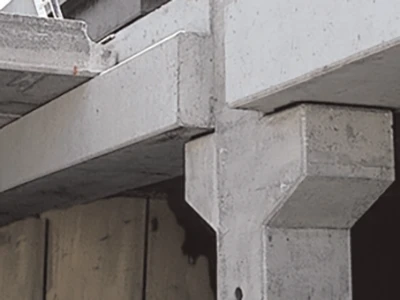






 The popularity of precast concrete and prefabricated structures has increased dramatically in recent years in the construction sector. These new construction processes have altered the way buildings are designed, built, and assembled, providing significant advantages over traditional on-site construction.
One of the primary aspects driving the rising trend of precast concrete and prefabricated structures is the speed and efficiency they offer to the construction process. Precast concrete elements are manufactured off-site in controlled factory environments, allowing for concurrent site preparation and assembly.
This significantly reduces construction time and accelerates project completion, offering cost savings and faster return on investment. Prefabricated buildings, which are constructed using pre-designed modules that are manufactured in factories, also offer similar time and cost benefits.
Moreover, precast concrete and prefabricated buildings offer superior quality and consistency. By utilizing factory-controlled production processes, these construction methods ensure precise manufacturing, resulting in high-quality components and structures. This kind of quality control is sometimes impossible to attain with traditional on-site building, which is vulnerable to weather and other factors.
Another key advantage of precast concrete and prefabricated structures is their sustainability and environmental friendliness. The regulated production process lowers material waste, and the use of recycled and locally produced components further decreases environmental effects.
Furthermore, these construction technologies provide energy efficiency benefits such as enhanced insulation and decreased air leakage, resulting in lower operational expenses for building owners.
Another reason for their appeal is the adaptability of precast concrete and prefabricated structures. These techniques may be used to a wide range of construction projects, from residential and commercial structures to infrastructure and industrial facilities. The modular structure of prefabricated buildings provides for design and modification flexibility, allowing architects and developers to construct distinctive and practical places.
How Much Does a Prefabricated Building Cost:
The cost of a prefabricated structure varies depending on its size, design, components, environment, and other characteristics. Prefabricated buildings might be basic blocks that can be assembled or more intricate and specialized constructions.
Here are some important pricing factors for prefabricated buildings:
Basic Modular Structures:
Basic modular structures, such as simple box-like designs, tend to cost less than more intricate or customized buildings. These buildings frequently fulfill utilitarian functions and may not need substantial design work or extra features. Modular building costs range from $50 to $150 per square foot. What you need and where you determine the actual price.
Customized Designs:
If you desire a more unusual or bespoke prefabricated structure, the cost will be more. Customization can include architectural features, specialized finishes, unique layouts, and additional design elements. Depending on the intricacy and amount of personalization, the cost of customized designs can range from $150 to $400 per square foot or more.
Size and Scale:
The whole size and scale of the prefabricated building determine the cost. Larger constructions frequently need more materials, labor, and technical talent, raising the overall cost-the number of storeys and the structure's height impact pricing.
Materials and Finishes:
The materials and finishes utilized in building the prefabricated structure will also affect the cost. Superior materials, such as sustainable or energy-efficient alternatives, may raise total costs but bring long-term benefits in terms of durability and energy savings.
Site Preparation and Foundation:
Site preparation and foundation work are necessary components of every construction project, including prefabricated structures. The cost of site preparation, including excavation, utilities, and foundation installation, should be factored into the overall budget.
Additional Features and Utilities:
Additional amenities such as HVAC, plumbing, electrical, insulation, and interior finishes will increase the cost. Several issues should be addressed when analyzing the overall costs for a prefabricated structure.
It's crucial to remember that the costs shown below are only estimates and might vary greatly depending on unique project needs and geographical considerations. It is best to talk with prefabricated building manufacturers or contractors who can offer thorough quotations based on your unique demands to receive an exact cost estimate for a specific prefabricated building project.
Prefabricated Buildings Precast Currently Existing
Several prefabricated constructions employ precast construction techniques all throughout the world. Here are a few significant examples:
One World Trade Center - New York City, USA:
One World Trade Center is made of precast concrete panels, which are a well-known symbol of tenacity and hope. The precast panels were made off-site and then erected on-site, enabling efficient construction while maintaining the highest quality requirements.

World Trade Center
Burj Khalifa - Dubai, United Arab Emirates
The world's tallest tower, the Burj Khalifa, was built with precast concrete components. Precast features including columns, walls, and floor slabs were built off-site and brought to the job site for assembly. This strategy allowed for faster construction while simultaneously guaranteeing the structural integrity of the structure.

Burj Khalifa
Marina Bay Sands - Singapore:
Marina Bay Sands, an iconic integrated resort in Singapore, features precast concrete elements in its construction. The precast components were used for the complex's hotel towers, convention center, and other structures. Precast concrete technology played a crucial role in achieving this landmark project's complex design and accelerated construction schedule.

Marina Bay Sands
Petronas Towers - Kuala Lumpur, Malaysia:
The Petronas Towers, previously the world's highest structures, were built with precast concrete parts. The precast components were used for the structural elements, including columns, beams, and cladding panels. This approach allowed for efficient construction and precise detailing of the intricate facades.

Petronas Towers
The Shard - London, United Kingdom:
The Shard, an iconic skyscraper in London, utilized precast concrete panels for its exterior cladding. The precast panels were manufactured off-site and installed on the building's steel frame, contributing to the efficient construction of this remarkable architectural landmark.

The Shard in London
These examples demonstrate how precast concrete technology has been effectively employed to construct a variety of structures, including high-rise skyscrapers, resorts, and commercial complexes.
Precast building materials include benefits, including better quality control, quicker construction times, and higher efficiency. It demonstrates the efficacy and diversity of precast construction in the creation of extraordinary and long-lasting structures.
Are Precast Prefabricated Buildings Durable?
Yes, precast prefabricated buildings are known for their durability. Numerous advantages of precast construction contribute to these structures' overall toughness and long-term effectiveness. Precast structures are thought to last for the following reasons, among others:
High-Quality Materials:
Precast components are frequently built of strong, durable materials like steel or reinforced concrete. These materials have excellent structural integrity and are resistant to environmental dangers like fire, severe weather, and earthquakes.
Controlled Manufacturing Process:
Precast components are manufactured in controlled factory environments, allowing for precise quality control measures. The manufacturing process guarantees that the components are created under ideal circumstances, resulting in constant quality, homogeneity, and dependability.
Robust Construction:
Precast components are designed to be robust and capable of withstanding various loads and forces. They are designed to satisfy specific design specifications and are evaluated for strength, durability, and resistance to various loads. This ensures that the precast components can withstand the demands of the building throughout its lifespan.
Resistance to Environmental Factors:
Precast materials, such as concrete, have inherent durability and resistance to deterioration caused by factors like moisture, UV radiation, and chemical exposure. Additionally, precast components can be further enhanced with protective coatings or treatments to enhance their durability and longevity.
Quality Assurance:
The controlled manufacturing process of precast components allows for rigorous quality assurance measures. Each component is thoroughly examined and tested before being sent to the construction site to guarantee that only high-quality, defect-free parts are used in the building assembly.
Design Flexibility:
Precast construction provides more flexible design alternatives, such as the insertion of reinforcement, extra materials, or specific features that improve building endurance. Structural elements can be designed to meet specific load requirements, ensuring the building's resilience over time.
Maintenance and Repairs:
Precast components are designed for easy maintenance and repairs. In case of any localized damage or deterioration, individual precast elements can be replaced or repaired without affecting the overall structure, resulting in cost-effective maintenance and minimized disruption.
It's worth noting that good design, construction processes, and adherence to industry regulations and rules also determine the endurance of a precast prefabricated structure. Engaging experienced professionals and following recommended maintenance practices can further ensure the long-term durability of precast buildings.
What are Prefabricated Buildings?
Prefabricated buildings, prefab or modular construction, are revolutionizing the construction industry. These buildings are constructed in a controlled setting off-site, then transported and assembled there. Prefabricated structures have various advantages, including shorter construction timeframes, financial savings, and lower environmental impact.
These buildings may now be modified to fulfill unique architectural specifications and utilized for a variety of things, including residential dwellings, business buildings, educational institutions, and healthcare facilities. Prefabricated structures are an example of modern construction's creativity, effectiveness, and sustainability.
The Difference Between Prefabricated Buildings and Precast
Prefabricated buildings and precast structures are popular construction methods offering efficiency and cost savings. However, they differ in key aspects. Prefabricated buildings are constructed off-site in modules or panels, then transported and assembled on-site.
They provide flexibility and customization options. On the other hand, precast structures involve casting concrete components off-sites, such as walls or columns, and then assembling them on-site. Precast offers excellent durability and faster construction times. While both methods streamline construction, their variances lie in the assembly and fabrication off-site level.
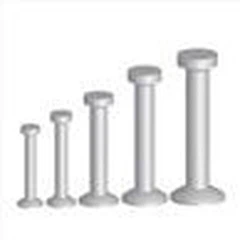
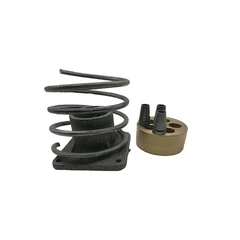
The precast concrete industry has witnessed significant advancements in recent years, driven by the development of innovative products that enhance construction efficiency, speed, and safety. This article explores five groundbreaking products that have transformed the precast concrete sector: Formwork Magnet, Chamfer Strip for Concrete Structures, Lifting Clutch, Erection Anchors, and Magnetic Urethane Chamfer.
Formwork Magnet
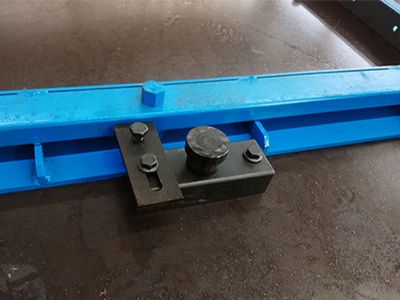
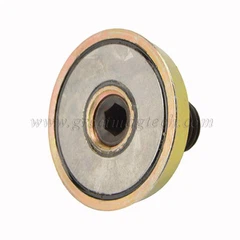
Formwork magnets have revolutionized the way concrete structures are assembled. These powerful magnets are embedded into formwork panels to securely hold them in place during concrete pouring. By eliminating the need for traditional fixing methods such as screws or nails, formwork magnets simplify the construction process, reduce labor costs, and significantly enhance productivity.
Formwork magnets offer several advantages over conventional methods. They provide a quick and effortless way to align and attach formwork panels, enabling precise positioning and ensuring consistent concrete quality. These magnets are reusable, durable, and have a high load-bearing capacity, making them ideal for large-scale construction projects.

Concrete Chamfer
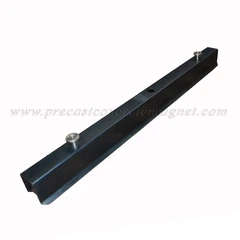
Concrete chamfer play a crucial role in achieving neat and aesthetically pleasing concrete edges. Traditionally, wooden or PVC chamfer strips were used, which were time-consuming to install and often required additional finishing work. However, the advent of chamfer strips made from durable materials such as plastic or rubber with integrated magnets has revolutionized the process.
Magnetic chamfer strips simplify the installation process, thanks to their embedded magnets, which securely hold them in place during concrete pouring. These strips create precise chamfered edges, eliminating the need for manual finishing, and provide a consistent and uniform appearance. They are reusable and offer excellent resistance to wear and tear, making them cost-effective and sustainable.

Lifting Clutch
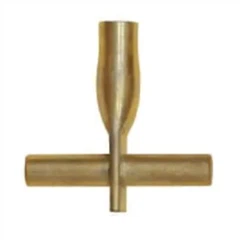
Lifting clutches are vital tools in the precast concrete industry for the safe and efficient handling of heavy concrete elements. Designed to securely grip precast components, lifting clutches provide a reliable means of lifting, transporting, and positioning various concrete structures, such as walls, beams, and slabs.
Lifting clutches are available in different load capacities to accommodate various project requirements. The introduction of advanced lifting clutches, such as the 2.5-ton and 5-ton variants, has significantly improved the lifting process. These clutches feature robust construction, enhanced gripping mechanisms, and improved load distribution, ensuring safe and reliable lifting operations.

Erection Anchors
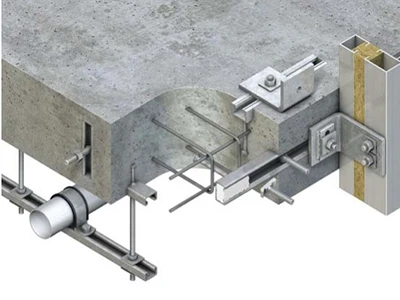
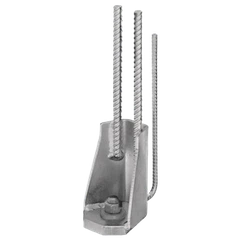
Erection anchors are essential components in precast concrete construction, enabling the connection of precast elements to form a secure and stable structure. These anchors are embedded into the concrete elements during the casting process and provide the necessary strength and stability for the final assembly.
Erection anchors are available in various designs and sizes, offering flexibility for different applications. They ensure precise alignment and connection of precast elements, reducing the need for additional fixings and enhancing structural integrity. Erection anchors are instrumental in accelerating construction timelines and improving the overall efficiency of precast concrete projects.

Magnetic Urethane Chamfer
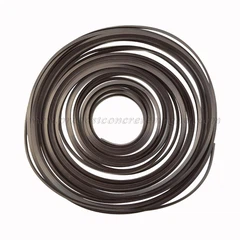
Magnetic urethane chamfers are innovative products that combine the benefits of chamfer strips and magnets. These chamfers, made from durable urethane materials, are embedded with magnets to facilitate easy and secure attachment to formwork panels.
Magnetic urethane chamfers offer superior durability, flexibility, and resistance to wear and tear. They eliminate the need for additional fixing methods, provide consistent chamfered edges, and streamline the construction process. The magnetic feature ensures precise alignment and holds the chamfers securely in place during concrete pouring, enhancing efficiency and reducing labor costs.
Conclusion
The precast concrete industry has experienced remarkable advancements due to the introduction of innovative products that improve construction processes and outcomes. Formwork magnets, chamfer strips, lifting clutches, erection anchors, and magnetic urethane chamfers have all contributed to enhancing efficiency, reducing labor costs, and improving the overall quality of precast concrete structures. As technology continues to evolve, we can anticipate further innovations that will shape the future of the precast concrete industry.