





Experience inexpensive living! Imagine a future when housing is attainable. Low-cost precast concrete dwellings change everything. These innovative homes provide optimism in a world of rising construction prices and housing shortages. They redefine cheap housing with a sustainable, budget-friendly alternative. Low-cost precast concrete dwellings are appealing to individuals seeking practical and efficient housing because of its durability and versatility. Let's explore the astonishing rise of these architectural marvels and the products driving this revolutionary movement. Low-cost precast concrete dwellings offer endless possibilities for a sustainable and economical future.
Understanding Precast Concrete Houses
Precast concrete houses are becoming popular because of their speed, quality, and longevity. This novel method comprises factory-made walls, floors, and roofs. Precast elements are delivered and assembled on-site, speeding up construction. Precast concrete house enthusiasts must understand the basics.
Definition and Concept of Precast Concrete Construction
Precast concrete construction involves the production of standardized components or elements that are manufactured off-site and then transported to the construction site for assembly. These elements are made using concrete, which is poured into molds and cured under controlled conditions to ensure optimal strength and quality. Precast concrete can be used for various building applications, including residential houses, commercial buildings, and infrastructure projects.
Advantages of Using Precast Concrete in Housing Projects
a. Speed and Efficiency:Prefabricated concrete dwellings save time over traditional construction methods. Off-site manufacturing allows simultaneous site preparation and component manufacture, speeding project completion.
b. Quality and Durability: Quality control ensures strength and longevity in precast concrete components. The manufacturing environment eliminates weather-related damage and improves building quality.
c. Design Flexibility:Precast concrete houses can be built in several styles. Precast elements are adaptable and customizable.
d. Energy Efficiency: Precast concrete structures provide excellent thermal insulation properties, contributing to energy efficiency and reducing heating and cooling costs. Additionally, the inherent fire-resistant properties of concrete enhance the safety of the building.
e. Reduced Environmental Impact: The manufacturing process of precast concrete consumes fewer resources, generates less waste, and has a lower carbon footprint compared to traditional construction methods. It aligns with sustainable building practices and supports environmentally friendly construction.
Different Types of Precast Concrete Elements Used in House Construction
a. Precast Walls: Precast concrete walls serve as load-bearing or non-load-bearing elements in house construction. They can be manufactured with various architectural finishes and integrated insulation for enhanced energy efficiency.
b. Precast Floors: Precast concrete flooring systems, such as hollow-core slabs or solid panels, provide structural support and offer a robust base for the upper levels of the house.
c. Precast Roofs: Precast concrete roofs, including precast beams and slabs, offer durability and protection from weather conditions. They can be designed to accommodate different roof styles, such as flat roofs or pitched roofs.
Understanding precast concrete house principles and benefits helps homeowners choose a construction option. Precast concrete building is appealing to modern home buyers due to its speed, quality, design flexibility, energy efficiency, and environmental sustainability. Precast concrete houses could change homebuilding due to their speed and durability.
Cost-Effectiveness and Affordability
Low-cost precast concrete buildings are cost-effective. These houses are built to save money without sacrificing quality. Using factory-made precast concrete components speeds up production. This reduces construction costs. These houses help solve the worldwide housing crisis by making home ownership more affordable for more people.
Speed and Efficiency
Precast concrete houses are built quickly and efficiently. Walls, slabs, and structural elements are precision-built off-site. Faster on-site assembly reduces construction time and manpower. Precast concrete parts are assembled quickly, allowing homeowners to move in sooner. Cheap precast concrete houses save time and money.
Durability and Strength
Another significant advantage of precast concrete houses is their exceptional durability and strength. Precast concrete components are manufactured using high-quality materials and undergo rigorous quality control measures. This ensures that the houses can withstand harsh environmental conditions, including extreme weather, earthquakes, and fire. The strength and resilience of precast concrete make these houses a long-term investment, providing homeowners with peace of mind and reducing maintenance costs over time.
Sustainability and Environmental Benefits:
Low-cost precast concrete houses also offer notable sustainability benefits. The use of concrete, a widely available and recyclable material, reduces the environmental impact associated with traditional construction methods. Additionally, the controlled manufacturing process of precast concrete components minimizes material waste. Precast concrete houses can also incorporate energy-efficient features such as insulation systems, solar panels, and rainwater harvesting, further reducing their environmental footprint. By choosing low-cost precast concrete houses, homeowners contribute to a more sustainable future.
Our Products
We are at the forefront of the low-cost precast concrete housing revolution. We offer a range of innovative precast concrete components and complete house solutions that meet the demands of affordability, quality, and sustainability. Our precast concrete walls, slabs, and structural elements are meticulously manufactured using advanced techniques and materials. With our expertise and dedication to customer satisfaction, we strive to provide affordable housing solutions that exceed expectations.Our products include:
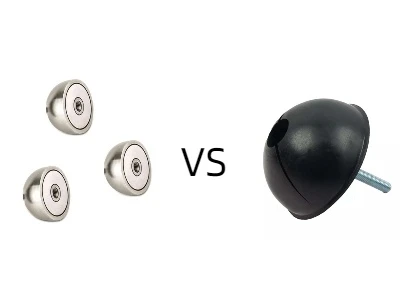
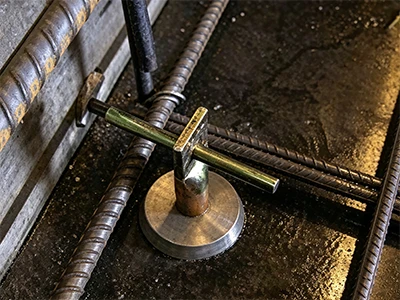
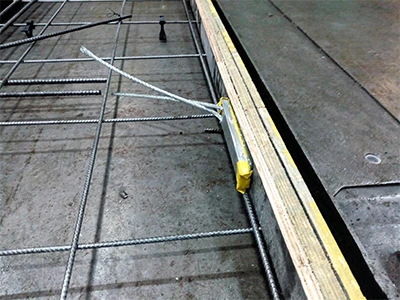
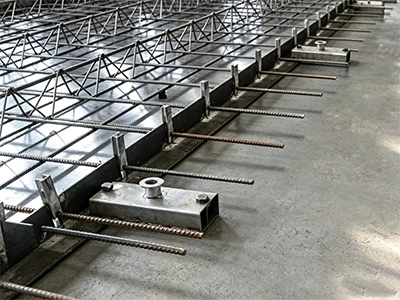
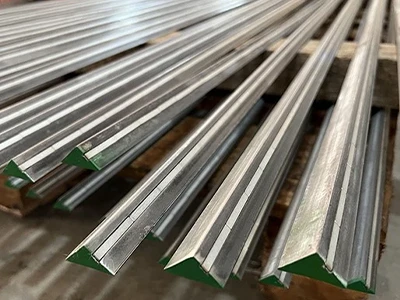
Magnetic Formwork: Our magnetic formwork system is designed to make the production of precast concrete components faster, more efficient, and more cost-effective. Our system is easy to use and can be adapted to a wide range of shapes and sizes.
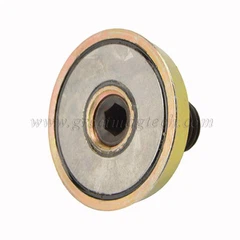
Insert Magnet: Our insert magnet system is designed to securely attach inserts to the formwork. Our system is easy to install and remove, and it helps to reduce the risk of inserts becoming dislodged during the production process.
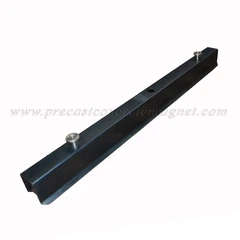
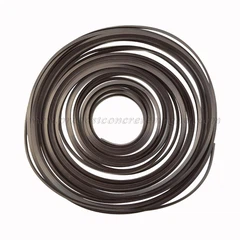
Magnetic Chamfer: Our magnetic chamfer system is designed to produce high-quality chamfers quickly and efficiently. Our system is easy to use and can be adapted to a wide range of shapes and sizes.
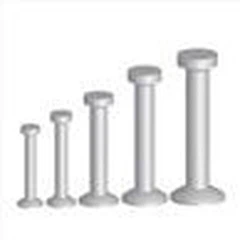
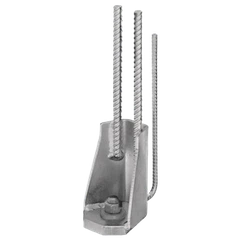
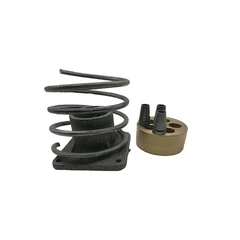
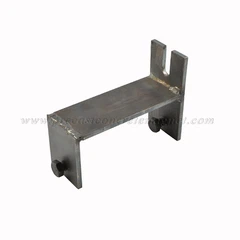
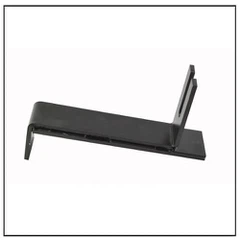
Precast Concrete Accessories: Our precast concrete accessories include a wide range of products, such as dowels, bolts, and ties, that are designed to make it easy to connect different components of the precast concrete unit.
Overcoming Challenges and Addressing Concerns
While the rise of low-cost precast concrete houses brings forth numerous benefits and opportunities, there are also challenges and concerns that need to be addressed for widespread adoption and success. Recognizing and overcoming these challenges is essential to ensure the long-term viability and acceptance of precast concrete as a solution for affordable housing.
Perception and Acceptance
One of the primary challenges is changing the perception and gaining acceptance of precast concrete houses among homeowners, communities, and regulatory bodies. There may be a resistance to embracing new construction methods due to a lack of familiarity or misconceptions about precast concrete. Educating stakeholders about the benefits, safety, and quality of low-cost precast concrete houses is crucial for dispelling myths and building trust in this innovative housing solution.
Skilled Labor and Training
Implementing low-cost precast concrete houses requires skilled labor with specialized knowledge of precast construction techniques. Training programs and initiatives should be established to develop a skilled workforce capable of manufacturing and assembling precast elements efficiently. Collaboration between educational institutions, industry associations, and construction companies can help bridge the skills gap and create a sustainable talent pool to support the growth of precast concrete housing.
Regulatory and Permitting Processes
Navigating the regulatory and permitting processes can present challenges for the widespread adoption of precast concrete houses. Building codes and regulations need to be updated to accommodate the specific requirements and characteristics of precast construction. Engaging with local authorities, policymakers, and industry professionals to streamline the approval processes and ensure compliance with safety standards will facilitate the integration of precast concrete into mainstream construction practices.
Transportation and Logistics
The transportation and logistics involved in delivering precast elements to construction sites can pose logistical challenges. Precast elements are bulky and require careful handling and transportation. Efficient transportation planning, including route optimization and coordination, is necessary to minimize costs and potential disruptions. Investing in specialized equipment and vehicles for transporting precast elements can improve efficiency and reduce the risks associated with transportation.
Long-Term Maintenance and Retrofitting
In the remarkable world of affordable living, low-cost precast concrete houses have emerged as game-changers, offering a tangible reality for those in search of affordable and sustainable housing solutions. However, to ensure the longevity and adaptability of these remarkable dwellings, proper maintenance and retrofitting strategies are essential. By implementing maintenance guidelines, conducting regular inspections, and designing for future modifications, we can preserve the integrity of low-cost precast concrete houses while meeting changing housing needs. Join us as we delve into the crucial strategies that will empower these homes to stand the test of time.
1. Maintenance Guidelines: Preserving Integrity and Beauty To safeguard the longevity of low-cost precast concrete houses, developing comprehensive maintenance guidelines is paramount. These guidelines should outline regular maintenance tasks such as cleaning, painting, and sealing to protect the concrete surfaces from weathering and deterioration.
2. Regular Inspections: Identifying and Addressing Structural Issues Regular inspections are a cornerstone of proactive maintenance for low-cost precast concrete houses. These inspections should be conducted by qualified professionals who can identify any potential structural issues, such as cracks, leaks, or signs of wear and tear.
3. Retrofitting for Adaptability: Designing for the Future In a rapidly changing world, the adaptability of housing is crucial. Low-cost precast concrete houses can be designed with retrofitting in mind, allowing for future modifications and expansions to accommodate changing housing needs.
4. Sustainable Upgrades: Enhancing Efficiency and Comfort
As technology advances and sustainable practices become increasingly important, homeowners can consider retrofitting low-cost precast concrete houses with energy-efficient upgrades. This can include installing solar panels, improving insulation, or incorporating smart home systems to enhance energy efficiency and reduce environmental impact. These upgrades not only contribute to a greener future but also enhance the comfort and cost-effectiveness of the dwellings.
Environmental Impact and Sustainability
Precast concrete dwellings are energy efficient and save construction waste, however their materials have environmental impacts. Precast concrete houses can reduce their carbon footprint by employing recycled materials or low-carbon cement. Rainwater harvesting and renewable energy systems can also make these dwellings more sustainable.
Low-cost precast concrete dwellings can reach their potential by addressing these issues. For precast concrete housing projects to succeed, government agencies, construction companies, architects, and communities must work together to overcome these hurdles. A proactive strategy and concerted efforts can turn obstacles into opportunities, enabling cheap, sustainable, and resilient housing options for vulnerable communities.
Conclusion
Building affordable homes with low-cost precast concrete is a smart choice for anyone looking to save money on their housing costs without sacrificing quality. Precast concrete is energy-efficient, durable, and requires little maintenance, which can help keep your costs down over time.
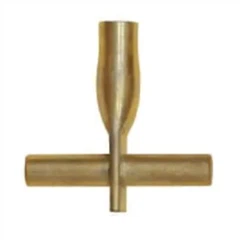
In the precast concrete industry, we are committed to providing our customers with the highest quality precast concrete products for building affordable homes. Our products, such as our magnetic formwork, insert magnet, and lifting system for precast concrete units, are designed to make the production and installation process faster, more efficient, and more cost-effective.