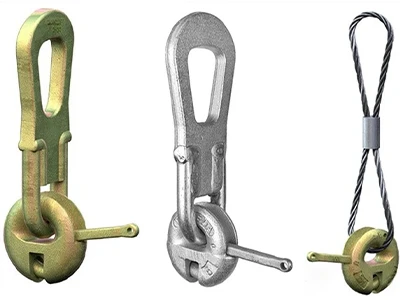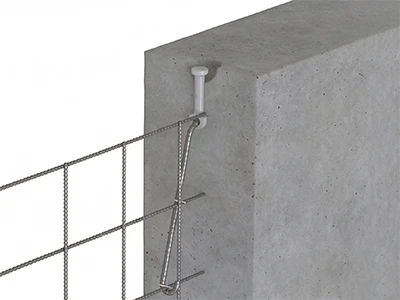


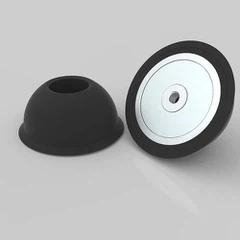
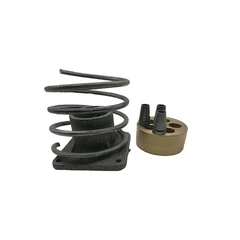

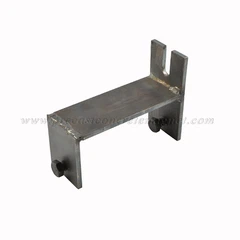
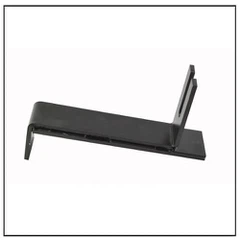


A lifting socket for precast concrete is a heavy-duty embedded anchor designed to aid in the transportation and provide a secure connection point for lifting and handling precast concrete elements (such as panels, beams, columns, or hollow-core slabs) during manufacturing, transportation, and installation.
Introduction to Precast Concrete Elements
Precast concrete elements are a type of construction material that is manufactured in a factory and then transported to the construction site for assembly. These elements can include a wide range of products, such as slabs, beams, and panels, and are often used in building construction, civil engineering, and infrastructure development. One of the key benefits of precast concrete elements is that they can be designed and manufactured to meet specific project requirements, including load capacity, dimensions, and surface finish. Lifting sockets are an essential component of precast concrete elements, providing a secure and stable connection between the element and the lifting equipment. In this section, we will explore the different types of precast concrete elements, their applications, and the importance of lifting sockets in their transportation and installation.
Type of Lifting Sockets
Threaded Lifting Sockets
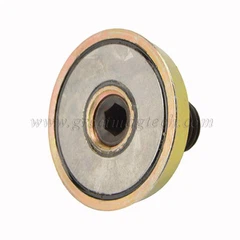
The Threaded Socket System is available in a wide variety of specially designed sockets to suit all types of different applications. It also offers a wide range of lifting capacities from 500kg up to 12500kg. Our sockets are supplied in standard BZP, or a stainless steel finish on request.

Lifting Sockets With Bended End
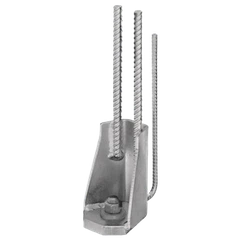
Lifting sockets with bended ends are usually hollow cylindrical structures, which may have threads, grooves, or other special designs inside to facilitate the installation of other components. The design of the fixing sleeve makes it easy to install while providing a secure fixation. It is suitable for moving columns, supporting beams, shear walls, etc. Customers only need to insert the fixings.

Flat Lifting Sockets
Electroplated or stainless steel(A2-standard, A4-on request), Rd thread. The flattest profile lifting socket available. The socket is anchored into the concrete unit using reinforcement over its flat plate. Sockets are typically used in slabs

Solid Rod Socket w/t Cross Bar
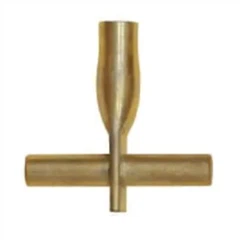
Solid rod socket w/t cross bar for high tensile and shear loads. Widely used in the application of precast concrete construction, such as lifting beams, wall and floor slabs, etc. The cross bar is factory fitted, and a reinforcement bar can be inserted through the cross hole to effectively transfer loads into the concrete, ensuring secure anchorage and stability during lifting operations.

Wavy Tail Anchors
The socket of the Wavy Tail is available in high-grade zinc-plated carbon steel and is swaged to a waved reinforcement bar. They are available with Rd12 to Rd52 threads that have load ratings from 500kg to 12,500kg. Stainless steel sockets and rebar tails are available to special order.

Straight Rebar Socket Anchor
The precast threaded socket lifting system is a cost-effective method of lifting precast units. With a wide variety of sockets, the precast threaded socket lifting system is suitable for lifting a wide range of precast products from walls to drainage systems.

Lifting Socket Design and Specification
Lifting socket design and specification are critical factors in ensuring the safe and efficient transportation of precast concrete elements. A lifting socket is a device that is embedded in the precast concrete element and provides a secure connection point for lifting equipment, such as cranes or hoists. The design of the lifting socket must take into account the weight and dimensions of the precast concrete element, as well as the type of lifting equipment being used. The specification of the lifting socket will typically include details such as the material, size, and shape of the socket, as well as the type of threads or other connection points used. When designing and specifying lifting sockets, it is also important to consider factors such as edge distance, additional reinforcement, and the potential for dirt or water ingress. By carefully considering these factors, engineers and architects can ensure that lifting sockets are designed and specified to meet the specific needs of their project, providing a safe and efficient means of transporting precast concrete elements.
How to Install Lifting Sockets
Step 1: Prepare the formwork/mould
Clean the formwork and ensure accurate positioning.
Secure the sleeve using the following tools:
Location clamps ensure accurate alignment.
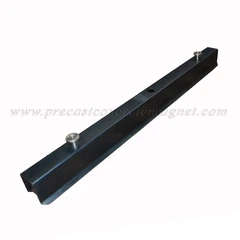
Magnetic holders or temporary bolts (for threaded sleeves).
Step 2: Embedded sleeve
Fix the sleeve to the formwork with screws or welded bolts.
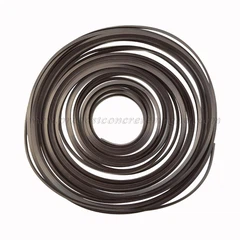
Seal the gap with foam tape to prevent grout leakage.
Threaded sleeve:
Insert the threaded rod with nut and suspend the sleeve in the mould.
Wrap the threads with tape to prevent concrete from sticking.
Step 3: Cast and cure concrete
Vibrate the concrete around the sleeve to remove air bubbles.
Check the level of the sleeve during casting (use a level).
Cure the concrete according to standard procedures (such as 28 days strength curing).
Step 4: Post-cast inspection
Carefully remove the formwork to avoid sleeve displacement.
Check the following items:
Are there any concrete voids around the sleeve (if any, fill them with grout).
Anti-corrosion treatment (coating with epoxy resin if necessary).
Safety and Maintenance Protocols
Safety and maintenance protocols are essential for ensuring the safe and efficient use of lifting sockets and precast concrete elements. When transporting precast concrete elements, it is critical to follow established safety protocols, including the use of proper lifting equipment, secure connection points, and careful planning and execution of the lift. Regular maintenance of lifting sockets and other equipment is also crucial, as it helps to prevent wear and tear, corrosion, and other forms of damage that can compromise safety. This can include regular cleaning and inspection of lifting sockets, as well as replacement of worn or damaged components. By following established safety and maintenance protocols, construction companies and contractors can help to prevent accidents and ensure the safe and efficient transportation of precast concrete elements. Additionally, it is important to provide training to personnel on the proper use and maintenance of lifting sockets and other equipment, as well as to ensure that all personnel are aware of the potential hazards associated with lifting and transporting precast concrete elements. By prioritizing safety and maintenance, construction companies can help to protect their personnel, equipment, and the environment, while also ensuring the successful completion of their projects.
Lifting Sockets Application
Lifting sockets are widely used in the precast concrete industry for the safe handling and transportation of precast concrete units, including heavy structural members. Some of the most common applications include:
Precast walls and cladding panels
Hollow core slabs and double T-beams
Columns, beams, and structural members, etc.
In precast concrete construction, choosing the right lifting socket is crucial to ensuring safe and efficient project execution. This article comprehensively analyzes the key points of lifting sockets to help you optimize the construction process and reduce risks.

FAQ
Q: Can lifting sockets be installed after concrete casting?
A: Only threaded sockets can be retrofitted (drill and epoxy anchor required).
Q: How deep should a lifting socket be embedded?
A: Minimum 5x socket diameter (e.g., 50mm for a 10mm socket).
Q: Do sockets need lubrication?
A: Yes, grease threaded parts to prevent seizing.
Q: How can I contact you for further inquiries and support?
A: We encourage you to contact us with any questions or for support. You can reach us through our contact form, email, or phone. We are here to help and respond promptly to all inquiries.