








Properly lifting anchors is essential for safely moving precast concrete products. Concrete elements need secure attachment points to be transported from production facilities to construction sites. Lifting anchors provide these connection points, allowing cranes and other equipment to move heavy concrete pieces without damage or safety risks.
This guide explains the correct procedures for using various anchor systems with precast concrete.
Understanding Lifting Anchors for Precast Concrete
Lifting anchors connect to handling equipment through specific rigging methods. Proper anchor selection ensures safe lifting operations and prevents damage to the concrete. Understanding the basic principles behind lifting anchors helps workers avoid dangerous situations when moving heavy concrete elements.

What To Consider When Using A Lifting Anchor
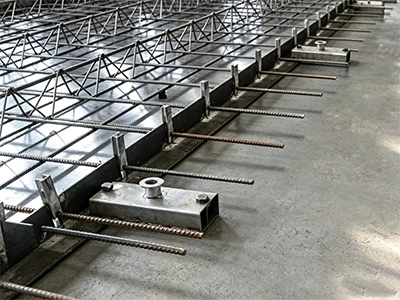
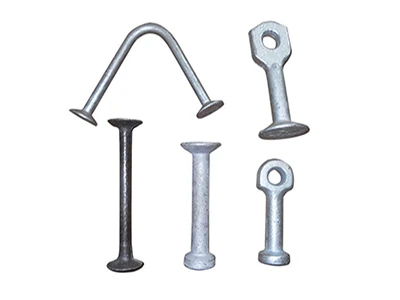
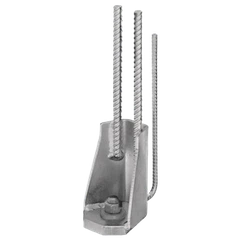
Precast concrete manufacturers use various anchor types, depending on the shape and weight of the concrete element. Cast-in anchors remain permanently embedded in the concrete, providing reliable attachment points for lifting operations. Threaded inserts allow for removable connections that can be reused in different projects. Swift lift anchors feature a rounded head design that makes rigging faster and more efficient on job sites. Edge lift anchors work specifically for lifting thin concrete panels from their edges, rather than face-lifting.
Load Capacity Considerations
Every lifting anchor has specific load ratings that must not be exceeded. Engineers calculate the required capacity based on concrete weight, dimensions, and lifting configuration. Safe working load refers to the maximum weight that an anchor can safely handle under normal conditions. Ultimate load capacity represents the breaking point and should never be approached. Dynamic load factors account for movement during lifting, which can temporarily increase forces on anchors.
Placement and Spacing Requirements
Correct anchor placement prevents stress on the concrete during lifting. Edge distance measurements determine how close anchors can be installed to concrete edges without risking breakage. Anchor spacing requirements prevent concrete from cracking between multiple lifting points. Reinforcement patterns around anchors distribute forces through the concrete element. Embedment depth ensures anchors have enough concrete surrounding them to maintain proper holding strength.
Installation Methods for Lifting Anchors
Proper installation creates reliable lifting points that safely support heavy concrete loads. Anchors must be positioned precisely according to engineering specifications. Installation methods vary depending on whether anchors are placed before or after the concrete is poured.
Pre-Pour Installation Process
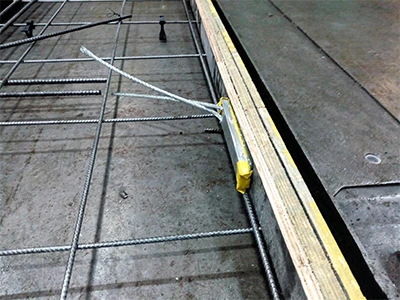
Installing anchors before concrete pouring ensures they become fully integrated into the final product. Form preparation involves marking exact anchor locations on formwork to ensure proper positioning. The anchor attachment to the forms must be secure so that the anchors don't move during concrete placement. Reinforcement coordination prevents rebar from interfering with anchor locations. Concrete cover measurements verify sufficient material will surround the anchor to develop full strength.
Post-Pour Installation Options
Some projects require anchors to be installed after the concrete has cured. Drilled holes must match the exact diameter and depth specified for the type of anchor. Chemical adhesives bond anchors to existing concrete when cast-in-place options are not possible. Expansion anchors create mechanical connections by exerting pressure against the sides of the drilled hole. Surface preparation ensures concrete is clean and strong enough to support the anchor loads.
Testing and Verification
After installation, anchors need to be verified before use. Pull testing applies controlled force to confirm that anchors meet load capacity requirements. Visual inspection identifies potential defects like cracks or improper embedment. Documentation procedures create records of each anchor's installation and testing results. Quality control measures ensure consistency across all anchors in a precast element.
Lifting Operations with Anchors
Safe lifting requires the proper use of equipment and techniques to prevent accidents. Workers must understand rigging principles and load dynamics when lifting concrete elements. Following established procedures protects both workers and concrete products.
Rigging Equipment Selection
Choosing appropriate rigging creates secure connections between anchors and lifting equipment. Lifting clutches attach directly to cast-in anchors and release after placement. Shackles connect slings to various anchor types and withstand multi-directional forces. Wire rope slings distribute weight between multiple lifting points on large elements. Synthetic slings provide flexibility when maneuvering concrete into tight spaces.
Proper Lifting Angles and Techniques
How rigging attaches to anchors affects the distribution of force throughout the concrete. Sling angles determine how much horizontal force anchors experience during lifting. Load balance ensures weight is distributed evenly across multiple anchors. Edge protection prevents slings from damaging concrete edges during lifting operations. Lift planning considers the center of gravity of the concrete element to prevent unexpected movement.
Safety Precautions During Lifting
Worker safety demands careful attention during all lifting operations. Exclusion zones keep personnel away from areas under suspended loads. Communication protocols ensure that crane operators and riggers coordinate movements effectively. Pre-lift inspections verify all components are properly connected before lifting begins. Emergency procedures prepare teams to respond quickly if problems occur during lifting.
Common Challenges and Solutions
Even with careful planning, lifting operations can encounter problems. Understanding common issues helps teams prepare effective solutions before emergencies develop. Proper training prevents many potential problems.
Troubleshooting Anchor Failures
When anchors don't perform as expected, quickly identifying problems prevents accidents. Concrete breakout occurs when the concrete surrounding an anchor fails before the anchor itself. Anchor pullout occurs when anchors are not embedded deeply enough to resist lifting forces. Metal fatigue affects anchors used repeatedly for multiple lifting operations. Corrosion damage weakens anchors exposed to harsh environments over time.
Weather and Environmental Considerations
External conditions affect lifting operations and the performance of anchors. Wind load calculations determine when conditions become too dangerous for lifting operations. Temperature effects on concrete strength require special attention in extreme heat or cold. Moisture conditions can make concrete surfaces slippery and complicate rigging attachment. Visibility requirements ensure operators can clearly see the load throughout the lifting process.
Maintenance and Inspection Programs
Regular inspection systems prevent equipment failures. Scheduled inspections examine anchors and rigging on a regular basis to identify potential problems. Record-keeping practices track the history of each anchor and related equipment. Replacement criteria define when anchors must be taken out of service. Training requirements ensure all personnel understand inspection procedures and recognize warning signs.
Specialized Applications and Techniques
Some precast concrete applications require specialized anchor systems and lifting methods. These situations need additional planning and often use custom anchor designs. Engineers develop specific solutions for unique lifting challenges.
Architectural Precast Handling
Decorative concrete elements need special handling to prevent surface damage. Face-lifting techniques avoid marking visible concrete surfaces during installation. Hidden anchor systems conceal connection points in the finished structure. Corner protection prevents damage to decorative edges during lifting and placement. Surface finish preservation requires careful planning of all handling operations.
Heavy and Oversized Element Considerations
Large concrete elements present unique challenges during lifting operations. Multiple anchor configurations distribute weight across numerous lifting points. Center of gravity calculations prevent unbalanced loads that could shift unexpectedly. Transportation limitations affect how elements must be lifted and moved from one location to another. Equipment capacity planning ensures cranes and other machinery can safely handle the loads.
Underwater and Marine Applications
Marine projects have special requirements for concrete elements used in water. Corrosion-resistant materials prevent anchor deterioration in saltwater environments. Underwater installation procedures account for reduced visibility and different working conditions. Wave and current forces create additional stresses on anchors during marine installations. Long-term durability requirements ensure anchors perform throughout the structure's lifespan.
Conclusion
Understanding how to use lifting anchors properly ensures the safe handling of precast concrete products. Selecting appropriate anchor types, installing them correctly, and following proper lifting procedures prevent accidents and damage. Regular inspection and maintenance of anchors and rigging equipment further enhances safety. By following these guidelines, construction teams can confidently move heavy concrete elements without risking worker safety or product integrity. When in doubt, always consult with structural engineers and anchor manufacturers to ensure your specific application follows all safety requirements.