




Lifting sockets in precast concrete provide secure anchor points for safe transportation and installation of heavy concrete elements. These specialised inserts are embedded during casting and create strong connection points for lifting equipment. Lifting sockets solve the challenge of moving massive concrete pieces without damage while ensuring worker safety on construction sites. Their proper use reduces project delays and prevents costly concrete failures during handling operations.
Construction teams rely on these essential components to manage the entire logistics chain, from the factory to the final installation site.

Types of Lifting Sockets for Precast Concrete
Precast concrete manufacturers use various lifting socket designs based on specific project requirements and the characteristics of each element. Different socket types offer unique advantages for particular applications. The construction market offers multiple socket designs to address diverse handling challenges.
Cast-in Lifting Sockets
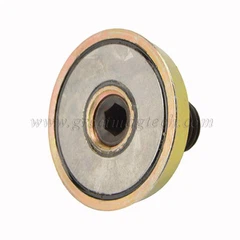
Cast-in lifting sockets are installed during the concrete pouring process. These steel anchors become permanently embedded in the concrete element. The socket remains flush with the concrete surface and provides a threaded connection point for lifting hardware. Cast-in systems offer exceptional pull-out strength and are ideal for repeatedly moving heavy panels or beams. Their durability makes them suitable for elements that require multiple repositioning operations during their service life. Most cast-in designs feature corrosion-resistant materials to maintain long-term structural integrity even in harsh environments.
Recess Formers with Lifting Inserts
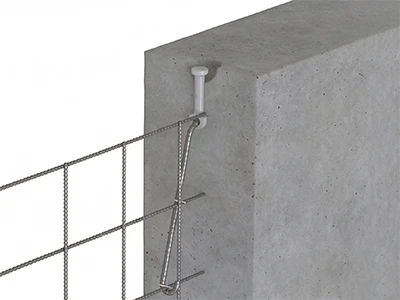
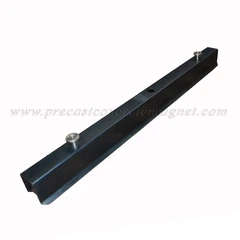
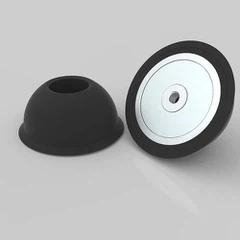
Recessed former systems create cavities in concrete where removable lifting accessories can be temporarily attached. These systems use plastic formers during casting that leave perfectly shaped voids in the hardened concrete. After lifting operations finish, workers can remove the lifting hardware and fill the recesses with grout to create a smooth surface. This approach works well when the final appearance of the concrete matters.
Architects often specify recess systems for visible concrete surfaces in commercial buildings. The plastic formers come in various depths and diameters to accommodate different load requirements and types of hardware.
Threaded Socket Systems
Threaded lifting socket systems feature internal threads that accept specialized lifting bolts or eyes. Construction teams can quickly connect and disconnect lifting equipment as needed. Most threaded systems use high-strength steel or composite materials that resist corrosion. These sockets typically transfer loads directly to the reinforcement within the concrete structure for maximum safety. Threaded systems allow for precise tension adjustment during complex lifting operations. Many manufacturers offer coated versions that prevent concrete staining in architecturally sensitive applications.
Wire Loop Systems
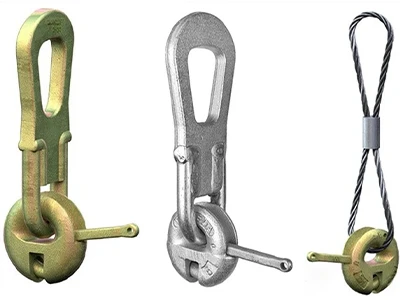
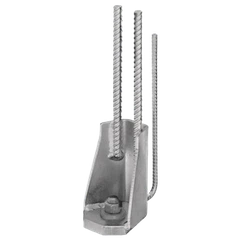
Wire loop lifting systems use steel cables embedded in the concrete that form lifting points when exposed. These systems create flexible connection points that accommodate various types of lifting hardware. Wire loops distribute forces over larger areas than conventional sockets, reducing stress on the concrete. These systems work especially well for thin precast panels where traditional sockets might create weak points. Their main advantage lies in their ability to handle off-centre lifting forces without damaging the concrete element.
Applications of Lifting Sockets in Construction
Lifting sockets serve essential functions in various construction applications where precast concrete elements need to be transported and placed. Their proper selection has a dramatic impact on project efficiency and safety. Each application presents unique challenges that influence socket selection and placement decisions.
Structural Wall Panel Installation
Precast concrete wall panels rely on properly positioned lifting anchors to maintain stability during transportation and placement. Engineers calculate the optimal socket locations based on panel dimensions, weight distribution, and rigging requirements. Wall panels often use multiple sockets to ensure balanced lifting without causing stress cracks. Proper socket placement prevents panels from twisting or flexing during the critical lifting phase. For tall wall panels, engineers may specify additional sockets near the top edge to control movement during vertical positioning. These panels frequently incorporate specialised edge lifting systems that minimise visibility in the finished structure.
Architectural Facade Elements
Decorative precast concrete facades require special consideration when installing lifting systems. Architects often specify socket locations on hidden surfaces to maintain the visual appeal of exposed faces. These sockets must support unusual shapes and potentially unbalanced loads while preventing visible damage. Facade elements frequently use removable lifting hardware that allows workers to patch socket locations after installation. Curved or textured panels present additional challenges that may require custom socket positioning. The increasing popularity of ultra-thin precast panels has driven the development of specialized low-profile socket systems specifically for architectural applications.
Heavy Infrastructure Components
Bridge beams, culverts, and other precast elements used in infrastructure projects require robust lifting solutions. These massive components often weigh several tons and demand specialised heavy-duty anchors rated for extreme loads. Infrastructure components typically incorporate multiple redundant lifting points to ensure safety even if one connection fails.
Engineers select socket types based on specific exposure conditions and expected service life. Transportation requirements often dictate socket placement, as these large elements must maintain stability during highway transport. Bridge beams usually use asymmetrical socket arrangements to accommodate their unique center of gravity during lifting operations.
Modular Building Components
Precast concrete floors, rooms, and other modular components use carefully positioned lifting sockets to maintain dimensional stability. These elements often have complex shapes that require specialized lifting arrangements. Modular components frequently combine multiple socket types to address various handling stages.
Some modular systems use temporary bracing points created with additional sockets to prevent distortion during transport. The growing trend toward complete precast building systems has increased demand for standardized socket placements that ensure compatibility between different manufacturers.
Safe Working Practices with Lifting Sockets
Construction safety depends on selecting, installing, and using proper lifting sockets. Following established guidelines prevents accidents and extends the life of equipment. Industry standards provide clear guidance for each stage of the lifting process.
Load Rating and Safety Factors
Every lifting insert carries a maximum load rating that must never be exceeded. Engineers apply additional safety factors to account for dynamic forces during lifting operations. These ratings consider concrete strength, reinforcement details, and lifting angles. Construction teams must verify that all sockets in a single element have compatible load capacities to prevent overloading. Regular inspection ensures that sockets maintain their rated capacities throughout multiple uses. Industry standards typically require minimum safety factors between 2:1 and 3:1, depending on the application. Socket manufacturers provide detailed load tables that take into account variations in concrete strength and edge distance.
Proper Installation Procedures
Correct socket installation requires precise positioning within the concrete form before the concrete is poured. Workers must secure sockets to prevent them from moving during concrete placement and vibration. The socket must maintain proper alignment with reinforcement bars for structural integrity.
Quality control checks before concrete placement verify that socket positions match design specifications. After concrete cures, teams perform pull tests to confirm socket strength before actual lifting operations. Installation procedures often include specific concrete consolidation techniques around socket locations to eliminate voids. Form release agents must not contaminate socket threads or connection surfaces during the casting process.
Lifting Hardware Compatibility
Lifting hardware must match the specific socket type used in the precast element. Using incompatible components can cause dangerous failures during lifting operations. Construction teams need proper training to recognise compatible equipment combinations. Regular inspection of lifting hardware identifies worn or damaged components before they create hazards.
Adequate documentation ensures teams always select appropriate hardware for each socket type. Connection hardware requires regular testing according to the manufacturer's guidelines to verify its continued capacity. Many projects establish dedicated tool cribs to maintain control over specialized lifting hardware and prevent misuse.
Weather and Environmental Considerations
Lifting operations become more dangerous during adverse weather conditions. High winds create unpredictable lateral forces on suspended concrete elements. Extreme temperatures affect both the strength of concrete and the performance of equipment. Rain and snow reduce visibility and create slippery conditions that make precise placement difficult.
Construction schedules should include contingency plans for weather-related lifting delays. Some socket systems include special provisions for cold-weather operations that prevent thread freezing or hardware binding.
Design Considerations for Lifting Socket Placement
Engineers must carefully plan lifting socket placement to ensure safe handling while minimizing impact on the finished structure. Proper design balances multiple technical factors. Early coordination between structural engineers and precast fabricators prevents costly conflicts.
Load Distribution Analysis
Optimal lifting socket placement distributes forces evenly throughout the concrete element. Engineers analyze weight distribution to determine exact socket positions for balanced lifting. Computer modelling helps identify potential stress concentrations during lifting operations. This analysis considers different lifting angles and rigging configurations. Proper load distribution prevents concrete cracking and maintains structural integrity. Dynamic analysis may be necessary for unusually shaped elements or special handling requirements. Some complex shapes require iterative testing to verify theoretical lifting point calculations.
Edge Distance Requirements
Lifting inserts require minimum edge distances to prevent concrete breakout failures. Engineers follow manufacturer specifications for each socket type based on concrete strength. Edge distances increase for thinner elements or lower-strength concrete mixes. Reinforcement details near socket locations often require modification to accommodate these edge distance requirements.
These considerations become especially important for complex shapes with irregular edges. Industry standards establish minimum edge distances based on extensive testing and field experience. Manufacturers provide detailed charts showing required dimensions for various concrete strengths and socket sizes.
Interference with Reinforcement
Socket placement must avoid conflicts with critical structural reinforcement. Engineers coordinate socket locations with rebar layouts to prevent weakened areas. Sometimes, additional reinforcement surrounds socket locations to enhance load transfer capabilities. Construction drawings must clearly identify areas where reinforcement patterns change to accommodate lifting needs.
These details ensure the finished structure meets both handling and final structural requirements. Three-dimensional modelling software helps identify potential conflicts before fabrication begins. Specially designed reinforcement cages often surround socket locations in heavily reinforced sections.
Multiple Handling Stages
Many precast elements require different lifting configurations during various construction phases. Initial stripping from forms may require different socket patterns than final installation. Engineers must consider all handling stages when specifying socket types and locations. Sometimes, temporary socket points serve only specific handling operations and not the final placement. Comprehensive handling plans document each lifting stage and the associated socket requirements. Complex projects may require mock-up testing to verify handling procedures before full production begins.
Removal and Patching After Installation
Once precast elements reach their final position, construction teams address the lifting socket locations to complete the installation process. This final step maintains structural integrity and appearance. Proper finishing techniques prevent long-term maintenance issues.
Temporary Socket Removal
Many lifting systems allow for hardware removal after they are placed. Workers carefully extract temporary anchors according to the manufacturer's instructions. This removal process must avoid damaging the surrounding concrete surfaces. Some systems include specialised extraction tools that prevent concrete spalling during removal. Complete removal ensures no protruding metal remains to cause future problems. Extraction procedures typically specify maximum torque values to avoid damage to the concrete. Inspection after removal verifies that no debris remains in socket cavities before patching begins.
Surface Patching Techniques
After removing temporary lifting hardware, workers patch the resulting holes with appropriate materials. These patches must match the surrounding concrete in both appearance and durability. For exposed surfaces, colour-matched patching compounds create nearly invisible repairs. Structural patches often use high-strength grout with corrosion inhibitors for long-term protection. Proper surface preparation ensures strong adhesion between the patch material and existing concrete. Many projects require sample patches for architectural approval before production begins. Patch materials must have similar thermal expansion properties to prevent cracking at boundaries.
Long-term Appearance Considerations
Precast elements with visible surfaces require special attention to maintain aesthetic quality. Architects often specify patching materials that weather similarly to the surrounding concrete. Some designs incorporate deliberate patterns that disguise patched lifting points within the overall appearance. Regular inspections during the warranty period identify any patch failures that require remediation. These appearance considerations become crucial for architectural concrete facades and decorative elements. Some projects use plugs made from the same concrete mix as the original element to ensure perfect colour matching. Textured surfaces require special patching techniques that replicate the original pattern.
Waterproofing and Sealing Requirements
Socket locations in water-retaining structures need special treatment to prevent leakage. Engineers specify waterproofing materials compatible with both the patch compound and the surrounding concrete. These locations often receive additional sealant applications beyond standard patching procedures. Quality control programs include water testing after patching to verify complete sealing. For underground structures, socket patches may require chemical-resistant properties. Special consideration applies to structures exposed to freeze-thaw cycles where water infiltration could cause progressive damage.
Cost Considerations and Efficiency
Properly selecting a lifting socket balances initial costs against long-term project benefits. Strategic planning reduces overall expenses while maintaining safety and quality. Budget constraints influence many socket-related decisions throughout the construction process.
Initial Investment vs. Reusability
Some lifting systems cost more initially but allow for hardware reuse across multiple elements. These systems typically pay for themselves on larger projects with repetitive components. Cheaper disposable systems might seem economical for small projects but create more waste. Construction managers must calculate total project costs rather than just per-socket expenses. Reusable systems require proper cleaning and maintenance procedures to ensure safe and continued operation. Some manufacturers offer rental programs for specialized lifting hardware to reduce upfront costs.
Labor Efficiency Factors
Different socket types require varying amounts of labor for installation and removal. Simpler systems save time during the critical form preparation phase. Advanced systems might take longer to install but create significant savings during lifting operations. Project managers should consider overall labor costs across all handling stages. Training requirements differ substantially between basic and specialized socket systems. Some manufacturers provide on-site training and certification for workers using their proprietary systems.
Transportation Optimization
Strategic placement of lifting sockets can reduce transportation costs by allowing more efficient loading configurations. Properly positioned sockets enable elements to ship in their optimal orientation for space efficiency. Transportation considerations sometimes outweigh other factors for projects with significant logistics challenges. Custom socket arrangements can accommodate specialized transport frames or equipment. International projects must consider different transportation regulations that might affect socket selection and placement.
Life-Cycle Cost Analysis
A complete lifting system evaluation includes maintenance, repair, and replacement costs over the project's timeline. Premium systems often last longer and require less maintenance than budget alternatives. Safety incidents caused by lifting failures create enormous unexpected costs that quality systems help prevent. Professional engineers can provide a comprehensive life-cycle cost analysis for various socket options. Environmental impact, including waste disposal costs, should factor into system selection for sustainably minded projects.
Conclusion
Lifting sockets provide essential functionality for safely handling and installing precast concrete elements in various construction applications. Their proper selection, placement, and usage directly impact project safety and efficiency. Engineers must carefully balance structural requirements, handling needs, and final appearance when designing lifting systems for precast concrete.
By following industry best practices for socket installation and usage, construction teams can safely move even the largest concrete elements without damage. As precast construction continues growing in popularity, understanding lifting socket technology becomes increasingly important for construction professionals. The continuous development of innovative lifting systems supports the trend toward larger, more complex precast elements that meet modern architectural and structural demands.