






As the basic material of construction, concrete material has experienced the changes and development of the times. With the progress of the times, innovative methods such other materials such as precast concrete have emerged. Precast concrete has realized the transformation of the construction industry, from on-site construction to on-site transportation and assembly of entire building systems. From towering skyscrapers to historical restoration, precast concrete structures have left an indelible mark on the world and global landscape, demonstrating the extraordinary possibilities of this versatile material.
Precast concrete has been used widely in many countries for building materials. It is a robust construction material and tool that can be used for any large structure in any situation. Almost two buildings for every home are built on concrete. This is a useful use for a widely available product. We have always seen these precast concrete structures and walls rise as business parks, housing complexes, and other precast concrete building structures are built. Concrete can be used for decorative accouterments.

Why is precast concrete better than concrete?
Precast concrete mix and cast concrete have more stability than cast concrete. Precast concrete products have already been reinforced with steel reinforcement rebar and the controlled cure process ensures more durability and that the concrete sets correctly in the right environment.
What is a precast concrete building?
Precast concrete is the used construction material, products, or cement produced using cast concrete in the shape of a reusable mold that can be removed from the site for re-usage, and then moved to a confined space.
What are the Different Types of Precast Concrete Structures?
You've probably seen how many prefab products companies offer today. There are a variety to choose from, and you can use smithing materials to complete your entire build. Common examples of precast concrete products in the precast concrete industry include precast concrete slabs, precast concrete beams and columns, precast concrete walls and roofs, precast reinforced concrete stairs, and precast concrete pipe culverts.
Precast concrete panels

Precast concrete panels are prefabricated concrete elements at a factory or precast site. These elements are produced under controlled conditions according to specific design requirements and specifications and transported prior to construction on site. Precast concrete slabs are widely used in construction and infrastructure projects, and they come in a variety of shapes, sizes, and finishes so they can meet a variety of design needs and aesthetic requirements. The use of prefabricated concrete slabs can also reduce concrete waste on the construction site and be environmentally friendly.
Precast concrete walls
Precast concrete walls are common prefabricated constructions of architecture that are widely used in construction and infrastructure projects and can be used in various types of buildings such as residential, commercial buildings, industrial buildings, etc. These wall elements of architecture can be single wall panels or combined wall units that make up the entire building structure.
Precast Concrete Stairs
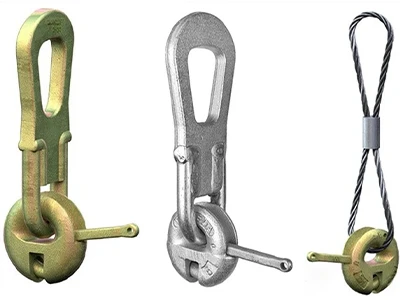
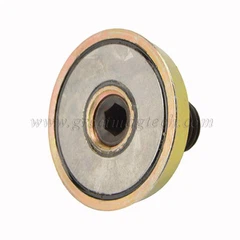
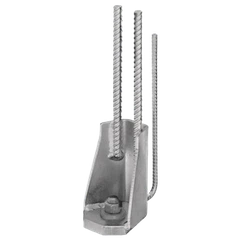
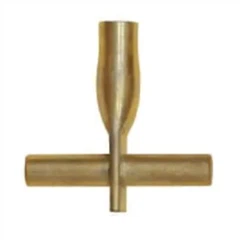
Precast reinforced concrete stairs can be pulled to the designated installation location after the factory production is completed, hoisted using tools such as lifting clutch and lifting anchors, and followed in a specific location. The manufacturing process of precast concrete stairs usually includes steps such as mold making, concrete pouring, curing, and surface treatment. Precast concrete stairs can be constructed faster, reducing on-site construction time and labor costs for office buildings. In addition, the manufacturing process of precast concrete stairs can also ensure the safety and stability of the stairs, improving the quality of the overall building.
precast concrete pipes and culverts
Precast concrete pipes and culverts are used for drainage, transportation, and sewage systems. They offer exceptional durability and can be manufactured in various sizes to meet different project requirements.
Precast Concrete Bridge Components:
Precast concrete is widely used in bridge construction. Components such as bridge girders, piers, abutments, and decks can be prefabricated and assembled on-site to speed up and complete the construction process and reduce traffic disruptions.
Famous precast concrete buildings
TWA Flight Center, USA:
Located at John F. Kennedy International Airport in New York, this iconic building designed by Eero Saarinen features curved precast concrete panels that create a futuristic and flowing architectural design.

Sydney Opera House
The complexity of the building of Sydney's Opera House has been partially realized in poured concrete. The distinctive peaked roof has been created with an extensive collection of precast concrete panels covered with glossy white / matte/cream tile panels. Although the construction of this new building was tenfold shorter than anticipated, it is not surprising that 2,194 precast concrete sections were never a factor in this delay.

National Assembly Building of Bangladesh:
Designed by the renowned architect Louis Kahn, this impressive complex in Dhaka is characterized by its monumental precast concrete panels, which form the exterior walls and define its striking appearance.

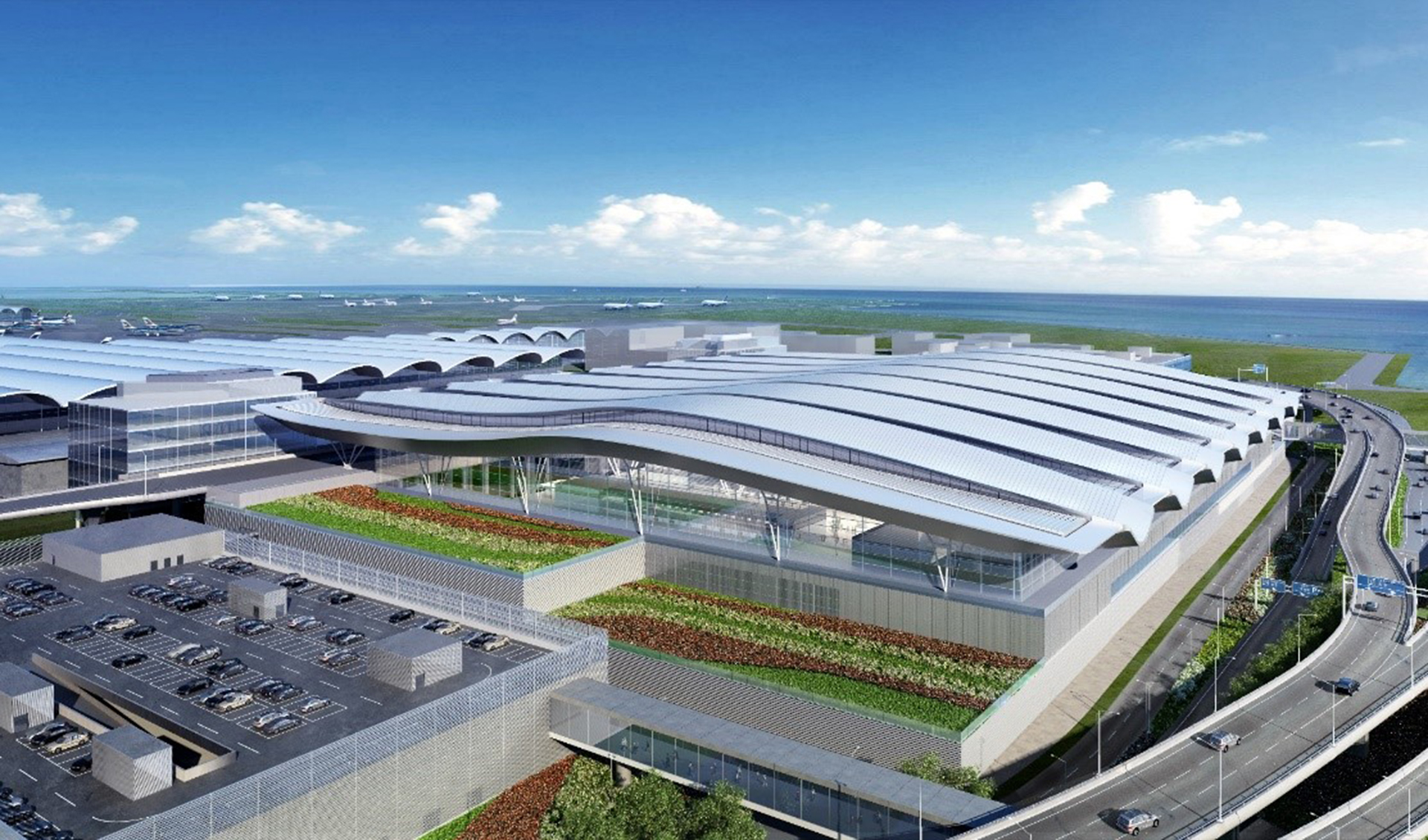
Hong Kong International Airport Terminal 2, Hong Kong:
The terminal building boasts a vast precast concrete structure with a unique wave-like roof, showcasing the immense possibilities of precast technology in creating large-scale, visually captivating designs.

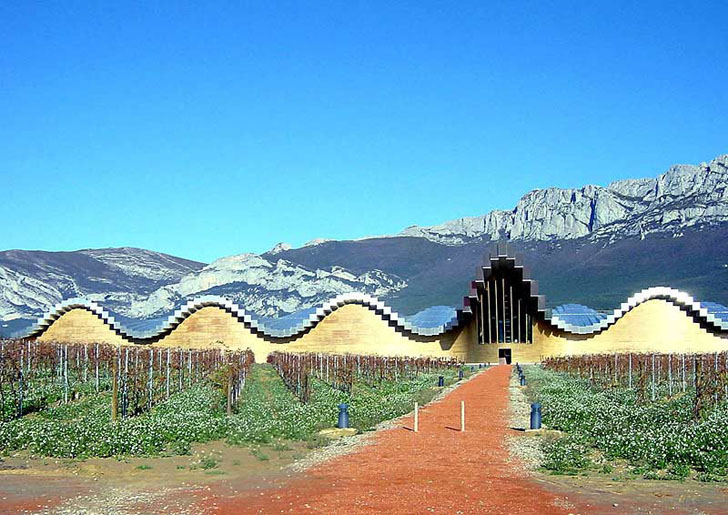
Bodegas Ysios Winery, Spain:
Nestled in the Rioja Alavesa wine region, this award-winning winery designed by Santiago Calatrava features a stunning undulating roof made of precast concrete, blending harmoniously with the surrounding landscape.
Salk Institute for Biological Studies, USA:
Designed by Louis Kahn, this architectural masterpiece in California showcases precast concrete panels as the primary building material, creating a serene and minimalist environment for scientific research.

Petronas Towers, Malaysia:
Although not entirely constructed using precast concrete, these iconic twin towers in Kuala Lumpur incorporate precast concrete cladding on their facades, contributing to their distinct appearance.

Marina Bay Sands, Singapore:
While the main structure is steel and glass, the podium section of this integrated resort complex in Singapore features an extensive precast concrete facade, showcasing a unique geometric pattern.

Heydar Aliyev Center, Azerbaijan:
Designed by Zaha Hadid Architects, this cultural center in Baku features flowing precast concrete panels that curve and sweep, giving the building a fluid and organic appearance. And more.

What is the tallest precast building in the world?
The Zalmhaven Tower housing complex currently under construction in Rotterdam City, Holland is an excellent example of contemporary precast concrete technologies & innovation. The housing tower has 58 floors measuring 215m. There are 257 apartments in the project in total.
Is it cheaper to use precast concrete?
Precast concrete walls' price can vary depending on the material used for various purposes. Transport of precast concrete materials can help to reduce waste and reduce labor costs as well. Reduce the delay.
Using precast concrete is often more cost-effective than traditional cast-in-place concrete construction methods. The cost-effectiveness of precast concrete depends on a variety of factors, including specific project requirements, local labor and material costs, and the scale of construction.
1. Reduce labor cost: save labor cost and speed up construction progress, because most of the work is done in the prefabrication steel, factory
2. Quality Control: Precast concrete fabrication allows for a strict quality control process as components and structures are produced in a controlled environment. This results in a higher quality and more consistent product.
3. Reduced material waste: Precast concrete fabrication can reduce material waste compared to traditional cast-in-place cement, which may produce excess concrete due to formwork requirements and other factors.
4. Weatherproof: Precast concrete elements are less susceptible to weather conditions during production, for example, reducing the risk of weather-related delays and associated costs. etc.
Conclusion
In conclusion, the world of precast concrete buildings is a testament to human ingenuity and creativity. From awe-inspiring skyscrapers to carefully restored historical treasures, precast concrete continues to shape the architectural landscape around the world. With sustainable practices and innovative technologies on the horizon, the future of precast concrete construction holds even more astonishing possibilities.
As architects, engineers, and builders continue to push the boundaries of what is achievable with precast concrete, we can look forward to witnessing even more impressive and sustainable structures that define the cities of tomorrow.