






Introduction
Precast concrete is a game-changing innovation that has contributed to the building industry's rapid development in recent decades. The term "precast concrete" refers to a building technique in which concrete parts are cast in a factory setting distant from the actual construction site and then shipped to the site for assembly. This new method has revolutionized the construction industry by opening up a world of possibilities regarding cost-effectiveness, durability, aesthetics, and more. This article will go into the world of precast concrete, discussing its benefits, production method, applications, and future role in ensuring the construction industry's viability. Precast Concrete Magnet is a premier platform highlighting the newest developments and advancements in precast construction. It is an excellent resource for learning more about precast concrete and its many uses.
What is Precast Concrete?
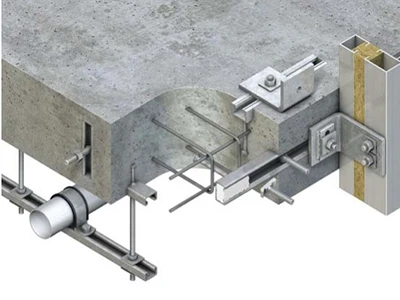
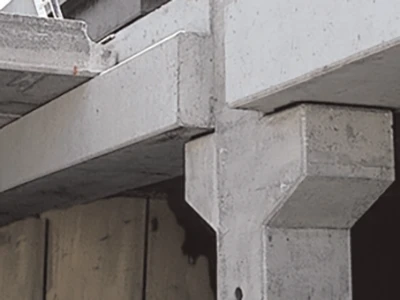
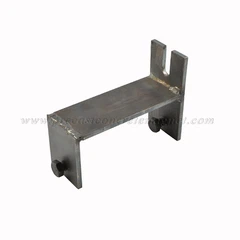
The construction material known as precast concrete is made by pouring concrete into molds or forms that may be reused in a factory that specializes in manufacturing precast items. This process creates the material. Meticulous attention to detail and severe quality control procedures are required to cast the components necessary for the operation, such as walls, beams, columns, slabs, and other unique pieces. After the curing process is complete, these components are transported to the location where they will be assembled; as a result, there is no longer a requirement for casting to be done on-site. One example of a precast concrete product may be seen in the image that can be found below.

Manufacturing Process of Precast Concrete
The production of precast concrete goods necessitates several critical procedures.

Below, the processes are explained in detail.
Design and Mold Creation
The design phase is the first step in producing precast concrete. The combined efforts of engineers and architects develop the necessary precast elements. After the design has been finalized, molds and formwork are made so that the plan may shape the concrete.
Concrete Casting
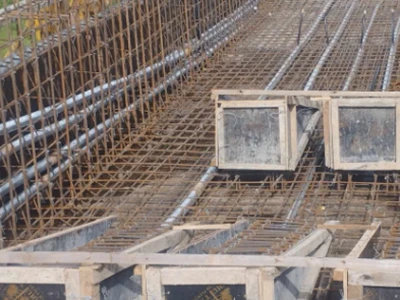
The molds are then filled with high-quality concrete that has typically been reinforced with steel bars after it has been mixed. By vibrating the molds, we can ensure the concrete is correctly compressed and contains no air bubbles.
Curing and Quality Control
Precast components are strengthened by being exposed to a curing environment after casting. At this stage, the elements undergo rigorous quality control checks to ensure their dimensions, strength, and surface finish are up to par.
Transportation and Installation
The precast elements are shipped to the assembly site once they have reached the required strength level. Someone can ensure the structure's integrity using proper handling and installation techniques.
Advantages of Precast Concrete
Incorporating precast concrete into modern building methods has resulted in many benefits due to this material's exceptional versatility.
Time and Cost Efficiency
Precast concrete is popular in construction because it reduces building time and expense. Precast pieces made in a controlled environment and operations in the construction area can minimize construction time. The project will finish much faster. The precision production method eliminates scrap and saves money. The following table shows how precast concrete saves time and money.

Quality and Consistency
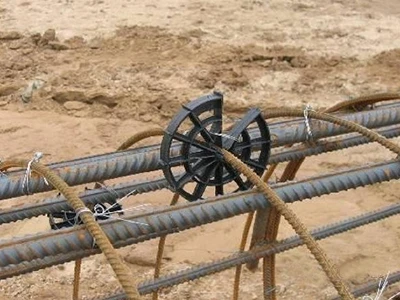
Precast concrete quality and uniformity exceed on-site concrete casting. Precast concrete is created industrially. Precast component manufacture is tightly monitored. Thus, every design criterion may be met, and strict quality control can be established. The same replaceable pieces make the final product consistent and reliable. The graphic below shows how steel reinforcing bars are regulated to strengthen and improve precast concrete.

Environmental Benefits
In a time when sustainability is paramount, and its worth cannot be overstated, precast concrete stands out as an eco-friendly construction option. The production process allows for using recycled materials, which helps reduce the need for primary resources and the quantity of waste created. In addition, precast concrete production often takes place with minimal carbon impact, which improves building practices. The image below shows how precast concrete is kind to the planet.

Safety and Durability
Making buildings and other infrastructure (such as roads and bridges) more resilient helps to ensure that they will stand the test of time and keep people safe. Precast concrete buildings are incredibly durable and long-lasting, highly resistant to earthquakes and other environmental stress. The subsequent graph illustrates the dependability and durability of precast concrete.

Design Flexibility
Architects and designers can access various unique design choices by utilizing precast concrete. These changes can take many forms. It is possible to mold it into different shapes, sizes, and textures, which permits the development of aesthetically appealing and conceptually intriguing structures. Because of its malleability, it may be used to make a variety of structures.
Applications of Precast Concrete
Applications for precast concrete can be found in many different areas of the construction industry, including the following:
Residential Construction.

Components made of precast concrete are utilized extensively across the residential construction industry. This includes building apartments, single-family homes like above, and even prefabricated housing options. Some popular applications include stairways, flooring systems, and walls made of precast concrete.
Commercial and Industrial Buildings
Precast concrete as a building material is prevalent in the commercial, industrial, and institutional sectors. Facades, beams, columns, and flooring systems are typical applications for this material in buildings. Because of the ease with which it can manage quality and the speed with which it can be created, it is an excellent option for undertaking tasks of a significant scale.
Infrastructure Projects
The use of precast concrete in various applications, such as the construction of bridges, tunnels, highways, and railway constructions, significantly assists in developing new infrastructure. These applications include the construction of bridges, tunnels, roads, and railway constructions. We have every reason to believe that these essential infrastructure components will continue to ensure our safety over a very long period due to their capacity to withhold significant weight and severe circumstances in the surrounding environment.

Sustainable Construction Initiatives
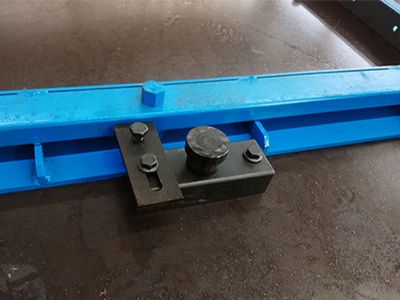
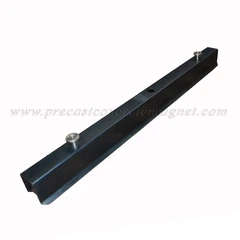
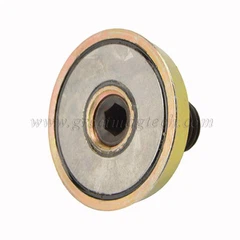
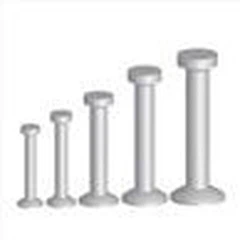
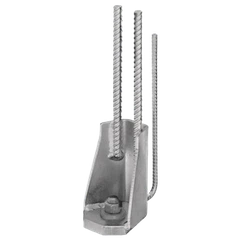
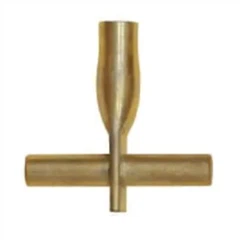
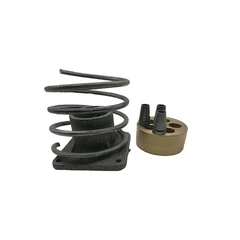
Precast concrete has become an industry standard for eco-friendly buildings as the world approaches greener practices. Given its potential to enhance resource efficiency, energy savings, and the use of recycled materials, green building initiatives can only benefit from it. Also, check out https://www.precastconcretemagnet.com/, as they feature cutting-edge technology, such as precast concrete magnets, which facilitate accurate positioning and assembly of precast components.
Cost Considerations of Precast Concrete
The material's price significantly impacts precast concrete's viability and economic feasibility in construction projects. Precast concrete has several benefits, but before investing in it, it's essential to understand what goes into determining its price. Here are some of the main factors that affect precast concrete prices:
Design Complexity and Customization
The price of precast concrete pieces can vary widely depending on how complicated their designs are. Higher production costs directly result from the need for customized molds and more labor to accommodate shapes, details, and architectural aspects that need to be revised. However, uniform designs often result in lower costs.
Production Volume
The project cost may increase or decrease depending on the number of precast concrete parts needed. As a result of economies of scale, many manufacturers give price breaks for orders placed in larger quantities. Consequently, larger projects can enjoy lower per-unit costs.
Material Selection
Precast concrete prices are sensitive to the final product's aggregates, cement, and additives. The price may rise if you opt for a high-performance blend or an addition to boost a desired property, such as durability or insulation.
Transportation and Installation
Elements made of precast concrete are produced away from the actual construction site and then brought there for use. The distance between the two locations determines how much it costs to transport materials from the factory to the construction site. The installation process may also require specialized tools and trained professionals, which could increase the price.
Finishes and Surface Treatments
The price of your precast concrete project may change depending on the surface treatments and finishes you select. Costs may rise if more time and materials are needed to achieve the desired smooth, polished, or textured finish.
Reinforcements and Structural Requirements
Precast concrete elements may require extra reinforcements like steel bars or fiber reinforcement to meet the structural requirements of the project. These fortifications raise the total price.
Quality Control and Testing
Precast concrete elements must be tested and inspected frequently to ensure their quality and functionality. These quality checks raise production costs but are necessary to provide long-lasting, dependable goods to customers.
Installation Complexity
Precast concrete pieces may require less work to install, saving costs. Using simple, quick-to-assemble parts could reduce installation time and labor costs.
Local Regulations and Permits
Costs may increase if you need to get permits or adhere to other regulations mandated by your municipality. Precise design adjustments or material swaps are sometimes required to achieve regulatory compliance.
Maintenance and Lifecycle Costs
Precast concrete's durability and low maintenance needs can result in long-term cost benefits, despite the material's higher initial prices compared to more conventional building materials. Lifecycle cost analysis is essential for a total cost breakdown.
As a result of these factors, the price of precast concrete walls is measured in terms of their area in square feet or square meters. Therefore, the going rate for precast concrete walls is between $50 and $150 per square foot. Please remember that these estimates could shift depending on the market's current state and your project's particulars.
The Role of Precast Concrete in a Sustainable Future.
Urbanization, population increase, and climate change pose significant threats to the building and construction industry, heightening the need for environmentally responsible building approaches. This is because the time to implement these measures is now, not later. Precast concrete is increasingly used as part of the push for a more sustainable future.
Reducing Environmental Impact
Due to urbanization, population expansion, and climate change, more environmentally friendly building practices are needed. Due to the increasing urgency of these tasks, precast concrete is becoming increasingly crucial for long-term viability.
Energy Efficiency
Precast concrete, which uses less energy, reduces the construction industry's energy use. Precast concrete is factory-made, not on-site. Precast buildings' thermal mass helps optimize energy use during operation.
Green Building Certifications
Precast concrete can assist projects in acquiring Leadership in Energy and Environmental Design (LEED) and Building Research Establishment Environmental Assessment Method (BREEAM) certifications, which are extensively adopted worldwide. Precast concrete can help projects earn LEED and BREEAM certifications. LEED and BREEAM, two of the most popular green building certifications, can be achieved with precast concrete. Energy-efficient and environmentally friendly buildings receive these certifications.
Resilient Infrastructure
Precast concrete structures exhibit increased resilience in the face of growing climate-related difficulties. These structures can survive extreme weather events and contribute to the durability of essential infrastructure.
Innovations and Future Trends in Precast Concrete
The ability of precast concrete to play a role in the construction sector is being shaped by both continuous advancements and upcoming trends. Thus, its future seems promising.
Digital Integration
Precast concrete is not immune to the ongoing revolution in Building Information Modeling (BIM), which alters how construction projects are planned and carried out. BIM allows all stakeholders to work together, streamlining the design and manufacturing process.
Modular Construction
In modular construction, where entire building parts or modules are made off-site and then integrated on-site, precast materials play an essential and central role in the construction process. This method results in greater efficiency, decreased building time, and minimum disruptions to the site.
High-Performance Concrete
Recent developments in concrete technology have paved the way for creating high-performance concrete mixes, which display outstanding levels of strength, durability, and resistance to the pressures imposed by the surrounding environment. Precast concrete may now accommodate a wider variety of projects thanks to these customized concrete mixes.
Innovative Concrete
Efforts are being made to develop "smart concrete," which would contain embedded sensors to track a building's condition and functionality in real-time. In terms of preventative maintenance and overall safety, significant benefits can be derived from this technology's utilization.
Case Studies of Precast Concrete Projects
The revolutionary effect that precast concrete has had on contemporary buildings may be seen in several prominent projects, including the ones that are listed below:
The Burj Khalifa, Dubai
The engineering genius of precast concrete is on display in the Burj Khalifa, which holds the record for the tallest structure in the world. This world-famous skyscraper was built extensively using precast parts, contributing to the short time it took to construct the building and its efficient structural design.

The Øresund Bridge, Denmark-Sweden
Precast concrete segments are utilized to construct the bridge spans on the Øresund Bridge, which connects Denmark and Sweden. This novel strategy made rapid assembly possible and reduced the disturbance caused to traffic during the construction phase.

Conclusion
Precast concrete, a technological marvel, changed building methods. It saves time and money, is better, eco-friendly, and flexible, making it a preferred choice for construction projects. Precast concrete's importance in sustainability and resilient infrastructure is growing as the building industry prioritizes sustainability. Precast concrete may help us build a more sustainable and efficient planet. Ongoing advances and emerging trends shape precast concrete's future, and www.precastconcretemagnet.com provides a comprehensive selection of precast concrete products and services to satisfy the requirements of various building projects.