





Precast concrete foundation walls have become famous for residential and commercial buildings due to their many benefits. Precast concrete walls are concrete structural elements cast and cured in a controlled manufacturing environment, then transported to the construction site for installation. Unlike poured foundations cast on-site, precast wall sections are fabricated off-site in a plant using specialized equipment and techniques.

The precast fabrication process allows for excellent quality control, as the concrete mix design, casting, vibration, curing, and testing are all closely monitored. This results in high-strength, durable concrete elements with consistent finishes and textures. Additionally, forming the walls in a plant includes insulation, openings, and attachments like anchor bolts before transport.
Once cured, the precast panels are lifted from the forms and shipped directly to the job site. The meetings are erected and connected to create the building's foundation walls. Precast installation is extremely fast compared to traditional poured methods. The walls are lowered into place by a crane and connected. This allows other trades to begin work quickly as the above-grade structure is built.
Precast concrete foundations offer owners and builders schedule savings, performance, and precision. The following sections will outline the key steps for producing precast concrete foundation walls, from mix design and casting to curing and installation.
Why Choose Precast Foundation Walls?
In modern construction, precast concrete foundation walls have become one of the fastest-growing foundation structure options, particularly suitable for projects with extremely high requirements for structural strength, construction speed, and quality consistency. Compared to traditional cast-in-place foundations, precast foundation walls offer significant advantages in quality, efficiency, and stability:
1. Faster construction speed and significantly shorter construction period
2. Higher quality and more precise dimensions
3. Less on-site labor, reducing errors and safety risks
4. Superior structural performance
5. Year-round production, installation unaffected by weather
6. Integration of different inserts, improving installation efficiency
7. More environmentally friendly and cost-effective
Planning and Design
Planning and designing precast concrete foundation walls involves several key steps to ensure the panels meet project requirements.
Determine Load Requirements and Soil Conditions to Engineer Proper Wall Design
The first step in planning precast foundation walls is determining the appropriate wall design and specifications to withstand the loads and conditions at the building site. The wall panels must be engineered to support the structure's weight above, resist lateral soil pressures, and adequately transfer loads into the footing below. This requires an evaluation of several factors:
● Dead and live vertical loads: The self-weight of the structure, as well as occupant/furniture loads, dictate steep demands. Snow, wind, and seismic loads also impact design.
● Soil type and lateral earth pressures: Clay, silt, sand, and gravel soils impose different lateral forces. Retained soil height influences pressure as well.
● Surcharge loads: Sloping grades, adjacent foundations, or surface loads add surcharge pressures.
● Environmental factors: Groundwater table level, potential chemical exposure, and climate freeze/thaw considerations affect design.
Once the applicable loads are determined, the wall components can be selected and reinforced for adequate strength-standard design codes and best practices appropriately guide size precast panels, connections, and foundation elements.
Choose Wall Thickness and Reinforcement Based on Structural Needs
Precast wall thickness is selected based on the reinforcement required to resist bending stresses and transfer loads safely into the foundation. Typical thicknesses range from 6 to 12 inches. The reinforcement is usually in the form of rebar cages inserted into the panel forms before concrete placement. Rebar size and spacing are specified by the engineer per project demands.
Greater loads or wall heights require thicker panels and more robust reinforcement. Openings for windows, doors, and utilities also impact design. Concentrated loads around openings need additional support. Panels may be solid concrete or utilize insulating concrete forms to provide integral insulation. The chosen form type influences panel thickness.
Design Connections Between Panels and Integrate Openings for Doors, Windows, Utilities
Properly designing the connections between precast panels and integrating openings are critical details. The vertical joints between panels are typically grouted and reinforced once erected. High-strength bolted connections anchor the base of the wall to the footing.
Openings must align across panels and have additional reinforcement at corners. Contraction/control joints are also required for concrete curing movement between panels. The
pattern and location of planned openings should be coordinated early when designing the boards. Securing penetrations for utilities also requires an integrated approach.
Account for Transportation and Installation Requirements in Design
Lastly, the constraints of transportation and on-site installation need consideration. Road regulations limit panel dimensions. Lifting inserts must be designed into the panels. The weight of the elements needs to correspond to available crane capacities at the site.
Temporary bracing may be required during erection until-upper floors or backfill provide lateral stabilization. The foundation design and site preparations must enable safe panel installation. Addressing these factors in the planning phase results in precast elements that are optimized for efficient fabrication, delivery, and assembly.
Formwork and Reinforcement
Proper formwork and reinforcement are critical to producing durable, high-quality precast concrete foundation walls.

Construct Durable Formwork Able to Withstand Concrete Pressure
● Formwork must be watertight and withstand fluid concrete pressure without bowing.
● Sturdy materials like steel, fiberglass, or treated plywood are commonly used.
● Form joints must be sealed and braced to prevent leakage
● Form surfaces should be smooth to achieve desired wall finish.
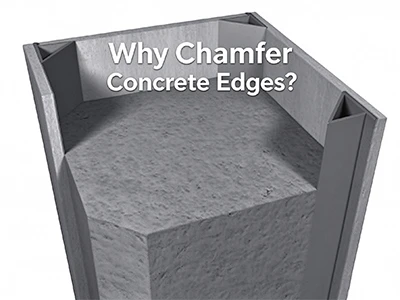
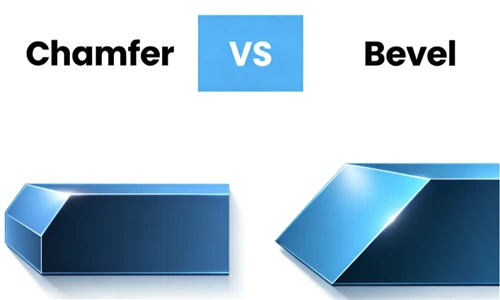
● Formwork needs beveled strips or chamfers to ease panel edge details.
● Form release agents are applied so panels detach easily after curing.
● Form alignment, dimensions, and tolerance are verified before concrete placement.
Prepare Footing to Receive the Bottom Connection of Wall Panels
● Footing is formed and cast with protruding dowel rods to tie into wall panels
● Dowel size, spacing, depth, and position must match the panel design
● The footing surface is cleaned and roughened to improve the panel connection
● Leveling and survey marks guide footing preparation and panel placement.
● Temporary wooden kickers help position first row of panels.
Install Rebar Reinforcement Following Engineering Specifications
Rebar cages are fabricated and placed into the forms before concrete pouring. The rebar's size, spacing, and configuration must precisely match structural design drawings.
Rebar Specifications | Description |
Size | #3, #4, #5 bars commonly used |
Spacing | 4 - 12 inches on center, typically |
Clearance | 1 - 2 inches from form edges |
Overlaps | Lapped 30 bar diameters minimum |
Bends | Gradual bends without kinks |
Workers must tie and support rebar properly within the forms to hold position during concrete placement. Rebar laps, corners, and openings need special attention.
Include Anchors for Lifting and Connectors Between Panels
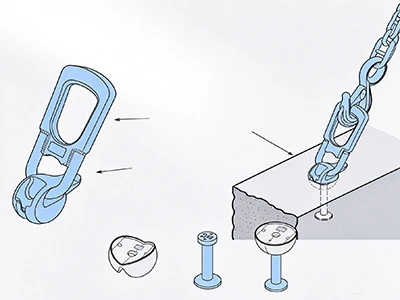
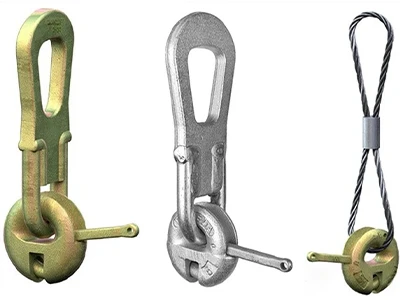
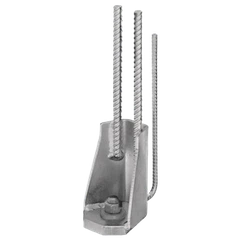
Lifting inserts cast into the panels allow connection to crane rigging. The quantity, capacity, and position enable safe handling. For mat slab foundations, specialty rebar connectors link the wall panels together. These interlock with reinforcing dowels precast in the slab. Proper installation of anchors and connectors ensures the walls integrate successfully.
Inspecting the prepared formwork and reinforcement is imperative before pouring concrete. All dimensions, clearances, and engineering specifications should be double-checked. Once approved, quality concrete placement can begin.
Concrete Production and Pouring
Consistent, high-quality concrete is essential for durable, reliable precast foundation walls. Careful control of the concrete mix design, batching, placing, and curing is required.
Select Quality Concrete Mix Design and Raw Materials
The concrete mix proportions and materials must yield the strength, workability, and finish specified by the engineer. Typical precast concrete utilizes a compressive force between 5,000-8,000 psi and low permeability. The cement, coarse and fine aggregates, admixtures, and water quality impact performance. Mix adjustments may be required to account for regional material variances.
Control Batching and Mixing Procedures for Consistency
Precast plants use automated, computer-controlled batching equipment to weigh materials precisely. Raw materials are stockpiled to maintain uniform moisture conditions. Concrete is mixed thoroughly in a large drum to distribute the aggregates and paste uniformly. Mixing energy and time is consistent between batches.
Test Concrete Samples to Confirm Strength and Workability
As concrete is produced, sample cylinders are cast to verify the compressive strength meets standards. Slump, air content, and temperature are measured to check workability and quality. The concrete is tested and must achieve passing results before being placed in the forms.
Secure Formwork Quickly and Safely with Shuttering Magnets
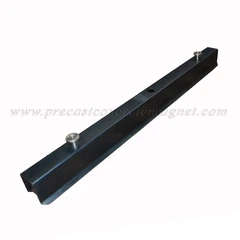
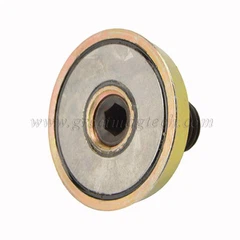
Shuttering magnets
provide an innovative solution for securing reusable formwork panels. The high-powered magnets ranging from 450-2600kg adhesive force temporarily hold wood, steel, or aluminum forms firmly in place without welding or drilling.
Workers simply position the precast formwork and press a button to engage the magnet's powerful neodymium magnetic circuit encased in a durable steel box. This creates a strong, adjustable connection to steel tables or frames. When ready to strip forms, the worker releases the magnetic force with a control rod or lever to effortlessly detach and reposition forms.

Key benefits of shuttering magnets:
● Increase formwork installation speed up to 70%
● Enable easy reconfiguration and adjustments
● Reduce surface damage to forms or tables
● Highly versatile for varied formwork materials and designs
● Durable weatherproof construction for repeated use
● Available in sizes and shapes to suit the application
Using shuttering magnets enhances productivity, precision, safety, and formwork longevity for precast applications.
Join Wall Panels Securely with Connector Box Loops

A reliable structural connection between precast wall panels is critical. Connector box loops provide a simple, durable embedded anchor for joining panels.
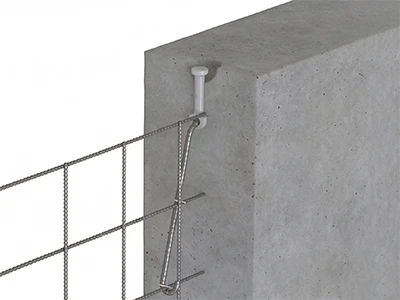
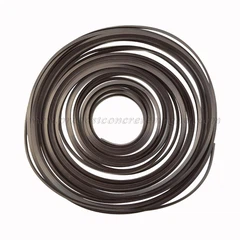
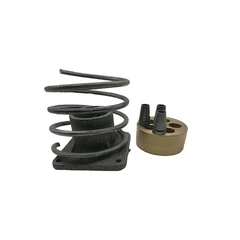
The loops consist of a high-strength galvanized steel wire rope contained in a steel box. The box attaches to formwork before pouring concrete, allowing the coiled wire rope to embed directly into the panel.
Once concrete cures, the loop is popped out to expose an attachment point between panels. The flexible rope transfers tension loads safely between wall sections while allowing controlled movement.
Benefits of connector box loops:
● Embeds easily into poured concrete
● Pops out automatically with no re-bending
● Transfers structural loads between panels
● Ductile steel rope allows controlled movement
● Corrosion-resistant rope and casing
● Color-coded clips for identification
● Compact size for transport and storage
Connector box loops create robust precast concrete connections quickly, simply, and reliably.
Lift and Handle Panels Securely using Coil Loop Inserts

These inserts feature an end coil welded to a looped wire helix. The coil shape allows concrete flow through the insert during pouring for solid encapsulation. After curing, it leaves an exposed, strong attachment that distributes lifting forces over a large area.
Coil loop inserts prevent concrete breakout or crumbling when handling. They also self-clean from debris and create anchors for bolted connections.
Benefits of coil loop inserts:
● Distribute loads over a large area for safety
● Weld-attached coil resists pullout forces
● Self-cleaning coil shape clears debris
● Easy bolted attachment point for rigging
● Custom lengths and capacities available
● No special placement or consolidation needed
Coil loop inserts allow safe, efficient lifting and installation of precast elements.
Pour Concrete into Forms Using Pumps, Buckets, or Cranes as Needed
Concrete is carefully deposited into the forms, avoiding segregation or splashing. Pumping, crane buckets, conveyors, or tremies all enable precise concrete placement. The pour rate, height, and technique avoid disrupting rebar. Workers spread and consolidate during the pour. Cold joints between batches are prevented.
Consolidate Concrete Properly with Vibrators to Avoid Voids
Using internal vibrators removes entrapped air and fully consolidates the concrete around the rebar without segregation. Immersion vibrators of appropriate size and frequency are methodically inserted and withdrawn. Vibration is applied until the concrete becomes fluid and air bubbles surface.
Follow Curing Requirements Carefully for Full Strength Development
Precast elements must cure adequately - usually within the forms for 12-24 hours. This allows chemical hydration and heat generation to build early strength. Careful temperature and moisture monitoring is required before stripping forms and further curing. Adhering precisely to specified curing regimens results in concrete reaching its full design strength.
Demolding, Handling, and Storage
After proper concrete curing, the precast panels must be removed from forms, transported, and stored until installation.
● Formwork is stripped once concrete reaches sufficient strength, usually within 12-24 hours. Form surfaces are lubricated to ease removal without damaging the panel.
● Panels are lifted vertically by crane using calibrated lifting inserts cast into the panels. Nylon slings connect rigging to the inserts to hoist each panel for staging and loading onto trucks.
● Every panel is marked with an identification number corresponding to production records and shop drawings. This allows tracking through production, transport, and final installation.
● Forklifts, reach stackers, or overhead cranes maneuver panels around the factory and load onto tractor trailers or specialized tilt bed trucks for delivery to the job site or inventory yard.
● Panels are stored upright on firm ground or blocking to prevent differential settlement or cracking. Dunnage evenly distributes loads between stacked panels. Proper storage protects panels from damage.
Proper demolding, handling, and storage procedures prevent damage to finished precast concrete products after they are cast and cured.
Installation
To construct the foundation system, installing precast concrete foundation walls requires careful preparation, lifting, connecting, and backfilling.
● The footing or slab foundation must be properly cured and prepared with dowels, connectors, and anchor bolts to match the wall panels. Surfaces are cleaned and leveled to specifications.
● Panels are rigged with nylon slings attached to threaded inserts cast into the panels. Cranes lift and position each panel above the foundation.
● Workers guide the panel into place and connect dowel rods or anchor bolts to the foundation. Adjacent panels are connected with grout, rebar splices, or mechanical connections as designed.
● Bracing and strongbacks hold panels straight and plumb until all joints are secured, and the structure above provides lateral stability. Alignment is checked to ensure walls are square and within tolerance.
● After panels are joined and stabilized, the wall exterior is dampproofed or waterproofed as needed. Backfill is placed and compacted on both sides using clean granular fill materials.
● The general contractor and installers complete an inspection to verify the walls are appropriately placed, connected, waterproofed, and backfilled to meet the structural design.
With good site preparation and proper installation techniques, precast concrete foundation walls can be erected accurately and efficiently to start building projects on a solid base.
Quality Control and Safety
Maintaining rigorous quality control and safety procedures is imperative when fabricating and erecting precast concrete foundation walls.
● Safety protocols must be enforced with formwork, rebar, concrete, and lifting elements. Proper PPE, training, and equipment inspections are critical.
● Formwork is examined before each use for defects and signs of deformation. Rebar is inspected to verify size, spacing, position, and splicing per specifications.
● Concrete cylinders are tested to confirm compressive strength has reached the required psi before stripping forms. Cores may be taken from cured panels to validate concrete quality.
● After demolding, finished panels are checked for cracks, spalling, and other flaws. Any defects are mapped, then repaired, and re-inspected.
● Workers monitor finishing operations to avoid overworking the surface or damaging edges and corners.
● On-site after installation, walls are protected from damage and cured properly by controlling temperature and humidity.
● Daily quality control reports document inspections, tests, and any corrective actions throughout the precast concrete foundation process.
Strict adherence to codes, specifications, and best practices ensures the final product meets the design's structural integrity, aesthetic, and durability requirements.
Conclusion
The production and installation of precast concrete foundation walls require expertise across design, engineering, materials science, and construction techniques. When appropriately executed, quality, structural performance, speed, and efficiency benefits are well worth the careful coordination required.
The process begins with thorough planning and engineering to customize the wall design and concrete mix for the project's specific demands. Formwork and reinforcement must be constructed with precision to match the structural drawings. Raw concrete materials are rigorously selected, tested, and monitored to achieve the specified strength and workability.
Controlled factory conditions enable consistent, high-quality fabrication of the precast panels.
Demolding, handling, and site preparations protect the finished products until installation. The walls are then erected and connected using proper techniques by experienced crews.
Quality control, testing, and safety procedures are vital at every stage, from design to construction completion. Careful attention to rebar placement, concrete consolidation, curing, connections, and backfill ensures structural integrity and long-lasting performance.
With the right expertise, equipment, and management applying the methods covered in this guide, precast concrete foundations can be an efficient, high-quality solution for residential and commercial buildings alike.
FAQs
1. What are the main advantages of precast concrete foundation walls?
Precast foundation walls provide faster installation, superior quality, consistent dimensions, reduced on-site labor, and better long-term durability. They are manufactured in controlled factory conditions, resulting in fewer defects and shorter project schedules.
2. How strong are precast foundation walls compared to cast-in-place foundations?
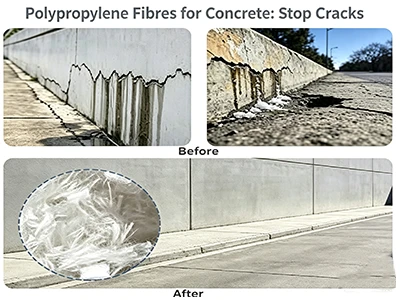
Precast walls often achieve higher strength and lower cracking due to controlled curing and vibration processes. They resist lateral soil pressure effectively and maintain better dimensional accuracy, making them ideal for basements, retaining walls, and load-bearing structures.
3. Can precast foundation walls be used in basements or underground structures?
Yes. Precast walls are widely used in basements, underground rooms, storm shelters, pump houses, and modular structures. They offer excellent waterproofing, stability, and durability in soil-contact environments.
4. How are precast foundation walls transported and installed?
Panels are transported using A-frame racks or flatbed trailers and lifted into place using certified lifting anchors embedded during production. Installation typically requires:
crane lifting
panel alignment
temporary bracing
grouting or mechanical connections
Most installations can be completed within a few hours depending on project size.
5. What is the typical thickness of precast foundation walls?
Common thickness ranges from 150–300 mm (6–12 inches), depending on:
building load
soil pressure
height of the wall
engineering design
Thicker sections may be used for retaining walls or high-load areas.
6. Are precast foundation walls waterproof?
Yes, precast walls can be highly waterproof when combined with:
factory-applied membranes
joint sealants
waterproof grouts
proper drainage systems
controlled curing to minimize cracking
Factory precision reduces permeability and improves long-term moisture protection.
7. What joints or connections are used between panels?
Common connection methods include:
grout-filled keyways
rebar couplers
dowel bars
mechanical connectors
welded plates
sealant-filled joints
The method depends on engineering requirements and local building codes.
8. What accessories are embedded in precast foundation walls?
Manufacturers often embed:
lifting anchors
rebar couplers
electrical conduits
window/door block-outs
waterproofing layers
shuttering magnets during production (for formwork alignment)
9. What are the main advantages of using precast concrete foundation walls?
Some key advantages of precast foundation walls include speed of installation, high-quality concrete, durability, uniformity, and cost savings from reduced labor and formwork on site. The controlled factory setting allows for efficient fabrication.
10. How thick are precast concrete foundation walls?
Typical thicknesses range from 6 inches to 12 inches thick. The required thickness depends on the structural design, building loads, wall height, and reinforcement needed.
11. How are precast wall panels connected?
Panels are connected using welded rebar splices, cast-in connections that interlock with dowels in the footing, grouted joints with reinforcing steel crossing the joint, post-installed anchors, or mechanical connections.
12. How are openings for windows and doors created in precast walls?
Openings are incorporated into the panel design and formed when the panels are cast. Additional reinforcing steel is added around the entrances to maintain structural integrity. Panels with doors are then erected and connected on site.
13. What kind of foundation is needed to support precast concrete walls?
Precast walls usually bear on reinforced concrete spread or individual footings. A reinforced concrete mat slab foundation can also support panels with specialty connectors embedded in the slab.