






Have you ever wondered how to achieve the perfect balance between efficiency, cost-effectiveness, and durability in new construction methods? Precast concrete panels may be the answer. These precast panels are manufactured in factories and then transported to construction sites, becoming a revolutionary material in modern building practices. Let's explore why precast concrete panels are the future of architecture and the unparalleled advantages they offer.
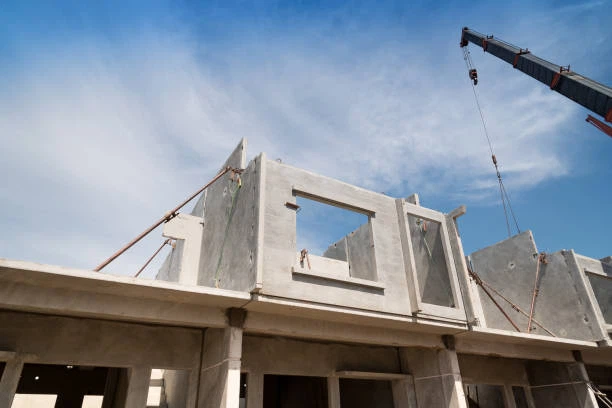
Benefits of Using Precast Concrete Panels
Precast concrete panels offer several advantages, including long-lasting durability, cost-effectiveness, and design flexibility. These panels are resistant to corrosion, extreme weather conditions, and fire, making them an ideal choice for harsh environments. Additionally, their off-site manufacturing reduces material waste and speeds up construction timelines.
Durability and longevity: When it comes to durability, nothing beats the lifespan of precast concrete panels. These panels are crafted with high-quality materials that resist corrosion and deterioration and are designed to withstand the harshest weather conditions, seismic activities, and even fire. This eliminates the need for routine upkeep or replacement, ensuring that they will retain their pristine appearance for a considerable amount of time without incurring any further costs.
Cost-effectiveness: The cost savings associated with precast concrete panels are quite remarkable. Firstly, their off-site manufacturing process ensures efficient material usage, minimizing waste. Secondly, the quick installation process saves valuable time and labor costs. Moreover, their inherent durability means fewer maintenance and repair expenses over the long haul.
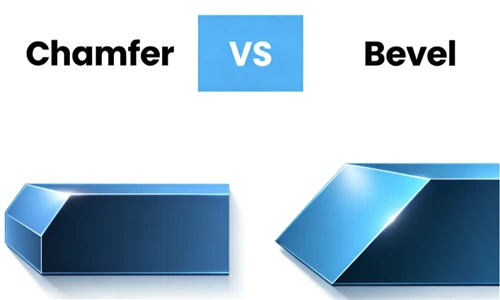
Design flexibility: Architects and designers adore precast concrete panels for their immense design flexibility. The panels can be customized in terms of shape, size, texture, and color, granting them the power to bring to life visually stunning and unique structures that meet even the most specific design requirements.
Sustainability: For environmentally conscious construction projects, precast concrete panels are an ideal choice. Their manufacturing process produces less waste compared to traditional on-site construction, making them eco-friendly. Furthermore, the use of recycled materials in their production further reduces their environmental impact.

Planning and Preparation for Precast Concrete Panel Installation
Site evaluation and preparation: Before the installation process commences, conducting a comprehensive evaluation of the construction site is crucial. This involves assessing soil conditions, determining load-bearing capacity, and identifying potential obstacles or hazards that might hinder the installation. Proper site preparation, including clearing the area and ensuring a level surface, is vital for a smooth installation.
Coordination with other trades: Successful precast concrete panel installation often involves seamless coordination with other trades, such as electrical, plumbing, and HVAC contractors. Open communication and collaboration with these trades ensure their work aligns perfectly with the installation schedule and requirements.
Scheduling and logistics: Planning and logistics are the backbone of a smooth installation process. Establishing the panel installation sequence, coordinating delivery schedules, and ensuring all necessary equipment and resources are on-site when needed are key factors for success.

Installation of Precast Concrete Panels
Panel placement and alignment: Precise panel placement and alignment are critical for a successful installation. Ensuring panels are positioned correctly according to design plans and aligned with adjacent panels for a seamless and structurally sound connection is necessary.
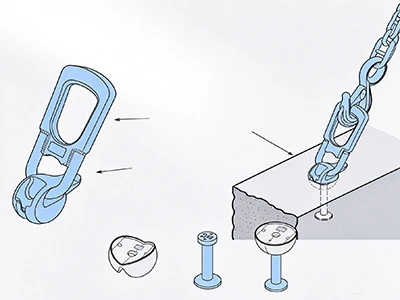
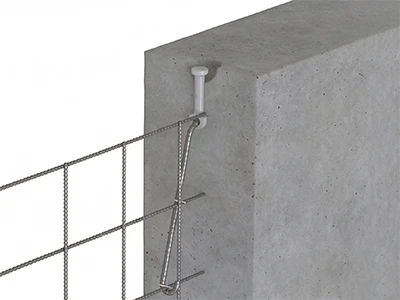
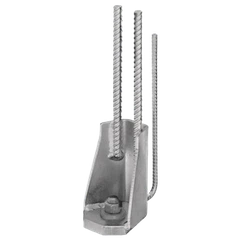
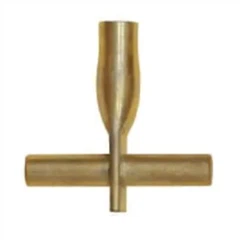
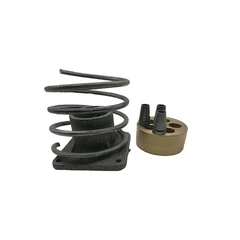
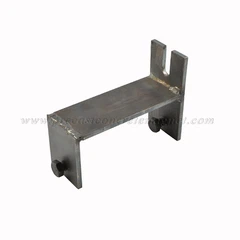
Connection and anchorage methods: The connection and anchorage methods used to secure precast concrete panels depend on project requirements and design. Welding, bolting, or the use of specialized connectors or sealants are some of the standard techniques for creating a robust and long-lasting connection between the panels.
Quality control and inspection: Regular quality control and inspection throughout the installation process ensure the panels are installed correctly and meet required standards. Checking for defects, cracks, or damage that may have occurred during installation and addressing them promptly are key steps in achieving quality results.
Jointing and Sealing of Precast Concrete Panels
Joint design and preparation: Ensuring the long-term performance and durability of precast concrete panels require proper joint design and preparation. Determining the appropriate joint width, depth, and configuration based on expected movement, weather conditions, and aesthetic requirements is crucial.
Sealant selection and application: Choosing the right sealant to properly seal and protect joints from moisture, air infiltration, and other potential sources of damage is vital. Ensuring the sealant is compatible with the materials used in the precast concrete panels and applying it according to the manufacturer's instructions provides effective sealing.
Quality control and inspection: During the process of jointing and sealing, regular quality control and inspections guarantee that joints are sealed appropriately and that the process itself meets the needed requirements. Checking for gaps, cracks, or issues that may affect the sealant's performance and addressing them promptly guarantees quality results.
Quality Control and Inspection During Installation
Monitoring of installation process: Regularly monitoring the installation process ensures precast concrete panels are correctly installed and meet the required standards. Checking for deviations from design plans, monitoring panel alignment, and addressing any issues or concerns that may arise are essential for success.
Identification and resolution of issues: Addressing any issues or concerns promptly during the installation process prevents further complications or delays. Consulting with the manufacturer or supplier, making necessary adjustments to the installation process, or seeking expert advice if needed are all crucial steps in achieving a successful installation.
Documentation and reporting: Properly documenting and reporting the installation process is essential for record-keeping and future reference. Documenting issues, changes made during installation, and any significant findings or observations and reporting them to relevant parties are crucial for effective communication.
Safety Measures for Precast Concrete Panel Installation
Personal protective equipment: Equipping all workers involved in precast concrete panel installation with appropriate PPE ensures their safety. Steel-toed boots, hard helmets, safety glasses, and gloves are some of the most vital items of personal protective equipment (PPE) that you may have. Vests with high visibility are yet another essential component of safety gear.
Fall protection: Implementing fall protection measures prevents falls from heights during the installation process. Protective measures such as guardrails, safety harnesses, and safety nets are very necessary. Proper training and supervision ensure workers are aware of potential fall hazards and know how to use fall protection equipment correctly.
Hazard communication and awareness: Maintaining effective communication and raising awareness of potential hazards is crucial for a safe working environment during precast concrete panel installation. Providing clear instructions and warnings, conducting regular safety meetings and training sessions, and encouraging workers to report safety concerns or near misses ensure a safety-focused work environment.
Maintenance and Repair of Precast Concrete Panels
Regular inspection and maintenance: Regular inspection and maintenance are essential to ensure precast concrete panels' long-term performance and durability. Inspecting panels for signs of damage, deterioration, or wear and tear and addressing issues promptly, along with regular cleaning and sealing to maintain appearance and protect them from environmental factors, are essential steps.
Repair and replacement procedures: Proper repair or replacement procedures should be followed when damage or defects are identified during the inspection process. Patching or filling cracks or holes, reinforcing damaged areas, or replacing panels as needed should be carried out with the guidance of the manufacturer or a qualified professional.
Preservation and restoration techniques: Over time, precast concrete panels may require preservation or restoration techniques to maintain their appearance and performance. Cleaning, repainting, or applying protective coatings are some potential preservation methods. Following the manufacturer's recommendations and guidelines ensures the best results.
Final Thoughts
In conclusion, precast concrete panels present numerous advantages in terms of durability, cost-effectiveness, design flexibility, and sustainability. However, ensuring a safe and efficient installation is paramount to capitalizing on these benefits fully. Meticulous planning, preparation, coordination, inspection, quality control, and maintenance all contribute to a successful installation process and the long-term performance of precast concrete panels.
The future of precast concrete panel installation is bright, with potential advancements and technological innovations on the horizon. We can expect further developments in materials and manufacturing techniques, enhancing precast concrete panels' durability, strength, and sustainability. Advancements in digital modeling and simulation tools may also lead to more precise and efficient construction methods. The potential for growth and improvement in the construction industry through precast concrete panel installation is exciting and promising.
FAQ
What are precast concrete panels, and how are they different from traditional construction methods?
Panels made of precast concrete are pieces that are prepared off-site and then delivered to the location where they are to be used in the building. Precast panels allow for quicker installation and better flexibility in design than conventional building methods, which include casting pieces directly at the construction site.
What are the advantages of using precast concrete panels in construction?
There are several advantages to using precast concrete panels, including their longevity, cost-effectiveness, flexibility in design, and sustainability. They can survive severe weather conditions, cut down on the amount of time needed for construction, and, in the long term, need less maintenance.
How is the site prepared for the installation of precast concrete panels?
Before the installation begins, a careful analysis of the building site is carried out to determine the state of the soil, the ability to support loads, and any possible obstructions. A seamless installation procedure may be ensured by doing proper site preparation, which includes removing and leveling the area.
What equipment is used for lifting and placing precast concrete panels?
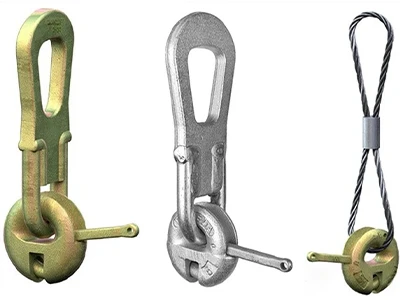
The moving and positioning of precast panels necessitate the use of specific lifting equipment, such as cranes, forklifts, or other specialist lifting devices. When deciding which equipment to use, it is important to take into consideration the panel's dimensions, as well as its weight and shape.
How are precast concrete panels secured and connected during installation?
There are a variety of ways that may be used to securely join panels, such as welding, bolting, or utilizing connectors that are specifically designed for this purpose. A robust and long-lasting connection is achieved by carefully planning and preparing the joints.
What safety measures are in place during precast concrete panel installation?
During the installation procedure, remembering to prioritize safety should be your priority. To ensure that workers can carry out their jobs in a risk-free setting, personal protective equipment (PPE) is issued to them, fall protection protocols are developed, and workers are kept informed about potential dangers.
How is the quality of precast concrete panel installation maintained?
Throughout the process of installation, quality control and inspection are performed at regular intervals to guarantee that the panels are installed in the proper locations and that they are up to the appropriate requirements. If any faults or deviations are found, prompt action is taken in response to such discoveries.
Are there customization options available for precast concrete panels?
Yes, precast panels provide you with a lot of leeway in terms of the ways you may customize them. They can be manipulated in terms of form, size, texture, and color to fulfill certain design needs and produce structures that are pleasing to the eye.
What are some potential future advancements in precast concrete panel installation?
It's possible that in the not-too-distant future, there may be breakthroughs in both the procedures and materials used in production, which will result in increased durability and sustainability. The use of digital modeling and simulation technologies has the potential to increase both the accuracy and efficiency of design.
Can precast concrete panels be used in both residential and commercial construction?
Yes, precast concrete panels are versatile enough to be used in a wide range of construction projects, including those involving the construction of residential and commercial structures. Due to their numerous applications and the benefits they offer, they are an ideal choice for a wide range of uses.