



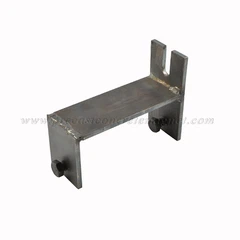
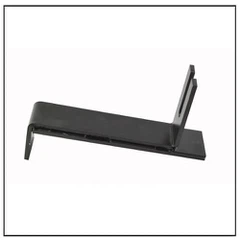


What is Precast Concrete?
Concrete Precasts are poured in the form of concrete into mold molds. Concrete is cured in a suitable environment. When cured, the mold may be removed and recycled. Precast or manufactured concrete mix products are transported to worksites for use on the project.
Precast concrete products are building elements manufactured off-site in a controlled environment and then transported to the construction site for installation. These products are made by pouring concrete into molds or forms, allowing the concrete to cure and gain strength before being transported to its final location. Precast concrete offers several advantages, including enhanced quality control, faster construction, and reduced on-site labor requirements. Common precast concrete products are, precast concrete wall panels, precast concrete stairs, precast concrete walls, precast concrete pipes
Precast Concrete Panels Definition
The precast concrete panel provides a one-panel cladding assembly made by one manufacturer in controlled environments. Our precast products are designed so that an interior finishing wall can be quickly installed in buildings and simply. Durable precast concrete offers good structural support and heating air and moisture management. Architectural designs can further choose from unlimited colors and textures for concrete precast wall cladding panels. Installing insulation on national precast concrete association panels reduces construction costs.

Precast Concrete Walls
Prefabricated concrete walls, floors, and ceilings are available for residential, commercial, and residential development projects as well. This wall comes in many different sizes that are customizable according to the project and need. Those walls have high reinforcement and they could act like stone retaining walls or create septic tanks if needed.
What are the Characteristics of Quality Precast Concrete?
It'll provide you with a better value for the cost when putting the pre-cast concrete on. If that happens, the value of your cash is likely to go unclaimed and the cost savings will have little impact. Here is one characteristic of an aood pre-cast concrete, which can be used as input into the uring process to make better decisions.
What is the typical connection of precast concrete elements?
4 types of welded connectors: (1) beam-to-scaffold systems; (1) beam-to-columns; and (3) wall-framed connection systems.
How are precast wall panels connected?
Welded connections – Welded connections are commonly used on prefabricated panels in utility buildings. It involves forming a loose sheet between steel structures and using welding to link the steel plates to structures.
Type of connection details
Mechanical connection:
Mechanical connection involves joining precast panels together using bolts, screws, or other fasteners. Common types of mechanical connections include shear connections, threaded rods, and plate connections. These connections provide a strong and rigid plate-to-plate connection, ensuring stability and load transfer.

Grouted connections:
Grouted connections involve filling the gaps between slabs with mortar or concrete, creating virtually an integral connection. This approach enhances load transfer and provides fire performance. It is usually used with tenons and bars cast in stone in place of grouted connections to increase its strength.
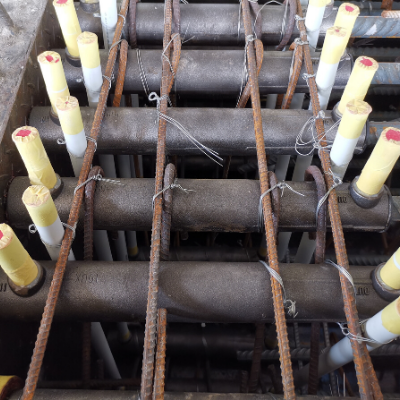
Welded Connections:
Welded connections are commonly used in prefabricated precast concrete industry construction. This connection can be easily adjusted with the changing field condition for durability and structural efficiency of the entire building. The connection can generally be formed by inserting a loose plate between two steel structures which are embedded either within or on a precast concrete panel and welded together.
Connection details:
The connection details of precast concrete wall panels are critical, here are some key details to consider during the construction and manufacturing process:
Material selection:
Select materials suitable for connection of structural elements, such other materials such as bolts, expansion bolts, welding materials, etc. Make sure that the selected material has sufficient strength and durability to meet the design requirements.
Precise processing:
When manufacturing prefabricated wall panels, it is necessary to ensure precise processing of the jjointsystems, such as lap joints and mortise and tenon joints, so that they can be accurately matched and connected at the construction job site.
Anti-corrosion measures:
For connections in open-air or humid environments, anti-corrosion measures must be taken to prevent the connection parts from weakening due to corrosion.
Load transfer:
Consider how the load will be transferred and ensure that the connections are capable of efficiently transferring the components of the load from one panel to the other, avoiding uneven stress.
Energy-saving design:
Consider heat insulation and sound insulation performance in connection details to improve the overall energy-saving effect of continuous insulation of components in the wall.
The importance of connection details
Structural Integrity:
Well-designed and executed connection details are critical to maintaining the structural stability of a building. They prevent differential movement between plates, reducing the risk of cracking, tipping, or failure.
Load Transfer:
Precast cement and concrete roofs and wall panels are subjected to a variety of loads, including wind loads, seismic forces, and gravity loads. Connection details help to efficiently transfer these loads between the slabs of cement and to the foundation, ensuring overall stability.
Aesthetic considerations:
Connection details may also affect the shape, form, and aesthetics of a building. Carefully selected and designed connections can reduce visible seams and enhance the structure and architectural aesthetics.
Energy Efficiency:
Efficient connections help create a well-sealed structure, roof, and building envelope, reducing energy leakage and improving insulation.
All in all, precast concrete wall panel connection details play a vital role in modern architecture. These connections not only affect the structural performance of buildings but also have a profound impact on construction speed, quality, and sustainability. By choosing the right connection method, combined with precise design and high-quality construction, we can ensure that precast concrete wall panels perform well in a variety of applications.
Whether in residential buildings, commercial projects, office buildings, or infrastructure projects, the correct design of connections is not just a technical issue, but a factor in the overall building success. During the design of connection details, several factors such as loading requirements, climatic conditions, seismic risk, and building use need to be considered. At the same time, sealing and waterproofing are also critical steps to ensure the long-term performance of precast concrete panels and wall panel connections.
Through continuous research and innovation across many projects, the construction field is constantly looking for stronger, more flexible, and more efficient, precast concrete products and connection solutions. These efforts help move the construction industry in a more sustainable, durable, and creative direction.
To sum up, the structural member connection details of precast concrete wall panels are a key link in architectural design and construction, and their importance cannot be ignored. Through in-depth joint design, careful construction, and ongoing quality control, we can give buildings a solid foundation that will perform at their best for years to come.