





Concrete, as a basic material that plays a key role in the precast concrete industry, carries the weight of countless buildings and provides a solid foundation for our cities. However, in the context of the constant quest for innovation and efficiency, precast concrete has emerged as a compelling construction method. Precast concrete components and precast concrete structures are increasingly present in the field of construction and are used in different projects and scales.
Among its innumerable advantages, it is worth mentioning its: reduced waste generation, resulting in less disruption to the job site through leaner construction; the speed of execution, since the production of parts is carried out in parallel with other work on the job site; efficiency, economic and geographical factors in the sense that On the other hand, it is possible to evaluate the performance of components and identify measures to improve structural and economic capabilities; finally, safety issues are improved and the working environment reduces the risk of accidents.

What are the Characteristics of Quality Precast Concrete?
Precast concrete offers a number of advantages if your concrete slab is made of high quality. Similarly, you may have lost your time and money because your repairs are not going on. This is one of the advantages of a good precast or concrete slab industry product and can assist in making the correct decisions.
High strength and durability:
High-quality precast concrete should have sufficient strength and durability to withstand the load and environmental conditions under design requirements. This can be achieved by choosing the right concrete mix and using high-quality aggregates, cementitious materials, and additives.
Consistency and stability:
The production of precast concrete takes place in a controlled environment, so it should maintain consistent quality and performance. Avoid batch-to-batch variation and ensure that each prefabricated element performs similarly.
Precise Dimensions and Geometry:
Good quality precast concrete components should have precise dimensions and geometry to ensure fit between elements and accuracy of assembly.
Good Surface Quality:
The appearance of precast concrete is important, especially for structures that need to be exposed. Good quality precast concrete should have a smooth, uniform surface with fewer defects such as pores, cracks, and uneven color.
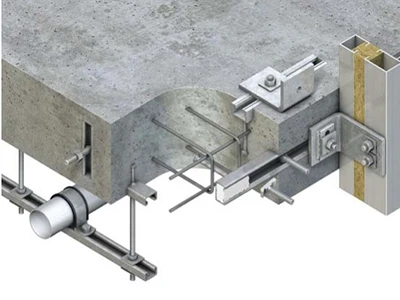
Reliable connections and connection systems:
If prefabricated structural elements need to be connected to build structures, their connection systems should be designed to be strong and reliable, capable of withstanding loads and deformations, ensuring the stability and safety of the structure.
Environmentally friendly:
High-quality precast concrete should consider the environmental impact, use sustainable production methods, low carbon emission materials, and minimize waste generation.
Impermeability and chemical resistance:
Precast concrete should have good impermeability to both prevent corrosion and the penetration of moisture and chemicals, thus prolonging the life of the structure.
Adaptability to Different Applications:
A good quality precast concrete should be able to adapt to a variety of different applications including buildings, infrastructure, bridges, etc.
Testing and Certification:
Manufacturers and specialist suppliers of high-quality precast concrete often conduct quality testing and certification to ensure that their precast products comply with relevant standards and codes.
Why precast concrete is more sustainable?
Since precasts can be manufactured in factories and are usually made in exact batches the waste generated in the concrete plant is small. The precast concrete product also eliminates the dangers of harmful byproducts in the ground and in the water supply.
7 Advantages of Precast Concrete
Concrete has been known for centuries because of its durability and aesthetic versatility. Pre-formed concrete is also regarded as one of the best and most widely used construction materials for building structures as it offers an array of distinct features. It is not only durable and reliable, but it is environmentally safe and reduces construction time. The specific advantages are:
Quality Control:
Precast concrete is manufactured in a controlled environment, usually in a dedicated factory, which allows for better quality control. The precast production process is more standardized and can be closely monitored, resulting in consistent, reliable results.
Speed of construction:
Prefabricated elements are fabricated off-site, and site preparation and foundation work can be carried out simultaneously next building project. This reduces construction time, as the prefabricated elements can be installed quickly once they arrive at the construction site.
Reduced labor and on-site disruption:
Since prefabricated elements of parking structures are fabricated off-site, there is less need for on-site and labor needed, and construction activities are more streamlined. This minimizes disruption to the local community and reduces the need for extensive on-site labor required for construction equipment.
Increased durability and longevity:
Precast concrete can be engineered with specific mixes and reinforcement methods for increased durability and longevity. A controlled manufacturing environment helps produce higher-quality products with fewer defects.
Weatherproof:
Precast elements can be manufactured in climate-controlled facilities, reducing the impact of weather conditions on the curing process. This is especially beneficial in regions with extreme climate change.
Architectural flexibility:
Precast concrete can be produced in a variety of shapes, sizes, colors and surface finishes, allowing for rapid construction, greater architectural flexibility and design creativity.
Cost Efficiency:
While the initial manufacturing costs of prefabricated elements may be higher, the overall construction process may be more cost-effective due to reduced, labor costs, shorter construction schedules, and minimization of site-related expenses.
Environmental benefits:
Precast concrete production has a lower environmental impact in terms of waste generation, energy consumption, and greenhouse gas emissions than traditional in-situ concrete pouring.
Precast Concrete Limitations:
Shipping Restrictions:
The size and weight of precast concrete elements may be subject to shipping restrictions, which can pose challenges for some large projects.
Design Limitations:
The design of precast and concrete structures can be subject to some limitations, especially when complex shapes and structures are involved.
Cost:
Although using precast concrete, can save some on-site construction costs, its manufacture and transportation can also incur some additional costs.
Assembly Requirements:
Precast concrete requires assembly on site, which may require specialized
What are the Different Types of Precast Concrete Structures?
It's surprising what the number of prefab equipment manufacturers have nowadays. All the possible options can be made to complete any project by utilizing a pre-cast product. List some of these top precast products used in the construction industry today.
Precast concrete slabs:
Precast slabs are used for elements such as floors, roofs, and retaining walls throughout. They can be manufactured in a factory and then shipped to the job site for installation.
Precast Concrete Beams:
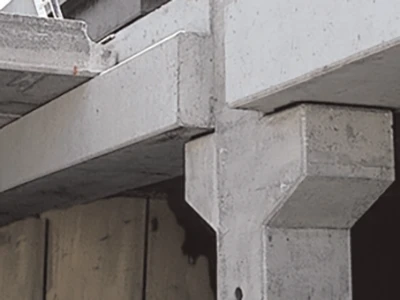
Precast concrete beams are used to support the weight of floors and roofs of parking structures and utility commercial buildings. They usually have the specific shape of the beam and can be fabricated in a factory, then joined and installed on site.
Precast Concrete Columns:
Precast columns steel frames are used to support the vertical loads of a building such as the weight of floors and roofs. They can be manufactured in a factory and then installed on-site.
Precast Concrete Panels:
These panels can be used as exterior walls and interior partitions in office buildings, with different insulating and decorative properties than mobile material. They can be manufactured in a factory and then assembled on-site.
Precast Concrete Frame:
Precast concrete frame structures are often used in multi-story commercial buildings, and consist of prefabricated columns retaining walls and beams that provide a stable supporting structure.
Prestressed Concrete Members:
Prestressed concrete members are manufactured with prestressed forces applied place concrete, to increase the load-bearing capacity of steel reinforcement bars used in the concrete. These members are often used for beams and bridges that span large distances.
Precast Concrete Modules:
Precast concrete modules can be used to construct modular buildings such as residential units, offices, and shops, etc.
Precast Concrete Pipes:
Precast concrete pipes for drainage, sewerage, and road drainage come in a variety of sizes similar to other materials and shapes.
Precast concrete decorative elements:
These elements are used to enhance the appearance of the building, such as decorative columns, checkered panels, etc.
Precast Concrete Modular Buildings:
Precast concrete modules can be fabricated in factories and then assembled into overall buildings for residences, offices, hotels, etc.
These are just some of the common types of precast concrete structures, there are actually many other site cast, types and variations that can be designed and fabricated according to the needs of the project. Each site cast and type has its specific advantages and scope of application, and the most suitable site cast and type can be selected according to the needs and requirements of the project.
How to Produce Precast Concrete Products

Raw material preparation: The main components of concrete are water, portland cement, aggregates mineral aggregate (such as sand and gravel), and powdered additives. These materials need to be prepared to ensure that they meet specific formulation and quality standards.
Concrete preparation: According to the design ratio, cement, aggregate, water and additives are mixed together to form concrete. The mixing process needs to control the mixing time and speed to ensure the uniformity and quality of the concrete.
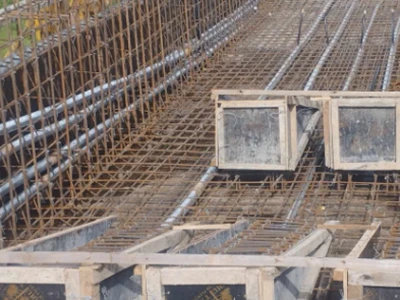
Mold preparation: According to the size and shape of the product, prepare a suitable mold. Molds can be metal, plastic, or other materials that hold the concrete and form the desired shape or component.
Pouring and Vibration: Pour the concrete into the mould, making sure the concrete fills completely and excludes air pockets. The tightness and compactness of the concrete is ensured by vibrating or compacting.
Curing: After the concrete has set in the mold, it needs to be cured to maintain its strength and stability. Curing can include measures such as moistening curing concrete and covering curing concrete to control moisture loss and temperature changes accelerated curing it.
Release and Handling: When the concrete has reached sufficient strength, it can be removed from the mold. Components may need to be trimmed, cut, sanded, or painted as required.
Quality inspection: Carry out quality inspection on prefabricated components, including compressive strength test, dimensional measurement, appearance inspection, etc., to ensure that the product meets the design and quality standards.
Transport and installation: Precast concrete elements can be transported to the construction site by special means of transport. Once on-site, it can be installed, connected, and assembled as required.
How to Source High-Quality Precast Concrete Products?
Choose a reliable supplier: Choosing a supplier with a good reputation and experience for next your next building project is key. You can assess supplier reliability by referring to past projects, customer feedback, and industry word of mouth.
Understand product specifications: Before purchasing, make sure you have a clear understanding of the specifications, dimensions, strength, etc. of the desired product. Discuss your requirements in detail with the supplier to ensure that both parties are on the same page.
Quality Control System: Ask if the supplier has a strict quality control system. They should be able to provide information on how they ensure products meet quality standards.
Visit Manufacturing Facility: If possible, visit the supplier's own manufacturing plant or facility in person. This can give you insight into their production process, equipment, quality control practices, and more.
Verifying Materials and Testing: Ask suppliers about raw material suppliers and concrete mixes used. Make sure that the concrete mix complies with the relevant standards and has carried out the necessary tests, such as compressive strength test, penetration resistance test, etc.
Check samples: Ask suppliers to provide product samples so that you can check the appearance, texture and quality yourself.
References: Find out about a supplier's past similar projects to determine if they can deliver the high-quality products you expect.
Contact Details: Make sure that important details such as product specifications, delivery dates, quality standards, payment terms, etc. are clearly defined in the contract. The contract should clearly reflect the agreement between the parties.
Quality Assurance: Make sure the supplier offers an appropriate quality assurance or warranty period so that you can get proper support should something go wrong with the product.
Communication and supervision: maintain good communication with suppliers, and regularly understand the production progress and quality control situation. Where required, on-site inspections are carried out to ensure that products meet expected standards.
Is precast concrete better for the environment?
Reduced carbon emissions: The manufacture of precast concrete is often done in-factory, allowing better control over energy use and thus reducing carbon emissions. Precast concrete may have a lower carbon footprint than cast-in-place.
Resource Efficiency: Precast concrete is manufactured in-factory, allowing for more efficient management of raw material usage, reducing waste and thus conserving resources.
Reduce energy consumption: The production process of the factory can usually use energy more efficiently, reduce energy consumption, and may be more energy-efficient than on-site construction.
Reduce on-site disturbance: The manufacturing and curing process of precast concrete is mainly carried out in the factory, which reduces the noise, dust, and environmental disturbance caused by on-site construction.
Conclusion
Precast concrete offers some advantages as a construction and building material, in many situations, although there is no absolute advantage over traditional cast-in-place concrete. In general, precast concrete is favored by more and more construction and engineering projects because of its advantages over cast in place concrete: high quality, construction efficiency, resource utilization efficiency, and environmental impact.
First, the production process of precast concrete usually takes place in a controlled factory environment, which allows for more precise quality control. Rationing and mixing of raw materials is easier to manage, ensuring a consistent, high-quality finished product. In addition, the manufacturing process of precast concrete also contributes to greener building practices by reducing carbon emissions, energy consumption, and waste of resources.
Second, precast concrete can significantly speed up construction. The factory-produced components of fresh concrete can be transported directly to the construction site and installed, saving a lot of time required for pouring in situ. This in-construction speed is crucial for project schedule control, especially for large scale construction speed for projects that need to be built quickly, precast concrete can provide a significant time advantage.
In addition labor costs, using precast concrete reduces noise, dust, and disturbance from on-site construction. A controlled environment in the manufacturing process of a factory can effectively reduce the adverse impact on the surrounding environment and the community, and create a friendlier working environment for construction projects.
However, using precast concrete alone is not suitable for all scenarios. Some large, unique building structures may require cast-in-place to suit special requirements. In addition, long-distance transportation and additional assembly steps may also become challenges for some projects or next project. Therefore, when choosing to use precast concrete or traditional concrete, it is necessary to fully consider the specific needs of the building project, budget and time requirements, as well as the impact on the environment and construction efficiency.