





In the realm of construction, the battle for supremacy between Precast Concrete and cast-in-place methods has been a longstanding debate. This article aims to shed light on the unparalleled efficiency of precast concrete, showcasing how it outshines the traditional cast-in-place approach in curing process and boosting productivity.
What is Precast Concrete?
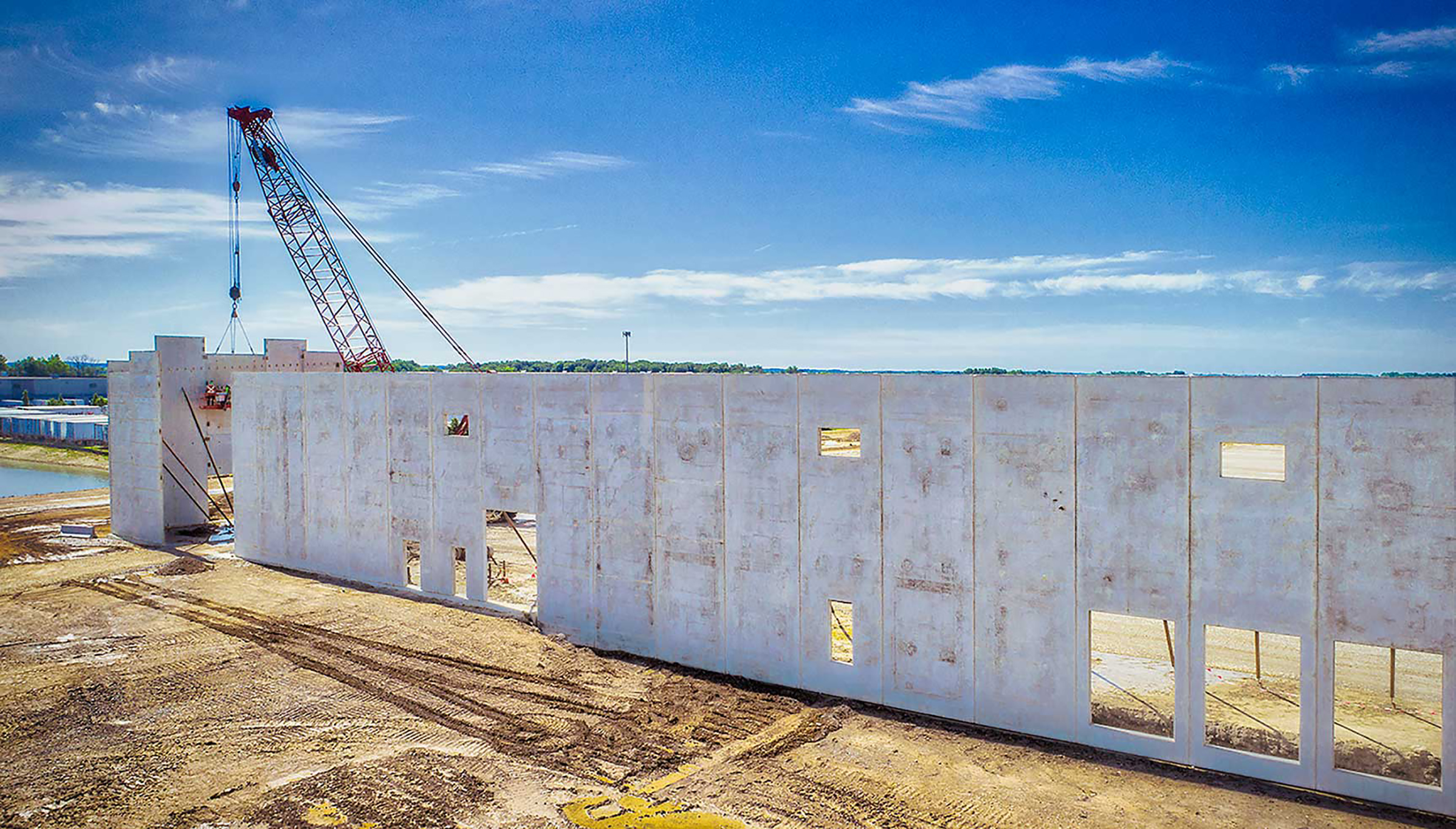
Precast concrete is a versatile construction material that is prepared and cast in a controlled environment, typically at a manufacturing facility or precast plant, before being transported to the construction site. This method stands in contrast to the traditional cast-in-place concrete curing process, where the concrete is poured and cured on-site.
In the precast concrete process, various structural elements and precast concrete products, such as precast concrete columns, beams, precast concrete wall panels, and concrete slabs, are meticulously cast in molds to precise specifications. These molds can be customized to achieve a wide array of shapes, sizes, and finishes, providing a level of design flexibility that was once considered a limitation of precast construction.
Feature of Precast Concrete Structures
The main feature of precast concrete is its off-site production. The controlled environment of a precast concrete foundation factory allows strict quality control measures to be implemented throughout the manufacturing process. This results in consistently high-quality concrete elements with enhanced durability and uniformity.
Once the precast elements are cast and cured to meet the required strength, they are transported to the construction site. The assembly of concrete structures using these precast elements is efficient and fast as they are designed to fit together seamlessly, helping to reduce construction time compared to the sequential process involved in cast-in-place construction.
Precast concrete offers several advantages, including faster construction schedules, long-term cost-effectiveness, superior quality control, and reduced on-site disruption. As construction practices continue to evolve, the precast concrete industry has become the first choice for innovative, efficient building solutions.
Advantages of precast concrete
1. Fast construction speed
Off-site fabrication of precast concrete elements speeds up the construction process. Once delivered to the site, these elements can be quickly assembled, reducing overall project time.
2. Stable quality
Precast concrete is manufactured under controlled conditions to ensure consistent quality. This consistency results in greater structural integrity and reliability.
3. Cost-effectiveness
While the initial cost may seem higher, precast concrete proves to be cost-effective in the long run due to reduced labor requirements and shorter construction time.
Limitations of precast concrete
1. Limited design flexibility
Precast elements are manufactured off-site, limiting flexibility for design changes once the construction process begins.
2. Transportation Challenges
Transporting large precast elements to the construction site can pose logistical challenges, especially in areas with limited access.
What is Cast-in-Place Concrete?
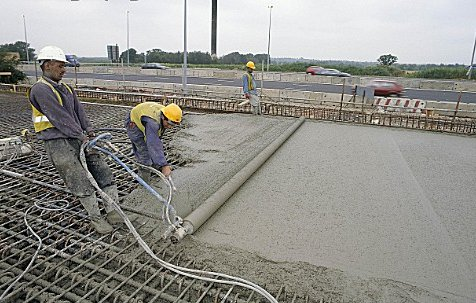
Cast-in on-site concrete pouring in-situ concrete is concrete poured with formwork at the construction site and generally refers to concrete mixed on-site. Most buildings are constructed using this method, with concrete poured directly on-site to create the desired structure. The concrete cures according to the environmental conditions of the site. The concrete will not be transported. Concrete is often referred to as a concrete-based building material. Cast-in-place involves pouring concrete into molds on-site to achieve the shape of a specific building plan. Although transportation is optional, more is needed to accommodate the needs of others. Concrete is difficult to fully cure. Additionally, weather conditions can delay construction projects for months.
Feature of Cast-in-Place Concrete Structures
Seamlessly integrates with construction site layout
Cast-in-place concrete is renowned for its ability to meet the specific needs of construction projects. The process involves creating formwork, usually made of wood or metal, to define the shape and structure of the concrete elements. The formwork is assembled on-site and integrates seamlessly with the layout and requirements of office buildings on the construction site.
Precision and customization
One of the outstanding advantages of cast-in-place concrete construction is its ability to provide precise customization. Construction projects often require unique shapes, sizes, and designs, and cast-in-place concrete can easily meet these requirements. This level of customization allows architects and builders to implement complex designs and meet specific structural needs.
Advantages of Cast-In-Place Concrete
Cast-in-place concrete provides flexibility in building because it is easy and durable and can be poured into almost any shape making it perfect for irregular shapes or complicated structures. The monolith structure provides stronger resistance to shear and vibration. This can result in smoother and more attractive finishes since it doesn't have the imperfections or irregularities that can occur in precast concrete.
Limitations of cast-in-place concrete
1. Extension of construction time
The on-site casting process may extend the construction period and may impact the project timeline.
2. Quality control challenges
Maintaining consistent quality of cast-in-place concrete is challenging due to environmental factors and site variables.
Precast Concrete vs. Cast-In-Place Concrete: What You Need to Know
When embarking on construction projects, the choice between precast concrete and cast-in-place concrete is a pivotal decision that significantly influences the outcome of a construction project. This guide aims to elucidate the key distinctions between these two construction methods, empowering builders and architects to make informed decisions based on project requirements.
1. Manufacturing Process
Precast Concrete
Off-Site Production: Precast concrete involves the manufacturing of concrete components in a controlled environment away from the construction site.
Factory Precision: The components are cast with precision in a factory, ensuring a high level of quality control.
Cast-In-Place Concrete
On-Site Casting: Cast-in-place concrete, as the name suggests, is poured and molded directly at the construction site.
Real-Time Oversight: Construction teams have direct oversight during the pouring and molding process, allowing for immediate adjustments.
2. Customization and Design Flexibility
Precast Concrete
Standardized Components: Precast concrete offers customization within certain limits, but designs are often constrained by the standardized nature of precast elements.
Limited On-Site Adjustments: Once precast components are manufactured, making on-site adjustments can be challenging.
Cast-In-Place Concrete
Unlimited Design Freedom: Cast-in-place concrete provides unlimited design flexibility, allowing for intricate and customized structures.
Real-Time Adaptations: Builders can make on-the-spot adjustments to the formwork and concrete mix, accommodating unique design requirements.
3. Construction Time and Efficiency
Precast Concrete
Quick Assembly: Precast concrete components arrive on-site ready for immediate assembly, reducing construction time.
Parallel Processes: While components are being manufactured off-site, on-site preparations can proceed simultaneously, potentially accelerating the overall construction timeline.
Cast-In-Place Concrete
Continuous Construction: Cast-in-place concrete involves a continuous on-site construction process, potentially requiring more time for completion.
No Transport Delays: Since there's no transportation of precast components, potential delays related to transportation logistics are eliminated.
4. Cost Considerations
Precast Concrete
Initial Investment: The initial investment in precast concrete may be higher due to the manufacturing process and precision involved.
Long-Term Savings: However, the efficiency and durability of precast components can lead to long-term cost savings in terms of reduced maintenance and faster project completion.
Cast-In-Place Concrete
Lower Initial Costs: Cast-in-place concrete may have lower initial costs as it doesn't involve off-site manufacturing.
Potential Adjustments: On-site adjustments can lead to additional costs, and the longer construction timeline may impact labor expenses.
How to choose Precast Concrete or Cast-in-Place Efficiency
1. Project Timeline
If time is of the essence, precast concrete may be a better choice because it is faster to fabricate and assemble off-site.
2. Design flexibility
For projects that require frequent design changes, cast-in-place concrete offers superior flexibility to accommodate site changes.
3. Budget constraints
It is crucial to consider the overall project budget. While the initial cost of precast concrete may be higher, it is cost-effective in terms of labor and construction time.
4. Site conditions
Assess site conditions and logistical challenges. Precast concrete offers advantages in areas with limited access, while cast-in-place concrete adapts well to varying site conditions.
In summary, the choice between precast concrete and cast-in-place concrete depends on a variety of factors, each with its own advantages and limitations. By carefully evaluating your project requirements and considering the factors above, you can make an informed decision that meets your construction goals.