





In the ever-evolving world of construction, where creativity and efficiency are crucial, the choice between prefabricated and prefabricated methods plays a vital role. These construction technologies have revolutionized the industry, giving architects and builders a canvas to unleash their creativity. Let's delve into the intricacies of both approaches to understand how they impact the world of design and construction.
introduce
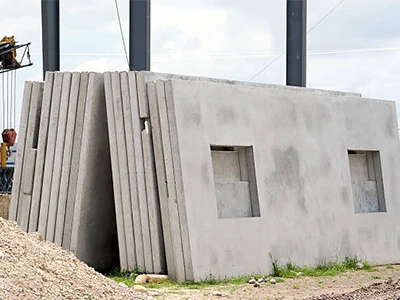
Once a simple process, architecture has become an art form. Prefabrication and prefabrication methods are at the forefront, each offering unique advantages in terms of creativity, efficiency, and sustainability. Precast involves producing concrete elements off-site, allowing for complex designs and faster construction. Prefabrication, on the other hand, involves assembling entire sections of a structure off-site, providing flexibility and sustainability.
Advantages of Precast
Detailed explanation of precast concrete
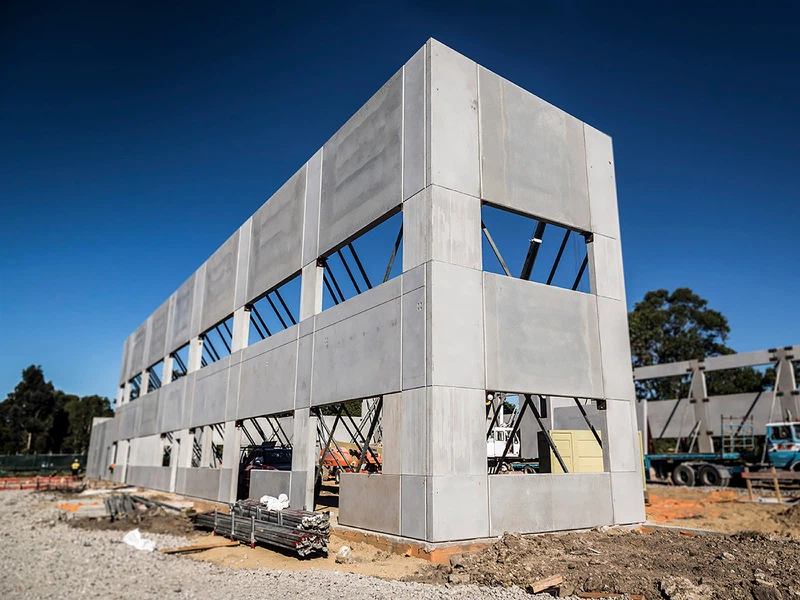
Precast concrete involves forming components in a controlled environment and then transporting them to the construction site. This approach allows for meticulous detail, ensuring every element meets the required specifications. Architects can experiment with complex designs that may be difficult to achieve using traditional construction methods.
Design flexibility
One of the main advantages of precast is its flexibility. Architects and designers have the freedom to experiment with shapes, textures, and finishes to create structures that are not only functional but also visually stunning. The flexibility of this design is a playground for creativity, providing endless possibilities for unique and beautiful structures.
speed and efficiency
Precast construction significantly reduces on-site labor requirements, resulting in faster project completion. The efficiency of prefabricated elements and their consistent quality ensure that construction schedules can be met without compromising safety or design complexity.
Prefabricated Wonders
Learn about prefabs
Prefabrication involves assembling building components off-site and transporting them to the construction site for final assembly. This approach provides architects and builders the opportunity to explore innovative design and construction techniques in a controlled environment.
Innovative design of prefabricated elements
The prefabrication approach encourages creative thinking in design. Entire sections of the building can be precisely crafted using sustainable materials and modern technology. This approach creates visually appealing structures that seamlessly blend form and function.
sustainable building practices
Precast is in line with the growing emphasis on sustainable building practices. The ability to control material use and waste during the manufacturing process facilitates environmentally friendly building practices. Additionally, the energy efficiency achieved through prefabrication can reduce long-term operating costs.
Comparison: Precast vs. Prefabricated
Cost analysis
Both prefabricated and prefabricated methods have their advantages from a cost perspective. Precast may have a higher initial production cost, but its efficiency in reducing on-site construction time can result in overall cost savings. Prefabrication, on the other hand, saves labor and materials.
Impact on the environment
In terms of environmental impact, both approaches have their advantages. Precast enables the reuse of molds and optimizes material use, helping to reduce the carbon footprint. Prefab and its controlled manufacturing process can minimize waste and promote sustainable building practices.
Customization and architectural freedom
The choice between prefabricated and prefabricated methods often comes down to the level of customization required. Prefabrication allows for intricate detailing and customization, making it suitable for projects where architectural freedom is a priority. While prefabrication offers design flexibility, it can have limitations in achieving highly customized elements.
Applications in Various Industries
Residential Construction
In the realm of residential construction, both precast and prefabricated methods have found their place. Precast allows for the creation of unique home designs, while prefabrication offers speed and efficiency, making it a preferred choice for modular homes.
Commercial Buildings
For large-scale commercial projects, the choice between precast and prefabrication depends on the project requirements. Precast can provide the aesthetic appeal and structural integrity needed for iconic commercial structures, while prefabrication ensures timely completion for projects with tight schedules.
Infrastructure Projects
Infrastructure projects, such as bridges and tunnels, benefit from the efficiency of both methods. Precast components can be used for intricate bridge designs, while prefabrication accelerates the construction of tunnel sections.
Challenges and Solutions
Overcoming Misconceptions
One challenge in adopting precast and prefabricated methods is overcoming misconceptions. Some may perceive these methods as limiting in terms of design or structural integrity. Educating stakeholders about the advancements and success stories in the field can dispel these misconceptions.
Ensuring Structural Integrity
Ensuring the structural integrity of precast and prefabricated components is crucial. Strict quality control measures during the manufacturing process and adherence to industry standards can address concerns related to durability and safety.
Streamlining the Construction Process
Both precast and prefabricated methods require coordination and planning to streamline the construction process. Collaborative efforts between architects, engineers, and builders are essential to ensure a smooth workflow and successful project completion.
Future Trends in Construction
Technological Advancements
The future of construction lies in technological advancements. Robotics, artificial intelligence, and automation are becoming integral to both precast and prefabrication methods, enhancing efficiency and precision.
Integration of Smart Solutions
Smart construction practices, including the use of sensors and data analytics, are shaping the industry's future. Precast and prefabricated methods are likely to incorporate these innovations, allowing for real-time monitoring and maintenance.
Sustainable Practices
As sustainability becomes a global priority, construction methods will continue to evolve. The integration of sustainable materials and energy-efficient practices will play a significant role in shaping the future of both precast and prefabricated construction.
Influence on Architecture and Design
Changing Perspectives
The adoption of precast and prefabricated methods has shifted perspectives in architecture and design. Architects now view these methods not as limitations but as tools that expand creative boundaries and possibilities.
Collaboration with Architects
Architects play a crucial role in the success of precast and prefabricated projects. Collaborative efforts between architects and construction professionals result in structures that seamlessly blend innovative design with practical construction solutions.
Aesthetics and Functionality
The synergy between aesthetics and functionality is evident in projects utilizing precast and prefabricated methods. Striking a balance between visual appeal and structural soundness has become a hallmark of creative construction in the modern era.
Conclusion
In the dynamic world of construction, the choice between precast and prefabricated methods is not just a matter of technology, but also a reflection of creativity and efficiency. Both approaches, if utilized correctly, can provide architects and builders with a platform to unleash their creativity while meeting the demands of modern architecture. Whether it's the detailed precision of prefabrication or the modular efficiency of prefabrication, the key is understanding the unique advantages each method offers and integrating them harmoniously into the construction process.