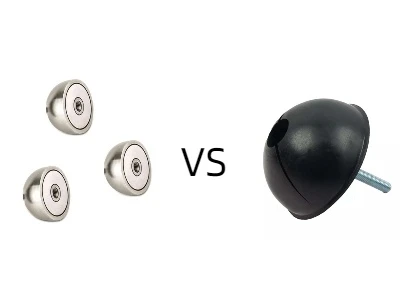





RATEC is a German engineering company specializing in magnetic formwork technology for the precast concrete industry. It has become one of the most well-known brands in the global magnetic formwork systems field. Its solutions are widely used in modern precast component plants in Europe, North America, Asia, and the Middle East, providing state-of-the-art and efficient formwork solutions for precast concrete component plants worldwide.
What is Ratec Magnetic Formwork for Precast Concrete
From its founding in Hockenheim in 1974 by Wolfgang Reymann as an engineering firm with only one engineer, Reymann Technik has grown into a large corporation that continues to revolutionize the entire precast concrete production process with its concepts and products.
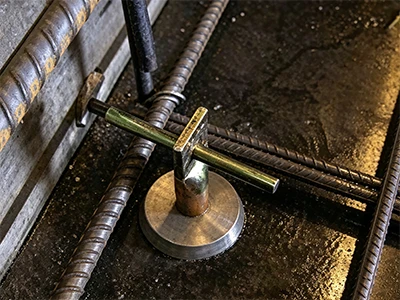
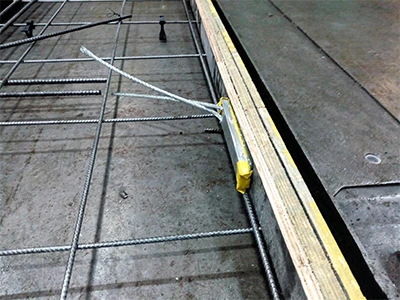
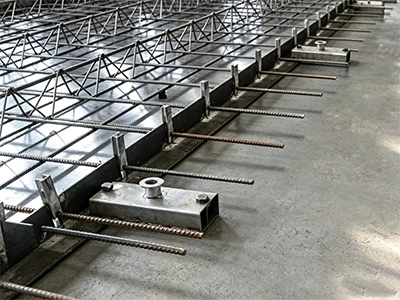
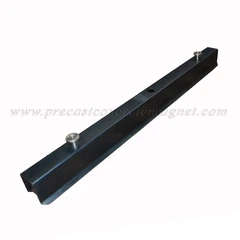
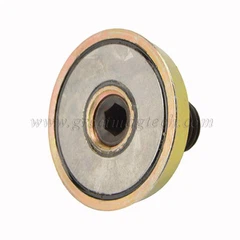
The RATEC Magnetic Formwork is a high-precision system designed to secure formwork components to a steel casting platform during precast concrete production. Instead of welding anchors, bolts, or time-consuming mechanical clamps, powerful neodymium magnets are integrated into an engineered housing, allowing for formwork positioning, locking, and release in seconds.

H2: What Makes RATEC Magnets "Premium" Compared to Others?
In-house Core Manufacturing (MTK)
One of the biggest advantages that sets RATEC magnets apart is their in-house core manufacturing, handled by MTK Magnet-Fabrik. Instead of relying on generic, mass-produced neodymium magnet blocks, RATEC controls the entire magnet manufacturing process, from material selection to final calibration. This ensures consistent magnetic strength, stable performance over many years, and precise engineering design-something lower-priced third-party suppliers cannot guarantee.
Strong and Stable Attraction
RATEC magnets are meticulously designed and patented, providing high and repeatable attraction over thousands of production cycles. Each magnet is tested to ensure uniform pull, avoiding problems common in low-cost magnets, such as early demagnetization and performance instability.
Modular Systems Engineering
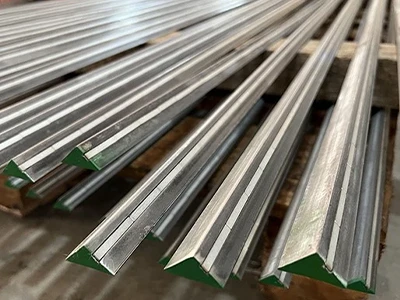
RATEC's engineering advantage lies in its modular architecture. The SPB system, adapter components, and universal profiles allow factories to quickly change sizes, angles, and inserts without rebuilding the entire template system.
Industrial-Grade Durability.
These magnets are designed for harsh manufacturing environments. A reinforced casing, corrosion-resistant components, heat-resistant materials, and precision welding processes ensure a long service life for each magnet, even under heavy daily use.

H2: Why RATEC Magnetic Systems Are So Expensive
High-Grade Neodymium Materials
RATEC magnets use high-performance neodymium alloys, typically N42 grade or higher, sourced under strict consistency requirements. Compared with lower-grade alternatives, this magnetic material delivers stronger pull force, better temperature resistance, and a significantly longer lifespan.
Precision Machining and Welding
Every RATEC magnetic box undergoes CNC precision machining, controlled welding, and high-accuracy assembly. These steps ensure flatness, structural integrity, and precise alignment-factors that directly influence magnetic force, long-term stability, and the overall service life of the shuttering magnet.
Strict Quality Control (German Standards)
Unlike mass-produced shuttering magnets, RATEC follows stringent German quality standards. Each magnet is individually tested before leaving the factory-evaluating pull force, safety, and housing durability. This level of inspection reduces product variability and prevents failures during casting, but inevitably increases the total production cost.
Engineering R&D and Custom Project Solutions
RATEC invests heavily in engineering development, creating modular systems, adapter plates, SPB profiles, and project-specific solutions. Many precast factories require customized molds or specialized positioning features, and these engineering services are incorporated into the final cost. The ability to tailor systems to specific production lines is a major value driver for high-end factories.
Higher Manufacturing Costs in Germany
Producing in Germany means operating under a significantly higher cost structure-not only due to some of the world's highest labor costs (wages, mandatory social benefits, strict labor regulations), but also because of the continuous investment required to meet Europe's demanding environmental, technical, and safety compliance standards. Local sourcing, energy consumption, and operational overhead further contribute to the high cost base.
For companies like RATEC, the strategic focus lies in transforming these high costs into unmatched precision, durability, and enhanced production efficiency for customers. Over the long term, this delivers a comprehensive cost advantage in the high-end market, proving that premium manufacturing can lead to superior value.
Impact of Rare Earth Price Fluctuations
The high-performance NdFeB permanent magnets used in RATEC systems are deeply tied to global rare-earth market dynamics. Prices of critical materials such as neodymium are influenced not only by supply-demand cycles, but also by geopolitics, national policies in major producing countries, and surging demand from renewable energy industries.
Because RATEC requires high-purity, tightly-controlled magnetic materials, its costs are especially sensitive to rare-earth price volatility. Any increase in raw material cost directly affects the final product price, tightening margins and raising long-term project risk.
Brand Reputation
RATEC's brand reputation-built over decades-is one of its most valuable intangible assets. It represents a strong market barrier and a closed loop of customer trust. RATEC has established itself as the benchmark for precision engineering, extreme durability, and continuous innovation. The brand has become synonymous with error-free production, lifetime reliability, and advanced technical solutions. Customers pay not just for the hardware, but for the certainty delivered by rigorous R&D, strict quality control, and German manufacturing standards, a form of "insurance that significantly reduces project risk and increases overall production efficiency.
When Is RATEC Not the Best Choice?
Small factories with low daily output
For factories producing only a small number of precast components per day, the initial investment in a RATEC magnetic system may exceed actual needs. These factories typically change templates infrequently, meaning the time, labor, and efficiency saving advantages of the RATEC modular system cannot be fully realized. In this case, the most suitable magnetic solution or conventional mechanical solution should be used based on the specific needs of the production line.
Projects with simple template requirements
Some projects rely on simple panel shapes, fixed dimensions, or repetitive molds requiring minimal adjustments. When the production environment does not require frequent reconfiguration, high-precision adapters, or dedicated SPB components, a high-end system may be an unnecessary expense. Standard magnets or welded fixed templates often provide sufficient accuracy without additional engineering capabilities.
Locally sourced, lower-priced magnets
Many small and medium-sized precast component factories find that locally produced magnets meet their operational needs, especially for general-purpose wall panels or non-critical components. These products may not require the engineering precision or lifespan of RATEC, but they can still perform adequately in moderate workloads and with less stringent quality tolerances.
How to Decide If RATEC Is Worth It
First, the actual production mode of the factory should be considered. Production lines with high output or frequent mold changes benefit most from the rapid assembly and disassembly of magnetic systems, with the time saved directly translating into reduced labor costs and increased daily output. Second, its long-term economic benefits need to be evaluated. RATEC magnets, when used properly, can maintain stable performance for 5-10 years, and their extended service life significantly reduces replacement frequency and downtime losses. At the same time, the matching magnetic force configuration must be selected according to specific production needs. Different component sizes and template types require calibrated and reliable attraction forces, especially in heavy or tall template applications, where the performance of the magnets directly affects accuracy and safety. Finally, the decision should be based on a full life-cycle cost analysis. Although the initial investment is higher, the system, with its lower failure rate, near-zero maintenance costs, and continuous high-efficiency production output, often makes the overall production cost of a single component lower than that of traditional template solutions, truly maximizing long-term investment returns.
Alternatives to RATEC
Chinese Magnetic Formwork
For precast factories with limited budgets or lower production output, Chinese magnetic formwork offers a far more economical option. These magnets typically provide sufficient holding force for standard wall panels, slabs, and beams, while costing only a fraction of European-made systems. Many Chinese manufacturers now offer improved housings, stronger neodymium magnet cores, and compatible adapter plates. Some suppliers can even customize formwork solutions according to the specific requirements of your production line.
Hybrid Formwork
Hybrid systems combine magnetic fixation with traditional mechanical fastening methods such as bolts or spot welding. This approach is ideal for large or heavy precast elements where magnets alone may not provide adequate stability, or for custom formwork setups that change frequently. Hybrid solutions offer both flexibility and cost control-operators can reinforce critical areas mechanically while still benefiting from fast magnetic positioning in other zones. For many mid-sized producers, this approach reduces dependence on high-cost modular systems without compromising safety or precision.
Fully Manual Formwork
For basic precast production or small workshops, fully manual formwork using clamps, bolts, and welded stops remains the most cost-effective choice. Although it requires more labor and longer setup times, the equipment cost is extremely low, and maintenance is simple. This option works best for factories with predictable product dimensions, lower daily output, or limited capital investment.
Conclusion
Compared to other magnetic systems for precast concrete on the market, RATEC's magnetic solutions demonstrate significant advantages in quality, durability, and overall cost-effectiveness, making them the ideal choice for many high-end precast concrete plants worldwide. For modern precast plants seeking long-term stable production, high-quality component output, and continuous operational optimization, RATEC is not simply a tool purchase, but a strategic asset capable of consistently delivering reliability and efficiency.