




Concrete is the world's most popular building material. It is the second most used material in the world (water is first). Nearly every type of construction involves concrete in some way, and it is used to build everything from highways to bridges, skyscrapers to parking lots. Concrete is resilient because it will not rust, rot, or burn. Using concrete as a building material is essential to architecture due to its durability, strength, and extremely long life.

What Are the Basic Properties of Concrete?
The basic properties of concrete are fine and coarse aggregates (such as sand and rocks or pebbles), Portland cement, and water. These three raw materials each play a different chemical role in the formation of concrete, as Portland cement is a hydraulic cement, which means that its strength comes from a chemical reaction with water. When Portland cement and water combine, a chemical reaction called hydration occurs. Through this process, the paste covers the aggregates and binds them together, gaining strength when hardened, and creating concrete.
When making concrete, builders use fine aggregate to add volume, while coarse aggregate provides the strength needed to carry heavy loads. Various chemicals, called admixtures, can also be added to concrete to create different kinds of mixes.
How Is Concrete Made?
Before concrete can be made, the three raw materials must be in the correct proportions to ensure the mix is strong and sturdy. The ingredients of concrete react with each other in different proportions depending on how they are added, and the proportions will vary depending on the type of concrete being made. However, the most common proportions are:
• 10–15% cement
• 60–75% total
• 15–20% water
The concrete mixing process starts with preparing the Portland cement mix. Portland cement is made from a calcareous material (usually limestone) that is ground into a powder, then heated and burned in a rotating device, turning it into a pebble-like material called "clinker," which is then ground again until it is a crushed powder to which gypsum is added.
Once Portland cement is prepared, it is mixed with aggregates, water, and optional admixtures (different chemicals or materials that change the consistency and strength of concrete). These ingredients are stirred together well in order to properly cover the aggregates with the cement paste. After the materials are mixed, the cement is activated by the water, covering the aggregate particles and gaining strength as it hardens in a process called hydration.

16 Common Types of Concrete
One of the reasons concrete is used to build so many different structures is because of its versatility and how it can be molded into any desired shape or design. However, there are many different types of concrete, and they are used in all different types of structures. Here are 16 types of concrete and how they are used.
1. Ordinary Strength Concrete
Normal-strength concrete or "regular" concrete is the most common type of concrete, with a basic mixture of cement, aggregate, and water. Normal concrete is mixed in a 1:2:4 ratio (one part cement, two parts aggregate, four parts water); however, the amount of water used will depend on the humidity of the location and the desired consistency of the concrete. Normal-strength concrete is often used for pavements, home construction projects, and buildings where maximum tensile strength is not required.
2. Plain Concrete
Normal concrete is the simplest form of concrete. It is made using the same mix proportions as normal-strength concrete, but has absolutely no steel reinforcement in it. It can be used to build structures that do not require intense tensile strength. Sidewalks and pavements are common uses for plain concrete.
3. Lightweight Concrete
This type of concrete has a lower density and higher water content than regular concrete. Lightweight concrete is made using lightweight aggregates, such as pumice, clay, or perlite. Since the specific aggregates chosen determine the density of the concrete, lightweight concrete has a low density and is defined as any type of concrete with a density level below 1920kg/m3. Lightweight concrete is used in areas where the total "dead weight" of a building can be reduced to help prevent collapse, such as walls or floors.

4. Ready-Mixed Concrete
Ready-mixed concrete is made at a manufacturing plant and then delivered to the construction site using trucks equipped with mixers. It usually contains admixtures so that the cement does not harden before it arrives on site and is ready for pouring.
5. Polymer Concrete
Polymer concrete is a type of concrete where the lime and shale-based Portland cement is replaced with a curable and hardening polymer binder, such as polyester, epoxy blends, vinyl esters, acrylics, or several different types of polymer resins. The goals of polymer concrete depend on the type of resin used. For example, epoxy binders help reduce shrinkage during the curing process, while acrylic binders provide weather resistance and faster setting times. Polymer plastics are stickier than cement, so when mixed in a concrete mix, the resulting concrete has a higher tensile strength than concrete composed of Portland cement. When the polymer binder is mixed with water and aggregate, a chemical reaction occurs that starts the curing process faster than regular concrete.
6. Glass Concrete
Concrete is called glass concrete when recycled glass is added as an aggregate or used in place of fine and coarse aggregate, depending on the desired result. Glass aggregate is almost always made from recycled glass and can range in size from fine talcum powder to gravel edging blocks to six-inch glass rocks. Glass can be crushed using a glass crusher or used in chunks when mixed with cement, depending on the desired look. Glass concrete often has a shiny or "glowing" appearance, which makes it a beautiful and highly polished choice for countertops, floors, and tiles.
7. Reinforced Concrete
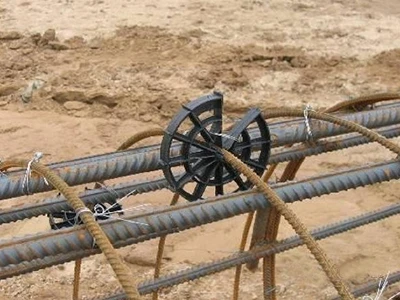
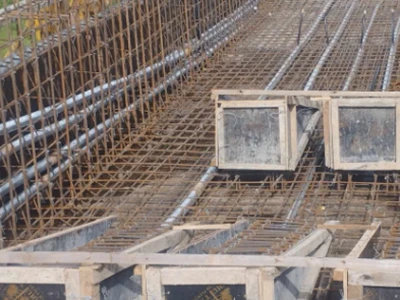
Reinforced concrete, also known as reinforced cement concrete, is made with steel bars (usually rebar) to increase the tensile strength of the concrete. The compressive strength of the concrete, combined with the tensile strength of the reinforcement, increases the overall durability of the concrete. Contractors may encounter reinforced concrete in large structures that require tremendous tensile strength, such as high-rise buildings, bridges, dams, or any construction situation involving structures that need to carry extremely heavy loads.

8. Permeable Concrete
Permeable concrete is a porous type of concrete that allows water to pass through it and into the groundwater below. This type of concrete, used to build roads and sidewalks, is designed to handle the accumulation of rainwater and can absorb water at a rate of up to 5 gallons per minute. There is little fine aggregate in this type of concrete, creating more voids for water and air. This allows rainwater to filter through the concrete and into the ground. Permeable concrete helps prevent flooding because water that would normally flow through storm drains is absorbed by the soil.
9. Prestressed Concrete
Prestressed concrete is concrete that has been subjected to compressive stresses during production, combining the high tensile strength of steel with the high compressive properties of concrete. These initial compressive stresses are caused by steel tendons located within or adjacent to the concrete and are intended to counteract the stresses that will eventually be imposed on the concrete during use. Because it is formed under stress, prestressed concrete structures are more balanced and less likely to crack when subjected to heavy loads. Bridges, roofs, water tanks, and floor beams are often made using prestressed concrete.
10. Precast Concrete
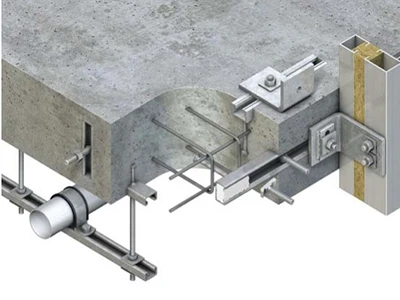
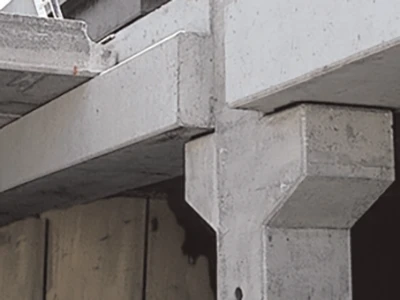
Precast concrete is concrete that is poured into molds and cured, usually off-site, and then transferred to the construction site. This allows concrete to be made in a more controlled environment, such as a factory or plant, with more supervision and oversight, which facilitates quality control. Factories can also use the same molds over and over again, saving time and money. Precast concrete allows for faster construction because it is displayed at the construction site ready for installation, without having to wait for it to gain strength. Precast concrete also increases time efficiency because the walls of the structure can be made off-site while the foundation is being created on-site, allowing the building to be ready for use sooner.

11. Aerated Concrete
Aerated concrete is concrete that contains tiny air bubbles that help relieve the internal pressure of the concrete. Air-entraining agents are added during the mixing process, which reduces surface tension and causes air pockets to form in the paste. This type of concrete is suitable for structures in environments with freeze-thaw conditions, where temperatures shift from below freezing to above freezing, causing water to accumulate. The tiny pockets provide space for water to expand, which prevents the concrete from cracking and resists scaling, allowing the structure to last longer over time. The tiny air bubbles make up 5-7% of the concrete mix, and since adding air to concrete reduces its density, higher amounts of cement are often used to make up for the strength.
12. High-Strength Concrete
High-strength concrete is any concrete with a compressive strength of 6,000 pounds per square inch (PSI) or more. It is made with strong, durable aggregates, a high cement content, and a low water-cement ratio, with superplasticizers added to improve any workability issues caused by cohesive concrete. The main uses of high-strength concrete are to reduce weight, bleeding, and permeability issues, and to make structures more resistant to corrosion and chemicals compared to normal-strength concrete. High-strength concrete is often used to build high-rise buildings with high compressive loads.
13. Vacuum Concrete
Vacuum concrete is a type of concrete that involves removing excess water that is not needed for the hydration process after the concrete is poured and before the hardening process begins. A pad is placed over a filter mat over cement, and a vacuum pump is used to pump out the excess water. This technique, called vacuum dewatering, reduces the water-cement ratio of the concrete, which gives vacuum concrete higher levels of strength and durability compared to regular concrete. It also has a high level of workability, although high strength and workability are not usually achieved simultaneously in concrete. This is due to the excess water, which makes it easier to pour. After pouring, the water is no longer needed and is vacuumed out to achieve high strength. Bridge decks and industrial floors are common uses for vacuum concrete.
14. Asphalt Concrete
Asphalt concrete is a type of concrete commonly used to build roads, parking lots, and other types of pavement. It is a composite material consisting of two main components: aggregates and liquid asphalt, which are usually combined at a factory and then transported to the paving site, where it is spread by a paver and then compacted with a roller. The result is a smooth pavement surface.

15. Rapid-Setting Concrete
Rapid-setting concrete is a type of concrete that hardens faster than normal concrete, usually within one to a few hours, as opposed to the usual 48 hours. This is because rapid-setting concrete has a higher cement content than normal concrete, and admixtures are added to the mix to speed up the hydration and hardening process. Rapid-setting concrete is pre-mixed and ready for immediate use, which is why it is often used for non-structural concrete work, such as concrete repair and restoration.
16. Self-Compacting Concrete
Self-compacting concrete, or SCC, is a type of concrete that has three key properties: high filling capacity, which allows it to flow easily throughout the formwork when poured and disperse by its weight; high passing capacity, which allows it to go around any confined spaces and obstructions, such as rebar; and resistance to segregation, or remaining in the same state, during transport, placement, and after placement. These qualities allow the concrete to set very tightly in the mold without any further aids or vibrations, making it ideal for construction jobs involving less labor and faster placement times. The fluidity of this type of concrete is because it is made with more fine aggregate, usually sand, combined with additives such as viscosity enhancers and superplasticizers to ensure that the sand particles are evenly dispersed. In addition to the usual ingredients of cement, fine and coarse aggregates, and water, these additives are mixed in a concrete mixer to form this type of concrete.
Precast Foundations – Compatibility with Magnetic Accessories
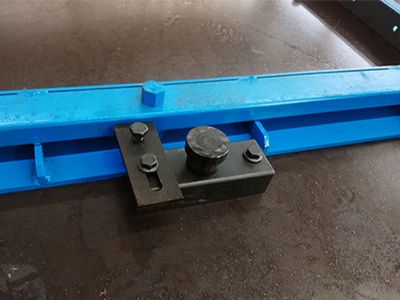
Precast foundations require strength, dimensional accuracy, and long-term durability. Magnetic accessories such as formwork magnets, magnetic chamfers, and magnetic recess formers are essential for simplifying production and ensuring consistent results.
Applications in Foundation Casting
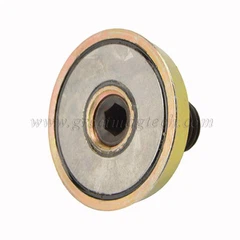
Formwork Magnets: Secure foundation molds firmly during vibration, preventing shifting or leakage.
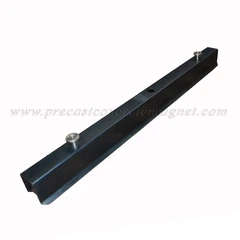
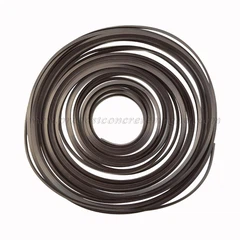
Magnetic Chamfers: Shape precise edges and protect corners, reducing post-casting finishing work.
Magnetic Inserts & Recess Formers: Allow easy integration of lifting points, anchor recesses, and connection hardware.
Why It Works for Foundations
Precast foundation elements are often large and repetitive. Magnetic systems provide the stability needed under heavy loads and vibrations, making them especially suitable for both manual and automated production environments.
Concrete Types with Good Magnetic Compatibility
| Concrete Type | Compatibility with Magnetic Accessories | Advantages | Typical Applications |
| Normal Strength Concrete (NSC) | Smooth, stable surfaces; reliable magnetic adhesion | Easy to handle; consistent quality | Wall panels, beams, slabs, foundations |
| High Strength Concrete (HSC) | Dense mix; strong surface; stable magnet holding | Supports heavy loads; long service life | Long-span beams, heavy-load foundations, and bridge components |
| Self-Compacting Concrete (SCC) | High fluidity; minimal vibration impact on magnets | Ideal for complex shapes; smooth finish | Complex cross-sections, densely reinforced precast components |
| Lightweight Concrete (LWC) | Lightweight panels require a larger contact area or positioning | Reduces structural weight; energy-efficient | Infill wall panels, energy-efficient precast components |
| Fiber-Reinforced Concrete (FRC) | Stable during casting; minimal magnet displacement | Excellent crack resistance; durable | Industrial flooring, precast segments, high-durability precast elements |
FAQ:
1. What type of concrete is best for precast construction?
High Strength Concrete (HSC) and Self-Compacting Concrete (SCC) are most commonly used.
HSC provides superior load-bearing capacity and long-term durability, ideal for heavy foundations and long-span beams.
SCC flows easily into complex molds, ensuring smooth surfaces and accurate details without vibration.
2. Is precast concrete stronger than cast-in-place?
Precast concrete is produced under controlled factory conditions, which improves consistency and reduces defects.
Reinforced and high-strength precast elements often achieve higher quality than cast-in-place equivalents, especially for structural foundations.
Factory curing and precise formwork systems contribute to better dimensional accuracy and performance.