



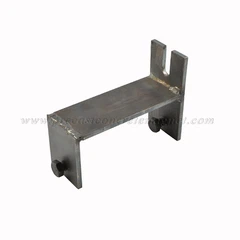
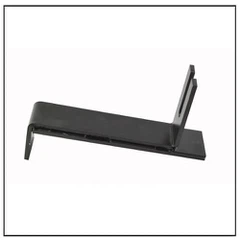


In the ever-evolving construction world, formwork remains a cornerstone of modern architecture. As the industry moves toward greater efficiency, sustainability, and precision, the tools and materials used for formwork have also undergone significant advancements. Traditional wood formwork, a mainstay of the construction industry for decades, now competes on the same stage as innovative magnetic formwork systems. This article delves into the features, benefits, and applications of concrete wood and magnetic formwork, highlighting how these technologies shape our built environment's foundations.
What Can We Use To Make Concrete Formwork?
1. Concrete Magnetic Formwork

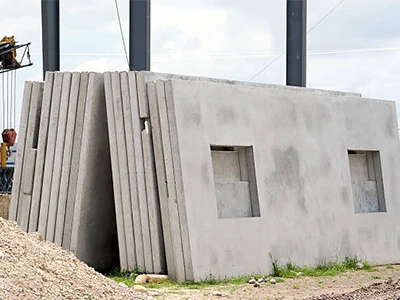
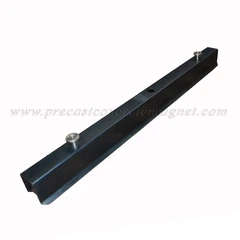
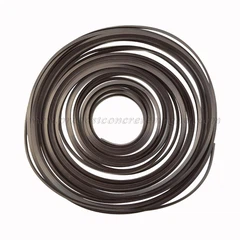
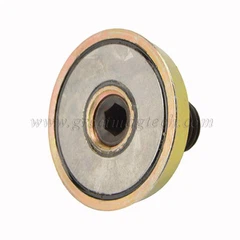
Precast concrete formwork magnets are specialized magnets used to securely fasten precast concrete forms, panels, and other elements to steel beams, columns, or forms without the use of mechanical fasteners such as screws or clamps. The introduction and application of magnetic side forms are mainly concentrated in the production of precast concrete components such as precast concrete wall panels, stairs, etc. The magnetic side formwork system consists of a formwork steel bar and an embedded magnetic suction cup system. It is small in size and has strong suction force, and can effectively replace the traditional bottom formwork opening and screw fixing method.
Strong suction: The side mold has a strong magnetic magnet built in, which can provide strong suction.
Stainless steel shell: Some magnetic side molds use stainless steel shell, which has super corrosion resistance and greatly extends the service life of the magnetic box.
No need for punching and welding: Compared with traditional mechanical fixing methods such as screws and nuts, magnetic side molds do not require punching and welding, reducing installation time and avoiding damage to the mold platform
Various styles: The side molds are of various styles and can be customized
Reusable: The magnetic fixing device can be reused, saving labor costs and time.
How To Use To Make Concrete Formwork?
Magnet formwork inspection: Ensure that all magnet formworks function properly and that the magnetic force is strong enough to support the weight of concrete pouring.
Surface cleaning: Clean the construction area and ensure that the metal surface adsorbed by the magnet formwork is clean and rust-free to ensure the maximum adsorption force of the magnet.
Formwork design and planning: Plan the layout and number of magnet formworks according to the design requirements of the concrete structure.
Support system preparation: Although magnet formworks can reduce the need for traditional supports, necessary support structures must still be prepared to ensure construction safety.
Safety inspection: Check the fixing system and safety measures of the magnet formwork to ensure that the formwork will not shift or fall off during construction.
Construction plan: Develop a detailed construction plan, including the construction process, personnel division of labor, time arrangement, etc.
Technical briefing: Conduct technical briefings for construction personnel to ensure that they understand the use and construction requirements of magnet formworks.
Tools and equipment: Prepare the tools and equipment required for construction, such as wrenches, screwdrivers, levels, measuring tools, etc.
Material preparation: In addition to magnet formworks, other materials required for concrete pouring, such as concrete, steel bars, etc., must also be prepared.
Environmental control: Ensure that the environmental conditions at the construction site are suitable for construction, such as temperature and humidity, to ensure the quality of concrete and construction safety.
Safety education: Provide safety education to construction personnel and emphasize safety precautions during construction.
Emergency plan: Develop an emergency plan to deal with unexpected situations that may occur during construction.
Quality control: Ensure that all construction materials and equipment meet quality standards to avoid construction quality problems.
2. Wood Concrete Formwork:
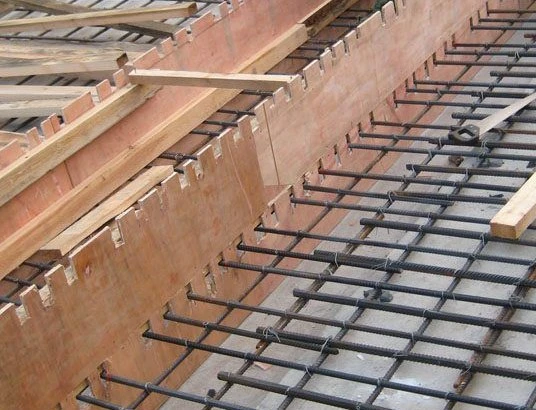
Wood concrete formwork is a common method of use. It is usually used in the process of concrete pouring to form a formwork made of wood material for the concrete structure. This formwork has the following characteristics:
Easy to use: Wood formwork is light, easy to carry and carry
Processability: Wood is easy to process and can be cut into different shapes and sizes as needed.
Low cost: Wood material is low-cost, renewable, and environmentally friendly
Good adhesion: Wood formwork can provide good surface quality and help concrete form a smooth surface.
The limited number of uses: Wood formwork is usually used for concrete pouring. After pouring, the formwork is removed. If it is damaged, it cannot be reused.
How To Use The Wood Formwork?
Wood preparation: Now cut the appropriate wood to design the size and shape of the template you need.
Template finishing: Drill holes, polish the surface, clean the surface, etc. according to the drawings to ensure that the surface is smooth and will not cause damage to the concrete surface.
Inspection and inspection: Finally, inspect the finished template according to the drawings to ensure accurate size and firm structure.
Construction plan formulation: Formulate a detailed construction plan, including the construction process, personnel division of labor, time arrangement, etc.
Safety education: Provide safety education and construction technology briefing to construction personnel to ensure construction safety.
Tool and equipment preparation: Prepare the tools and equipment required for construction, such as saws, hammers, nails, screws, levels, etc.
Construction site preparation: Clean the construction site and ensure that the construction environment meets the construction requirements, such as foundation treatment, site leveling, etc.
Environmental protection measures: Formulate environmental protection measures for the construction site, such as preventing dust and noise control.
Material storage: Reasonably arrange the storage of templates and other materials to avoid environmental factors affecting material quality.
Comparison With Concrete Magnetic Formwork And Wooden Concrete Formwork
| Attribute / Formwork Type | Wooden Formwork | Magnetic Formwork |
|---|---|---|
| Material Composition | Wood (Pine, Poplar, etc.) | Magnetic materials (Ferromagnetic or Ferrimagnetic substances) |
| Method of Use | Physical fastening (Nails, screws, etc.) | Magnetic adsorption |
| Durability and Reusability | Reusable, but may warp | High durability, good reusability |
| Surface Treatment | Requires mold release agent | Does not directly contact concrete, low maintenance cost |
| Construction Efficiency | Time-consuming to install and dismantle | Quick installation and dismantling, improve efficiency, After the concrete is formed, it can be removed |
| Environmental Impact | Renewable resources, but may deplete forests | Recyclable, eco-friendly |
| Cost | Lower cost | Higher initial investment, cost-effective in the long run |
| Application scenarios | Commonly used for standard concrete pouring in residential and commercial buildings, where the flexibility of wood is needed to create custom shapes and designs of concrete structures and small projects. | Suitable for precast concrete plants, large and visible, repeatability and standardization, and high-rise buildings. |
Please note that the information in the table is based on a general comparison, and specific situations may vary depending on actual construction requirements and conditions.
Concrete formwork engineering is a vital part of construction, which provides the required shape and support for concrete. Choosing the right materials and methods is essential to ensure the stability and durability of the structure. Please choose the right formwork according to your needs