






Introduction
Precast concrete is a widely used construction material, particularly known for its versatility, strength, and efficiency. Unlike traditional poured-in-place concrete, precast concrete is manufactured in controlled environments, such as factories or off-site locations, before being transported to the construction site. This method offers several advantages, including consistent quality, reduced labor on-site, and faster construction times.
In this article, we will explore the components that make up precast concrete, its manufacturing process, and its diverse applications in construction. We'll also highlight some of the innovative products we offer to make the precast concrete process more efficient.
Main Components of Precast Concrete
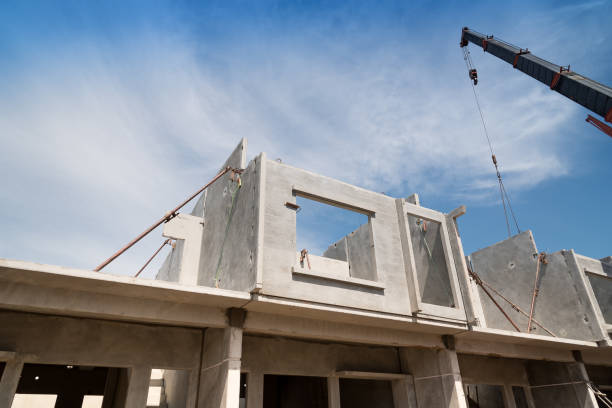
Precast concrete consists of several essential components, each contributing to its overall strength, durability, and performance. These include:
1. Cement
Cement is the primary binding agent in concrete. It reacts with water to form a paste that binds aggregates together, resulting in a solid and durable material. The most commonly used cement for precast concrete is Ordinary Portland Cement (OPC), though various types of cement may be used depending on specific requirements such as rapid setting or high resistance to chemicals.
Type I Cement: General-purpose cement, commonly used in most precast concrete applications.
Type III Cement: Offers faster curing times, making it ideal for projects requiring quick turnaround.
2. Aggregates
Aggregates are materials such as sand, gravel, or crushed stone that are mixed with cement and water to form concrete. Aggregates make up a large portion of the concrete mix, contributing significantly to its strength, stability, and workability. Aggregates are divided into two categories:
Fine Aggregates: Sand or crushed stone smaller than 5mm in diameter.
Coarse Aggregates: Gravel, crushed rock, or other materials larger than 5mm.
Aggregate Selection Criteria:
Grain Size Distribution: Well-graded aggregates prevent voids, enhancing the density and strength of the concrete.
Cleanliness: Free of organic matter or impurities to ensure optimal binding.
Hardness and Durability: Aggregates must withstand environmental stress without degrading.
3. Water
Water is the key component that activates cement and enables it to bind with the aggregates.
The Importance of the Water-to-Cement Ratio:
Low Ratio: Produces dense, high-strength concrete but may reduce workability.
High Ratio: Improves workability but can weaken the final product.
Ideal Ratio: Typically ranges between 0.4 and 0.6 for precast applications.
The quality of water used in the mix is also important. Water must be clean and free of contaminants to ensure that the precast concrete reaches its optimal strength.
4. Admixtures
Admixtures are added to the concrete mix to enhance its performance. These chemical additives can alter the properties of the concrete, making it more workable, stronger, or resistant to various environmental factors. Some common types of admixtures include:
Plasticizers: Improve the workability of the concrete.
Air-entraining agents: Increase resistance to freeze-thaw cycles.
Accelerators: Speed up the curing process.
Retarders: Slow down curing for more extended workability.
5. Reinforcements
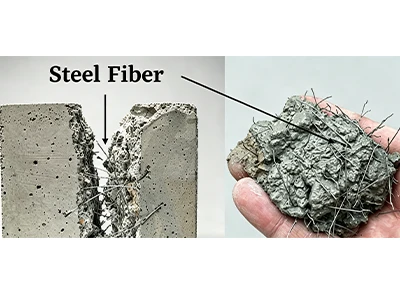
Reinforced concrete is essential for ensuring the durability and load-bearing capacity of precast elements. Steel reinforcements are embedded within the concrete to resist tensile forces, which concrete alone cannot handle. Two primary types of reinforcements are:
Steel Rebar: These are steel bars used to reinforce concrete, providing tensile strength and flexibility.
Prestressed Tendons: These are steel cables or strands that are stretched before the concrete is poured, ensuring that the concrete remains in compression even under load.
Reinforced and prestressed concrete are used in a wide range of precast products, from structural beams to foundation elements, to ensure they can handle heavy loads and stress.
6. Other Additives
Special additives like silica fume or fly ash can be included in the mix to improve strength, reduce permeability, and enhance the concrete's overall performance.
The Science Behind Precast Concrete Composition
The interplay between these components determines the final properties of precast concrete. Below are critical factors to understand how these elements work together:
1. Hydration Process
When cement reacts with water, it undergoes hydration, forming calcium silicate hydrate (C-S-H), which gives concrete its strength. This chemical reaction is exothermic, producing heat during curing.
2. Aggregate-Cement Bond
A strong bond between aggregates and cement paste ensures the concrete can withstand compression. The surface texture of aggregates and the fineness of cement influence this bonding.
3. Microstructure Optimization
Admixtures and additives refine the microstructure of precast concrete, filling microscopic voids and reducing permeability. This enhances durability and resistance to wear.
The Manufacturing Process of Precast Concrete
The manufacturing of precast concrete involves several carefully controlled processes. The primary steps are mixing, casting, curing, and finishing.
1. Mixing
In the mixing process, cement, aggregates, water, and admixtures are combined in a concrete mixer to achieve a uniform consistency. The mixing time and equipment play a significant role in ensuring the proper blend of materials.
2. Casting and Molding
After mixing, the concrete is poured into molds or forms that shape it into the desired precast component. These molds are often made of steel, plastic, or wood, depending on the type of product being manufactured. Precision in mold design ensures that each piece of precast concrete is consistent in size and shape.
3. Curing
Curing is the process by which the concrete hardens and gains strength. Proper curing ensures that the concrete develops the full potential of its strength. Different curing methods are employed, including:
Water Curing: Keeping the concrete moist for several days.
Steam Curing: Exposing the concrete to steam in a controlled environment.
Accelerated Curing: Using heat or chemicals to speed up the curing process.
Proper curing is essential for ensuring the final product's durability. Our advanced curing equipment ensures the efficient and timely curing of precast elements.
4. Finishing and Storage
After curing, the concrete is removed from the molds and subjected to finishing processes, which can include smoothing, polishing, or texturing the surface. The final product is then carefully stored to prevent damage before transportation.
Comparison of Precast Concrete Components
|
Component |
Function |
Common Materials |
Importance in Precast Concrete |
|
Cement |
Binding agent |
Portland cement |
Provides strength and durability |
|
Aggregates |
Filler and strength |
Sand, gravel, crushed stone |
Adds volume and enhances stability |
|
Water |
Activates cement |
Clean, potable water |
Determines strength and workability |
|
Admixtures |
Enhances properties |
Plasticizers, accelerators, retarders |
Customizes the concrete's performance |
|
Reinforcement |
Increases tensile strength |
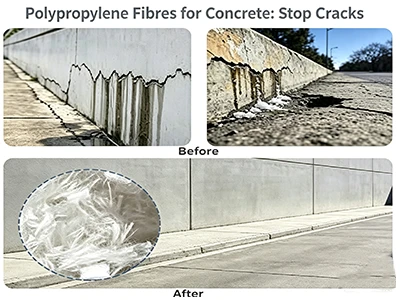
Steel bars, fibers, mesh |
Prevents cracking and improves load capacity |
What Products Can Be Made from Precast Concrete?
Precast concrete's versatility allows it to be used in creating a wide range of products, from structural components to decorative features. Its ability to be molded into various shapes and sizes makes it a key material in modern construction. Below are the primary categories of products that can be made from precast concrete.
1. Structural Elements
Precast concrete is widely used to manufacture essential structural components such as beams, columns, and slabs. These elements provide the framework for buildings, bridges, and other load-bearing structures. Beams and columns made from precast concrete are valued for their strength, precision, and ability to handle heavy loads.
Similarly, slabs, whether solid or hollow-core, are often used in floors and roofs for residential, commercial, and industrial projects. Precast wall panels, which can be load-bearing or non-load-bearing, offer options for thermal insulation, weather resistance, and customized surface finishes.
2. Infrastructure Components
The infrastructure sector benefits significantly from precast concrete's strength and durability. For instance, bridge girders crafted from precast concrete are essential for modern bridge construction, ensuring long-lasting performance under heavy traffic loads.
Precast concrete is also a common choice for manufacturing tunnel segments and culverts, which require precise dimensions and the ability to withstand high pressure in underground systems. Additionally, products such as manholes and pipes are indispensable for water and sewage systems, providing long-term reliability and ease of installation.
3. Architectural Features
Precast concrete allows architects to create visually appealing and functional designs. Facade panels are a popular choice for exterior cladding, offering a wide range of textures, colors, and patterns to enhance a building's aesthetic appeal.
Precast stairs and balconies are another practical application, combining durability with design flexibility while speeding up construction timelines. Decorative cladding panels made from precast concrete are also used to add sophistication to building exteriors without compromising structural integrity.
4. Utility Products
In landscaping and civil engineering, precast concrete is frequently used for retaining walls, barriers, and fences. Retaining walls are essential for soil stabilization in projects like highways and landscaping, while barriers such as Jersey barriers are crucial for traffic management and safety.
Precast fences are both durable and customizable, serving functional and decorative purposes. Moreover, precast paving stones and curbs are integral to urban and suburban infrastructure, adding both practicality and aesthetic value to outdoor spaces.
5. Specialized Components
Precast concrete is well-suited for producing modular units and other specialized components. Entire sections of buildings, such as bathrooms, kitchens, or even complete rooms, can be prefabricated using precast concrete, particularly in modular construction projects.
Vaults and tanks, used for underground storage of liquids or for stormwater management, are also commonly made from precast concrete due to its ability to resist leaks and withstand pressure. In marine construction, precast elements such as seawalls, dock components, and breakwaters are valued for their resilience against water and harsh environmental conditions.
6. Transportation Elements
Transportation infrastructure relies heavily on precast concrete products. Railway sleepers made from precast concrete provide stability and longevity for rail tracks, ensuring smooth operations over time. Similarly, precast road barriers, median dividers, and drainage components contribute to the safety and efficiency of road networks.
These elements can be manufactured to precise specifications, reducing on-site installation time while maintaining high quality.
Innovations in Precast Concrete Composition

The evolving demands of modern construction have driven significant innovations in the formulation of precast concrete. Beyond its traditional components, new advancements are enhancing its functionality, sustainability, and performance. Understanding these innovations provides deeper insight into what precast concrete is made of and its future potential.
Supplementary Cementitious Materials (SCMs)
SCMs are revolutionizing the way precast concrete is produced. Materials like ground granulated blast-furnace slag (GGBS), fly ash, and silica fume are increasingly being used as partial replacements for cement. These materials contribute to a denser microstructure, reducing porosity and increasing resistance to aggressive environments. For instance, precast concrete made with fly ash often demonstrates superior long-term strength while also offering environmental benefits by repurposing industrial byproducts.
The incorporation of SCMs not only enhances durability but also reduces the carbon footprint of precast concrete. Cement production is a significant source of CO₂ emissions, and replacing a portion of it with SCMs makes the manufacturing process more sustainable. This aligns with the global push for green construction materials.
Reactive Powder Concrete (RPC)
Another notable innovation is reactive powder concrete, a high-performance material used in certain precast applications. RPC incorporates ultra-fine powders such as quartz and silica fume, along with steel fibers for reinforcement. Unlike traditional precast concrete, RPC eliminates coarse aggregates and focuses on creating an extremely compact matrix. This composition allows it to achieve exceptional strength and durability, making it suitable for demanding projects like bridges and high-rise buildings.
RPC also reduces weight without compromising strength, enabling its use in architectural elements that prioritize aesthetics and structural integrity simultaneously.
Eco-Friendly Additives in Precast Concrete
In addition to SCMs, other eco-friendly additives are gaining traction. Bio-based additives derived from agricultural waste, such as rice husk ash, are being tested in precast concrete production. These additives not only provide additional binding properties but also contribute to better thermal insulation. This dual advantage makes them ideal for energy-efficient building projects.
Some precast manufacturers are exploring the use of nanomaterials, including carbon nanotubes and graphene, to improve the mechanical and thermal properties of concrete. These advancements have the potential to redefine the traditional limitations of precast concrete in terms of strength-to-weight ratio and resilience.
Products Offered by Precast Concrete Magnet for Precast Concrete
We provide a range of products that enhance the precast concrete manufacturing process:
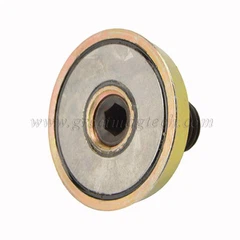
Magnets for Precast Concrete
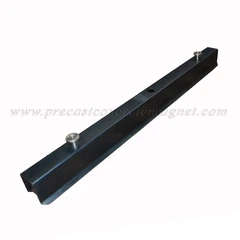
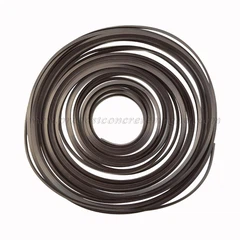
Our precast concrete magnets simplify the alignment and positioning of precast elements, reducing labor and improving accuracy.

Shuttering Systems
Our shuttering forms provide precision and flexibility, ensuring that your precast products are of the highest quality.
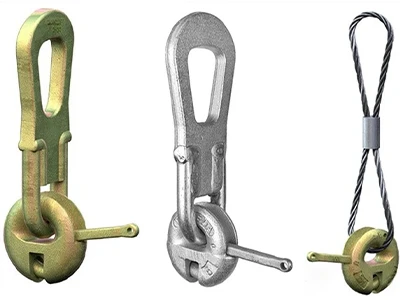
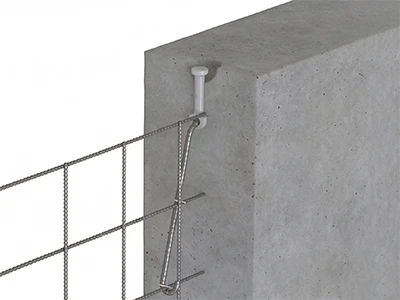
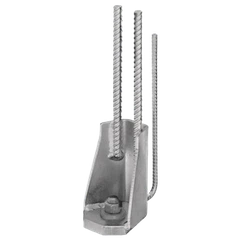
Anchoring Systems
We offer anchoring products designed for the secure lifting and handling of precast elements, ensuring safety and efficiency on-site.
Bottomline
Precast concrete stands out as a versatile and sustainable construction material, thanks to its carefully crafted composition of cement, aggregates, water, admixtures, and reinforcements. Each component contributes uniquely to its strength, durability, and adaptability, making precast concrete an essential element in modern construction. Advances in supplementary cementitious materials, fiber reinforcements, eco-friendly additives, and innovative manufacturing techniques further elevate its performance, paving the way for more efficient, sustainable, and resilient building solutions.