





Introduction
In the production of precast concrete, efficiency, precision, and cost control consistently remain the primary priorities for manufacturing plants. Traditional formwork fastening methods-which often entail drilling, welding, or bolting-are not only time-consuming but also increase labor burdens and maintenance costs. In contrast, magnetic formwork systems are rapidly becoming the preferred choice for an increasing number of precast facilities. These systems not only accelerate installation speeds but also enhance positioning accuracy, minimize operational waste, and integrate seamlessly with modern automated production lines. For plants seeking to boost production capacity, reduce errors, and extend the service life of their casting beds, a magnetic formwork system is no longer merely an accessory option; it represents a comprehensive solution for optimizing production efficiency.
This article will provide a detailed analysis of the top ten advantages of magnetic formwork systems, helping readers understand why they are becoming increasingly indispensable in modern precast concrete production.

What Is a Magnetic Formwork System?
A magnetic formwork system is a reusable formwork fixing solution used in precast concrete production. It works by using powerful built-in magnets to firmly hold side forms onto a steel casting bed, creating the required shapes for concrete elements such as wall panels, slabs, beams, columns, and stairs.
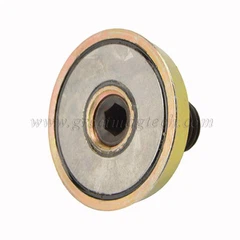
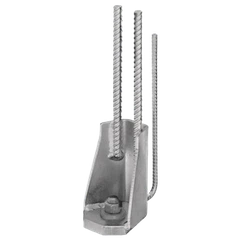
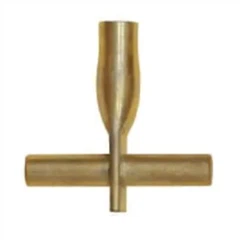
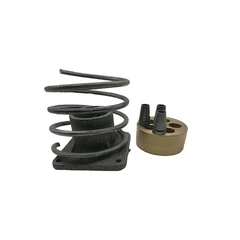
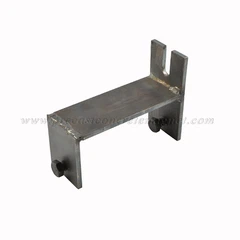
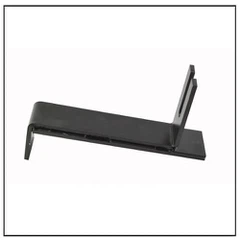
A typical magnetic formwork system usually includes shuttering magnets, formwork magnets, concrete chamfers, insert magnets, and sometimes adapters or auxiliary accessories designed to match different mold configurations. Once the magnetic box is activated, it firmly attaches to the steel table surface. After production is completed, it can be released and removed for the next setup.
The real value of a magnetic formwork system lies in its efficiency and flexibility. It helps protect casting beds from damage, improves positioning accuracy, and supports repeated use over multiple production cycles.
Why Magnetic Formwork Systems Are Used in Precast Concrete Production
Magnetic formwork systems are widely used in precast concrete production because they make the formwork process faster, simpler, and more consistent. In a precast factory, forms often need to be installed, adjusted, and removed many times within a single day. Traditional fixing methods, such as drilling, bolting, or welding, usually take more time and can slow down the entire production cycle. By contrast, magnetic formwork systems provide a more efficient way to secure side forms on steel casting beds, helping improve daily output.
Another important reason is the high level of accuracy they provide. Precast concrete elements must meet strict dimensional and shape requirements, especially when they are part of larger building systems. Magnetic formwork helps keep the side forms in the correct position throughout the casting process, which effectively reduces positioning errors and significantly improves product consistency.

Top 10 Advantages of Magnetic Formwork Systems
Faster Setup and Removal
Magnetic formwork systems allow operators to quickly attach, position, and remove side forms. Compared with traditional drilling, welding, or bolting methods, they can significantly reduce setup time before casting and shorten stripping time after curing. In fast-paced precast production with multiple batches, this efficiency advantage becomes even more valuable.
No Drilling or Welding on Casting Beds
Over time, traditional fixing methods often cause different kinds of damage to steel casting beds. Drilling leaves permanent holes that affect the integrity of the table surface, while welding may leave marks and even cause local deformation or weaken the steel. Magnetic formwork systems avoid these problems by using magnetic force to hold the formwork firmly in place, without any destructive treatment to the casting bed. This helps maintain table flatness, reduces maintenance and repair costs, and extends equipment service life.
Better Positioning Accuracy
In precast concrete production, dimensional accuracy and edge quality are extremely important. If the formwork is not positioned correctly, it can lead to size deviations, uneven edges, assembly errors, and even costly rework or material waste. Magnetic formwork systems help operators fix side forms more accurately, keeping the layout cleaner and the edges more precise. This improves consistency and overall product quality. For wall panels, slabs, stairs, and custom precast elements with higher precision requirements, this advantage is especially clear.
Easier Adjustment for Different Mold Sizes
Modern precast plants often need to switch quickly between components of different sizes, such as wall panels, slabs, beams, columns, stairs, or other non-standard elements. Traditional adjustment methods are usually time-consuming and labor-intensive, while magnetic formwork systems offer far greater flexibility when repositioning side forms and changing mold dimensions. Operators can move and adjust the forms more easily according to production needs, which helps reduce downtime during mold changes.
Higher Production Efficiency
When setup is faster, adjustment is easier, and positioning is more accurate, the entire production process becomes more efficient and easier to control. For precast plants that focus on high turnover and large output, magnetic formwork systems not only improve the efficiency of each operation but also help optimize the performance of the entire production line over time.
Lower Labor Intensity and Labor Cost
Traditional fixing methods often rely heavily on manual work. They are not only complicated to operate, but also physically demanding, especially in high-frequency repetitive production. This can increase worker fatigue and make on-site management more difficult. Magnetic formwork systems simplify the fixing process, making installation and removal easier and more efficient while reducing excessive dependence on physical strength and operator experience.
Reusable and Long Service Life
High-quality magnetic formwork systems are usually designed with durable structures that can maintain stable performance even in demanding production environments. Compared with disposable consumables or traditional fixing parts that wear out easily, magnetic systems can be reused many times and generally offer a longer service life. This gives them a better long-term return on investment.
Cleaner and Safer Working Environment
There are no welding sparks, no metal debris from drilling, and fewer loose fasteners or tools scattered on the casting table. Magnetic formwork systems help keep the production area cleaner and more organized, making workshop management easier and more standardized. A cleaner environment not only improves daily operating safety but also supports better 5S management and reduces risks caused by disorder on the shop floor.
Better Compatibility with Automation
As precast concrete production continues to move toward automated and semi-automated systems, factories increasingly need formwork fixing solutions that match modern production rhythms. Magnetic formwork systems have a clear operating logic and strong repeatability, which makes them easier to integrate with automatic formwork placement equipment, robotic arms, or gantry production lines.
Lower Long-Term Operating Cost
The value of magnetic formwork systems is not limited to making operations easier at the beginning. More importantly, they help reduce overall costs in long-term use. Less table damage means lower repair expenses, higher installation efficiency means lower time costs, reduced labor demand improves workforce structure, and the reusable nature of the system lowers long-term purchasing and consumption costs. Together, these benefits help reduce the total operating cost of precast production.

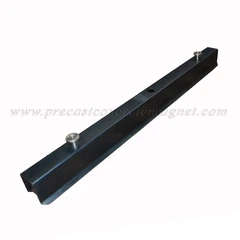
Shuttering Magnet

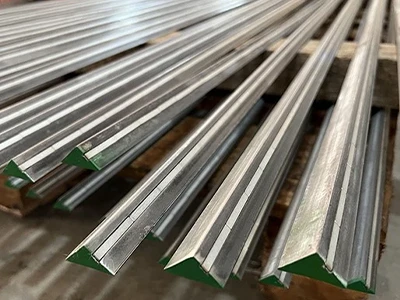
Concrete Chamfer

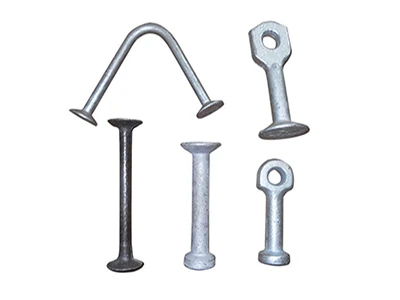
formwork Magnet

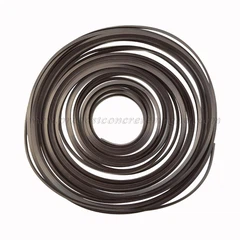
formwork Magnetic
Magnetic Formwork Systems vs Traditional Fixing Methods
|
Item |
Magnetic Formwork Systems |
Traditional Fixing Methods |
|
Installation Speed |
Faster setup and removal, helping shorten production cycles. |
Slower due to drilling, welding, or bolting. |
|
Positioning Accuracy |
More accurate side form positioning and better consistency. |
More dependent on manual work and less consistent. |
|
Adjustment Flexibility |
Easier to reposition for different mold sizes. |
Adjustment is often slower and more complicated. |
|
Production Efficiency |
Helps improve workflow and overall plant efficiency. |
Lower efficiency because setup and changeover take longer. |
|
Labor Demand |
Reduces labor intensity and simplifies operation. |
Requires more manual effort and operator experience. |
|
Reusability |
Reusable and designed for long service life. |
Some parts wear out faster and need replacement. |
|
Automation Compatibility |
Better suited for automated production lines. |
Less suitable for automation upgrades. |
|
Long-Term Cost |
Lower long-term operating cost. |
Higher maintenance and labor costs over time. |
Where Magnetic Formwork Systems Work Best
Magnetic formwork systems are widely used in the production of precast wall panels, floor slabs, stairs, beams, and columns. Since these components often require a high level of edge positioning accuracy and dimensional consistency, magnetic fixing has become a highly practical solution.
They also perform very well in factories that frequently switch product types or handle molds of different sizes. The system strongly supports flexible manufacturing while avoiding excessive downtime during adjustments.
Another ideal application for magnetic formwork systems is in semi-automated or fully automated precast production lines. The system can be integrated more easily into established production processes and workflows, making it well-suited to modern production management.

How to Choose the Right Magnetic Formwork System
First, check your casting bed material. Magnetic formwork systems are designed for steel casting beds. A clean and level steel surface helps the magnets deliver a stable, reliable holding force and ensures accurate positioning.
Second, match the system to the type of precast element you produce. Different elements, such as wall panels, slabs, beams, columns, and stairs, often require different side forms, adapter designs, or magnet layouts. The geometry of the component directly affects the best system configuration.
Third, choose the proper magnetic force. Stronger is not always better. The right holding force should be selected based on several factors, including form height, lateral concrete pressure, vibration intensity, and mold length. If the magnetic force is too weak, the formwork may shift. If it is too strong, repositioning can become slower and more difficult.
Fourth, consider flexibility in daily production. If your factory often changes component sizes or mold layouts, an adjustable magnetic formwork system can help save time and reduce downtime.
FAQ
Q: What are the main advantages of magnetic formwork systems?
A: The primary advantage lies in faster and more flexible formwork installation. Magnetic formwork systems reduce the need for drilling, welding, or bolting, helping to save time, improve positioning accuracy, and support more efficient precast production processes.
Q: Are magnetic formwork systems superior to bolted methods?
A: Yes. Magnetic formwork systems are typically faster to install and dismantle, easier to reposition, and cause less damage to steel casting beds. While bolted methods may still be used in certain specific situations, magnetic systems are often the more efficient choice for repetitive factory production.
Q: Can magnetic formwork systems improve precast production efficiency?
A: Yes. They can shorten setup times, reduce manual labor, and simplify mold changeovers. This helps factories optimize workflows, minimize downtime, and increase daily output-making them particularly suitable for facilities that regularly produce a variety of precast components on a fixed schedule.
Q: Do magnetic formwork systems damage the casting bed?
A: No. Provided they are used correctly on a suitable steel casting bed, they will not cause damage. One of their key advantages is that they eliminate the need for drilling and welding-operations that can otherwise damage the bed surface over time.
Q: Are they suitable for automated precast concrete factories?
A: Yes. Magnetic formwork systems are highly suitable for both automated and semi-automated precast facilities. Their precise positioning capabilities, high repeatability, and ease of operation make them an ideal choice for production lines utilizing robotic or gantry systems.
Q: What types of precast components can be produced using magnetic formwork systems?
A: They can be used for a wide variety of precast concrete components, including wall panels, floor slabs, beams, columns, staircases, balconies, and other custom elements. The specific installation configuration depends on the size, shape, and production requirements of the components.
Conclusion
The reason magnetic formwork systems are gaining increasing popularity in modern precast concrete plants is not merely because they are "more convenient," but rather because they offer distinct advantages across multiple dimensions-including installation speed, positioning precision, labor efficiency, equipment protection, and long-term operational costs.
If you are seeking a magnetic formwork solution suitable for your production line, it is recommended that you conduct a systematic evaluation based on factors such as the type of precast elements, the condition of your casting beds, and your production cycle requirements. Selecting the right magnetic formwork system will not only boost your current operational efficiency but also lay a solid foundation for future automation upgrades.