




Precast concrete connections play an important role in maintaining the erection of precast structures. The construction and design of connections and joints are given first priority. The diverse range of precast concrete component sizes, dimensions, and potential support conditions will lead to many different connection details.

Individual precast manufacturers have crafted specific connection details over time to align with their individual production and assembly preferences. So it's critical to consider these manufacturer-specific connection details at the beginning of a project's design phase.
These connections must satisfy diverse design and performance standards; not all connections need to meet the same criteria. These fundamental criteria encompass the transmission of forces through joints, strength, and elasticity. The precast concrete industry employs a broad collection of connection hardware and devices, such as threaded connectors and bolts.
In this blog, we’re going to discuss the most common types of precast concrete connection products. So, keep reading to learn more.
Common Types of Connection Products Used in Precast Applications
In precast applications, there are many types of connection products. These connections are crucial for the structure's durability, strength and stability. They are responsible for the transfer of loads, restricting movement and providing stability to an entire structure or component.
The connections used between components are a major factor in the overall behavior of precast structures. They are used to hold the precast together. A wide range of connectors are available to suit each project's requirements:
Types of precast concrete connection details and products:
Welded Connections
Welded connections serve as a common and standard method in the assembly of precast concrete structures. These connections offer structural efficiency and adaptability to changing on-site conditions. Employing welded connections can streamline the construction process and expedite project timelines. Their primary role is in transferring forces across joints, thereby guaranteeing the overall stability of the structure.
Maintaining the strength of welded connections is of utmost importance to prevent any failures over the structure's lifespan. Meeting various design and performance criteria, including ductility and strength, is imperative for welded connections. Practicing engineers can find many valuable resources on the internet, which provide design illustrations and guidance. Employing appropriate connection details is critical to safeguard the structural soundness of the building.

Bolted Connections
Bolted connections simplify and speed up the erection process. Final alignment and adjustments can be done later, without having to use crane time. The bolting should align with the erection plans and utilize the materials suggested by the designer.
For precast concrete constructions, bolted connections provide a quick and easy way to erect the structure. Bolted connectors can facilitate construction and shorten the building period. Peikko invented bolted connections with particular built-in elements like anchor bolts, column shoes, and beam shoes more than 30 years ago to create connections that are effective and secure.
According to the test results, bolted connections between precast concrete structures can be removed without sacrificing load. To ensure the building's structural stability, it is essential to apply the proper bolted connection details.

Grouted Connections
Grouted connections can be used to join precast concrete components that are not intended to resist shear force. Grout fills the gap between two elements, and provides a path for load transfer.
Many precast concrete structural systems use grouted connections because they are an easy and affordable method of connecting. Precast concrete members, such as beams, columns, and foundations, are connected via grouted connections. In precast concrete construction, a variety of grouted connections are employed, including:
· Grouted dowel connection: Precast concrete wall panels are joined together using this method of connection. The adjacent panel's hole is used to insert the dowel, which is then grouted in place.
· Grouted sleeve connection: Columns, beams and foundations made of precast concrete are joined together using this kind of connection. The reinforcing bars are fitted into the sleeve, which is then inserted into the end of the precast member. Grout is then poured into the sleeve to solidify the connection.
To avoid shrinkage and cracking and to provide a strong, long-lasting connection, non-shrink and epoxy grout are frequently used in grouted connections. High-strength, non-metallic grout is intended to produce a strong, long-lasting bond. Before usage, two parts of epoxy grout are mixed together to form the glue. In areas where exceptional longevity and strength are required, epoxy grout is frequently employed.
In many precast concrete structural systems, grouted connections provide a straightforward and affordable connecting method. To preserve the building's structural stability, it is essential to apply the proper grouted connecting details.
Mechanical Splice Connections
Another sort of connection utilized in precast concrete construction is mechanical splice connectors. These connectors link the beams, columns, and foundations made of precast concrete.
Mechanical splices are used to resist overturning moment in connections that resist moments. These connections are used for moment-resisting frames and shear wall.
Details of Mechanical Splice Connections :
1. Mechanical bar couplers: These connections splice reinforcing bars to join precast concrete elements. Two reinforcing bars are mechanically connected by a coupler, which is a mechanical mechanism. The coupler's purpose is to distribute weights evenly over the two bars while preserving the ongoing integrity of the reinforcement.
2. Splice Sleeves: Reinforcing bars are spliced together to form this sort of connection, which is used to join precast concrete components. A mechanical tool called a splice sleeve is used to join two reinforcing bars together. The sleeve's purpose is to ensure the continued integrity of the reinforcement while transferring loads between the two bars.
In building projects, mechanical splice connections have a number of benefits, such as simplicity in installation, lower labor costs, and enhanced structural performance. It’s crucial to apply the right connection specifications to preserve the building’s structural stability.
Threaded Inserts
Threaded inserts can be used to join precast concrete components together or with other materials. There are standard threaded, coil threaded, and slotted slots that allow for field adjustment and tolerances.
Precast concrete constructions frequently employ threaded inserts as a type of connection. The purpose of threaded inserts is to create a rust-free, threaded hole in the concrete that enables attachment applications. Here’re some details about threaded inserts:
1. Concrete insert anchors: These are zinc-coated inserts for use in concrete attachment installations. Unless specified differently, inserts take a UNC threaded bolt.
2. Precast concrete insert MX-25: This metal insert for precast construction is cast in place and is used in many typical attachment applications.
3. Die-cast pre-cast inserts: These are made of solid zinc alloy and intended to give a rust-free, screwed hole in the concrete. Utility poles, railings, and other structures all employ pre-cast inserts.
4. Star threaded inserts: These inserts are cast into precast or concrete and allow anchor bolts to be taken out and put back in as many times as necessary.
The most crucial factors in precast concrete constructions include the design and creation of joints and connections. To preserve the building's structural integrity, it is essential to apply the proper threaded insert connection specifications.
The type of connection utilized in precast applications will depend on the type and size of the structure, the seismic zone, the availability of hardware and materials, and the skill level of the site workers. It is vital to choose the right product for the connection to ensure the strength, stability and durability of a structure.
Corbel connections
These types of connections are mainly used to offer support for precast concrete slabs or beams on columns. Corbels provide an efficient and stable connection typical used on precast columns.
The following are some details about corbel connections for precast concrete:
· Corbel connections supports precast concrete slabs or beams on precast columns.
· They provide an effective and stable connection. This is the reason they are preferred to be used on precast.
· Corbel connections are intended to provide stability and transfer loads, safeguarding the structural integrity of the building.
· Ensuring the strength of the corbel connection is imperative to prevent any potential failures over its lifespan.
· In precast concrete structures, paramount importance is placed on the design and construction of joints and connections.
All in all, corbel connections represent a prevalent and uncomplicated method within precast concrete, serving the purpose of supporting precast concrete beams or slabs on precast concrete columns. The utilization of suitable corbel connection details remains essential for upholding the structural integrity of the building.
Moment Connections
Moment connections are integral to precast concrete construction, and crucial for bolstering resistance against lateral forces such as wind and earthquakes. Several types of moment connections tailored for precast concrete systems are employed:
Plastic Hinge Region Relocation: This methodology revolves around the strategic repositioning of the plastic hinge region within precast concrete frames, a pivotal strategy especially pertinent to construction in seismic-prone regions.
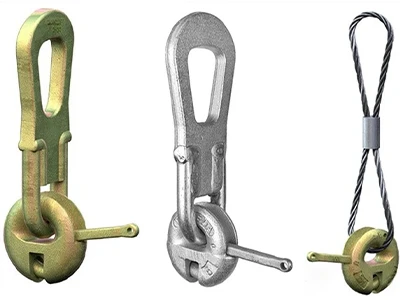
Loop Connection: The loop connection is characterized by a single-wire loop mechanism employed to securely link two precast boxes. This approach finds particular utility in the context of Prefabricated Prefinished Volumetric Construction (PPVC) projects.
Hybrid Precast Connection: The MOMENT Hybrid Precast Connection represents an innovative construction technique that seamlessly integrates MOMENT Precast Shoes and MOMENT Grout Couplers. This combination forms a ductile, robust moment-resisting connection tailored for precast reinforced concrete (RC) frames, offering heightened resilience in high seismic zones.
Innovative Connections: The realm of moment connections in precast concrete structures has witnessed the emergence of pioneering solutions that address both design and practical considerations. These innovations have been introduced through rigorous research efforts, providing promising avenues for further advancements in the field.
Precast Floor Connections Types
When it comes to precast floors, the connections play a critical role in ensuring structural stability and functionality. These connections serve multiple purposes, including linking the floor units to their supporting structures, distributing loads horizontally, and accommodating various factors like temperature changes and structural movement.
Support Connections
The connections at the supports of precast floors are customized based on the type and material. Several practical considerations come into play here, such as the minimum support length, maintaining evenness along the support contact zone, rotational capacity, tie arrangements, and the level of restraint required for the floor elements.
Additionally, careful detailing of longitudinal and transverse tie reinforcements is essential to ensure structural integrity, flexibility, and ductility. To establish continuity between the the supporting structure and precast floor panel, two common methods are used: anchoring protruding bars directly into the tie beam or applying a structural topping.
Longitudinal Joints
Longitudinal joints are specifically designed to efficiently transfer both vertical and horizontal forces between adjoining floor panels. The joint faces, for hollow core slabs, are often profiled to create a longitudinal shear-key when grouted. In the case of double or single T-slabs, welding the joint span is a common practice to ensure a strong connection.
Connections at Lateral Joints
The connections between the edges of precast floors and the beams or walls that run parallel to the ground serve the crucial role of transferring horizontal loads between the floor structure and the adjacent components. This becomes particularly significant when these components contribute to the structure's overall stability. Achieving this type of connection involves creating recesses at regular intervals or continuously in the top flange and embedding reinforcement bars within the cast-in situ concrete.
Advantages
There are many benefits of using precast floor connections. They are generally advantageous in construction projects due to their speed, quality assurance, structural effectiveness, flexibility, and increased safety.
Let’s explore them in detail below:
Speed of construction: One of the main advantages of floor connections is that it can be created off-site, meaning you don’t need to invest in expensive equipment or hire on-site labor. This gives a boost to the speed of construction.
Quality control: As already discussed above, precast floor connections are made under the supervision of certified experts in a controlled environment to ensure quality and restrict the risk of errors.
Structure efficiency: These connections transfer loads and provide stability to ensure the building maintains its structural integrity for years.
Flexibility: With precast floor connections, you can achieve any design, thanks to their design flexibility options. This is why you see most builders advocating using precast floor connections.
Optimum use of materials: Precast floor connections make it easy for builders to use resources as proficiently as possible, reducing waste and the construction site’s environmental impact.
Better construction safety: Precast floor connections may be installed fast and safely, increasing construction site safety and lowering the risk of accidents.
Final Words
In conclusion, precast concrete connections are the backbone of modern construction, providing stability, strength, and durability to structures. Their diversity and importance cannot be overstated, as they cater to various project needs and design criteria.
From welded and bolted connections to grouted and mechanical splices, each connection type has its specific role in ensuring the structural integrity of precast buildings. As builders and engineers continue to harness the potential of precast connections, we can expect to see even more groundbreaking solutions that redefine the future of construction