









The construction industry has undergone a revolution with the advent of precast concrete, which offers efficiency, durability, and versatility in numerous applications. The demand for faster construction and cost-effective solutions fuels an escalating prevalence of using precast concrete. A crucial aspect that bolsters success in these projects is strategically utilizing lifting anchors. This comprehensive guide delves into the world of precast concrete. It focuses on utilizing lifting anchors with precision, an approach that leads to superior results.
Understanding the Basics of Precast Concrete
Let us first establish a robust foundation on precast concrete before delving into the specifics of lifting anchors. In precast concrete, we cast components in a controlled environment off-site, thereby enabling meticulous quality control. This method presents several benefits. It reduces construction time, enhances durability, and improves structural integrity.
Unveiling the Power of Lifting Anchors
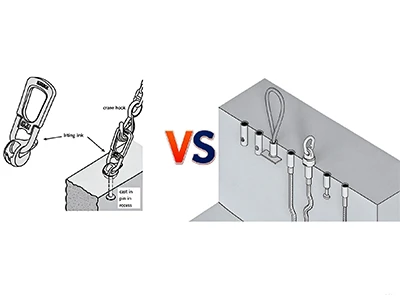
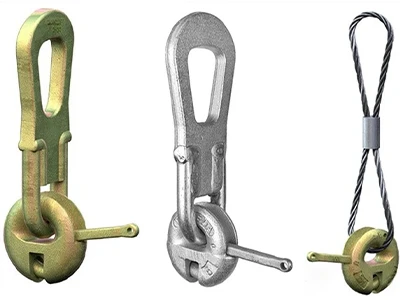
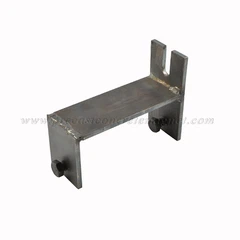
Precast concrete landscape relies significantly on lifting anchors, as they enable the secure and effective manipulation of precast elements. Our extensive product line specifically caters to lifting anchor needs in precast concrete applications. It comprises these essential items:
Double Head Lifting Anchor:
Our Double Head Lifting Anchor is a versatile solution for handling precast elements. It features dual lifting points and enhances stability and control in all lifting operations. Explore the advantages of the Double Head Lifting Anchor.

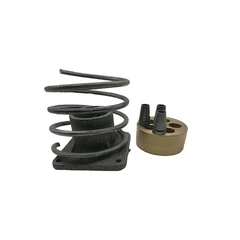
Spherical Head Anchor Lifting Anchor:
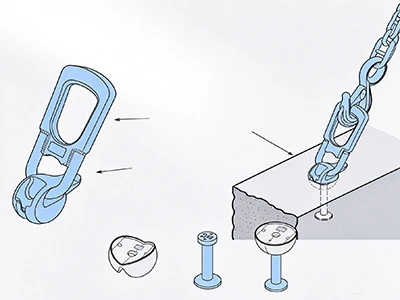
Our Spherical Head Anchor Lifting Anchor combines precision and innovation. The unique design guarantees a secure, reliable lifting point for precast elements. This ensures accuracy and efficiency. Dive into the features of the Spherical Head Anchor Lifting Anchor.

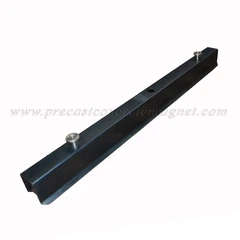
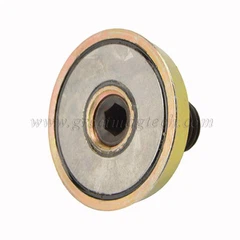
Steel Magnetic Anchor Former Precast Concrete Lifting Anchor Magnets:
Our Steel Magnetic Anchor Former empowers your precast concrete projects, ensuring a secure and efficient lifting process through its powerful magnets. Explore the strength and reliability of the Steel Magnetic Anchor Former.

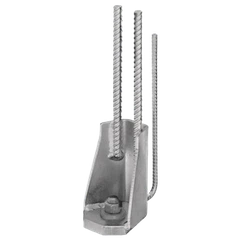
Foot Anchor for Precast Concrete:
Our Foot Anchor is paramount for stability. It delivers just that with its unique design, which offers exceptional steadiness during the lifting process. This preferred choice excels across a wide range of precast applications due to its superior stability.
Step-by-Step Guide on Using Lifting Anchors
Having already introduced the pivotal lifting anchors into our product line. Let's now venture further, exploring a detailed, step-by-step guide to their effective use. By doing so, we'll guarantee not only seamlessness but also success for your precast concrete project.
1. Preparation of Formwork:
In utilizing lifting anchors for precast concrete, meticulous formwork preparation serves as the first essential step. It sets the foundation and the cornerstone of our entire process. Its type and size are worth pondering.
Construct the formwork with precision to accommodate the precast element's specific shape and dimensions. This meticulous attention initiates a seamless integration of the lifting anchors into the formwork structure, thereby laying the successful groundwork for the casting process.
2. Placement of Lifting Anchors:
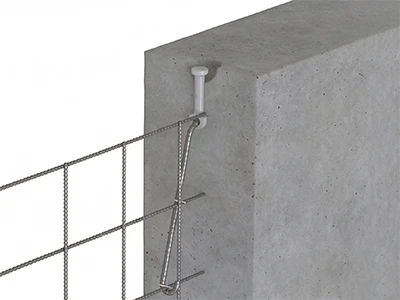
During the preparation of formwork, you must strategically place lifting anchors from our product line. This is crucial to overall stability and balance throughout the lifting process. One should identify optimal lifting points by considering the weight distribution of the precast element.
Focus on achieving equilibrium as you place the selected lifting anchors within the formwork. This strategic placement ensures not only the structural integrity of the precast element during casting, but later on, it also fosters a controlled and safe lifting process.
3. Concrete Casting:
Meticulously prepare the formwork and strategically place the lifting anchors. Then, proceed with concrete casting. This stage demands precision and attention to detail. This is crucial for ensuring the precast element's success.
Ensure that during the pouring of concrete, you adequately embed the lifting anchors in the material. It is imperative. During both the casting and lifting phases, optimal performance hinges crucially on proper alignment. The lifting anchors must secure a strong bond with the concrete. It should envelop them securely to withstand forces exerted in subsequent curing and lifting processes.
4. Curing and Demolding:
Once we cast the concrete, it embarks on a pivotal stage of curing. Adhering to recommended guidelines for this process enables the concrete to attain its specified strength; thus, ensuring long-term durability and performance of the precast element emerges as an essential step.
After the concrete cures to its desired level, initiate the demolding process. Carefully remove them with utmost caution from the formwork. Ensure unyielding security of lifting anchors. Any disruption during this phase could jeopardize their efficacy in subsequent lifting procedures.
5. Lifting Process:
In the final stage, we lift the precast element. We attach the lifting equipment to the designated lifting points of the anchors. This ensures a secure and balanced connection. For control maintenance and prevention of any undue stress on either side, precast element, or lifting anchors, a critical process is gradual lifting implemented. Following a controlled and systematic approach guarantees the smooth ascent of the precast element and minimizes the risk of damage. It ensures overall project success.

Mastering the utilization of lifting anchors requires paramount attention to detail at each stage of the process. From formwork preparation, through and this is crucial, the lifting process. Employing a methodical approach not only guarantees efficiency, safety, and longevity for your precast concrete projects. It also signifies mastery in this specialized field.
Do's and Don'ts of Using Lifting Anchors for Precast Concrete
To ensure optimal results and maintain a secure working environment, you must thoroughly understand the best practices for efficiently and safely
utilizing lifting anchors in precast concrete projects. Here, then, are some essential do's and don'ts.
Do's:
Follow Manufacturer Guidelines:
Fundamental to safe and effective operations is your adherence to the manufacturer's guidelines for each specific lifting anchor. You must understand product specifications, load capacities, as well as usage instructions.
Conduct Load Testing:
In preparation for the lifting operation, ensure to conduct of load testing. This ensures that anticipated loads are manageable by the lifting anchors. This proactive measure, a critical step in operational planning, not only identifies potential issues but also guarantees the reliability of your lifting system.
Inspect Lifting Anchors Regularly:
Regular inspections are crucial for the identification of wear, corrosion, or damage. Before each use, check the condition of the lifting anchors. Promptly replace any compromised components to uphold the system's structural integrity.
Train Personnel:
Adequately train all personnel involved in the lifting process on the proper use of lifting anchors. This training must cover a comprehensive understanding of the specific type being used, safety protocols, and emergency procedures.
Consider Weight Distribution:
Consider the weight distribution of the precast element when you place lifting anchors within the formwork. Ensure a balanced and controlled lift by positioning these anchors correctly, thus minimizing the risks of tilting or shifting during this process.
Use Suitable Lifting Equipment:
Ensure you pair the appropriate lifting equipment designed to handle the loads involved with your lifting anchors. By using certified and well-maintained equipment, guarantee not only the safety but also the stability of your operation.
Plan for Emergency Scenarios:
Developing and communicating clear emergency response plans specific to lifting operations involves outlining procedures for equipment failure, unexpected load shifts, or any other scenarios that could compromise safety. Regularly conducting drills is crucial. It ensures the team remains well-prepared at all times.
Don'ts:
Exceed Load Capacities:
Exceeding the load capacities that the manufacturer specifies for lifting anchors can compromise their structural integrity and pose a significant safety risk during the lift.
Neglect Regular Maintenance:
Do not neglect regular maintenance of lifting anchors and their associated equipment. Such routine care aids in the early identification of potential issues, preventing component degradation due to wear and tear.
Skip Pre-Lift Checks:
Before you initiate any lifting operation, ensure that you conduct thorough pre-lift checks. Verify the working order of all equipment, position lifting anchors correctly, and most importantly, complete load testing. Neglecting these essential steps can precipitate avoidable accidents.
Overlook Environmental Factors:
Consider environmental factors: wind, weather conditions, and temperature fluctuations. The stability of your lifting operation can be compromised by extreme weather conditions. Therefore, you must assess these factors. Adapt as necessary to ensure optimal safety.
Rush the Demolding Process:
Avoid rushing or applying excessive force during the demolding process. Instead, adhere to the recommended guidelines for curing the concrete. This precautionary measure will prevent any potential damage to either, the precast element or its lifting anchor.
Use Damaged Lifting Anchors:
If you detect any signs of damage, wear, or corrosion on a lifting anchor, refrain from using it in any lifting operations. Immediate replacement of damaged lifting anchors is crucial to sustain a secure working environment and circumvent equipment failure. Prioritizing thorough training, regular inspections, and adherence to manufacturer guidelines ensures your contributions toward a safe and efficient lifting process for precast concrete elements. This approach guarantees not only the security of your precast concrete projects but also their success.
Ensuring Safety and Compliance
Strict adherence to industry safety standards and guidelines in utilizing lifting anchors in precast concrete applications represents the non-negotiable cornerstone of any successful construction project. Every stage requires a steadfast commitment to safety, it is critical for worker well-being, safeguards project integrity, and determines overall endeavor success.
Rigorous Adherence to Industry Standards:
Establishing a robust safety foundation necessitates rigorous adherence to industry-specific precast concrete and lifting operation standards. Make it your team's priority to become familiar with the guidelines that relevant regulatory bodies have set forth. These encompass an array of aspects, from load capacities, and anchor installation protocols, to lifting equipment specifications. Incorporate these standards into your project planning. This ensures a comprehensive approach not merely passive compliance, but an active commitment to safety.
Regular Inspection Protocols:
Lifting anchors' structural integrity directly correlates with their longevity and reliability. A proactive measure for identifying potential wear, corrosion, or damage that could compromise lifting anchor effectiveness is implementing a robust inspection protocol. Trained personnel should conduct regular inspections to ensure thorough examinations of anchor points, welds, and the surrounding concrete structure are encompassed. Promptly address any anomalies detected during these inspections to mitigate potential risks.
Documentation and Record-Keeping:
You must meticulously document all safety-related activities. This includes inspections, repairs, and equipment certifications. This precise documentation not only serves as an invaluable resource for future reference but also guarantees accountability for any activities related to lifting precast concrete. If audits or regulatory inquiries arise, a comprehensive record of enacted safety measures indicates your commitment to compliance and due diligence.
Training and Awareness Programs:
Through comprehensive training programs, you should elevate your team's overall safety awareness. Ensure that all personnel involved in lifting operations grasp the proper use of lifting anchors, comprehend the potential risks linked to their misuse, and recognize how crucial it is to adhere strictly to safety protocols. By investing in education this way, you foster a culture of safety consciousness and promote an environment where each team member actively participates in sustaining a secure workspace.
Emergency Preparedness:
Even with meticulous planning and strict adherence to safety protocols, unforeseen circumstances may still emerge. Therefore, it is essential to establish and communicate effectively, clear emergency response procedures specifically for lifting operations. This protocol should encompass potential scenarios such as equipment failure, unexpected load shifts, or any situation that could potentially jeopardize safety. Ensure a swift and coordinated response in case of any untoward incidents by conducting regular drills. These will familiarize the team with emergency protocols.
Continuous Improvement:
Maintain your awareness of the evolving safety practices in the dynamic construction industry. Actively seek updates on advancements in technology, best practices, and industry-specific information. Create a culture steeped in continuous improvement by consistently revisiting and refreshing as necessary our safety protocols.
These should be based not only upon lessons garnered from previous projects but also on emerging trends within our respective sectors. To identify areas for enhancement and refinement in the safety procedures concerning lifting anchors, actively encourage feedback from the team.
Prioritize safety through standards adherence, regular inspections, documentation, and training. Also, ensure emergency preparedness. These are all elements of a robust safety framework for using lifting anchors in precast concrete applications. This commitment safeguards not only your team's well-being but also bolsters overall construction project success and longevity.
Conclusion
Mastering the art of precast concrete requires a profound comprehension of available materials and techniques. By strategically utilizing lifting anchors, notably those provided by Precast Concrete Magnet, you can drastically augment your projects' efficiency and safety.
Consequently, you ensure that your precast concrete undertakings endure time's test and stay well-informed with the latest technologies and best practices as the construction industry evolves.