





What is a Rebar Tie Wire?
Tie wire, also known as rebar tie or rebar tie wire, is a soft, elastic, and durable steel wire primarily used for tying and bundling rebar (steel bars) in concrete buildings. It is used in building construction to hold steel bars together to ensure the stability of the steel frame and structural integrity. The diameter of steel bar binding wire is usually between 0.55 and 2.0 mm, and it can be made of PVC or other materials. According to the construction manual, No. 20-22 wire can be used for tying steel bars, of which No. 22 wire is only used to bind steel bars with a diameter of less than 12MM. It is made of low-carbon annealed steel wire, which has excellent flexibility and softness and is easy to bundle.
Type of Tie Wire
Based on the information provided in the search results, we find that there are several main types of tie wire used in construction and other applications:
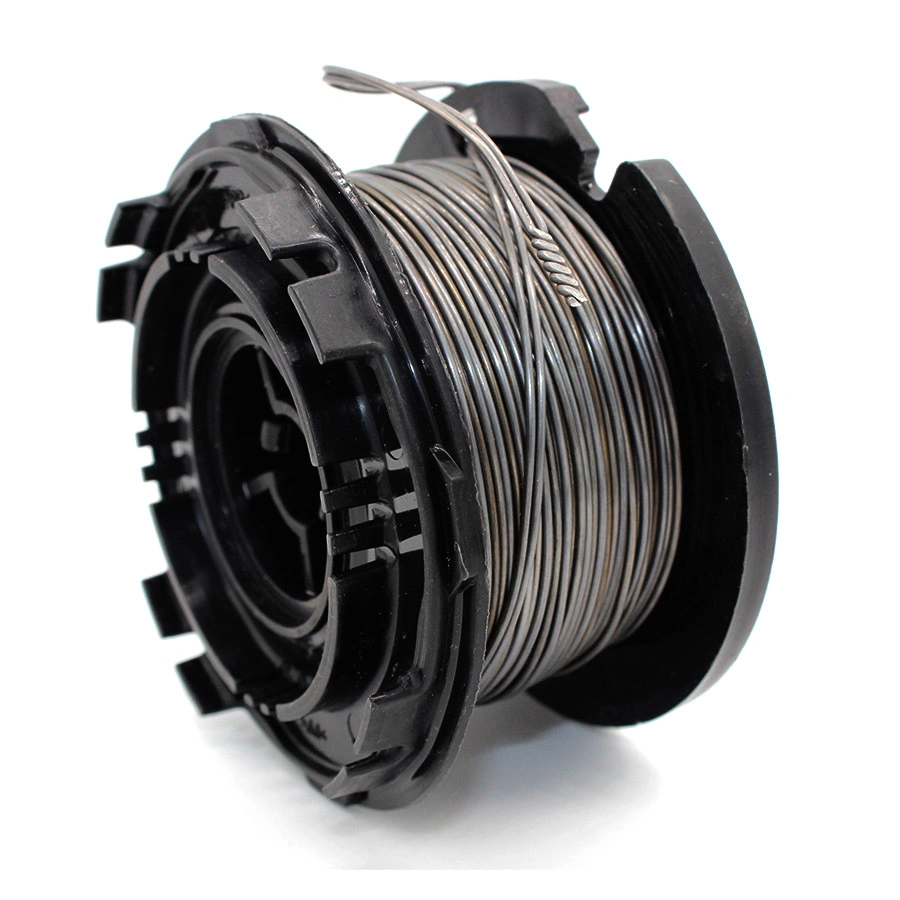
Black Annealed Tie Wire:
Made from low-carbon steel wire
Soft and pliable for easy tying
Commonly used for tying rebar in concrete reinforcement
Galvanized Tie Wire:
Steel wire coated with a zinc galvanized layer
Provides corrosion resistance
Used for tying rebar, fencing, bundling materials
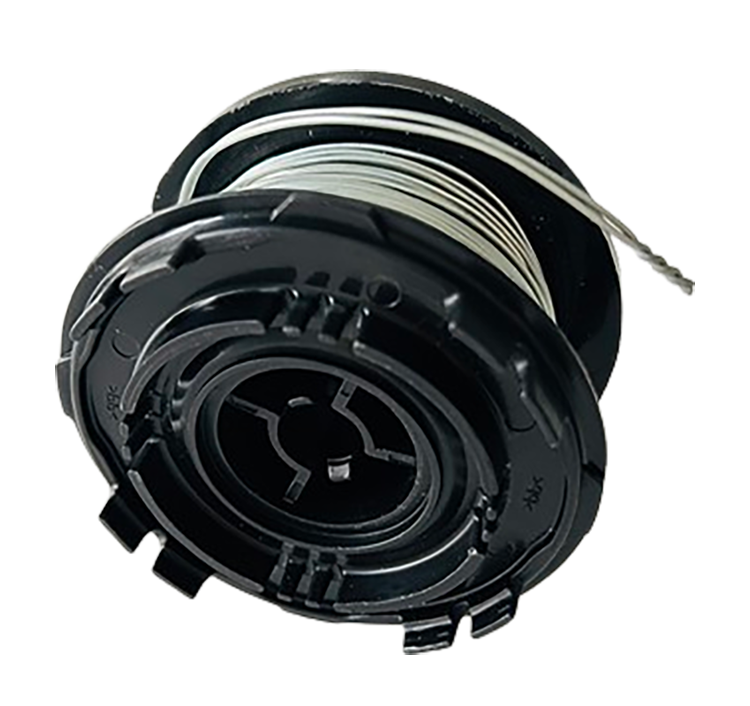
Stainless Steel Tie Wire:
Made from stainless steel like 304 or 316 grade
Highly corrosion resistant
Used in harsh environments like marine, chemical plants
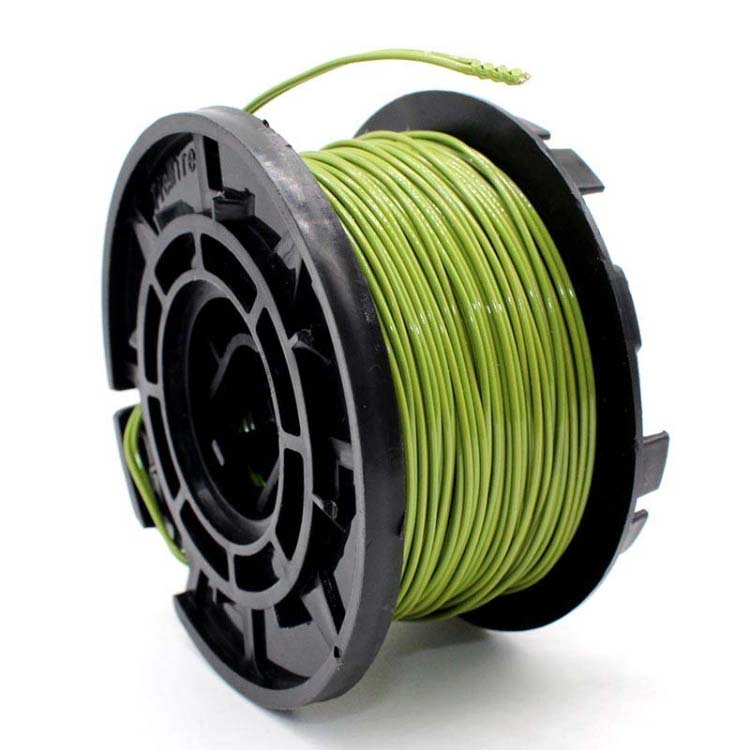
PVC Coated Tie Wire:
Galvanized wire coated with PVC plastic
Offers corrosion protection and color options
Used in agriculture, aquaculture, power transmission lines
Double Loop Tie Wire:
Pre-formed into a double loop/figure-8 shape
Allows quick tying of intersecting rebar pieces
Common for concrete slabs and walls
Single Loop Bale Tie Wire:
Formed into a single loop shape
Used for baling and bundling applications
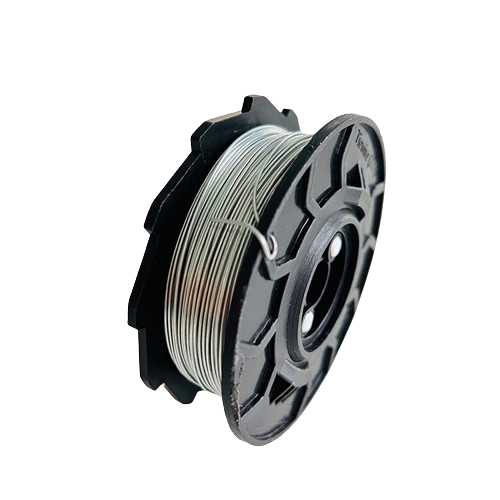
The most common wire types for construction are the black annealed and galvanized tie wires, available in various gauges/diameters, like 16 gauge and 21 gauge. The choice depends on the application, corrosion resistance needs, and project requirements.
How to Choose the Right Tie Wire:
To choose and purchase the correct connection cable for your project location, consider the following factors based on the price, due date, quantity, and contact information provided in the search results:
1. Materials:
Low-carbon annealed steel wire is the most common and recommended material for tying wire because it provides the necessary strength, durability, and flexibility for tying steel bars. Galvanized or PVC-coated tie wire offers additional corrosion resistance, which is beneficial for structures in harsh environments or exposed to moisture. Stainless steel tie wire offers excellent corrosion resistance in extreme conditions such as marine or chemical environments.
2. Specifications/Diameter:
The most commonly used sizes are 16 gauge (1.6 mm diameter) and 21 gauge for tying steel bars in concrete construction. Thicker gauges, such as 16 gauge, provide less cost and more strength for heavy-duty rebar, while thinner gauges, 21 gauge, provide less cost and better flexibility for lashings. Specifications should be selected correctly based on the size and weight of the tied steel bars, with a balance between strength, cost, and workability.
3. Industry Standards:
Make sure the tie wires comply with relevant building standards, such as BS 4449:2005 for long weldable steel bars in the UK. Check that electrical wiring complies with project specifications and local building codes.
4. Tool Compatibility:
Consider the strapping tools you have on hand, such items as pliers, rebar layers, or automatic hand strapping machines. Make sure the strapping wire gauge is compatible with your strapping wire tool for efficient installation time.
By evaluating materials, specifications, coatings, standards, and tool compatibility based on your project requirements, risk, cost, environmental conditions, and available equipment, you can select the most appropriate tool for how to tie rebar for concrete and wire to securely tie rebar in concrete structures.
Application Scope of Rebar Tie Wire
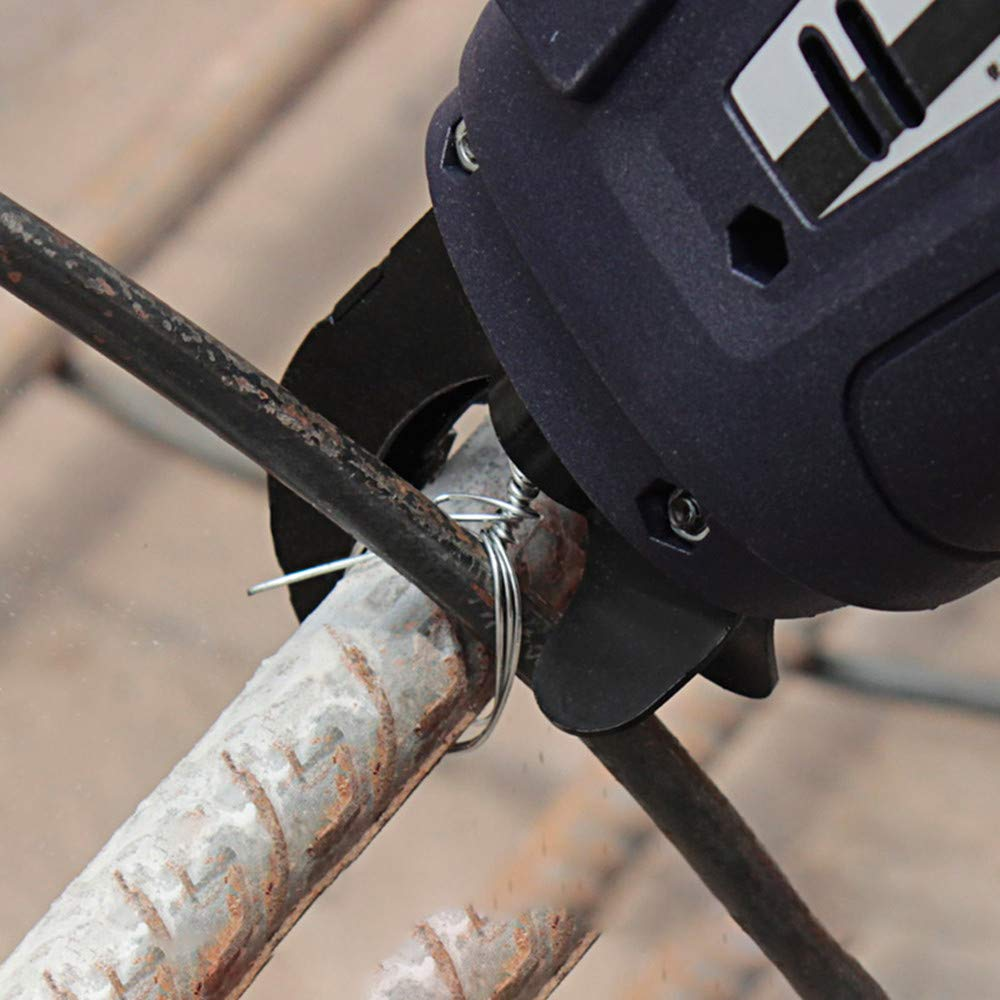
1. Binding and fixing of steel bars in construction projects: Before pouring concrete, tie fix, and place the steel bars at the foundation, walls, columns, beams, slabs, etc. When long, overlapping steel bars form, tie them with cable ties at three points within the long, overlapping length. Binding and fixation of two-way steel mesh.
2. Binding applications in industry, agriculture, communications, and other important fields
Widely used in binding wire, and fixing products in industry, agriculture, communications, petroleum products, packaging, aviation, transportation, ship engineering, and other fields. In the field of electronic and electrical appliances, it is used for wiring management and tightening.
3. Application in railway engineering: When constructing the slag-free track bed cover, tie the steel mesh. Binding and fixing of railway sleeper steel bars.
4. Other general lashing applications: Bundle pipes, cables, and other materials. Plant support tying.
In general, steel tie, as a soft and durable binding tool and material, is a tool widely used in construction, industry, transportation, and many other fields. It is an especially indispensable tool for the binding and fixation of steel bars in concrete construction.
How to Rebar Tie Wire for Concrete Construction
Tying steel bars in concrete construction is a key task and needs to be performed in strict accordance with specifications and technical requirements. Here are the detailed steps and precautions:
Preparation Phase: First, according to the design drawings and construction specifications, calculate and determine the number, length, and spacing of required steel bars mark determine their location, and place them on the construction site. Clean the construction area to check and ensure that no debris affects the placement and binding of steel bars.
Rebar placement: According to the requirements of the drawing, place the steel bars at the predetermined position. For different parts such as walls as columns, walls, beams walls, slabs, etc., the order and method of placing steel bars may be different. For the long bottom plate steel bars, the position line of the steel bars should be popped up on the cushion first, cut, and then tied in place.
Tying Method: Commonly used tying methods include one-sided buckles, cross buckles, reverse cross buckles, pocket buckles, etc. Selecting the appropriate lashing method should take into account the specific structural location and construction conditions. When tying, ensure that each connection point is strong and reliable, especially at intersections and joints. For wall steel bars, welding can be used to enhance the stability of the connection.
QC: During the binding process, the contact position and connection quality of the contact side of the steel bars should be checked regularly to ensure that they meet the design requirements. Use professional tools such as wire brushes to clean the contact surface of the steel contact bars to remove rust and dust to ensure an even contact and a good bonding effect.
Special Case Handling: When encountering special structures or complex parts, items such as door openings, hidden pillars, walls, etc., corresponding binding or welding measures should be taken according to the specific circumstances and items at hand. Post-cast steel bars should be surface-treated and then filled with high-strength concrete to prevent future spalling.
How to Rebar Tie for Concrete Construction
Preparation work: First, ensure that all steel bars have been cut and pre-processed and meet the project and design requirements. Rebar should be placed at specified locations and spacing to meet the strength and stability needs of the structure.
Adjust the position of the steel bars: Before binding, the steel bars need to be adjusted accurately to ensure that their position is accurate. This important step is crucial to ensure the overall performance of the structure.
Choose the appropriate lashing method: Depending on the type and diameter of the rebar and the specific application, different lashing methods can be selected. For example, for steel bars and products with larger diameters, the ring-buckle tying method can be used; while for general situations products, the simple tying method or the simple U-shaped tying method can be used.
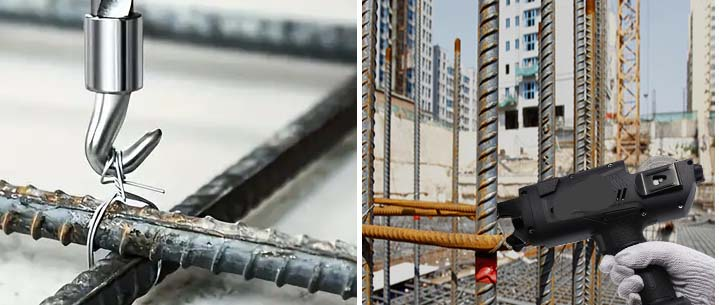
Use a cable tie gun: Use a special cable tie gun to fix the steel bars in place. This can ensure that the cable tie has moderate tension to achieve a strong effect. Ties should be evenly distributed over the length of the steel bars to avoid structural weaknesses caused by uneven tension.
Inspection and testing: After completing the binding, necessary inspections and tests should be carried out on the steel structure to ensure that all connections are firm and not loose or damaged.
Comply with standards and specifications: During the entire tying process, relevant national standards and industry specifications must be strictly adhered to to ensure construction quality and safety
Summary:
In conclusion, rebar tie wire is an indispensable component in concrete construction, serving as the backbone for maintaining the stability and integrity of the steel framework. Throughout this article, we have explored the various types of tie wire, including black annealed, galvanized, stainless steel, PVC coated, double loop, and single loop bale tie wires. Each type offers distinct benefits and is suited for specific conditions and applications.
Rebar tie wire, while a small component in the grand scheme of construction, plays a pivotal role in the quality and safety of concrete structures. By understanding its functions, types of products, and proper usage, professionals in the construction industry can continue to build with confidence, knowing that their concrete structures are supported by a well-tied steel skeleton.