




Introduction
Concrete slabs are designed to provide a strong and durable surface, but cracks can still develop if they are not properly designed, placed, or cured. While some hairline cracks are a normal part of the curing process, other cracks may indicate underlying issues.
This guide explains the common types of concrete slab cracks, their causes, practical prevention methods, reinforcement solutions, and construction best practices to help reduce the risk of cracking and improve long-term performance.

Types of Concrete Slab Cracks
Identifying the type of crack is the first step in determining its cause and whether repair is necessary. Some cracks are mainly cosmetic and have little effect on structural performance, while others may indicate construction or structural issues that require further attention.
Plastic Shrinkage Cracks
Plastic shrinkage cracks develop shortly after concrete is placed, before it has fully hardened. They are caused by rapid moisture loss due to high temperatures, strong winds, or low humidity. Proper curing and surface protection can help minimize this type of cracking.
Drying Shrinkage Cracks
Drying shrinkage cracks occur as hardened concrete gradually loses moisture and contracts. They typically appear weeks or months after placement and are common in large concrete slabs. Proper joint spacing and reinforcement can help control their width.
Settlement Cracks
Settlement cracks form when concrete settles unevenly around reinforcement or over unstable subgrades. Poor soil compaction or movement beneath the slab can increase the likelihood of this type of cracking.
Thermal Cracks
Thermal cracks are caused by temperature changes during curing or service. As concrete expands and contracts with changing temperatures, internal stresses can develop if movement is restrained.
Structural Cracks
Structural cracks are generally wider than shrinkage cracks and may indicate excessive loading, design deficiencies, or inadequate reinforcement. Unlike non-structural cracks, structural cracks should be inspected promptly to determine whether repair or further structural evaluation is required.

Common Causes of Concrete Slab Cracking
A combination of design, material, and construction factors usually causes concrete slab cracking. Understanding these common causes can help reduce the risk of cracking before it becomes a problem.
Poor Subgrade Preparation
The stability of a concrete slab depends on the quality of the subgrade beneath it. If the base is soft, uneven, or not properly compacted, it may settle over time, creating uneven support that can lead to cracking.
Incorrect Water-Cement Ratio
Adding excessive water may improve workability, but it also reduces concrete strength and increases shrinkage during curing. Maintaining the correct water-cement ratio helps improve durability and minimize the risk of cracking.
Rapid Moisture Loss
When concrete loses moisture too quickly-especially in hot, windy, or low-humidity conditions-it may develop plastic shrinkage cracks before gaining sufficient strength. Proper curing helps retain moisture during the critical early curing period.
Temperature Changes
Concrete naturally expands and contracts as temperatures fluctuate. Without properly designed control joints or appropriate curing practices, these movements can create internal stresses that result in cracking.
Insufficient Reinforcement
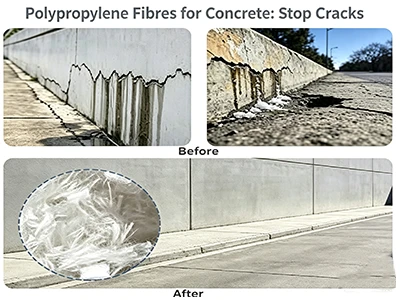
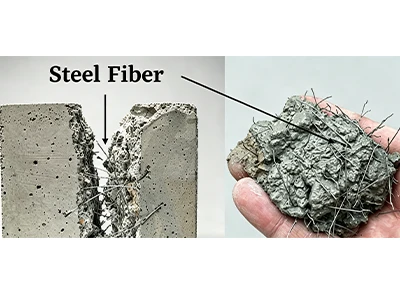
Reinforcement materials such as rebar, welded wire mesh, and fibers help control crack width and distribute stresses throughout the slab. Insufficient reinforcement increases the likelihood of cracks developing and spreading.
Poor Joint Design
Control joints are designed to accommodate concrete shrinkage and direct cracking to planned locations. If joints are omitted, spaced too far apart, or cut too late, cracks are more likely to form randomly across the slab rather than along the intended joint lines.
How to Prevent Concrete Slab Cracking
Preventing concrete slab cracking begins before the concrete is poured. A stable foundation, proper materials, and correct construction practices all help reduce the risk of cracks and improve long-term slab performance.
Prepare a Stable Base
A well-compacted and properly graded subgrade provides uniform support for the concrete slab. Removing loose soil and ensuring adequate drainage helps minimize settlement and uneven movement.
Use the Correct Concrete Mix
Select a concrete mix that meets the project requirements. Maintaining the proper water-cement ratio and avoiding unnecessary water addition on-site can reduce shrinkage and improve long-term strength.
Install Proper Reinforcement
Rebar, welded wire mesh, and fiber reinforcement help distribute stresses throughout the slab and limit crack width. Proper reinforcement placement is just as important as selecting the appropriate reinforcement material.
Place Control Joints Correctly
Control joints allow concrete to shrink in a controlled manner. Proper joint spacing and timely saw cutting help direct cracks to planned locations instead of allowing random cracking across the slab.
Cure Concrete Properly
Begin curing as soon as the concrete surface has been finished. Wet curing, curing compounds, or protective coverings help retain moisture during the early strength development period and reduce shrinkage-related cracking.
Control Temperature During Placement
Whenever possible, avoid placing concrete in extremely hot or freezing conditions. In hot weather, measures such as cooling the materials and reducing surface evaporation can help minimize thermal stress and early-age cracking.
When Should Concrete Cracks Be Repaired?
Not all concrete cracks require immediate repair. Some are a normal part of the curing process, while others may indicate movement or structural concerns. Identifying the type and behavior of the crack is essential for determining the appropriate course of action.
Hairline Cracks
Hairline cracks are common in concrete slabs and are typically caused by drying shrinkage or normal curing. If the cracks remain narrow and do not change over time, they are generally considered acceptable and only require periodic inspection.
Active Cracks
Active cracks continue to widen, lengthen, or change due to settlement, temperature-related movement, or ongoing structural stress. These cracks should be monitored regularly to identify the underlying cause before selecting a suitable repair method.
Wide Structural Cracks
Wide cracks, or cracks accompanied by uneven slab movement, may indicate structural problems, inadequate reinforcement, or excessive loading. These cracks should be evaluated by a qualified engineer or construction professional before any repair work is carried out.
Water Leakage Cracks
Cracks that allow water to penetrate the concrete slab should be repaired as soon as possible. Water infiltration can lead to reinforcement corrosion, freeze-thaw damage, and concrete deterioration, reducing the service life of the structure. Early repair helps prevent further damage and minimizes future maintenance costs.
Conclusion
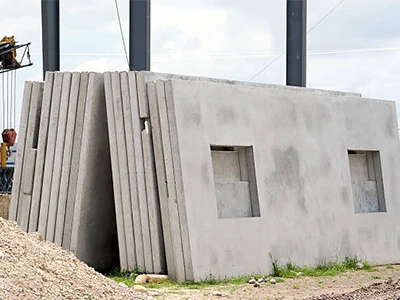
As we all know, there are many factors that cause cracks in precast concrete slabs. Most cracks can be controlled by strengthening management and reasonably designing concrete mix ratios. Some cracks are difficult to control, but by strictly managing each link where cracks are prone to occur and constantly innovating processes and construction methods, we can also effectively prevent or reduce the occurrence of cracks in concrete slabs, so as to better ensure the quality of concrete and improve the production efficiency of enterprises.
FAQ
Q: Are hairline cracks in concrete slabs normal?
A: Yes. Hairline cracks are common and are often caused by normal drying shrinkage or curing. If the cracks remain narrow and do not widen over time, they usually do not affect the structural performance of the slab.
Q: Can fiber reinforcement prevent concrete slab cracks?
A: Fiber reinforcement helps reduce plastic shrinkage and limits crack width, but it cannot completely eliminate cracking. It is often used together with rebar or welded wire mesh for improved crack control.
Q: Does rebar stop concrete from cracking?
A: No. Rebar does not prevent cracks from forming. Instead, it helps control crack width, distributes stresses within the slab, and maintains structural integrity after cracks develop.
Q: How long should concrete be cured to reduce cracking?
A: Concrete should be cured immediately after finishing and maintained for at least 7 days under normal conditions. Proper curing helps retain moisture, improve strength development, and reduce shrinkage-related cracking.
Q: What is the difference between control joints and expansion joints?
A: Control joints are designed to guide shrinkage cracks to predetermined locations, while expansion joints allow the concrete to expand and contract with temperature changes, reducing stress within the slab.
Q: Can cracked concrete slabs be repaired?
A: Yes. The repair method depends on the type, width, and cause of the crack. Hairline cracks may only require monitoring, while structural or water-leaking cracks should be repaired promptly using appropriate repair materials and techniques.