




Precast concrete is known for its durability, but its actual service life is not a fixed number; it depends on the design, production quality, installation level, and service environment. Precast concrete components designed and manufactured under controlled factory conditions can typically achieve a service life of 50–100 years, or even longer.
Compared to cast-in-place concrete, precast components offer greater consistency in curing, reinforcement placement, and dimensional control, making it easier to achieve long-term, predictable durability.

Typical Service Life of Precast Concrete
In real-world engineering projects, precast concrete is widely recognized for its long and predictable service life. Thanks to factory-controlled production and consistent quality, its durability often exceeds that of conventional cast-in-place concrete.
Residential Buildings:
Typically designed for 50–75 years, precast components such as foundation walls, floor slabs, and stair units maintain stable performance with minimal maintenance. Controlled curing and accurate reinforcement placement help reduce early cracking and shrinkage issues.
Commercial And Industrial Buildings:
Service life commonly ranges from 60 to 100 years. In warehouses, factories, and parking structures, precast concrete benefits from higher strength grades, standardized connections, and improved surface density, all of which support long-term structural reliability.
Infrastructure Projects:
For bridges, tunnels, and utility structures, precast concrete is often engineered for 75–100+ years. Compared with on-site concrete, precast elements offer better resistance to freeze–thaw cycles, chemical exposure, and repetitive loading.
Key Factors That Affect the Lifespan of Precast Concrete
Precast concrete is known for its durability and long lifespan. With proper design, manufacturing, and installation, precast concrete components can last for decades or even centuries. In fact, many precast concrete structures built over 50 years ago are still in use today.
The longevity of precast concrete components depends on several factors, including the quality of the materials used, the design and manufacturing process, and the conditions in which the components are installed and used. Precast concrete is resistant to a variety of environmental factors such as fire, moisture, and extreme temperatures, which helps to ensure its durability over time.
Quality Of Materials
The quality of precast concrete depends on the quality of the raw materials used, including aggregates, cement, and water. The use of high-quality materials can help to ensure the durability and longevity of precast concrete components.
Design And Manufacturing Process
The design and manufacturing process used for precast concrete components can also impact their lifespan. Precast components that are designed and manufactured to meet specific load and stress requirements, and that undergo rigorous quality testing and inspection, are more likely to have a longer lifespan.
Conditions Of Installation And Use
The conditions in which precast concrete components are installed and used can also impact their lifespan. For example, exposure to harsh weather conditions, chemicals, or heavy traffic can all contribute to wear and deterioration over time.
Maintenance And Repair
Regular maintenance and repair of precast concrete components can help to extend their lifespan. This includes activities such as cleaning, sealing, and repairing any damage or cracks that may occur over time.
Precast Concrete vs. Cast-in-Place Concrete
Quality Control and Material Consistency
Precast concrete is manufactured in a controlled factory environment, where mix design, curing conditions, vibration, and reinforcement placement are strictly controlled. This results in more uniform density and more stable and predictable performance for precast concrete.
The quality of cast-in-place concrete is highly dependent on on-site conditions, such as weather, construction methods, and curing procedures. These factors introduce uncertainty and affect its long-term durability.
Long-Term Performance and Maintenance
If joints are properly designed and sealed, precast components are less prone to shrinkage cracks and have better moisture resistance.
Cast-in-place concrete requires continuous pouring and careful curing to achieve similar results, and any inconsistencies can increase future maintenance needs.
For projects where durability and repeatability are critical, precast systems typically offer a more reliable long-term solution.

How to Extend the Service Life of Precast Concrete
If you want your precast concrete to last for decades, durability must be ensured before the components even arrive on site. Focus on the following key factors
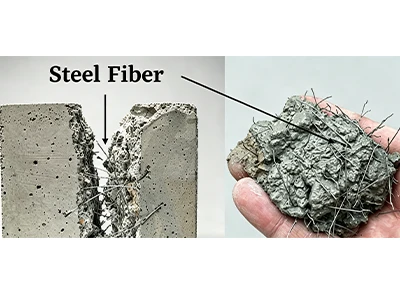
Use appropriate mix design and reinforcement details: Choose a low-permeability concrete mix, control the water-cement ratio, and design sufficient cover to protect the reinforcement. Good reinforcement details can reduce microcracks and slow down corrosion.
Proper handling and installation: Most early failures are due to rough lifting, incorrect sling angles, or poor support points. Use certified lifting anchors and follow the designed lifting plan to avoid hidden damage.
Pay attention to joint treatment: Water usually penetrates through the joints rather than the concrete itself. Specify appropriate grouting materials, sealants, and waterproofing details, especially for basements and exterior wall panels.
Inspect and repair before small problems worsen: Regularly inspect for joint gaps, hairline cracks, and surface spalling. Early sealing and repair are far more economical than large-scale repairs later on.
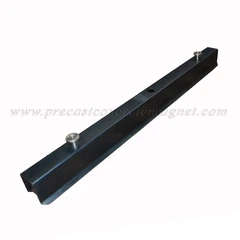
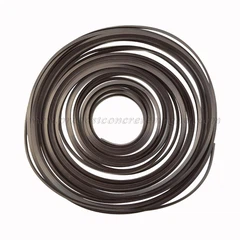
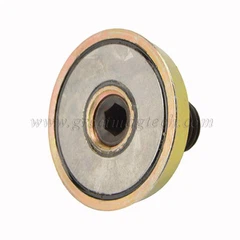
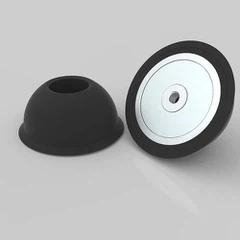
The use of shuttering magnets and magnet formwork systems has revolutionized the precast concrete installation process, making it safer, faster, and more efficient. With shuttering magnets, the need for drilling, welding, or mechanical clamping is eliminated, resulting in a smoother and quicker installation process. Magnet formwork systems offer similar benefits, reducing the need for additional fasteners and simplifying the installation process.
According to reports, more and more construction projects are beginning to use precast concrete to meet the demand for short construction periods, high quality, and sustainability. For example, in the United Kingdom, the government has launched a program to encourage the use of precast concrete in the construction of affordable housing. The program aims to reduce construction time and costs, while also improving the quality and durability of the housing.
Overall, the use of precast concrete in the construction industry is expected to continue to grow in the coming years, as more and more builders and developers recognize its many benefits and advantages.
FAQ
Q: How long can precast concrete last if properly designed and maintained?
A: With proper mix design, correct reinforcement details, and proper installation, precast concrete can reliably last for 50 to 100 years or even longer. Many long-lasting structures owe their excellent performance to early quality control, not later repairs.
Q: Does precast concrete require regular maintenance?
A: Precast concrete is low-maintenance, but not maintenance-free. Regular inspection of joints, seals, and drainage channels helps prevent small problems from developing into costly durability issues.
Q: Are joints truly the weakest link in precast structures?
A: Yes. Most durability failures originate at connections and joints, not in the concrete itself. Proper grouting, sealing, and waterproofing are crucial for long-term performance.
Q: Can improper lifting shorten the service life?
A: Absolutely. Incorrect lifting angles or unsupported bearing points can lead to hidden microcracks that shorten service life, even if the damage is not initially visible.
Q: Is precast concrete more durable than cast-in-place concrete?
A: In many cases, yes. Factory-controlled production allows for more consistent curing, density, and reinforcement placement in precast concrete, which directly contributes to a longer service life.