





Advancements and Opportunities
Precast concrete has long been a popular building material due to its durability, strength, and versatility. However, recent advancements in technology, design, and sustainability are opening up new possibilities for this construction method. From 3D printing to novel applications, here are some of the latest innovations in precast concrete.
Emerging Technologies
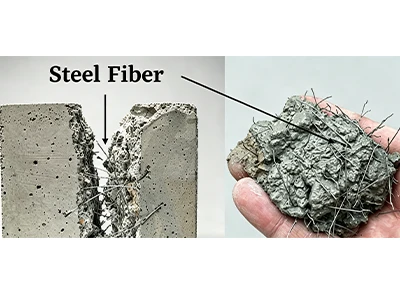
One of the most exciting developments in precast concrete is the use of emerging technologies to improve production efficiency and sustainability. For instance, 3D printing is being used to create intricate precast concrete designs with greater precision and less waste. Robotic manufacturing is also making it possible to automate the production process, reducing labor costs and increasing output. Finally, advanced concrete mix designs are being developed that incorporate recycled materials or improve the thermal performance of precast concrete elements.
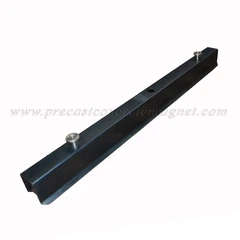
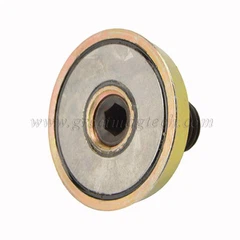
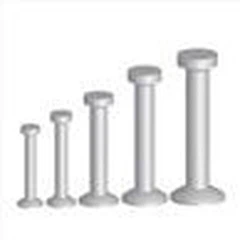
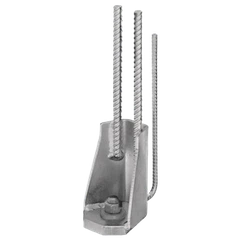
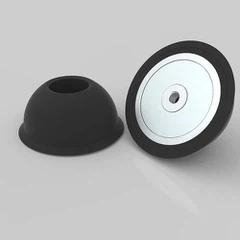
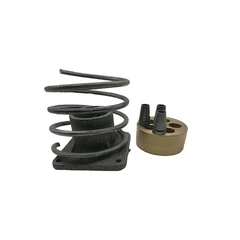
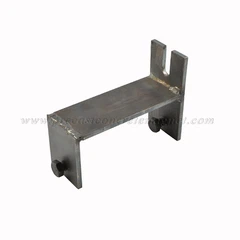
Another innovative technology that is gaining popularity in precast concrete production is the use of precast concrete magnets. These magnets are embedded in precast concrete elements during production and are used to hold the elements together during construction. This method eliminates the need for traditional connecting methods such as welding, bolting, or gluing, saving time and reducing labor costs. Precast concrete magnets are also durable and can be reused, making them a sustainable option for construction.
Novel Applications
In addition to traditional uses such as load-bearing walls and foundations, precast concrete is finding new applications in construction. For example, precast concrete is increasingly being used for prefabricated modular units, which can be assembled quickly and efficiently on-site. Decorative facades are another emerging use for precast concrete, allowing architects to create intricate designs with the durability and strength of concrete. Precast concrete is also being used for sound barriers and retaining walls, offering an effective solution for noise reduction and soil stabilization.
Advancements in Design
Advancements in design are making precast concrete more versatile and aesthetically pleasing. Parametric modeling is being used to create complex shapes and forms that were previously impossible to achieve with precast concrete. Smart sensors are also being integrated into precast concrete elements to monitor their performance and detect potential issues before they become problems. Finally, new surface finishes are being developed to enhance the appearance of precast concrete, such as acid-etched or sandblasted finishes.
Green Building Solutions
Precast concrete is also becoming a popular choice for environmentally sustainable construction. For instance, precast concrete can be used to create more energy-efficient buildings by incorporating insulation or using recycled materials. Precast concrete also has a long lifespan, reducing the need for frequent replacements and conserving resources. Finally, precast concrete can be produced in a controlled factory environment, minimizing waste and emissions compared to on-site construction.
Collaborative Approaches
Innovation in precast concrete is often the result of collaboration between architects, engineers, contractors, and precast manufacturers. By working together, these professionals can identify opportunities for precast concrete and develop new techniques and applications. For example, architects can use parametric modeling to create complex designs that can be fabricated using precast concrete, while engineers can optimize the structural performance of precast concrete elements. Finally, contractors and precast manufacturers can collaborate to develop efficient and cost-effective production and installation methods.
Conclusion
Innovation in precast concrete is offering new opportunities for construction professionals to create durable, sustainable, and aesthetically pleasing buildings. From emerging technologies to novel applications, advancements in design, green building solutions, and collaborative approaches, the future of precast concrete looks bright. By embracing innovation and working together, we can continue to push the boundaries of what is possible with precast concrete.