



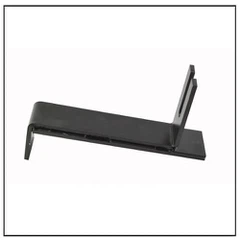


Rebar tying is a key link in ensuring the stability and durability of building structures. In building construction, rebar provides the necessary tensile strength and works with concrete to form a composite structure to resist various loads and environmental influences. Rebar plays a reinforcing role in concrete structures. It can withstand tension, while concrete withstands pressure. This combination enables concrete structures to withstand greater loads, including static loads (such as the weight of the building) and dynamic loads (such as wind loads, seismic forces, etc.). Rebar tying must be carried out correctly per design drawings and construction specifications. The diameter, quantity, spacing, and shape of the steel bars must meet the design requirements. With the development of technology, the rebar-tying process is also constantly improving. For example, the use of automated equipment for rebar tying can improve efficiency and accuracy. Additionally, pliers are commonly used in the rebar-tying process to secure and twist the wire around the rebar, ensuring tight and secure ties. In addition, new tying materials and methods are also improving construction quality and safety.
Does The Rebar Need To Be Tied?
It is best that all the intersections of the bars be pinned so there is maximum stability. It doesn't really give structure strength. It also prevents rebar insertion when concrete is poured in. Before you pour concrete, ensure the rebar is correctly tied to maintain stability. It is important to place the ties at the right depth from the ground to ensure the steel is not rust.
What is Rebar Tying?
Rebar tying is a fundamental yet critical step in reinforced concrete construction. Before concrete is poured, the steel reinforcement bars must be arranged in accordance with structural design drawings, and their intersections must be securely fastened. While the tying itself does not directly provide primary structural strength, it plays a crucial supporting role during the pouring and vibrating of the concrete, ensuring that the rebar cage remains stable and stays in its correct position.
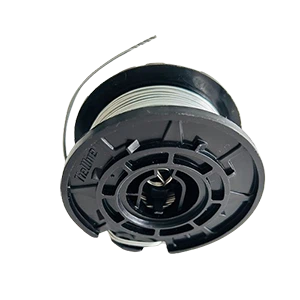
Rebar Tie Wire For Max
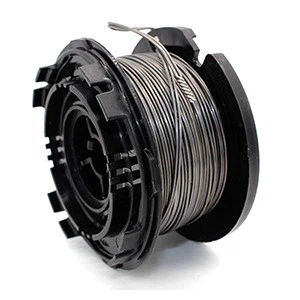
Rebar Tying Wire
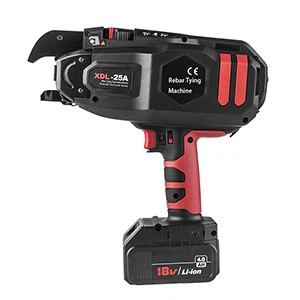
Rebar Tie Machines
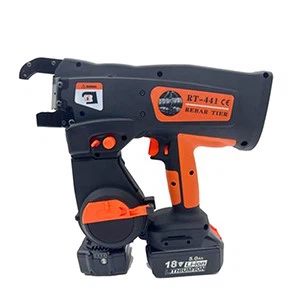
Rebar Tying Tools
The Role of Tying Wire in Rebar Assembly
Tying wire is a practical fastening material used to connect and secure the various components of a rebar cage or assembly during its construction.
It possesses excellent flexibility, facilitating rapid tying operations-whether on the construction site or during the production of precast concrete elements.
It contributes to efficient rebar installation without requiring any modifications to the original rebar design plan.
It assists construction personnel in constructing a neat and stable rebar structure prior to the pouring of concrete.
Selecting the appropriate tying wire can enhance tying efficiency, minimize wire breakage, and help ensure the consistency and reliability of the rebar construction quality.
Importance of Steel Bar Tying and Rebar Tying Tool
Structural stability: Steel bars and concrete work together to form reinforced concrete structures. The binding of steel bars ensures the correct position of the steel bars in the concrete, thereby improving the overall stability of the structure.
Bearing capacity: Steel bar binding ensures that the steel bars can be evenly distributed when subjected to force, avoids local stress concentration, and improves the bearing capacity of the structure.
Earthquake resistance: In earthquake-prone areas, the correctness of steel bar binding directly affects the earthquake resistance of the building. Good steel bar binding can reduce the damage to the structure during an earthquake.
Durability: The quality of the steel bar binding directly affects the thickness of the concrete protective layer. The appropriate thickness of the protective layer can prevent steel bar corrosion and extend the service life of the structure.
Construction quality: Steel bar binding is a key step in the construction process, and its quality directly affects the construction quality of the entire project. Rebar is commonly used in walls, including retaining walls and swimming pool walls.
Construction safety: Steel bar binding can also prevent accidental movement or falling of steel bars during construction, ensuring the safety of construction workers.
Compliance with regulations: In many countries and regions, there are strict specifications and standards for steel bar binding. Compliance with these specifications is not only a legal requirement but also a guarantee of project quality. The skills and knowledge related to masonry are crucial in ensuring proper rebar tying and maintaining construction standards.
Detailed Explanation of the Binding Process
The process of steel bar binding is standardized, but it also needs to be adjusted appropriately according to specific engineering conditions. Check whether the diameter, length, and quantity of the steel bars meet the design specifications. Ensure that the rebar is placed one-half each way to meet the required measurements.
Prepare the tools and materials required for binding, including manual wire, electric binding machine, chalk or marking pen, etc. Use rebar chairs or concrete bricks as positioners to hold the rebar in place during concrete placement.
1. Preparation
Confirm the design drawings and technical requirements.
Ensure that the supplier will review the structural engineer's or architect's plans and produce a shop drawing with details and identifying tags for each type of rebar used in the project.
Check whether the diameter, length, and quantity of the steel bars meet the design specifications.
Prepare the tools and materials required for binding, including manual wire, electric binding machine, chalk or marking pen, etc.
2. Positioning and marking
Use chalk or a marking pen to mark the position and spacing of the steel bars on the template or directly on the steel bars. This includes marking where rods will be placed in the rebar-tying process.
Make sure all marks are visible to facilitate subsequent binding work. Correctly tie rebar to ensure the desired strength of the concrete structure.
Binding skills
*Manual binding: suitable for small-scale or delicate operations. Use manual wire to bind the steel bars together according to the specified spacing and method.
*Electric binding: suitable for large-scale construction, which can greatly improve efficiency. Use an electric binding machine to quickly complete the binding according to the preset procedure.
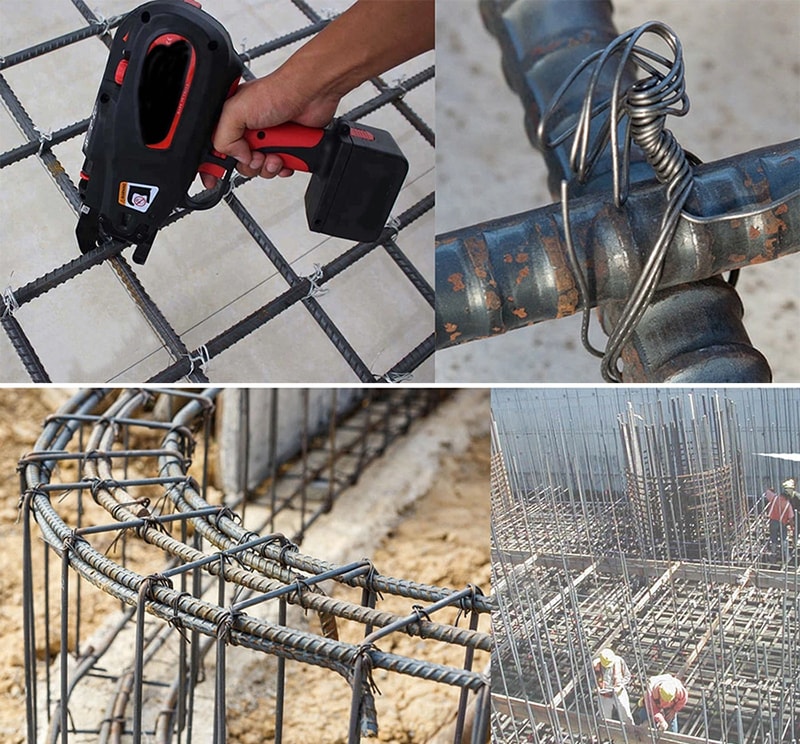
Common Methods of Steel Bar Bundling:
Common methods of bundling on the market can be divided into manual bundling and bundling with fully automatic bundling machines.
Manual Bundling
Including manual wire and wire cutters. Hand tools are low-cost and suitable for small-scale or delicate bundling work, but their efficiency is relatively low.
Common Methods of Manually Tying Steel Bars
Single-strand tying method: This is the most basic tying method, suitable for steel bars with smaller diameters and fewer numbers. Place a single steel bar at the required position and spacing, and then simply tie it with wire or tying tape.
Cross buckle method: This method is suitable for structures such as beams and columns, and forms a strong tying point by cross-winding.
Reverse cross buckle method: Similar to the cross buckle method, the crossing direction is opposite, and it is suitable for different structural parts.
Pocket buckle tying method: This method is suitable for longer steel bars, and is tied by holding the steel bars.
Twist buckle tying method: It is suitable for parts that need to be tightly connected, and a strong tying point is formed by continuous winding.
Electric Rebar Tying Tools
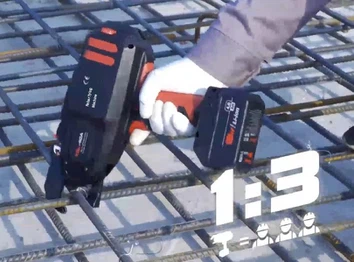
such as electric rebar tying machines, which can greatly improve the bundling speed and efficiency, especially suitable for large-scale construction projects.
Compare Hand Tools and Electric Rebar Tying Tool
| Criterion | Manual Bundling | Automatic Machine Bundling |
|---|---|---|
| Cost | - Requires a large number of workers. The daily wage of each worker is relatively high. For example: 35 workers for 10,500 yuan per day | - Higher initial investment. Significantly reduces labor costs in the long run - For example: Saves 3-4 workers |
| Efficiency | - Slower speed. Prone to errors and oversight | - Fast speed, high efficiency. For example: 50-60 knots per minute |
| Labor Intensity | - Requires physical labor. Workers are prone to fatigue, which affects efficiency | - No physical labor required, reducing worker fatigue |
| Flexibility | - Can adjust bundling methods according to the shape and size of the items. Strong adaptability | - Design may limit bundling of certain specific shapes |
| Stability and Consistency | - Prone to human errors | - Ensures consistency in bundling quality. Reduces human errors |
| Ease of Operation | - Requires certain skills and experience | - Simple to operate. No complex training is required. Easy to get started |
| Maintenance and Care | - No information provided | - Designed to be oil-free, easy to maintain |
| Picture | 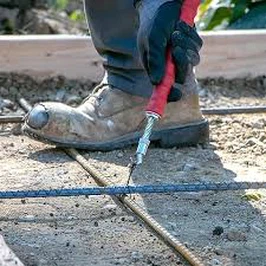 |
 |
Comprehensive Comparison
Efficiency: Machine automatic strapping is significantly better than manual strapping and can greatly improve production efficiency.
Cost: Although the initial investment for automatic strapping machines is higher, in the long run, labor costs can be significantly reduced.
Stability and consistency: Automatic strapping by the machine can ensure the consistency of strapping quality and reduce human errors.
Easy to operate: Modern fully automatic strapping machines are simple to operate and easy to use.
Care and maintenance: Some fully automatic strapping machines are designed to be oil-free and easy to maintain.
Conclusion
Automatic machine strapping has obvious advantages in efficiency, cost, stability, and ease of operation, and is suitable for large-scale production and scenarios requiring high efficiency. Manual bundling performs better in terms of flexibility and adaptability and is suitable for bundling small batches or special-shaped items. The future development direction of strapping technology should be more automated, intelligent, and environmentally friendly.
FAQ
Q: What is the best way to tie rebar?
A: The best tying method depends on the specific application. Common methods include snap tie, saddle tie, and figure-eight tie. The key is to ensure the rebar is securely fixed while maintaining correct spacing and position. For routine construction, snap tie usually strikes a good balance between efficiency and stability.
Q: What type of wire is used to tie rebar?
A: Black annealed binding wire is most commonly used due to its flexibility and ease of twisting. In outdoor or corrosive environments, galvanized binding wire is usually chosen to improve corrosion resistance. PVC-coated binding wire can also be used in special environments.
Q: Can rebar be tied by hand?
A: Yes, in large-scale projects, automated tying equipment is significantly more efficient than manual operation. It not only increases tying speed but also ensures consistent quality and reduces the intensity of manual labor.
Q: How tight should the rebar tie wire be?
A: The binding wire should be tight enough to ensure the rebar does not shift, but it should not be overtightened to avoid breakage. Proper tightness ensures stability during concrete pouring while preventing material waste.
Q: What is the difference between black annealed and galvanized tie wire?
A: Black annealed tie wire is softer and easier to handle, making it ideal for general construction use. Galvanized tie wire, on the other hand, has a protective zinc coating that provides better corrosion resistance, making it suitable for outdoor or humid environments.