





Introduction
Although easily overlooked, rebar tying wire plays a crucial role on almost all construction sites. Before concrete is poured, the rebar must be accurately fixed in the positions specified by the design and cannot be allowed to move freely. Tying wire secures the intersections of the rebar, ensuring that the spacing and position of the rebar remain stable during lifting, formwork installation, and vibration.
Rebar tying wire is faster, more flexible, and easier to adjust on-site. From floor slabs and columns to precast components and large infrastructure projects, proper rebar tying helps avoid rework, improves efficiency, and ensures consistent concrete quality.
Reinforced Concrete Slabs and Foundations
In reinforced concrete slabs and foundations, rebar tie wire may look insignificant, but it plays a critical role in ensuring the structure is built exactly according to the drawings. It does not carry structural loads or directly increase strength, yet it determines whether the reinforcement stays firmly in its designed position. Once this goes wrong, even the most careful concrete pouring becomes difficult to correct. Even slight movement of the rebar grid can change bar spacing and concrete cover, increasing the risk of exposed reinforcement or altering the effective depth, which often leads to rework, remedial measures, and on-site quality disputes.
Rebar displacement is rarely just a matter of human error. The impact of concrete placement, dragging of pump hoses, workers walking on the reinforcement, and high-frequency vibration can all cause the rebar mat to slide, lift, or shift locally in a short time. Properly tied intersections act like "locks" for the rebar grid, reducing movement and flotation while allowing chairs and spacers to do their job. This is especially important in thickened slab edges, lap splice zones, areas around openings, pile caps, and mat foundations, where load paths are more complex. In these areas, the quality of rebar tying has a direct influence on the overall stability of the reinforcement cage.

Columns, Beams, and Structural Frames
In columns and beams, rebar tie wire is used to secure vertical and horizontal reinforcement into a stable rebar cage. This temporary fixing method keeps the steel framework rigid during lifting, formwork installation, and concrete pouring. Compared with loose placement or spot welding, proper tying provides controlled flexibility without compromising rebar alignment.
Stirrups play a critical role in shear resistance, but only when their spacing and angles are correct. Tie wire firmly fixes stirrups to the main bars, preventing rotation or sliding during vibration. This ensures that load transfer paths follow the design intent, rather than shifting under the pressure of freshly poured concrete.

Walls and Shear Structures
In reinforced concrete walls, rebar tying wire is used to secure vertical and horizontal reinforcement bars into a stable grid. This grid resists shear forces and safely transfers loads to the structure. If improperly tied, the rebar can shift due to its own weight or during handling, creating weak areas. Compared to loosely placed or spot-welded rebar, tying wire provides both flexibility and secure fixation of the rebar cage.
The correct concrete cover thickness is crucial for durability and corrosion resistance. Rebar tying wire helps align the rebar with the spacers, ensuring the reinforcement is consistently held away from the formwork. This consistency is especially important in shear walls, as uneven cover thickness can affect strength and long-term performance. A securely tied rebar cage makes it easier to achieve neat, repeatable results across large wall areas.
Precast Concrete Elements

In precast factories, rebar cages are assembled using rebar tying wire to ensure consistent rebar spacing and geometry before concrete is poured. Precise tying keeps longitudinal reinforcement, stirrups, and rebar mesh in the correct position during lifting, formwork assembly, and vibration. Compared to loose placement or spot welding, tying wire allows for fine adjustments while maintaining the rigidity of the rebar cage, which is crucial for meeting the design tolerances of wall panels and beams.
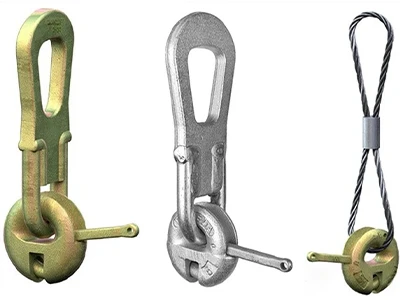
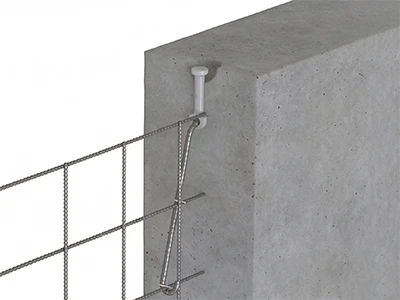
Rebar tying wire is part of the overall system. It secures the rebar to spacers to maintain the concrete cover thickness while ensuring that embedded parts and lifting anchors remain correctly aligned. Proper tying prevents rebar from shifting into the embedded parts area or interfering with the load path of the anchors.
In high-volume precast production, repeatability is more important than speed itself. Consistent tying methods help standardize rebar cage assembly across different shifts and operators.
Bridges, Tunnels, and Infrastructure Projects
Bridges and tunnels rely on tightly arranged rebar cages, often consisting of multiple layers of reinforcement and complex intersections. Rebar tie wire is used to secure these bars in place, preventing movement during rebar placement, formwork installation, and concrete vibration. Where spacing tolerances are strict, consistent tying is essential to maintain pour quality and avoid costly rework.
In infrastructure projects, reinforcement is designed to withstand constant loads, dynamic traffic forces, and long-term fatigue. Tie wire keeps main bars, stirrups, and transverse reinforcement precisely in the positions intended by engineers.
Although tie wire does not carry structural loads itself, it plays a critical supporting role. In bridges, tunnels, and other infrastructure works, reliable rebar tying improves accuracy, safety, and overall construction efficiency.
Conclusion
Steel reinforcing bar tying wire is widely used in various reinforced concrete structures, such as floor slabs, columns, walls, precast components, and large-scale infrastructure projects. Although it is not a structural component itself, it ensures that the reinforcing bars are fixed in their designed positions. Proper tying methods can improve construction efficiency, reduce rework, and guarantee the consistency of concrete quality.
FAQ
Q: What type of rebar tie wire is commonly used in bridges and tunnels?
A: Soft annealed black tie wire is widely used due to its flexibility and ease of tying in dense rebar cages. In corrosive or aggressive environments, galvanized or stainless steel tie wire is often specified.
Q: Does rebar tie wire affect the structural load-bearing capacity?
A: No. Rebar tie wire does not carry structural loads. Its function is to hold the reinforcement in the correct position until the concrete hardens.
Q: Why is secure tying critical in infrastructure projects?
A: Bridges and tunnels involve heavy reinforcement and strict tolerance requirements. Secure tying helps maintain rebar spacing, alignment, and concrete cover, reducing inspection issues and rework.
Q: Can welding replace rebar tie wire on large projects?
A: Welding can be used in certain situations, but it creates heat-affected zones and is often restricted by project specifications. Tie wire allows easier adjustment and faster installation on-site.
Q: Will rebar tie wire rust inside concrete?
A: Once embedded in concrete, minor surface corrosion of the tie wire is generally not a concern, as it does not affect structural performance.
Q: How can rebar movement be minimized during concrete vibration?
A: Use the correct tie wire gauge, apply sufficient tie points, support cages with proper spacers, and avoid excessive vibration during pouring.