





Rebar tying wire plays an important role in building construction. First, it ensures that the steel bars maintain their designed position and shape during the concrete pouring process, preventing them from shifting due to the impact force during vibration. Secondly, by fixing the steel bars, the strength and stability of the concrete structure can be improved, thereby improving the safety and durability of the building. In addition, reasonable tying technology can also prevent the steel bars from rusting and corroding, extending the service life of the concrete structure.
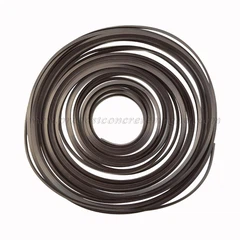
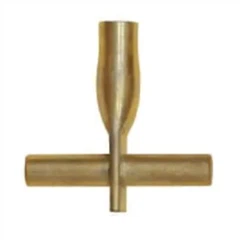
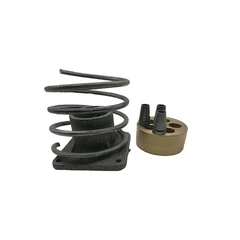
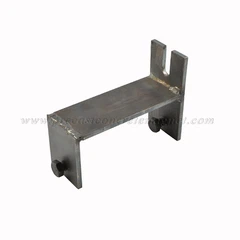
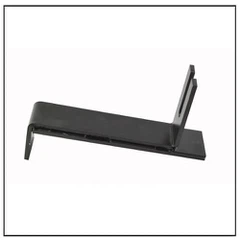
A variety of rebar tie wire products are available, each suited for different construction projects, showcasing their versatility and applications.
In both on-site construction and precast concrete production, rebar tie wire helps ensure that reinforcement cages, meshes, and intersections stay in place under handling, vibration, and concrete pouring.
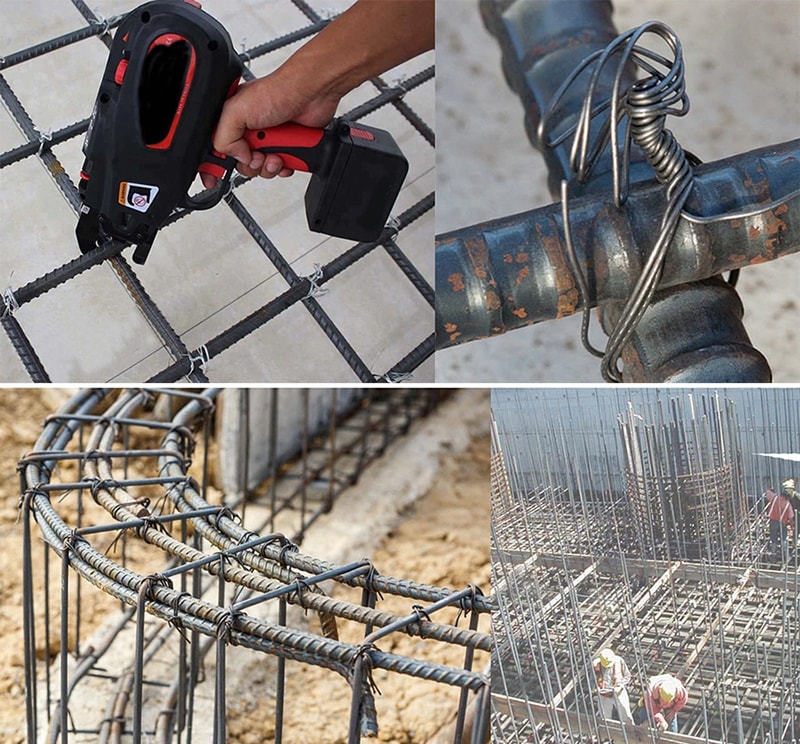
Definition and Types of Rebar Tie Wire
Definition of Rebar Tie Wire
Rebar tie wire refers to the metal wire used to tie the intersection of two steel bars, usually galvanized iron wire or burnt wire. According to different construction requirements and specifications, the specifications and usage methods of tie wires are different. Tie wire can be 20~22# iron wire or burnt wire, and the specific selection should be determined according to the specifications of the steel bars. In addition, there are also cases where soft stainless steel wire with a diameter of 1.2mm is used.
Common binding methods include pocket buckle binding, cross buckle binding, and twisting buckle binding.
These methods wrap the tie wire around the steel bars and tighten it in different ways to ensure that the steel bars are firmly connected.
Currently, there are not only manual binding but also automatic rebar-tying machines on the market. Automatic steel bar wire binding equipment usually includes a wire feeding mechanism, a wire bending mechanism, a shearing mechanism, and a twisting mechanism. These devices can realize continuous wire feeding and bend the end of the tie wire into a shape that is set on the cross-crossed steel bars to ensure the firmness of the binding. In addition, the fully automatic steel bar tying machine also has a built-in microcontroller, which can automatically complete all the steps of steel bar tying, such as the control of wire feeding length and tightening process, to ensure the consistency of tightness of each steel bar tying joint.
This automated rebar-tying tool not only improves work efficiency but also reduces errors caused by human operation, such as skipping and missing tying.
Types of Rebar Tie Wire
Black annealed wire: The most common type, known for its flexibility and ease of use.
Galvanized wire: The zinc coating prevents rust and corrosion, making it ideal for outdoor or wet environments.
PVC-coated wire: Covered with a layer of PVC, providing additional protection against corrosion and damage.
The wire is usually made of mild steel, which provides the necessary strength and flexibility.


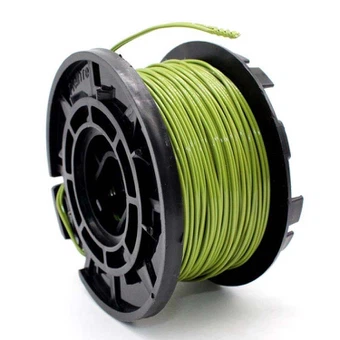
Features Of Rebar Tie Wire
Very flexible and soft. Its flexibility is excellent during drawing, acid-washing, and anneaching. Against Corrosion. Endurable. With galvanized and a PVC coating over it, such hard-analyzable wire is highly resistant to corrosion without easily breaking. Excellent standard and excellent service. It has properties that improve productivity without injury.
Primary Uses of Rebar Tie Wire
The main purpose of This ensures that the rebars maintain the correct alignment and spacing as per the design specifications, which is essential for the structural integrity of the finished concrete structure.
What is Tie Wire Used for?

Rebar ties are primarily used to hold rebar in place before and during the pouring of concrete. Properly securing the rebar is essential to ensure structural integrity and the longevity of the building.
Foundations
In building foundations, rebar ties are used to tie together a mesh of rebar that forms the basis of the entire structure. This mesh provides the necessary tensile strength to the concrete, preventing cracks and structural failure.
Walls
When building concrete walls, rebar ties ensure that vertical and horizontal rebar are securely secured in place.
Beams And Columns
In beams and columns, rebar ties are used to tie rebar cages. These cages need to be securely secured to maintain their shape and position during the pouring of concrete.
Slabs
For concrete slabs, rebar ties secure the mesh of the rebar. This reinforcement is essential to prevent cracking and ensure that the slab can support the loads placed on it.
Bridges
In bridge construction, rebar ties are used to secure rebar to the bridge deck, piers, and abutments. Proper tying ensures that the bridge can withstand dynamic loads and environmental stresses.
Tunnels
In tunnel construction, rebar ties secure rebar in the tunnel lining. This is essential to maintain the structural integrity of the tunnel under various pressures and loads.
Marine and Coastal Structures
For marine and coastal structures such as piers, seawalls, and docks, rebar ties are essential to secure the reinforcement. In these environments, galvanized or PVC-coated rebar ties are often preferred to prevent corrosion from exposure to salt water.
Rebar Tie Wire vs Plastic Ties
| Item | Rebar Tie Wire | Plastic Ties |
| Material | Low-carbon steel (black annealed or galvanized) | Nylon/plastic |
| Strength | High tensile strength, reliable under load | Moderate strength, may snap under stress |
| Heat Resistance | Excellent, unaffected by heat during pouring | Limited, may deform under heat |
| Performance in Concrete | Widely accepted and stable | Less reliable for structural use |
| Corrosion Behavior | May rust (galvanized improves resistance) | No rust, but may degrade over time |
| Flexibility | Easy to twist and adjust | Limited once tightened |
| Installation | Manual or automatic tying tools | Quick manual fastening |
| Reusability | Not reused, but cost-effective | Single-use |
| Typical Applications | Construction & precast concrete | Light-duty or temporary use |
How Strong Is Rebar Tie Wire?
The strength of the steel bar binding wire mainly depends on its material and specifications. The binding wire is usually galvanized iron wire or flame-treated iron wire, and the diameter is generally between 0.3 and 0.45 mm. The tensile strength of these binding wires can reach 350~500N/mm² and have a certain elongation (≥10%)
Conclusion
Rebar tying wire plays a vital role in the construction industry, ensuring that the rebar is securely fixed in place, thereby enhancing the structural integrity of concrete structures. With continued innovation and a focus on sustainability, the future of rebar tying wire looks bright and will continue to be an essential component in building safe and durable structures.
FAQ
Q: How tight should the rebar tie wire be?
A: Tie wire should be tight enough to hold the rebar firmly in place, but not overly tight. Over-tightening can slow down work and may damage the wire or slightly mark the rebar surface. In practice, the goal is consistency-each tie should secure the intersection so it does not move during handling or vibration.
Q: Can rebar tie wire rust inside concrete?
A: In most cases, it does not cause a problem. Once embedded, the concrete cover limits exposure to air and moisture, which slows down corrosion. However, in humid or coastal environments, using galvanized tie wire is often preferred to provide additional protection before the concrete fully cures.
Q: What is the difference between black annealed and galvanized tie wire?
A: Black annealed tie wire is softer and easier to twist, making it suitable for fast tying work, especially in indoor or controlled environments. Galvanized tie wire has a protective zinc coating, which improves corrosion resistance and is better suited for outdoor or high-moisture conditions. The choice depends on the working environment rather than strength alone.
Q: Can a tie wire replace welding?
A: No. Tie wire is used for positioning and holding rebar in place before concrete pouring. It does not provide structural bonding. Welding, on the other hand, creates a fixed connection between steel bars and is used when structural continuity is required.
Q: Is automatic rebar tying worth it?
A: For large-scale projects or repetitive work, automatic tying tools can significantly improve efficiency and reduce labor fatigue. However, they require consistent wire quality and proper setup. For smaller jobs or tight spaces, manual tying is still practical and flexible.
Q: Can Rebar Tying Wire Be Reused?
A: While rebar tying wire is typically designed for one-time use to ensure a secure hold, in some cases, it can be reused if it is kept in good condition. However, for critical structural applications, it is usually recommended to use new wire to ensure maximum strength and safety.
Q: What Are The Common Sizes Of Rebar That Need To Be Tied?
A: The common sizes of rebar that need to be tied range from diameter #3 (3/8 inch) to #18 (2 1/4 inches). The specific size to use depends on the structural requirements and design specifications of the construction project.