




All About Chamfers in Construction
Chamfers are an integral yet often underappreciated aspect of precast concrete construction. These beveled edges, which replace sharp corners, are critical in improving structural integrity, ensuring safety, and enhancing the aesthetic appeal of concrete elements.
Chamfers are implemented during the molding stage of precast production and are achieved through chamfer strips, magnetic chamfer systems, or other innovative tools.
This article will discuss the significance of chamfers, their applications in precast construction, the tools available for creating them, and best practices for optimal results.

Understanding Chamfers in Construction
A chamfer is a beveled edge or groove formed at the intersection of two surfaces, typically replacing a sharp 90-degree corner with a sloped edge. Chamfers are commonly incorporated into precast concrete molds to create components that are safer, stronger, and visually appealing.
Difference Between Chamfers and Fillets
A common point of confusion in construction is distinguishing between chamfers and fillets. While both involve modifying edges, chamfers create a flat, angled surface, whereas fillets produce rounded edges. Chamfers are favored in precast construction due to their clean, modern appearance and functional benefits, such as minimizing stress concentrations and improving durability.
Benefits of Chamfers in Precast Concrete Construction
Chamfers offer a range of advantages, making them essential in precast projects.
Enhanced Durability
Sharp edges are prone to cracking, spalling, or chipping, especially when exposed to mechanical stress, temperature fluctuations, or freeze-thaw cycles. Chamfers mitigate these risks by distributing stress more evenly and eliminating weak points.
For example, precast retaining walls with chamfered edges are less likely to sustain damage from water infiltration or ice formation, ensuring a longer lifespan.
Improved Safety
Sharp corners in concrete can pose a safety hazard, particularly in areas with heavy pedestrian traffic. Chamfers smooth out these edges, reducing the risk of injuries and accidents. This is particularly valuable in applications such as stair treads, curbs, and railings.
Superior Aesthetics
Chamfers contribute to the overall appearance of precast concrete elements by creating clean, precise lines that add a professional touch. These beveled edges reflect light differently, producing interesting shadows that enhance the visual appeal of architectural features like façade panels or decorative columns.
Easier Handling and Installation
Chamfered edges simplify the handling and installation of precast components. The absence of sharp corners reduces the likelihood of damage during transportation, while the beveled edges make it easier to align elements during assembly.
How to Make Precast Concrete Chamfers
Creating chamfers in precast concrete is a straightforward yet precise process that requires attention to detail and the right tools. Chamfers are formed at the casting stage by embedding chamfer strips or similar tools into the molds used for precast concrete production. Here is a step-by-step guide to making precast concrete chamfers:
Prepare the Mold
Before adding chamfer strips, ensure the mold is clean and free of debris. Any residue can affect the adhesion and alignment of the chamfering tools, leading to uneven edges.
Choose the Right Chamfer Strips
Select a chamfer strip material suitable for your project. Options include:
PVC Chamfer Strips: Flexible and lightweight, ideal for general applications.
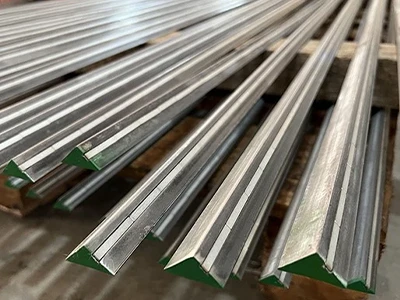
Metal Chamfer Strips: Durable and reusable, recommended for high-stress or heavy-duty precast elements.
Wooden Chamfer Strips: Cost-effective for smaller, decorative projects but less durable.
Secure the Chamfer Strips
Position the chamfer strips along the edges of the mold where you want beveled edges. Ensure they are firmly attached using:
Adhesive tape for temporary applications.
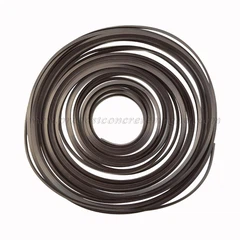
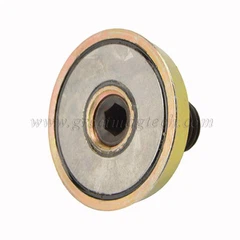
Magnetic chamfer systems for precise, reusable solutions.
Mechanical fasteners for additional security in large-scale projects.
Pour the Concrete
Carefully pour the concrete mix into the mold, ensuring it fills all corners and edges. Use vibratory tools to eliminate air pockets and achieve a smooth finish around the chamfer strips.
Demold and Finish
Once the concrete has cured, demold the precast element carefully to avoid chipping the chamfered edges. Additional surface finishing may be performed to refine the appearance and ensure consistency across all edges.
By following these steps, you can achieve professional-quality chamfered edges that enhance the durability and aesthetics of your precast concrete elements.
Additional Tips for Success in Making Precast Concrete Chamfers
Maintain Mold Condition
Regularly inspect and maintain your molds to avoid inconsistencies. Small imperfections in the mold can compromise the adhesion of chamfer strips, leading to uneven or incomplete edges. Clean the mold thoroughly before each use, removing residue from previous pours.
Ensure Proper Alignment
When positioning chamfer strips, use alignment tools like laser levels or jigs to guarantee precision. Misaligned strips can result in irregular chamfered edges, which affect both the aesthetics and structural performance of the precast element.
Secure with Multiple Techniques
For larger or complex molds, combine different fastening methods, such as adhesive tape with magnetic chamfer systems or mechanical fasteners. This redundancy ensures that the strips remain securely in place during the pouring process, even with heavy or vibratory concrete mixes.
Account for Concrete Consistency
Ensure the concrete mix is uniform and flows evenly around the chamfer strips. A poorly mixed batch can leave voids or inconsistencies along the edges, compromising the appearance and integrity of the chamfers. Vibratory tools can be especially helpful in achieving a smooth, air-pocket-free finish.
By following these steps and tips, you can consistently achieve professional-grade chamfered edges that enhance both the functionality and visual appeal of your precast concrete components.
Tools for Making Chamfers
A variety of tools are available to create chamfers, catering to different project sizes and requirements. The selection of tools depends on the type of precast elements and the level of precision required.
Chamfer Strips
Chamfer strips are the most common tools used for forming chamfers. They are available in different materials to suit diverse applications:
PVC Strips: Cost-effective and versatile for standard precast projects.
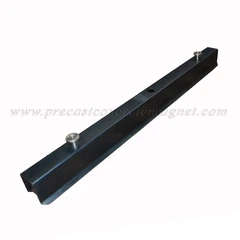
For traditional chamfering methods, we provide PVC, magnetic chamfer, and metal chamfer strips. PVC strips are lightweight, flexible, and cost-effective, while metal strips offer superior durability for heavy-duty applications. Both options deliver reliable results and can be customized to fit specific mold dimensions.

|
Material |
Durability |
Cost-Effectiveness |
Reusability |
Common Applications |
|
PVC |
High |
Moderate |
High |
Beams, panels, barriers |
|
Wood |
Medium |
Low |
Low |
Decorative architectural panels |
|
Metal |
High |
High |
High |
Heavy-duty structural elements |
Metal Strips: Designed for durability and precision in heavy-duty construction.
Wooden Strips: Affordable but less durable, often used for single-use molds.
Chamfering Machines
Automated chamfering machines streamline the process by integrating chamfering tools into mold preparation. They ensure consistency and speed in high-volume production, reducing manual labor and errors.
Cutting Tools
Handheld tools like angle grinders or saws equipped with chamfer blades are used for post-casting modifications or repairs. These are less common in precast manufacturing but valuable for on-site adjustments.
Customized Inserts
For intricate designs or architectural features, customized inserts can be designed to create specific chamfer profiles. These inserts are typically made from durable materials like metal or high-density plastic.
Hybrid Chamfering Solutions
Combining traditional tools with modern systems can yield optimal results. For instance, using adhesive-backed chamfer strips alongside magnetic systems ensures stability in large, complex molds. Customized inserts can also be incorporated for intricate designs.
Investing in the right tools not only enhances the quality of chamfers but also improves efficiency, safety, and environmental impact in precast concrete production.
By using the appropriate tools and materials, precast manufacturers can ensure the creation of high-quality chamfers that meet both functional and aesthetic requirements.
Applications of Chamfers in Precast Construction
Chamfers are versatile and can be applied to a variety of precast concrete components across different industries.
Structural Elements
Beams and Columns
Chamfered beams and columns are stronger and less prone to damage during transportation and installation. The beveled edges also facilitate better stress distribution, making these components ideal for use in high-load or seismic zones.
Slabs and Panels
Precast concrete slabs and panels with chamfers are easier to install and align, ensuring smooth transitions between components. This is especially important in modular construction, where precision is critical.
Retaining Walls

Chamfers in retaining walls allow water to flow more freely, reducing the risk of damage caused by freeze-thaw cycles. The beveled edges also improve the structural integrity of the wall, ensuring long-term performance.
Architectural Features
Chamfers add elegance and refinement to decorative precast elements like cornices, balustrades, and façade panels. The clean, beveled edges enhance the overall design and help these components blend seamlessly into the structure.
Infrastructure Projects
Curbs and Gutters
Chamfered edges in curbs and gutters reduce wear and tear caused by vehicular traffic and harsh weather conditions. The smoother edges also enhance safety for pedestrians and cyclists.
Stair Treads
Chamfers in stair treads reduce the risk of tripping and improve the durability of the component. The beveled edges also create a polished, finished look, making them suitable for both functional and decorative applications.
Exploring the Role of Chamfers in Sustainable Construction
As sustainability becomes a cornerstone of modern construction, chamfers are increasingly recognized for their contribution to eco-friendly practices in precast concrete. Beyond their functional and aesthetic benefits, chamfers can support sustainability goals in multiple ways.
Reduced Material Wastage
Chamfers help reduce the risk of edge damage during transportation, handling, and installation, which minimizes waste. Precast elements with chamfered edges are less likely to require repair or replacement, conserving resources and reducing the environmental impact associated with manufacturing new components.
Moreover, the precise design of chamfer molds allows for better control over concrete usage, ensuring that materials are used efficiently and without excess. This is especially critical in large-scale projects where even minor savings can significantly reduce carbon footprints.
Enhanced Durability and Longevity
One of the key sustainable benefits of chamfers lies in their ability to prolong the lifespan of precast elements. By mitigating stress concentrations and minimizing the risk of cracking or spalling, chamfers reduce the need for maintenance and repairs over time.
For example, infrastructure projects such as retaining walls, curbs, and gutters benefit from chamfered edges that withstand weather-related stresses like freeze-thaw cycles and water infiltration. Durable structures require fewer resources for upkeep, aligning with sustainability objectives.
Optimizing Thermal Performance
Chamfered edges on façade panels and other architectural elements can contribute to better thermal performance. By reducing sharp transitions, these edges allow for more uniform thermal expansion and contraction, which is particularly important in energy-efficient building designs. Consistent thermal behavior reduces stress on the structure and enhances energy conservation efforts.
Sustainable Chamfering Materials
The construction industry's shift toward environmentally friendly materials has influenced chamfering tools and systems as well. Manufacturers now offer biodegradable chamfer strips and magnetic chamfer systems designed to minimize waste and improve reusability. These innovations align with green building certifications such as LEED, making them an attractive choice for eco-conscious developers.
Applications in Green Infrastructure
Chamfers also play a role in green infrastructure projects, including permeable retaining walls and water management systems. Beveled edges facilitate better water flow and distribution, supporting sustainable drainage systems that mitigate flooding and improve groundwater recharge.
By integrating chamfers into sustainable construction strategies, developers and contractors can achieve more resilient, efficient, and environmentally friendly structures. This highlights the versatility of chamfers, not only as a functional design choice but as a tool for advancing sustainability in precast concrete projects.
Innovations in Chamfering Technology
The construction industry continues to innovate, and chamfering technology is no exception.
Automated Chamfering Systems
Advanced machinery now integrates chamfering tools directly into the mold preparation process, increasing efficiency and reducing human error.2. Sustainable Materials
Biodegradable chamfer strips are being developed to align with the industry's focus on sustainability. These materials offer the same performance as traditional options while reducing environmental impact.
Conclusion
Chamfers are an essential feature of precast concrete construction, offering significant benefits in terms of durability, safety, and aesthetics. Whether used in structural components, architectural elements, or infrastructure projects, chamfers enhance the performance and appearance of precast elements.