




Steel, widely regarded for its strength and versatility, is used in nearly every major construction project worldwide. From skyscrapers to bridges, and particularly in the lifting and handling of precast concrete, steel components like lifting anchors play an essential role. However, despite its robust structural properties, steel's susceptibility to corrosion remains one of its biggest drawbacks, especially when exposed to harsh environmental conditions.
This blog post will explore the differences between uncoated steel products, hot-dip galvanizing, and electro-galvanizing, with a special focus on lifting anchors used in the construction and transportation of heavy concrete elements. Understanding how these treatments protect steel from corrosion is critical for ensuring the longevity and safety of the components in the field.
Whether you are a contractor looking for optimal lifting solutions or simply someone interested in learning more about steel corrosion prevention, this post will provide in-depth information, helping you make informed decisions when choosing the right type of lifting anchors.

Uncoated Steel Products: Cost-Effective, Yet Vulnerable
Steel in its basic, uncoated form has numerous industrial applications due to its relatively low cost and excellent strength-to-weight ratio. Uncoated steel is commonly used in environments where short-term projects are carried out, or where the material is not exposed to moisture or corrosive chemicals. However, the limitations of uncoated steel are well known.
The Science Behind Steel Corrosion
When steel comes into contact with oxygen and moisture, a chemical reaction occurs, resulting in the formation of iron oxide, commonly known as rust. This rusting process can severely weaken steel over time, causing it to flake off and degrade. In more severe cases, such as constant exposure to seawater or acidic conditions, uncoated steel can corrode rapidly, compromising the integrity of structures.
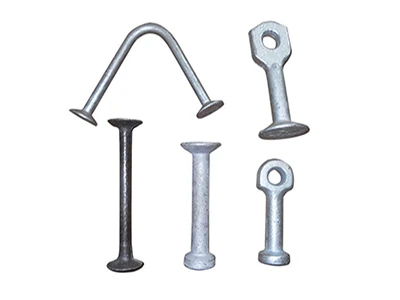
This vulnerability makes uncoated steel unsuitable for many applications in construction, particularly when it comes to lifting anchors that bear heavy loads. Lifting anchors are subject to significant stresses and environmental exposure, making it imperative to protect them from corrosion.
Hot-Dip Galvanizing - Superior Corrosion Protection for Harsh Environments
Hot-dip galvanizing (HDG) is one of the most widely used methods to protect steel from corrosion. This process involves immersing steel in a bath of molten zinc, which reacts with the surface to create a metallurgically bonded zinc coating.
The Galvanizing Process in Detail
Surface Preparation:
Proper surface preparation is critical to the success of the galvanizing process. Steel is first cleaned by immersing it in a series of baths to remove dirt, oils, and mill scale (a type of surface oxide). Typically, this preparation involves caustic cleaning, acid pickling, and fluxing.
Molten Zinc Bath:
After cleaning, the steel is dipped into a bath of molten zinc at a temperature of approximately 450°C (842°F). The zinc reacts with the steel to form a series of zinc-iron alloy layers, which provide robust corrosion resistance.
Layer Formation:
The layers formed in the galvanizing process are as follows:
Gamma Layer: The first layer closest to the steel is composed of 75% zinc and 25% iron. This layer is the hardest and most abrasion-resistant.
Delta Layer: Above the gamma layer is the delta layer, composed of 90% zinc and 10% iron.
Zeta Layer: The outermost alloy layer is the zeta layer, made of 94% zinc and 6% iron.
Eta Layer: Finally, a top layer of pure zinc (99% zinc) covers the steel surface, providing additional corrosion protection and a shiny, smooth finish.
Why Hot-Dip Galvanizing is Ideal for Lifting Anchors
Hot-dip galvanizing provides long-lasting protection against corrosion, especially in outdoor or marine environments where moisture, salt, and other corrosive elements are present. When it comes to lifting anchors, the following benefits make hot-dip galvanizing an excellent choice:
Durability and Strength:
The zinc-iron alloy layers formed during hot-dip galvanizing are incredibly hard and resistant to mechanical damage. This makes hot-dip galvanized steel highly durable, even in abrasive environments where the steel may come into contact with other surfaces during handling or transportation.
Self-Healing Properties:
One of the most remarkable properties of hot-dip galvanized steel is its ability to self-heal. If the surface of the steel becomes scratched or damaged, the surrounding zinc reacts with the atmosphere to form zinc oxide, which then forms zinc carbonate-a protective layer that seals the exposed steel and prevents further corrosion.
Long Service Life:
Hot-dip galvanized steel can protect for up to 50 years or more in most environments, and even longer in less aggressive environments. This long service life reduces the need for maintenance and replacement, making it a cost-effective solution over time.
Ideal for Harsh Conditions:
In environments like coastal areas or industrial zones where corrosive elements are common, hot-dip galvanized lifting anchors offer superior resistance to rust and degradation compared to uncoated steel.
Electro-Galvanizing - A Lighter and Smoother Alternative
Electro-galvanizing, also known as cold galvanizing, involves applying a thin layer of zinc to the surface of steel through an electrochemical process. Unlike hot-dip galvanizing, where steel is immersed in molten zinc, electro-galvanizing uses a solution of zinc ions and passes an electric current through the solution to deposit the zinc onto the steel.
Electro-Galvanizing Process in Detail
Surface Cleaning:
Similar to hot-dip galvanizing, the steel must first be cleaned to remove any dirt, grease, or surface oxides that may interfere with the adhesion of the zinc.
Electroplating:
The cleaned steel is placed in an electrolytic bath containing zinc ions. An electric current is then applied, causing the zinc ions to bond to the surface of the steel, forming a thin, uniform coating of zinc.
Coating Formation:
The zinc coating formed by electro-galvanizing is much thinner than that produced by hot-dip galvanizing-usually less than 10 microns thick. While this thinner coating provides some corrosion resistance, it is not as durable as the thicker, metallurgically bonded layers produced by hot-dip galvanizing.
Advantages of Electro-Galvanizing
Aesthetics:
Electro-galvanized steel has a bright, smooth, and uniform finish that is visually appealing. This makes it ideal for products that require a clean, polished appearance, such as indoor architectural elements or decorative steel components.
Cost-Effective for Light-Duty Applications:
Electro-galvanizing is generally less expensive than hot-dip galvanizing due to the thinner coating and less intensive process. This makes it suitable for applications where the steel will not be exposed to severe environmental conditions.
Lightweight Protection:
The thin coating of zinc applied during electro-galvanizing adds very little weight to the steel, making electro-galvanized lifting anchors easier to handle and transport in applications where weight is a concern.
Limitations of Electro-Galvanizing for Lifting Anchors
While electro-galvanizing provides adequate corrosion protection for mild environments, it is not suitable for heavy-duty applications or environments with high moisture levels or aggressive chemicals. The thin zinc coating can wear off quickly in harsh conditions, leaving the steel exposed to rust and corrosion.
For lifting anchors used in the construction and transportation of precast concrete, where exposure to outdoor elements and heavy loads is common, electro-galvanized steel may not provide sufficient protection. This is why hot-dip galvanized lifting anchors are often preferred for these applications.
Real-World Applications - Choosing the Right Protection for Lifting Anchors
When selecting lifting anchors for precast concrete elements, it's important to consider the specific environmental conditions and performance requirements of the project.
Outdoor Construction and Marine Applications
In projects where lifting anchors will be exposed to moisture, salt, or industrial pollutants, hot-dip galvanized lifting anchors are the best choice. The thick, durable coating provides long-lasting protection, ensuring that the anchors remain strong and corrosion-free, even in aggressive environments.
For example, in the construction of coastal structures, bridges, or piers, where the anchors may be exposed to seawater and salt spray, hot-dip galvanized anchors are essential to prevent corrosion and ensure the safety of the lifting operations.
Indoor or Light-Duty Applications
In applications where lifting anchors are used in controlled environments, such as indoor factories or warehouses, electro-galvanized steel may provide adequate protection. The smooth finish and lower cost of electro-galvanized anchors make them a good choice for projects where aesthetics and budget are key considerations, and where the risk of corrosion is minimal.
For example, in the manufacturing of small precast concrete elements used indoors, electro-galvanized lifting anchors can provide sufficient corrosion protection while keeping costs down.
Industry Standards and Compliance
Both hot-dip galvanized and electro-galvanized lifting anchors are subject to various industry standards and regulations that ensure their safety and performance in lifting operations.
For example, in Australia, lifting anchors must comply with AS 3850.1:2015 which outlines specific requirements for the manufacture, testing, and use of lifting anchors in construction, ensuring they are safe, reliable, and meet quality expectations. This standard includes provisions for the proper use of both uncoated and coated steel, emphasizing the importance of corrosion protection in the structural integrity of lifting systems.
Similarly, in the United States, ASTM A123/A123M governs the hot-dip galvanizing process, ensuring that the coating thickness and quality meet the required standards for corrosion protection. The ASTM B633 standard applies to electroplating, which includes electro-galvanizing, specifying coating thickness, adhesion, and performance for various applications. These standards provide guidelines for choosing the appropriate corrosion protection method based on environmental exposure and mechanical load requirements.
Manufacturers of lifting anchors are required to follow these standards to ensure the components meet safety and durability expectations, especially in environments prone to corrosion. Compliance with these industry standards ensures that contractors and engineers can rely on the performance and longevity of the products they use, avoiding the costly and dangerous consequences of steel failure due to rust.
Comparing Hot-Dip Galvanizing, Electro-Galvanizing, and Uncoated Steel for Lifting Anchors
When deciding between uncoated steel, hot-dip galvanizing, and electro-galvanizing for lifting anchors, it's essential to weigh the pros and cons of each of your specific project needs. Let's take a closer look at how each option compares across various factors:
1. Corrosion Resistance
Uncoated Steel:
Offers no corrosion protection and will rust quickly in moist or harsh environments. This option is not recommended for outdoor use or any setting where long-term exposure to water or chemicals is expected.
Hot-Dip Galvanizing:
Provides excellent corrosion resistance, especially in marine or industrial environments. The thick zinc coating can last for decades, making it ideal for heavy-duty applications and outdoor use.
Electro-Galvanizing:
Offers a thinner zinc coating compared to hot-dip galvanizing, providing moderate corrosion resistance. Best suited for indoor or less aggressive environments where moisture exposure is limited.
2. Cost
Uncoated Steel:
The least expensive option, but requires regular maintenance and may need early replacement due to corrosion.
Hot-Dip Galvanizing:
More expensive than uncoated steel but provides long-term cost savings due to its extended lifespan and minimal maintenance requirements.
Electro-Galvanizing:
Generally less expensive than hot-dip galvanizing, making it a cost-effective option for light-duty applications, though it may require replacement sooner in harsher environments.
3. Durability and Strength
Uncoated Steel:
Maintains its strength initially, but will degrade quickly as rust forms, leading to potential failure in lifting operations.
Hot-Dip Galvanizing:
Highly durable, with zinc-iron alloy layers providing excellent resistance to wear and abrasion. Ideal for environments where lifting anchors may experience rough handling or impact.
Electro-Galvanizing:
While the coating is thinner and less resistant to abrasion than hot-dip galvanizing, electro-galvanized steel still provides some protection in low-wear environments.
4. Aesthetic Considerations
Uncoated Steel:
May appear visually appealing when new, but will quickly develop a rusted, unattractive appearance.
Hot-Dip Galvanizing:
The shiny finish of freshly galvanized steel can dull over time due to oxidation, but it remains corrosion-resistant.
Electro-Galvanizing:
Produces a bright, smooth finish that is more uniform than hot-dip galvanized steel, making it ideal for applications where appearance is a consideration.
5. Applications
Uncoated Steel:
Suitable for short-term, indoor projects or environments where moisture and chemicals are not a concern.
Hot-Dip Galvanizing:
Ideal for lifting anchors used in outdoor or harsh environments, such as marine construction, bridge building, or transportation of precast concrete elements.
Electro-Galvanizing:
Best suited for light-duty, indoor applications, or environments where minimal exposure to corrosive elements is expected.
Making the Right Choice for Your Project
When choosing the best type of lifting anchor for your project, it's crucial to assess the environmental conditions, load requirements, and long-term maintenance needs. Here are some guiding questions to help in the decision-making process:
What is the environment like?
If the lifting anchors will be exposed to outdoor conditions, including rain, humidity, or chemicals, hot-dip galvanized anchors are likely the best option due to their superior corrosion resistance.
In controlled indoor environments with limited exposure to moisture, electro-galvanized anchors can offer adequate protection at a lower cost.
How long will the project last?
For long-term projects or structures that need to stand the test of time, opting for hot-dip galvanized anchors ensures durability and a long lifespan.
If the project is short-term or the anchors will only be in place for a limited period, uncoated or electro-galvanized steel may be more cost-effective.
What is your budget?
If budget constraints are a major factor, electro-galvanized steel may provide a balance between cost and performance in less harsh environments.
However, if the project involves significant long-term exposure to corrosive conditions, investing in hot-dip galvanized anchors could save money in the long run by avoiding frequent maintenance or replacement.
How much wear and tear will the lifting anchors experience?
Projects involving heavy lifting, frequent handling, or abrasive conditions require the durability of hot-dip galvanized steel, which can withstand wear and impact without losing its protective coating.
For lighter loads or less frequent use, electro-galvanized steel can provide sufficient durability at a lower cost.
Conclusion
Understanding the differences between uncoated steel, hot-dip galvanizing, and electro-galvanizing is crucial when selecting the right materials for lifting anchors in construction. Uncoated steel may be inexpensive but offers no corrosion resistance, making it a poor choice for outdoor or heavy-duty applications. Electro-galvanized steel provides moderate protection in low-wear environments, while hot-dip galvanizing offers the highest level of corrosion resistance and durability, especially in harsh conditions.
By considering the specific environmental factors, load requirements, and long-term needs of your project, you can make an informed decision about which type of steel and coating is best suited for your lifting anchors. In most cases, hot-dip galvanized steel will provide the greatest protection and value, particularly in outdoor construction where exposure to the elements is unavoidable. However, for indoor or light-duty applications, electro-galvanized steel may offer a cost-effective and aesthetically pleasing solution.
No matter what your project demands, ensuring the proper corrosion protection for lifting anchors will ultimately lead to safer, longer-lasting structures and reduced maintenance costs over time.