




Introduction
In the production of precast concrete, even a minor displacement of embedded components can result in rework, material waste, and lost labor hours. For this very reason, the importance of the chosen fixing method often exceeds what many might imagine! If you are currently weighing the pros and cons of "embedded magnets" versus "traditional fixing methods," you have undoubtedly identified the critical issue at hand. This article will delve into a detailed comparison of embedded magnets and traditional fixing methods, analyzing which solution is best suited for specific scenarios, and providing guidance to help you select the most appropriate solution for your own production line.
What Is an Insert Magnet in Precast Concrete Production?

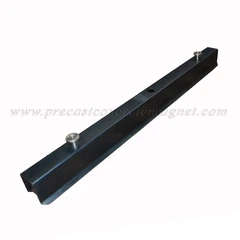
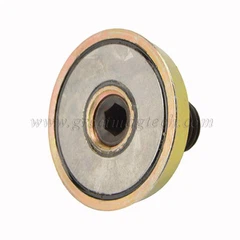
An insert magnet is a magnetic fixing tool used to accurately hold various embedded parts in their designated positions during precast concrete casting. It is typically placed on a steel casting bed, where its strong magnetic force keeps the embedded components stable throughout the concrete pouring and vibration process.
In precast production, insert magnets are commonly used to fix threaded inserts, anchor points, sleeves, pipe hole formers, and electrical box components. Although these embedded parts are often small in size, their positioning accuracy is extremely important. Even a slight movement can lead to misalignment, increased rework, or even affect the overall quality of the finished concrete element.
This magnetic fixing method eliminates the need for drilling, welding, or other temporary fixing methods. As a result, it helps avoid time-consuming operations that may reduce production efficiency or damage the casting surface of the mold.

Ferrule Insert Concrete Magnet

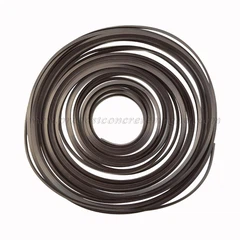
Embedded Magnet

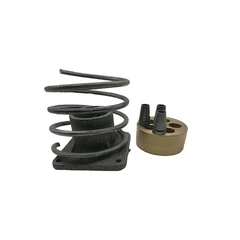
Circular Wire Box Insert Magnet

Rectangle Embedded Magnets

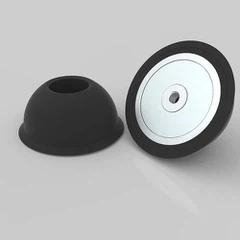
Rubber Box Insert Magnet

Electrical-Box Insert Magnet

Fixing Magnets

Box Insert Magnet
What Is Traditional Fixing for Embedded Parts?
In precast concrete production, most factories have traditionally relied on conventional fixing methods to keep embedded parts in the correct position during casting.
Traditional fixing usually refers to mechanical or manual methods used to secure components such as threaded sleeves, ducts, anchor points, electrical boxes, or other embedded accessories inside the mold before concrete pouring begins.
Common traditional fixing methods include:
driving screws directly into the formwork or support boards
welding metal parts onto steel plates or temporary support frames
using bolts and nuts for rigid fastening
manually tying parts in place with wire
applying adhesive to secure lightweight components
using temporary brackets or custom supports to hold parts in position
In actual production, these methods are intended to prevent embedded parts from shifting when workers pour concrete and when vibration equipment is activated. The basic idea is simple: hold the embedded parts firmly enough to ensure they remain in the correct position until the concrete has set.
However, in highly repetitive mass production environments, traditional fixing often proves less efficient. Installation may take more time, and removal usually requires additional labor. Some fixing methods may even damage the casting bed or the surface of the formwork.
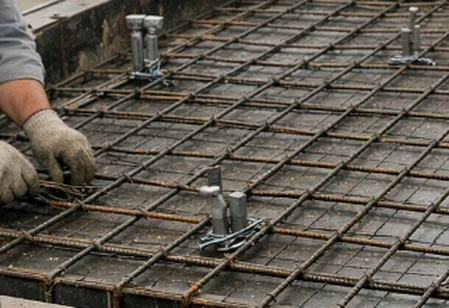
Insert Magnet vs Traditional Fixing: Key Differences
|
Comparison Factor |
Insert Magnet |
Traditional Fixing |
|
Installation Speed |
Fast to position and easy to adjust on steel casting beds, helping reduce mold setup time in daily production. |
Usually slower because it may require screwing, welding, tying, or preparing temporary supports. |
|
Positioning Accuracy |
Provides more consistent positioning, especially in repeated production of the same embedded parts. |
Accuracy often depends more on manual work and operator experience, so consistency may vary. |
|
Performance During Vibration |
Strong magnetic holding force helps keep embedded parts stable during concrete pouring and vibration. |
Some methods may loosen, shift, or require additional checking during vibration. |
|
Ease of Removal After Casting |
Easy to remove and reuse after demolding, which improves workflow efficiency. |
Removal may take more time and often involves extra tools, cleaning, or manual labor. |
|
Reusability and Maintenance |
Designed for repeated use with relatively low maintenance when handled properly. |
Some methods use disposable materials or require repeated replacement, repair, or adjustment. |
|
Risk of Damage to Casting Beds or Formwork |
Lower risk of damage because drilling or welding is often unnecessary. |
Screws, welding, and rigid fastening methods may damage casting beds, formwork, or support surfaces over time. |
|
Labor Intensity |
Reduces manual workload and simplifies setup, especially in batch production. |
Usually more labor-intensive because it involves manual fixing, alignment, removal, and possible surface repair. |
|
Suitability for Standardized and Repeat Production |
Highly suitable for standardized, repetitive, and high-volume precast production. |
Can still be used for low-volume or simple applications, but efficiency often drops in repetitive production. |
Which Method Offers Better Positioning Accuracy?
Insert magnets help improve positioning accuracy because they hold embedded parts firmly in place on the steel casting bed. During concrete pouring and vibration, this strong magnetic fixing method effectively reduces the risk of movement or shifting. This is especially important when large production batches require highly consistent positioning. A stable fixing point helps factories achieve cleaner and more repeatable production results.
Traditional fixing methods can still be used, but they often rely heavily on manual setup and operator experience. Methods such as screws, welding, or temporary fastening may lead to slight positioning differences between molds. In high-volume production environments where both speed and repeatability matter, these variations become much more noticeable.
Which Fixing Method Improves Production Efficiency?
Insert magnets can be quickly positioned on a steel casting bed, adjusted with less time and effort, and removed after demolding without complicated disassembly. This significantly reduces the time spent on repetitive setup tasks. In production environments where the same or similar components are cast every day, this time-saving advantage becomes even more noticeable over the long term.
Traditional fixing methods often involve more manual work. Workers may need to drill, tighten screws, weld, tie, or use temporary support brackets to secure embedded parts in place. These methods usually require longer preparation time and often involve additional cleanup after casting. In a busy factory environment, these extra steps not only slow down the workflow but also increase labor intensity.
When Insert Magnets Are the Better Choice
Repetitive Production Lines
Insert magnets are an ideal choice for factories that produce the same or similar precast elements in large volumes every day. In repetitive production environments, workers need a fixing method that allows for quick positioning, easy removal, and reliable performance in every production cycle.
During the manufacture of wall panels and floor slabs, various embedded parts often need to be fixed precisely in their designated positions before concrete casting begins. Insert magnets help ensure that these components remain stable throughout the pouring and vibration process. This advantage becomes even more valuable when the same layout needs to be repeated across multiple molds or casting beds.
Utility Box Production and Embedded Part Positioning
For electrical boxes, pipe openings, threaded inserts, and other similar embedded components, positioning accuracy is extremely important. Even a small deviation can lead to rework later in the process. For this reason, insert magnets are often the preferred solution. They not only hold the components firmly in place but also help maintain clean, consistent, and precise positioning throughout the concrete casting process.
Factories Using Steel Casting Beds
Factories equipped with steel casting beds benefit especially from insert magnets. Because the magnets can attach directly to the steel surface, there is no need for drilling, welding, or additional fastening steps to achieve quick positioning. This feature not only helps protect the casting bed surface from damage but also significantly improves overall daily production efficiency.
Production Environments Focused on Precision and Automation
Factories that place a high priority on dimensional accuracy and stable product quality often prefer magnetic fixing solutions. In addition, insert magnets are highly compatible with automated or semi-automated precast production plants. In these environments, fast setup, repeatable positioning, and minimal manual adjustment are all essential factors for keeping the production process smooth and efficient.
When Traditional Fixing May Still Be Used
Low-Volume Production
For low-volume production tasks, factories may not need a more specialized magnetic fixing system. If the same embedded part is not used repeatedly, traditional fixing methods such as screws, bolts, or manual fastening can still do the job effectively.
Temporary Setups or Trial Production
During prototype development, sample production, or short-term projects, manufacturers sometimes choose traditional fixing because the required tools and materials are often already available on site, with no need for additional purchases. This helps avoid extra setup costs for tasks that do not require long-term repeated use.
Casting Surfaces That Are Not Suitable for Magnetic Fixing
Insert magnets perform best on clean, flat steel casting beds. If the casting surface is not made of steel or if it is uneven, damaged, or incompatible with magnetic attachment, traditional fixing may be the more practical choice.
Short-Term Budget-Focused Projects
Some projects are evaluated mainly on immediate cost rather than long-term savings. Traditional fixing often appears more economical at the beginning, especially when buyers are focused only on short production cycles.
How to Choose the Right Fixing Method for Your Precast Factory
Consider Your Casting Bed Material
Insert magnets are specifically designed for steel casting beds, where they can provide a strong holding force and fast positioning. If your production setup uses non-magnetic surfaces, traditional fixing methods may still be a necessary option.
Evaluate Your Production Volume and Repetition Frequency
For factories producing the same or similar precast elements every day, insert magnets are often the smarter choice. They help reduce setup time, improve product consistency, and support faster mold changes.
Consider the Type, Shape, and Size of the Embedded Part
Different embedded parts require different fixing solutions. Whether you are working with small threaded inserts, electrical box components, pipe openings, or other special embedded parts, you may need magnets with different sizes or holding force levels.
Labor Cost, Efficiency Goals, and Quality Standards
Traditional fixing methods may seem less expensive at first glance, but they often require more manual work and are more likely to cause positioning errors or rework. In contrast, insert magnets usually offer better repeatability and help reduce production delays.
Think About the Total Production Value Over Time
In the long run, which fixing method creates greater overall production value for your factory? Faster setup, fewer mistakes, and reusable performance often bring much stronger long-term benefits.
Common Applications of Insert Magnets in Precast Concrete
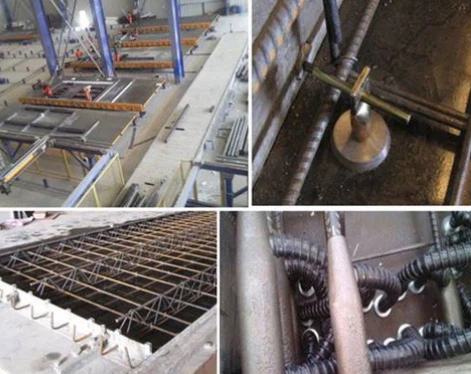
Threaded Inserts
Insert magnets are often used to hold threaded inserts in the correct position before concrete pouring. This helps maintain alignment and reduces the risk of shifting, which is especially important when the finished element requires precise installation points.
Pipe Holes and Reserved Openings
In wall panels, slabs, and other precast elements, insert magnets can securely hold sleeves or hole-forming components in place. Compared with temporary manual fixing, magnetic positioning is usually faster and easier to repeat.
Electrical Utility Boxes
Utility box production is one of the most common applications for insert magnets. They help keep boxes and related embedded components stable during casting and vibration, improving consistency from one unit to another.
Lifting Points
Insert magnets are also used to position lifting anchors or other embedded lifting parts. Accurate placement is critical here, because lifting safety depends heavily on the correct anchor location.
Connection Parts
Many precast elements include embedded connection hardware. Insert magnets help fix these parts neatly and reliably, improving accuracy during later assembly.
Conclusion
When comparing insert magnets and traditional fixing methods, the real question is not simply which method can hold embedded parts in place, but which one can deliver higher accuracy, faster production speed, lower labor input, and more consistent results over time. For many precast concrete factories, insert magnets offer a more efficient and reusable solution, especially in batch production and repetitive manufacturing environments. Although traditional fixing methods may still be suitable in certain situations, modern precast plants often demand greater speed and precision. If you are looking for a smarter way to secure embedded parts in precast concrete production, now is the ideal time to evaluate the advantages of an insert magnet system.
FAQ
Q: What is an insert magnet used for in precast concrete production?
A: An insert magnet is used to hold embedded parts in the required position during concrete casting. It helps securely fix components such as threaded sleeves, ducts, junction boxes, lifting points, and various connection parts onto steel casting beds.
Q: Are insert magnets better than traditional fixing methods?
A: In many repetitive production environments, insert magnets offer clear advantages. They can improve positioning accuracy, shorten setup time, reduce labor input, and avoid damage caused by drilling or welding on the casting bed. However, in applications with simpler structures or lower production volumes, traditional fixing methods may still be suitable.
Q: Can the insert magnets be reused?
A: Yes. One of the main advantages of insert magnets is their reusability. When properly used and maintained, they can be repeatedly applied in daily precast concrete production, helping improve long-term cost efficiency.
Q: Do the insert magnets move during concrete vibration?
A: A well-designed insert magnet can keep embedded parts firmly in place during concrete pouring and vibration. Choosing the correct magnetic force and matching it to the specific application is essential to ensure stable and reliable performance.
Q: What types of embedded parts can be fixed with insert magnets?
A: Insert magnets can be used to fix many kinds of embedded components, including threaded sleeves, anchor sockets, pipe openings, electrical junction boxes, and various connection parts. Different applications may require magnets with different shapes or holding forces.
Q: Can inserting magnets help improve production efficiency?
A: Yes. Insert magnets can simplify setup procedures, speed up positioning, and reduce manual adjustment. This is especially important and valuable for factories producing large volumes of similar precast elements.
Q: When are traditional fixing methods still a practical choice?
A: Traditional fixing methods may still be a practical option for temporary setups, small-batch production, or special cases where the casting bed surface is not suitable for magnetic attachment. The final choice should depend on the specific production process requirements and the desired level of quality control.