





Whether you're a seasoned pro or new to construction work, you've likely seen those thin metal wires holding rebar and structural materials together on site. But what exactly are binding wires, and why are they vital for building integrity and safety?
In this in-depth binding wire guide, we'll provide a complete overview, covering key types and applications as well as proper handling and inspections.
Learn why the binding wire is the unsung hero holding projects together!
An Introduction to Binding Wire Varieties
While a thin piece of metal may seem insignificant, not all binding wires pack the same punch. The characteristics and composition can impact everything from corrosion resistance to sheer strength. Let's explore the most common varieties and their perks.
Galvanized Iron Binding Wire Resists Rust
The galvanized type shines brighter than the rest because of its extended durability. Coating the wire in zinc increases the risk of corrosion and rusting, even when exposed to moisture. Now, that's something we construction folks can appreciate!
Beyond lasting longer outdoors, these wires cover varying tensile strengths across standard wire gauge (SWG) specifications. That durability ensures they handle pressure without snapping.
Annealed Wire Flexes and Bends
Next up, annealed binding wire offers maximum maneuverability on site. The annealing production process alters the microstructure by heating and then slowly cooling the metal to deliver prime pliability. Tying rigid knots and wrapping smooth curves becomes a cinch!
The starting material? Mild steel full of high carbon content. But all those gains in flexibility don't mean losing brute strength in the process. You can tie sturdy connections without fear of the wires crumbling from the stress and strain.
Stainless Steel Resists Corrosion
While stainless steel binding wires are more expensive, they redeem themselves through almost unparalleled environmental resistance. By adding chromium and nickel to the iron, the wire readily fends off corrosion even with prolonged UV, water, and chemical exposure.
Beyond its anti-rust perks, stainless binding wire holds its own across a spectrum of diameters and tensile strengths. That means it can safely cover light-duty wrapping needs and reinforce heavy structures.
Why Binding Wire Matters
By now, it's clear that proper binding wire provides some nice versatility on-site. But make no mistake-selecting, handling, and inspecting binding wire plays a huge role in structural integrity.
Binding Wire Holds Rebar in Place
Let's start with what you came here for-securing those internal rebar skeletons. Without binding wire, shifting and movement could run rampant. As crews pour concrete, that lack of stability allows spacing inconsistencies. Too narrow in one section and too wide in another compromises durability.
By binding rebar intersections tightly, the network stays snugly in place overall. That consistency maintains maximum concrete strength across the entire structure. Those are pretty impressive capabilities for small wires!
Smooth Concrete Pouring
On that note about pouring concrete, binding rebar properly makes a world of difference in the process and result. Imagine trying to pour and level concrete rivers around loose, rattling rebar. No thanks!
When rebar encounters binding wire instead, the networks tying them down endure the pressure, vibration, and jostling during the pour. The reinforcement stays set in place, meaning no bulges, sags, or defects in the structural concrete.
Long-Term Durability and Safety
So far, we focused on initially placing and pouring concrete around the bound rebar skeletons. But binding wire plays the long game too, when it comes to lasting safety.
Remember those overlapping joints and supporting bars bound earlier? Years later, improperly secured connections could present major weak points or work hazards if undone.
That's why proper binding should consider not only initial integrity but also enduring performance and safety through decades of pressure, moisture, and other environmental exposures.
Calculating the Right Binding Wire Quantity
Now comes the fun stuff-figuring out how much binding wire your unique project requires. While no straightforward formula exists, several factors illuminate how many coils or bundles to stock up on.
Key Rebar Specs Play a Role
First, rebar specifications offer major clues for appropriate binding wire quantities:
The rebar diameter - Thicker bars need more binding.
Spacing between bars - More intersections call for increased binding.
Structural component types - Beams, walls, and slabs differ.
Account for Your Wire Details Too
The attributes of the binding wire itself also help determine needs:
Wire gauge/diameter - Thinner wires need more length.
Manual vs mechanical tying-machine efficiency differs.
Environment and end-use.
Typical Building Quantities Range
While each build varies, typical ballparks provide a helpful reference:
0.9 - 1.3 kg binding wire per 100 kg rebar
9 - 13 kg binding wire per ton (1000 kg) of rebar
For example, plan around 12 kg of wire for a 1000 kg rebar order using a standard 8mm bar. Bumping up to 32mm may decrease that to 7 kg pounds due to a larger binding contact area.
No matter the project scope or rebar needs, overestimating binding wire needs poses no harm beyond slightly higher upfront costs. Underestimating risks of major delays for urgent wire deliveries during key construction phases. When in doubt, order more than you think!
Achieving Proper Wire Tension
Simply having ample binding wire available provides only part of the story. Applying appropriate tension and tightening proves equally key in getting connections right.
The Dangers of Under and Overdoing Tension
Get tension too loose, and connections wiggle free over time, presenting structural instability and weak points. Crank it down too forcibly, and you risk warping the rebar or snapping the wire completely. Both extremes spell bad news for builds.
Getting it "just right" prevents these consequences and keeps compression sound across an assembly.
Smart Tensioning Tools and Techniques
Specialty binding wire pliers with tension settings help achieve precision control. But don't forget to consult manufacturer specs for ideal torque values based on wire gauge and composition particulars. Those guides prevent cranking down too hard or leaving too much slack.
Leave Proper Binding Wire Spacing
Creating taut bonds isn't quite the full binding story, either. Properly spacing binding along rebar and within assemblies also makes or breaks durability.
Why Consistent Spacing Matters
Inconsistently spaced binding, loosely here and tightly crammed together there, concentrates stress unevenly across builds. Those irregular pressure points often serve as the weakest structural links. No bueno!
However, maintaining a uniform, consistent spacing distributes loads appropriately. No concentrated weak spots develop.HeightFor text
Close Counts When Placing Wire
While evenly distributed binding is important, so is keeping the wires adequately far from the material's edges. Placed too closely, they create weak points for tearing over time as vibration, pressure, and reinforcement shift stress to those locations. Guiding templates help reference ideal positioning.
By thoughtfully maintaining a safe distance from edges paired with patterns of consistent loops, builders protect structures against compromised integrity.
Prioritizing Binding Wire Safety
Hassling with tension tools, proper spacing, and inspections may tempt you to rush through binding tasks to get back to "more essential" build processes. But hold your horses!
Neglecting safety protocols here poses massive risks for injuries or structural damage later on. Let's discuss best practices.
Suits and Glasses Required!
Before handling the first spool, workers must wear thick gloves and eye protection. Uncoated wires especially present poking and prodding hazards as they bend and twist into position. Staying shielded prevents nasty cuts or vision injuries in the process.
Take Time for Training
Beyond personal protective equipment (PPE), ensuring everyone understands safe handling and prep comes first. Rushing into binding without knowing best practices around cutting, bending, tensioning, tying, and placement can quickly become hazardous. Investing in training prevents accidents and injuries.
Schedule Consistent Inspection and Upkeep
Since installed binding wires are encased and obscured once finishes go up, keeping tabs on their condition takes forethought, too. Builders must schedule periodic checks for loose wires or deteriorating connections as part of regular maintenance schedules. That ensures potentially dangerous faults get addressed proactively, not reactively after an incident arises!
Selecting Your Ideal Wire
Now for fun-picking your project's ideal binding wire type and size. While builders first consider thickness based on rebar specs, don't overlook essential traits like tensile grade, coatings, manufacturer reputation, and testing samples while you shop.
Consider Both Wire Strength and Size
The wire diameter ranges between 0.6-1.2 mm for typical structures. Pick thinner wires for wrapping smaller rebar or thicker ones for heavy lifting. Diameter affects load capacity, too. A wider gauge allows more surface for gripping and tensioning around beefier builds.
Material Grade Matters Too
Beyond diameter, the wire's tensile grade and ductility keep connections sound across long-term vibration, pressure, and deterioration risks. A thin wire won't cut it for lasting performance if the grade is too brittle and weak!
Select Proper Coatings
Additionally, the right coating treatment withstands corrosion and rusting even in harsh weather, buried conditions, moisture, or chemical exposure over decades of installation. Galvanized and stainless steel fight decay, while PVC layering adds water protection.
Assessing Quality Before Buying in Bulk
While sourcing binding wire first involves weighing ideal sizes and mechanical properties, evaluating flexibility, strength, and abrasiveness matters huge in actual job site performance:
Flexibility - Easily ties knots and bends without snapping
Non-Abrasive - Won't scrape and damage nearby structures
High Tensile Strength - Handles pressure without bursting
Test sampling a spool checks boxes across these metrics before fully committing to mass orders. You'll thank yourself later!
Sourcing Reputable Binding Wire Suppliers
Finally, pay attention to where your chosen wire comes from! Reputable manufacturers with decades of construction trade experience engineer the highest-grade wires around.
Seeking ISO certifications and quality guarantees ensures consistently ideal diameter, coatings, flexibility, and shear strength across all shipped spools-not just sample-testing ones.
Complementing Binding Wire with Precast Concrete Accessories
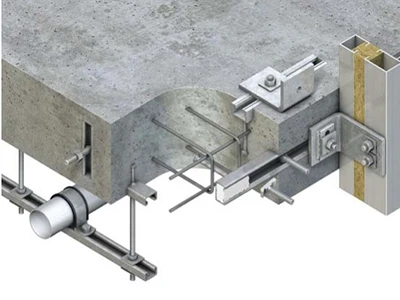
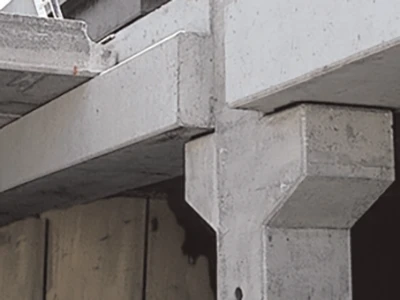
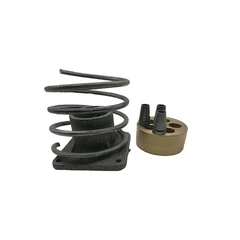
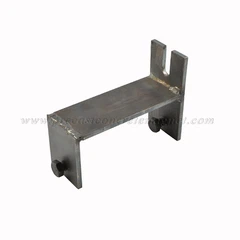
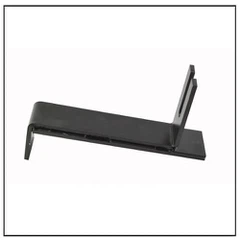
While binding wire is essential to securing rebar skeletons within concrete forms and molds, several other accessories help craft durable finished precast structures.
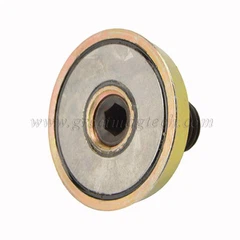
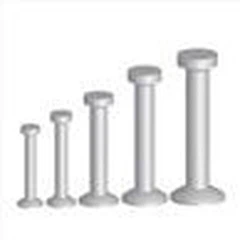
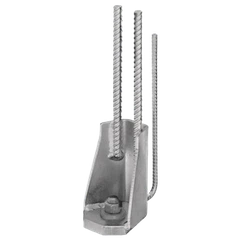
From plastic and metal chair spacing and supporting rebar to specialty magnets and lifting fixtures handling massive assembled components, robust builds start with quality accessories aiding key processes.
Tie Wire For Max USA Rebar Tying Tools
Rebar tie wires are made from ideal carbon steel and stainless steel grades to suit the environment they must endure. Rebar tie wires are drawn and dead-soft annealed to produce the greatest possible flexibility, which provides a tough yet flexible wire that is easy to twist but hard to break-also known as Twin Tie Spools for use with MAX Rebar Binding Tools and Twin Tie Wire.

Rebar Tie Wire For Max Makita Rebar Tying Tool
Tie wire is a versatile wire. It can be made of carbon steel, stainless steel, copper, aluminum and other materials. The high-strength material enables it to bear heavy objects as a hanging wire without damage. We also have different types of wires, such as coiled wire, U-shaped wire and straight cut wire. These make the wire less prone to corrosion even in harsh environments.
Construction Binding Wire Rebar Tying Wire
Construction tie wire is made from selected low-carbon steel wire rods through various processes. These processes include drawing, pickling, high-temperature annealing, hot-dip galvanizing, and cooling. This tie wire offers a variety of specifications from 26 to 6 to meet different construction needs. The most popular specifications on the market are usually between 22 and 18, with diameters ranging from 0.7 mm to 1.2 mm.
Rebar Tie Wire Supplier Steel Tie Wire
Rebar Tie Wire is used on building construction sites to tie individual steel bars into a skeleton or mesh. It is made from ideal grades of carbon steel and stainless steel to suit the environment it must withstand. Tie Wire is drawn and ultra-soft annealed to create the greatest possible ductility, resulting in a tough yet pliable wire that is easy to twist but difficult to break.
Tie Wire Rebar Tie Wire For Rebar Tying Machine
This rebar tie wire is made of high-quality low-carbon steel. The galvanized layer is thick and corrosion-resistant after careful drawing, pickling, high-temperature annealing, hot-dip galvanizing, and cooling. The reusable spool is thickened and reinforced, not easy to crack, and avoids the problem of steel bar winding; the high-strength shaft is not easy to damage and has a longer service life.
FAQ
What gauge binding wire is best?
For heavy-duty structural binding, 8-10 gauge offers high tensile strength. For lighter jobs, 12-16 gauge flexibility allows easier handling and knot formation.
Does annealed or galvanized binding wire last longer?
Due to its zinc coating, galvanized wire resists corrosion longer. However, annealed wire's flexibility handles more bending before fatiguing while still providing decades of lifespan.
What tools properly tension binding wire?
Quality binding wire pliers allow controlled tightening torque without overstressing connections. Follow manufacturer tensioning recommendations.
Where should binding wire spacing benchmarks come from?
Refer to safety codes like ACI 318 for minimum requirements between secured rebar intersections, avoiding dangerous over-compression with consistent spacing.
Can binding wiring be conducted during concrete pours?
Improper procedures risk binding wire disruption when pouring and vibrating uncured concrete. Best practice includes inspection and re-securing throughout the curing process.
Wrapping Up on Binding Wire Essentials
As we wrap up this binding wire deep dive, one truth rings clear-paying attention to proper selection, handling, inspection, and maintenance determines construction safety for years to come.
While thin and overlooked by the untrained eye, don't take binding wire for granted! Follow today's tips and best practices to keep infrastructure securely tied for the long run.