





In today's construction industry, efficiency, quality, and predictability are no longer optional extras. As project timelines become increasingly compressed and labor costs continue to rise, a growing number of contractors and developers are turning to precast concrete structures as a viable solution. Unlike traditional on-site construction methods, precast systems allow structural components to be manufactured in a controlled factory environment and transported directly to the job site, ready for immediate installation. This shift toward off-site production is reshaping the way building and infrastructure projects are delivered. By leveraging precast concrete technology, critical structural components-such as walls, beams, slabs, and columns-can be manufactured in advance while foundation work is still underway.
History of Precast Concrete
Concrete's history goes back thousands of years, but the history of precast concrete is a bit more recent. Precasting concrete in a controlled environment began in the early 20th century. Precast concrete structures offer several advantages over their site-cast counterparts, which we'll discuss in the next section.
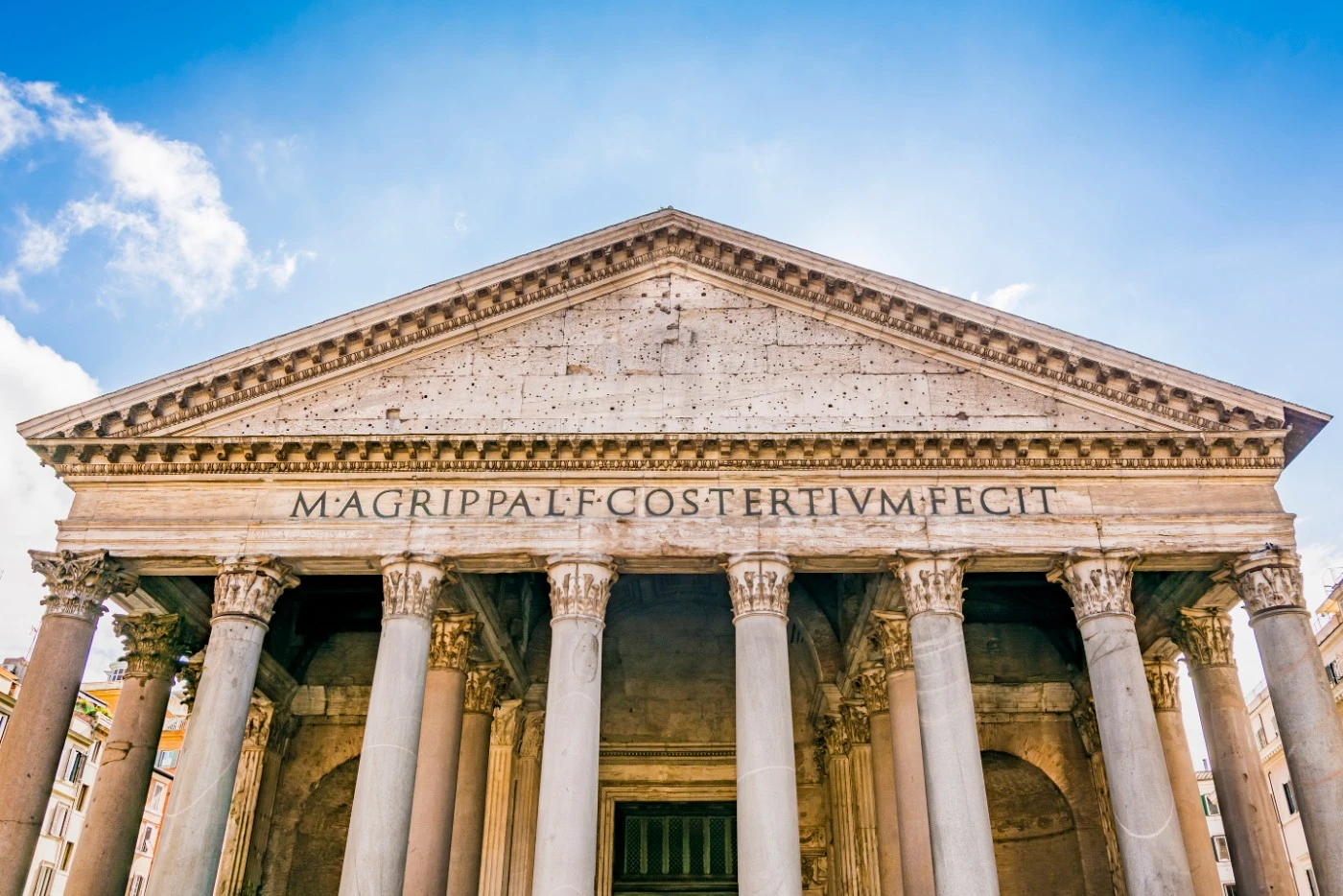
Advantages of Precast Concrete Structures
There are many benefits to using precast concrete in construction, but let's focus on the most impactful ones:
-
Precast concrete allows for improved quality control, as the controlled environment prevents unexpected weather from affecting the curing process.
-
The process is time-efficient, allowing concurrent on-site and off-site working processes.
-
Precast concrete structures are highly durable, with a lifespan often exceeding traditional site-cast concrete.
The Production Process of Precast Concrete
To appreciate the quality and adaptability of precast concrete structures, one must first understand how they are made. The properties of the final product are affected by each stage of this procedure, which comprises of multiple steps.

Raw Materials and Mix Design
The production of precast concrete begins with the careful selection of raw materials. These include cement, aggregates like sand, gravel, crushed stone, water, and admixtures. The precise composition of these ingredients significantly influences the performance characteristics of the finished product.
The process begins with the design of the concrete mix. The mixture's design depends on the final product's application, considering factors like strength, durability, workability, and appearance.
Forming and Molding
After the design stage, the concrete mix is placed into a form or mould. The shapes and sizes of these forms vary significantly based on the final product's design requirements. They are typically made from steel or fibreglass and can be reused numerous times.
Casting the concrete into a form provides the unique advantage of creating complex shapes and designs that would otherwise be difficult and expensive to produce using traditional concrete methods.
Curing
After forming, the concrete undergoes the curing process. Unlike traditional cast-in-place concrete, which cures on the job site, precast concrete is cured in a tightly controlled environment. This controlled curing significantly improves the concrete's strength and durability.
After curing, the concrete component is removed from the mould, inspected, and often finished or treated to enhance its surface appearance. It's then ready for transportation to the construction site.
This concludes with an overview of the production process of precast concrete structures. Next, we'll look at some of their applications in the construction industry.
Applications of Precast Concrete Structures
Precast concrete structures have versatile applications across various construction sectors. Its usage is widespread due to its inherent benefits, from durability and strength to design flexibility and sustainability.
Building Construction
Residential Buildings
One of the primary applications of precast concrete structures is in residential construction. Precast concrete provides a quick, efficient, and durable solution for individual houses to multi-story apartment buildings.
Precast concrete walls, floors, and roof slabs are manufactured off-site and transported for assembly, reducing construction times significantly. In addition to being highly efficient, these structures provide excellent insulation, soundproofing, and fire resistance, enhancing the safety and comfort of residential dwellings.

Commercial Buildings
In commercial construction, precast concrete is often the material of choice for office buildings, hotels, shopping centres, and other structures. It allows architects and builders to achieve high-quality finishes with various textures, colours, and shapes.
The robustness and durability of precast concrete make it ideal for commercial buildings, which often see heavy usage. Creating large, clear-span structures suits commercial spaces requiring open, flexible floor layouts.

Infrastructure
Bridges
Precast concrete is extensively used in bridge construction due to its durability, strength, and speed of installation. Precast bridge components, such as beams, decks, and piers, can be produced concurrently with foundation preparation, reducing project timelines.

Roads
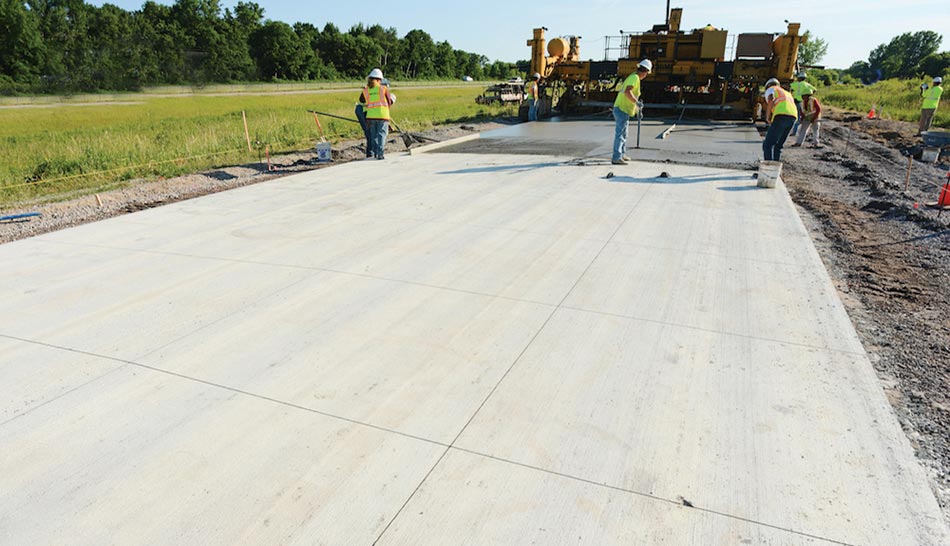
Precast concrete is also utilized in road construction. It provides durable and wear-resistant surfaces for highways and city streets. It is especially beneficial in busy urban areas where minimizing disruption during construction is crucial.
Furthermore, the applications of precast concrete structures are vast and varied, making them an integral part of modern construction techniques. The following sections will explore its maintenance, durability, and innovations.
Maintenance and Durability
Precast concrete structures' impressive durability and low maintenance requirements are significant advantages. Let's delve into these aspects in more detail.
Precast concrete, by its very nature, is incredibly robust. It resists weathering, erosion, and natural disasters better than most other materials. It also resists fire, rot, and rust, making it an ideal construction material for long-term structural integrity.
Maintenance for precast concrete structures is usually straightforward and inexpensive. Regular inspections are necessary to ensure the concrete continues to perform optimally, but precast concrete often requires fewer repairs and less frequent replacement than other building materials. This low-maintenance demand makes precast concrete structures economical over the long term.
Precast concrete's durability also contributes to its sustainability. These buildings support sustainable building practices by lowering the requirement for regular replacement and the accompanying resource consumption because they can endure for decades without significantly degrading.
Precast concrete constructions' long lifespan, low maintenance requirements, and extensive design options have spurred a number of advancements in the industry, which we shall cover in the next section.
Precast vs Cast-in-Place Concrete
| Feature | Precast Concrete | Cast-in-Place Concrete |
| Production Location | Manufactured in a controlled factory environment | Mixed and poured directly on-site |
| Quality Control | High consistency and strict quality standards | Depends on site conditions and workmanship |
| Construction Speed | Faster installation with ready-made components | Slower due to on-site pouring and curing |
| Design Flexibility | Moderate, limited by molds and transport | High flexibility for complex designs |
| Transportation | Requires transport of large components | No need for large component transport |
| Installation | Requires cranes and lifting systems | Formed directly during pouring |
| Cost Structure | Lower overall cost in large projects | May have lower initial cost |
| Durability | High due to controlled curing conditions | Good but depends on site quality |
| Safety | Safer with less on-site work | Higher on-site safety risks |
| Typical Applications | Wall panels, beams, bridges, parking structures | Foundations, complex structures |
Future Trends in Precast Concrete
The world of precast concrete is dynamic and ever-evolving, with technological advancements and changing market demands shaping its future. Here, we delve into critical trends likely to influence the precast concrete industry in the coming years.

Digitalization and Technological Innovations
From the design stage to the construction site, digital technologies are revolutionizing the precast concrete industry. As mentioned earlier, Building Information Modeling (BIM) is already enhancing the design, manufacturing, and installation processes. As these technologies evolve, their usage will become even more prevalent.
Robotics and automation also hold promising potential. Automated processes in the manufacturing stage can increase efficiency, improve quality control, and reduce the potential for human error.
Sustainability
As sustainability continues to be a key concern in construction, the precast concrete industry will continue to adapt and innovate. Efforts to reduce the carbon footprint of concrete production, increase energy efficiency, and maximize waste recycling will intensify. Additionally, there will likely be increased exploration of alternative, eco-friendly materials that can be used in precast concrete manufacturing.
Modular and Off-site Construction
Precast concrete is at the forefront of the growing modular and off-site construction trend. Demand for precast concrete components is expected to increase as the advantages of these techniques, such as shorter building periods, cost savings, enhanced quality control, and less site disruption, become more widely acknowledged.
Furthermore, there are many new developments in the works that make the future of precast concrete constructions look promising. Precast concrete will continue to play a significant role in the construction industry as it innovates.
Delivering Excellence in Precast Concrete: The Great Magnetic Electric Advantage
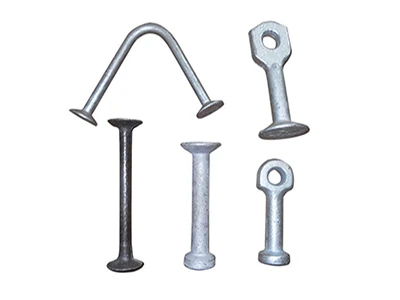
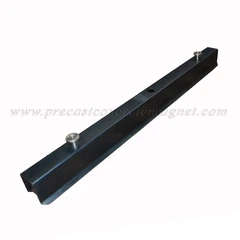
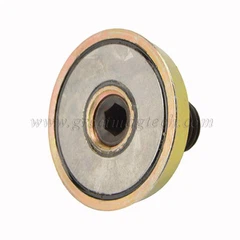
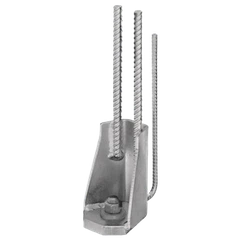
As a premier supplier of shuttering and precast concrete magnets in China, Great Magnetic Electric (GME) brings a wealth of experience to the table. Our collaboration with professional factories ensures efficient handling of your needs from design to the final product. GME's history with neodymium magnets allows us to ensure lasting magnetic field quality. Our strong ties with top precast concrete accessory providers enable us to offer excellent quality, competitive prices, and swift delivery. Adhering to strict 6S systems and the TS16949 standard system, GME implements comprehensive quality control from sample development to order completion. Our precast concrete accessory product range includes Lifting Systems, Fixing Systems, and Connection Systems. Contact us for a quick quote; our support is available online within 12 hours to assist your business.
Wrapping it Up
Precast concrete buildings' unmatched durability, effectiveness, and design freedom have completely changed the construction business. Precast concrete structure has made a name for themselves as a reliable, cost-effective, and environmentally friendly solution for everything from modest infrastructure projects to sizable homes and businesses. As technology advances, it is apparent that precast concrete will play an important part in the construction industry's future.
FAQ
How Do I Select The Right Type of Precast Concrete For My Project?
It's important to take into account a number of aspects when choosing the right type of precast concrete for your project, including the required strength, durability, finish, and design complexity. The price, accessibility, and environmental impact are further considerations. You may select the best type of precast concrete by being aware of your project's aims and individual needs.
How Is Precast Concrete Maintained?
Maintenance of precast concrete is relatively simple. Regular cleaning can help maintain its appearance and prolong its lifespan. Any cracks or damage should be repaired promptly to prevent further deterioration. Maintenance practices may vary depending on the type of precast product and its exposure to environmental conditions.
How Does Precast Concrete Contribute To Energy Efficiency?
Precast concrete contributes to energy efficiency in several ways. Its thermal mass properties help to naturally regulate indoor temperatures, reducing the need for artificial heating and cooling. Also, precast concrete walls and floors can be insulated to a high standard, reducing energy use for heating and cooling.
What Are Examples of Precast Concrete Use?
Examples of precast concrete use include structural elements like beams, columns, floors, and walls in building construction. It's also used in making non-structural elements like stairs, facades, and pavers. Infrastructure applications include bridges, tunnels, road barriers, sewer systems, and more.
How Does Precast Concrete Structure Manufacturing Work?
The manufacturing process of a precast concrete structure involves several steps, starting with designing and creating moulds based on project requirements. After that, the prepared concrete mixture is poured into these moulds. After the concrete has dried, it is taken out of the mould, completed as needed, and then stored until it is time to be delivered to the construction site.
What Are The Benefits of Precast Concrete?
The benefits of precast concrete include consistent quality, speed of construction, reduced on-site labour, less waste generation, and improved safety. Precast concrete can also be manufactured in various shapes, sizes, and finishes, providing design flexibility.
How Do I Choose a Precast Concrete Supplier?
Choosing a precast concrete supplier involves considering factors such as experience, reputation, quality control measures, delivery capabilities, and customer service. Additionally, it can be beneficial to select a supplier that offers custom precast solutions to meet your specific project needs.
What Are The Limitations of Precast Concrete?
While precast concrete offers numerous benefits, it also has some limitations, such as the need for heavy machinery to handle and install the precast elements, the potential for high transportation costs if the manufacturing plant is far from the project site, and the limited ability to make on-site adjustments.
Can Precast Concrete Be Recycled?
Yes, precast concrete can be recycled. Crushed, it can be used as aggregate for fresh concrete or as a base material for roads and foundations. This contributes to the sustainability of precast concrete.