





Are you tired of traditional concrete construction methods slowing your projects and causing unnecessary headaches?
Imagine being able to effortlessly assemble structures with precision and speed while maintaining the highest levels of strength and durability.
In this guide, we’ll delve into everything you need to know about precast concrete magnets, unlocking the secrets behind this magnetic marvel transforming how we build.

1. Introduction
1.1 Definition and Explanation of Precast Concrete Magnets
Precast concrete magnets, also known as magnetic shuttering systems, are innovative and versatile tools that have revolutionized the construction industry. These powerful magnets are designed specifically for precast concrete applications, where they play a crucial role in securing and positioning concrete elements during the casting process.
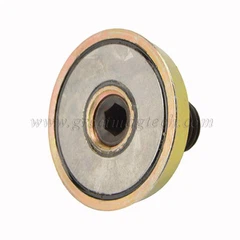
Precast concrete magnets have a strong neodymium magnet encased in a durable steel housing. These magnets are strategically embedded into a formwork system, providing a secure and efficient method for assembling precast concrete components. The magnets create a strong magnetic force that holds the formwork in place, allowing for precise alignment and positioning of concrete elements.
1.2 Importance and Relevance of Precast Concrete Magnets in the Construction Industry
The significance of precast concrete magnets in the construction industry cannot be overstated. They have become an essential tool for contractors, engineers, and architects due to their numerous advantages and contributions to construction projects.
· Time-Savings
Precast concrete magnets offer remarkable time savings. Traditional construction methods often involve complex and time-consuming processes, such as clamps or screws, to secure formwork. In contrast, precast concrete magnets provide a quick and efficient solution. The magnetic force ensures a strong and stable hold, allowing for rapid assembly and disassembly of formwork, ultimately speeding up project timelines.
· Enhance Precision and Accuracy
Precast concrete magnets enhance precision and accuracy in construction. The magnetic force generated by these magnets ensures precise alignment and positioning of formwork, resulting in consistent and uniform concrete elements.
That level of accuracy minimizes errors, reduces rework, and ultimately leads to higher-quality finished structures.
· Versatile
Another crucial benefit of precast concrete magnets is their versatility. They can be used in various applications, including producing precast walls, beams, columns, and other structural components.
Their adaptability allows for flexibility in design and construction, enabling the creation of complex architectural forms and reducing limitations on creativity.
· Enhance Worker Safety
Precast concrete magnets contribute to improved worker safety on construction sites. With the elimination of cumbersome clamps and screws, the risk of accidents and injuries associated with traditional formwork assembly is significantly reduced.
The streamlined process afforded by precast concrete magnets enhances efficiency while prioritizing the well-being of construction personnel.
2. Key Components of Precast Concrete Magnet
2.1 Magnet Body and Housing
The magnet body and housing are integral parts of a precast concrete magnet. They provide the structural support and protection for the magnet system. The housing is typically made of durable steel, ensuring the longevity and robustness of the magnet. It acts as a shield, safeguarding the magnet from external forces and preventing damage during construction.
2.2 Steel Plate or Insert
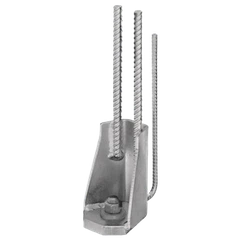
A steel plate or insert is often included in the design of precast concrete magnets. This component serves as the connecting element between the magnet and the formwork. The steel plate or insert is securely embedded in the concrete element, providing a reliable anchor point for the magnet. It facilitates the magnetic connection between the magnet and the formwork, ensuring a strong and stable hold.
2.3 Magnetic System and Strength
The magnetic system of a precast concrete magnet is its defining feature. It typically consists of a high-strength neodymium magnet known for its exceptional magnetic properties. Neodymium magnets generate a strong magnetic force that securely holds formwork in place. The magnet’s strength is crucial in determining its capacity to withstand the weight and pressure of the concrete elements during the casting process.
2.4 Accessories and Additional Features
Some precast concrete magnets may have additional accessories or features to enhance functionality. These can include handles or grips for easier handling and positioning, threaded inserts for easy installation and removal, and protective coatings to prevent corrosion. These accessories and features provide convenience, durability, and versatility in different construction scenarios.
3. Types of Precast Concrete Magnets
3.1. Shuttering Magnets

Shuttering magnets, also called box magnets or casing magnets, are larger magnets with a steel casing or box. These magnets are placed on the surface of the formwork and secured using screws or clamps.
Shuttering magnets are known for their high load-bearing capacity and excellent stability. They provide a strong magnetic force that holds the formwork securely, allowing for the precise positioning and alignment of concrete elements.
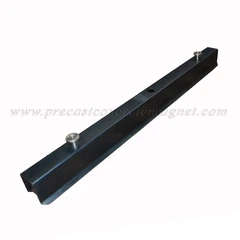
3.2. Magnetic Chamfers

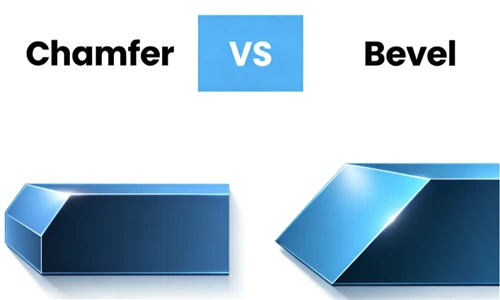
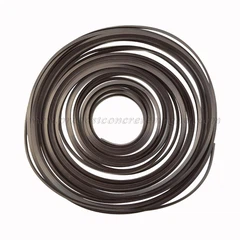
Magnetic chamfers, also called magnetic strips or magnetic chamfer strips, are used to create beveled or chamfered edges on precast concrete elements. These strips have a flexible magnetic material embedded within a rubber or plastic casing.
Magnetic chamfers are easily attachable to formwork and can be quickly adjusted to achieve the desired chamfer size and angle. They are primarily used for aesthetics, adding a decorative touch to the finished concrete elements.
3.3. Magnetic Recess Former

Magnetic recess formers are precast concrete magnets used in the construction industry. During the casting process, they are designed to create recesses or voids in precast concrete elements, such as walls, beams, or slabs.
The purpose of recess formers is to provide a convenient and efficient way to incorporate various fixtures, attachments, or embedments into precast concrete elements. These fixtures can include electrical conduits, plumbing pipes, HVAC ducts, anchor plates, or any other component that needs to be embedded within the concrete structure.
3.4. Magnetic Formwork Systems

Magnetic formwork systems are comprehensive solutions that combine various types of magnets and accessories to provide a complete and efficient formwork assembly. These systems include a combination of shuttering magnets, magnetic side rails, and other magnetic components tailored to specific project requirements.
These systems offer versatility, allowing for easy customization and adjustment to different formwork configurations. They provide a reliable and streamlined solution for multiple precast concrete applications
4. Advantages of Using Precast Concrete Magnets
4.1 Increased Efficiency and Productivity
Utilizing precast concrete magnets significantly enhances construction efficiency and productivity. The magnetic system allows for rapid and precise assembly and disassembly of formwork, reducing the time required for these tasks. The quick and efficient process accelerates construction timelines, enabling projects to be completed more promptly.
4.2 Enhanced Safety During Installation and Dismantling
Safety is paramount in any construction project, and precast concrete magnets contribute to a safer working environment. The magnetic force eliminates manual clamping or screwing, minimizing the risk of accidents or injuries during formwork installation and dismantling. The streamlined process enhances worker safety and reduces the potential for mishaps.
4.3 Flexibility in Formwork Positioning and Adjustments
Precast concrete magnets offer unparalleled flexibility in formwork positioning and adjustments. The magnets can be easily repositioned or readjusted to ensure precise alignment and placement of the formwork. This flexibility allows adjustments to be made quickly and accurately, accommodating design changes or unforeseen on-site conditions.
4.4 Reduction in Labor Costs and Time
Precast concrete magnets significantly reduce labor costs and time by simplifying the formwork assembly process. The magnetic system eliminates the need for extensive manual labor in traditional formwork methods. With faster installation and dismantling, fewer workers are required, resulting in cost savings and improved project efficiency.
5. Applications of Precast Concrete Magnets
5.1 Precast Concrete Panels and Walls
One of the primary applications of precast concrete magnets is in producing precast concrete panels and walls. The magnets securely hold the formwork during casting, ensuring precise alignment and consistent quality. This application is commonly seen in commercial buildings, residential structures, and architectural facades.
5.2 Bridge and Infrastructure Construction
Precast concrete magnets find extensive use in bridge and infrastructure construction projects. They are crucial in producing precast bridge beams, girders, and other structural components. The magnets enable efficient assembly and positioning of formwork, ensuring accurate and durable concrete elements for bridges, tunnels, flyovers, and other infrastructure projects.
5.3 Tilt-Up Construction Projects
Tilt-up construction, also known as tilt-wall construction, benefits greatly from using precast concrete magnets. Large concrete panels are cast horizontally on the ground in tilt-up projects, then lifted and tilted into position. Precast concrete magnets provide the necessary stability and holding power during the lifting and tilting, facilitating seamless construction and ensuring the panels are securely positioned.
5.4 Other Relevant Applications
The applications of precast concrete magnets extend beyond panels, walls, bridges, and tilt-up projects. They also produce precast columns, beams, staircases, and other structural elements. Additionally, precast concrete magnets find application in manufacturing precast concrete slabs, retaining walls, sound barriers, and modular construction systems.
6. Factors to Consider When Selecting Precast Concrete Magnets
6.1 Load-Bearing Capacity
One crucial factor to consider when selecting precast concrete magnets is their load-bearing capacity. It refers to the maximum weight or load that a magnet can withstand without losing its holding power. Choosing magnets that can handle the specific weight and pressure exerted by the concrete elements during casting and curing is essential. Failure to consider load-bearing capacity may result in magnet failure or compromised structural integrity.
Suppose you are working on a project that involves casting large and heavy precast concrete panels. In that case, you need to ensure that the magnets you select have a sufficiently high load-bearing capacity to support the weight of these panels throughout the construction process.
6.2 Magnet Strength and Design
The strength of the precast concrete magnets is another critical consideration. The magnet strength determines the force with which the magnet holds the formwork in place. Stronger magnets can provide a more secure hold and accommodate heavier or larger formwork. Additionally, the magnet design, including the shape and configuration, should align with the specific requirements of the formwork system and the construction project.
When constructing a bridge using precast concrete beams, you need magnets with strong holding power to ensure the beams remain securely in place during the casting and subsequent installation.
6.3 Compatibility with Formwork Systems
Selecting precast concrete magnets that are compatible with the formwork system being used is essential. Different formwork systems may have varying requirements and configurations. Ensuring that the magnets can easily integrate and align with the formwork is crucial, allowing for a seamless and efficient assembly and disassembly process.
If you use a modular formwork system, you must choose precast concrete magnets with compatible attachment points and dimensions to fit the modular system’s design.
6.4 Environmental Conditions and Durability
Consideration should be given to the environmental conditions in which the precast concrete magnets will be used. Factors such as temperature, humidity, and exposure to chemicals or corrosive agents can impact the magnets’ performance and lifespan. It is important to select magnets designed to withstand the specific environmental conditions of the construction site and maintain their strength and durability over time.
If you are working on a project in a coastal area where the magnets may be exposed to saltwater and high humidity, choosing magnets with corrosion-resistant coatings or materials becomes crucial to ensure their longevity and effectiveness.
7. How to Select Magnets for Precast Concrete?
Several factors must be considered when selecting magnets for precast concrete applications to ensure optimal performance and safety. Here are some key factors to keep in mind:
· Load Capacity – Determine the weight and load requirements of the precast concrete element. The magnets must be capable of securely holding the weight of the concrete during casting and lifting.
· Magnet Strength – Consider the magnetic strength required to ensure a firm and reliable attachment. Strong magnets are essential for securely holding the formwork or recess formers in place during the concrete casting process.
· Surface Contact – Evaluate the surface conditions and contact area between the magnet and the precast concrete element. The magnets should have sufficient surface contact to maximize their holding capacity. Smooth and flat surfaces provide better contact compared to rough or irregular surfaces.
· Magnet Coating – Check if the magnets have a protective coating. Coatings like epoxy or rubber can prevent the magnets from corrupting or damaging the precast concrete surface. That is particularly important if the magnets come directly into the concrete.
· Temperature Resistance – Consider the operating temperature range of the magnets. Some precast concrete applications involve elevated temperatures during curing or post-curing processes. Ensure that the selected magnets can withstand these temperatures without any loss in performance.
· Reusability– Determine if the magnets are designed for multiple uses. Reusable magnets are cost-effective and reduce waste. They should be durable enough to withstand multiple casting cycles without significant magnetic strength loss.
· Safety – Ensure the magnets have safety features, such as integrated handles or release mechanisms. These features facilitate safe and easy handling during installation, repositioning, and removing the magnets.
· Manufacturer’s Recommendations – Follow the manufacturer’s guidelines and recommendations regarding magnet selection for precast concrete applications. They often provide specific information about load capacities, operating conditions, and best practices for using their magnets.
7. Conclusion
Precast concrete magnets have significantly transformed the construction industry, enabling faster, safer, and more efficient processes for producing high-quality precast concrete elements. By leveraging the benefits of these magnets and considering the appropriate factors when selecting them, construction professionals can optimize their construction projects and achieve successful outcomes.