





As the times continue to change, precast concrete is increasingly becoming the choice of the precast concrete industry. Precast concrete precast products include precast concrete panels, precast concrete walls, and precast concrete stairs. Precast concrete siding is one of the popular choices for construction projects as they provide a strong and durable foundation. However, lifting the precast concrete wall is also a big project and improper operation will cause losses in all aspects. This article will discuss how to quickly and safely lift precast concrete wall panels.

Preparing for the Lift Precast Concrete Element
1. According gravity to the size and weight of the precast concrete elements, select the appropriate hoisting equipment and hoisting rigging.
2. Check and maintain the hoisting equipment to ensure the safety and reliability of the equipment.
3. Check and test the hoisting rigging to ensure the firmness and reliability of the rigging.
4. Connect the hoisting rigging to the precast concrete elements, and reinforce the connection to ensure that the precast concrete element does not will slip or loosen.
5. Move the hoisting equipment to the hoisting area, and adjust the position of the equipment and rigging to ensure the hoisting the operation went smoothly.

Double check before lifting precast concrete slab
It should never be overlooked the condition of the lifting equipment. The manufacturer often provides directions and photographs showing the way the device looks before lifting and attaching it into place. Ensure you're checking the ticket for your next shopping trip. Unless a vacuum has been damaged or spalling, the manufacturer can advise on correct repair and alternative lifting methods. When using a lifter, it is critical that we ensure that they'll be used safely.
Ensuring Safety Measures
Safety is paramount in lifting points pulling anchors. This is possible through appropriate equipment selection, installation and mounting for specific applications. How a precast form can be removed and placed in a factory and then taken out and re-positioned in a final position is an important consideration. Bob Siver, general manager with Jefferson Concrete Watertown, said larger items such as custom containers or panels require a lifting plan before installation. Wingwalls can be very challenging in their odd shape and therefore proper positioning is essential.
Create an effective plan
Planning how precast goods should be lifted to move between locations is the first factor that needs consideration. Thorough review of all the load that lift anchors experience and refer to the manufacturer will result in an excellent lift. The decision to buy the correct lifting device must be made in two parts: its weight and its design. Weight will be taken into account because the plant has numerous crane options and the structure determines the place where the lifting device is installed. After these plans, the right lifting equipment will be selected. This wall section needed two separate elevator units with different devices for security. NEPAA photograph.
Common Tools for Lifting Precast Concrete Wall Panels
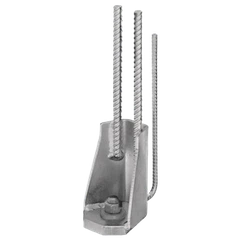
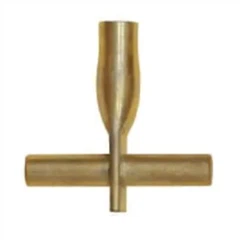
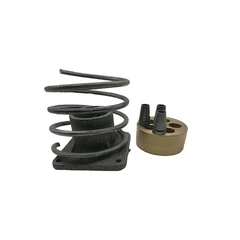
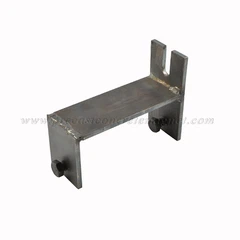
lifting anchors:
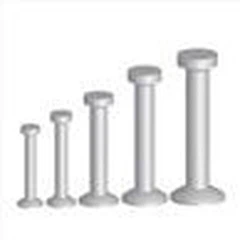
Lifting anchors are used to connect panels for transportation and installation purposes. They come in two distinct forms: cast-in-place and weldable. Cast-in-place concrete lifting anchors provide a secure connection between the panel and crane, while weldable steel ones have removable pin designs that are easier to transport but require welding on site to create a secure connection.

Chain Slings:
Chain slings are essential for securing and lifting precast concrete wall panels. They come in a variety of sizes and strengths to meet the load requirements of any project, with chain links that range from 3/16" to 1-1/2". It's also important to note that all components must be rated for vertical lift applications.
Shackles:
Shackles are used to connect chain slings together and to the lifting anchor. As with any other component, shackles must be rated for the loads and vertical lift applications. Different types of shackles are available, such as screw pin shackle and quick release shackle, but it is important to choose the right one according to the load requirements of your project.
Hoists:
Hoists are used to lift precast concrete wall panels and can be powered by either electric or hydraulic motors, depending on the application. They come in various capacities and sizes and must meet all applicable safety requirements for lifting equipment.
Ring Clutch:
Ring clutchesare used to lift concrete elements. It is very important to select the correct size and type of ring jaws based on the weight of the preform. Also, you should always make sure they are properly secured before you start lifting. In some cases, depending on the requirements of the project, additional bracing or reinforcement may be required.

Lifting Clutch:
A lifting clutch is used to securely attach the hoist chain to the precast concrete wall panel. It should be rated for a higher capacity than the weight of the panel and must meet all applicable safety requirements for vertical lift applications.

Concrete slab lifting steps
When hoisting concrete slabs, the following steps need to be followed to ensure the safety of hoisting
and went smoothly.
1. Determine the hoisting point: Determine the hoisting point according to the hoisting plan to ensure that the position of the hoisting point is accurate.
error.
2. Install hoisting tools: install hoisting tools according to the hoisting plan, including hooks, slings, hoisting
Bring and so on.
3. Hoisting of concrete slabs: according to the selected hoisting method, generally using cranes,
Hoisting machinery such as cranes and elevators are used for hoisting.
4. Adjust the position of the concrete slab: After the concrete slab is hoisted in place, the position needs to be adjusted
Make sure that the concrete: soil slabs are in the correct position and will not interfere with subsequent construction.
5. Fix the concrete slab: After the concrete slab is adjusted correctly, it needs to be fixed to ensure
The concrete slab will not move or tilt, affecting subsequent construction.
6. Remove the hoisting tools: After the concrete slab is fixed, the hoisting tools need to be removed to ensure that the construction area security.

Mistakes to Avoid When Lifting Precast Concrete Elements
Incorrect load capacity:
One of the most common mistakes when lifting precast concrete elements is using a hoist or chain that is not rated for handling the weight of the panel. It’s important to be aware of the panel’s weight and use equipment that can support it accordingly.
Incorrect positioning:
Incorrect positioning and placement of chains, shackles, and other components can lead to instability that could cause panels to tip or fall during the lift. It is essential to ensure that all components are correctly positioned before beginning a lift.
Incorrect attachment:
Failing to attach the hoist chain properly or using the wrong type of lifting clutch can result in serious safety risks. It is important to use the right type of attachment and ensure that it is securely attached to the precast panel before beginning a lift.
Using incorrect crane:
It is essential to use a crane with enough lifting power for the project. Using an undersized or overloaded crane can lead to instability during the lift and cause serious safety risks.
Inadequate rigging:
Poorly maintained rigging equipment can result in panels not being secured properly during transportation and installation. It is important to inspect all rigging equipment before use to ensure that it is in good condition.
Inadequate personnel:
Lifting precast concrete elements requires a qualified team of personnel who understand the potential risks associated with lifting operations. Adequate safety procedures should be established and followed at all times. Additionally, all personnel should be trained in the proper use of lifting equipment and proper communication between the crane operator and signal person must be established before any lift.