




Introduction to Precast Concrete
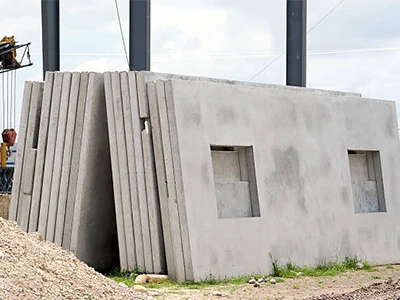
Precast concrete refers to a construction material that is manufactured off-site in a controlled environment, typically in a specialized plant or factory. It is a versatile and efficient method that has gained popularity in the construction industry. The process of producing precast concrete normally begins with the production of molds or forms that are created to the intended shape and size of the concrete pieces. Depending on the requirements, these molds can be formed from various materials such as steel, wood, or fiberglass.
The concrete mixture is then made using a regulated mix design that comprises cement, aggregates, water, and additives. This mixture is placed into molds and allowed to cure and solidify in a precast plant or factory under regulated circumstances like temperature and humidity. Once the concrete is sufficiently strong, the precast elements are removed from the molds. These elements can be structural components like beams, columns, slabs, walls, or building modules.
The precast fragments are brought to the building site and hoisted into place using cranes or other equipment after curing. They are then linked and combined to make the required structure. Connections between precast pieces are often formed using a variety of ways such as welding, bolting, grouting, or specialized connectors. Today's article mainly introduces how to make Chamfered Edges on Concrete.
Types of Concrete Chamfer:
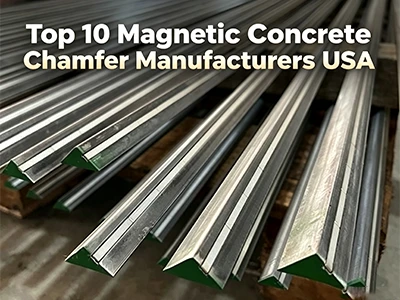
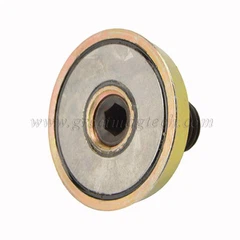
Magnetic Chamfer
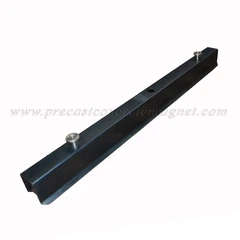
Magnetic chamfer strips are triangular-shaped, long metal strips that are placed on the framework of the surface. It adds a layer of thickness, hence helping improve the mechanical performance and aesthetic qualities of a part. Not only do they reduce stress levels on a particular part of a construction site but also improve its load-bearing capacity.

Magnetic Urethane Chamfer
The Magnetic Urethane Chamfer is designed to create curved borders on the corners and sides of ceramic wall panels and tiny concrete items. Again this has the same purpose and effect as the concrete chamfer and magnetic chamfer as mentioned above.
Chamfered edge concrete does not require any specific maintenance beyond regular care for the concrete surface. Routine cleaning and periodic sealing, as recommended for standard concrete, will help maintain its appearance and durability.

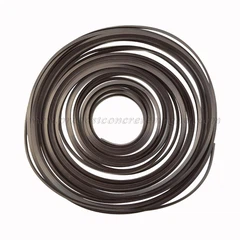
Rubber Magnetic Chamfer
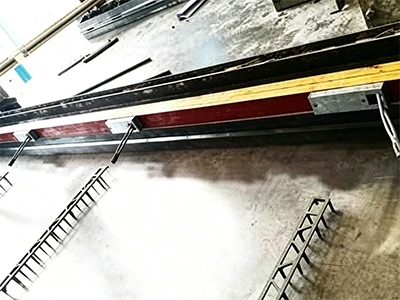
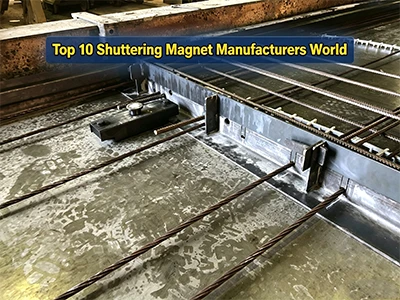
Other types of chamfer include steel and rubber magnetic chamfer that have the same purpose when it comes to assisting the formation of precast concrete. The difference in its material only has a slight effect on its durability, so it's your call on what substance to use. Magnetic steel chamfer strips are aimed to be used in conjunction with steel beds, steel faceplates, and bulkheads that may be attached to the majority of precast rail-frame systems on the market.

PVC Chamfer
It refers to a specially designed plastic strip or profile that is used to create smooth, beveled edges or chamfers on precast concrete elements. Here plastic is used instead of metal or magnet. PVC chamfers are typically made from high-quality, durable polyvinyl chloride (PVC) material, which offers excellent flexibility and weather resistance. Their versatility, ease of installation, and reliable performance make PVC chamfers an indispensable component in the precast concrete industry.

What is Chamfer Edge Concrete?
Chamfer edge concrete is when concrete slabs are beveled against a concrete structure to create an angle or edge. It smoothens the sharp edges and reduces the risk of chipping. Chamfered concrete edge is a method that involves bevelling or adjusting the corners or edges of a concrete building, such as slabs or worktops, rather than having sharp edges.

What are the Benefits of Chamfer Edge Concrete?
What are the main uses of chamfer in concrete structures?
As mentioned above chamfer edge concrete holds several benefits:
1. Chamfered concrete edges create a seamless transition between distinct surfaces, lowering the danger of accidents caused by sharp corners or uneven edges. This is especially critical in high-traffic locations where pedestrian safety is a concern, such as sidewalks, driveways, and public places.
2. Chamfered edges give concrete surfaces a sleek, refined look. Beveled edges offer architectural intricacy and can improve the aesthetic attractiveness of structures such as buildings, staircases, countertops, and landscaping features.
3. Increased Durability: Chamfered edges serve to reduce the impact of wear and tear on the concrete surface. Chamfer edge concrete can extend the life of a structure by minimizing its sensitivity to chipping and cracking.
4. Maintenance is made easier. Chamfer in concrete surfaces are easy to clean and maintain due to their smooth, angled edges. Dirt, debris, and water are less prone to build in the corners, making sweeping, washing, and performing normal maintenance duties on the surface easier.
5. Water drainage is improved with chamfered concrete edges. Chamfered edges on concrete surfaces promote effective water drainage, lowering the chance of water collecting or seeping into undesirable locations. This function is especially beneficial in outdoor areas where efficient water management is critical, such as patios, pathways, and roads.
6. Another advantage of having chamfer edge concrete installed is its ease of installation. It is quite simple to incorporate chamfered edges during the concrete pouring process. Chamfer edge concrete installation may be smoothly incorporated into the building process by adding chamfer strips or employing specialized formwork, saving time and labor.
7. Chamfer edge concrete is versatile since it may be used in a variety of architectural and building projects, both indoors and outdoors. It may be utilized in residential, commercial, and industrial environments, providing design and functionality versatility.
8. Increased home Value is a highly appealing benefit when choosing whether or not to add chamfer edges to your home. Chamfered edges in concrete surfaces can increase the value of a property. Chamfer edge concrete's increased aesthetics, durability, and safety can make a property more appealing to potential purchasers or tenants.
How to Create Chamfered Edges on Concrete
Chamfered edges are typically created during the pouring and finishing process of concrete. Specialized tools, such as chamfer strips or hand tools, are used to shape and smooth the edges to the desired angle or bevel.
Achieving the perfect, smooth edge is practically impossible. For this reason, you need chamfered strips along with tools that will help create the quarter sphere. Chamfered strips are used by initially creating that base. Before the concrete is laid, the edges of the slab are chamfered using this technique. The chamfer strip at the edge fixes the concrete formwork that was constructed. Chamfer strips come in sizes of ½, ¾, and 1 inch, depending on the size of the chamfered edge that is required. Then concrete is laid through traditional methods. The second method is by using edging tools to create that rounded surface.
Procedure:
You must allow the concrete to set once poured over the chamfer strip and until the water disappears. Then use the edging tool to grind the surface into a smooth, angular shape. Use back and forth strikes the achieve this. Two hours of curing time is recommended for concrete, or until a light steel trowel swipe does not affect the finish.
Where Can You Take Advantage of Chamfered Edges on Concrete?
Chamfered edge concrete is used in a variety of applications, including:
Kitchen islands and countertops
Staircases and steps
Walkways and pavements
Pool coping and edges
Building architectural characteristics
Can Chamfer Edge Concrete be Customized?
Yes, chamfered edge concrete may be tailored to individual design needs. The chamfer's angle, breadth, and depth can be modified to meet the required aesthetic or practical requirements.
The demand for precast concrete is expected to increase with the rising demand for property. GME has several years of experience working with the best in the industry. Their products are known to assist in the making of precast concrete, so get your hands on their product. Magnetic and concrete chamfer strips along with chamfer edging tools are what give that sleek edge and surface. Not only being a safety precaution but also improving the aesthetic of the overall place.
Summary
Precast concrete is an excellent method of saving time in the construction process and receiving the finished product earlier than expected. Different types of materials can allow for the formation of smooth Chamfered Edges on Concrete holding several construction benefits as mentioned in detail above.