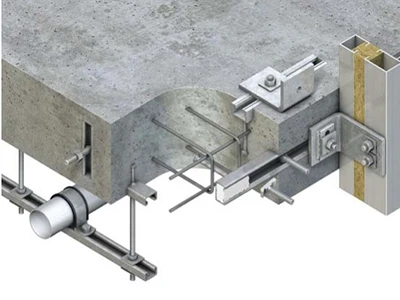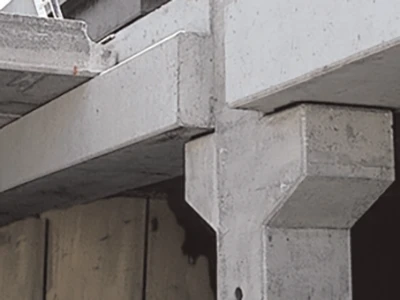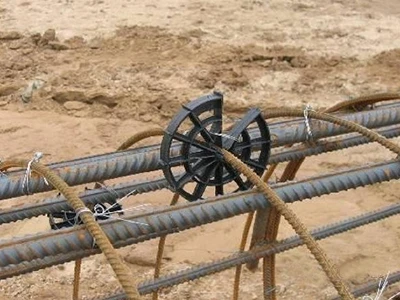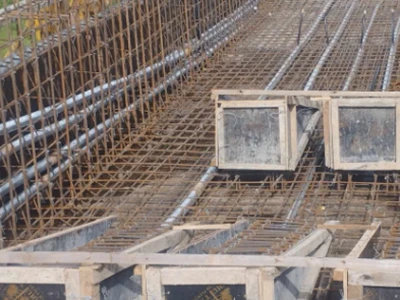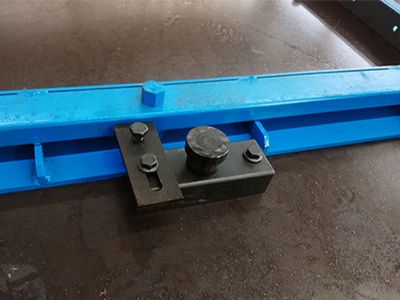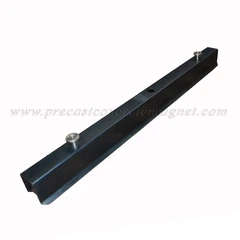
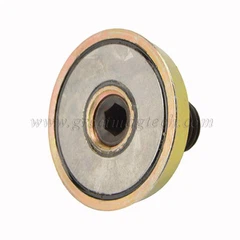
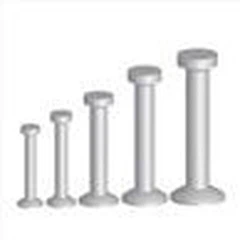


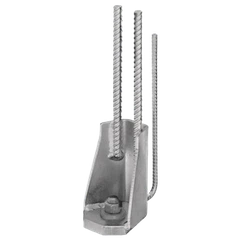
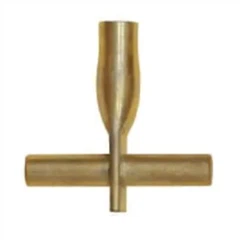

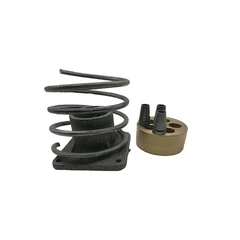

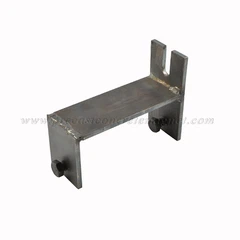
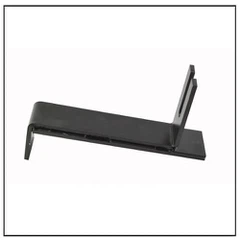


Lifting anchors are specially designed steel components embedded in precast concrete elements, providing safe and reliable support points for lifting, transport, and installation. These small yet powerful components securely connect heavy precast elements to the lifting equipment used to safely move them. Without reliable anchoring, even the most well-designed precast elements can be exposed to risks during handling, transportation, and installation. Lifting anchors ensure the safe and efficient transportation of precast elements from the factory floor to the construction site. They protect the integrity of the concrete elements and ensure worker safety during lifting operations.

Common Applications:
Wall Panels: Large exterior walls or partitions rely on lifting anchors for precise positioning.
Beams and Slabs: Structural elements are lifted into place using sturdy anchor points to ensure stability.
Columns: Heavy vertical elements require a reliable anchoring system for balance and control.
What Is Galvanized Steel for Lifting Anchors?

Galvanized steel lifting anchors are standard steel anchors that have been treated with a protective zinc coating process, significantly increasing their durability and service life. There are two common methods of galvanizing:
Hot-dip galvanizing: The steel anchor is immersed in molten zinc, forming a thick, strong coating that metallurgically bonds to the surface.
Electrogalvanizing: This uses an electric current to apply a thinner but more uniform zinc layer, suitable for light-duty applications.
The primary advantage of galvanizing is its superior corrosion resistance. The zinc layer acts as a physical barrier against moisture, chemicals, and air, while also providing sacrificial protection, corroding before the steel. Galvanized anchors are particularly important in precast environments exposed to outdoor storage, humid environments, or harsh jobsite weathering.
What Is Uncoated Steel for Lifting Anchors?

Uncoated steel lifting anchors are anchors made from standard structural steel without any additional surface protection treatment, such as galvanizing or coating. They retain the raw, natural properties of the steel, making them strong and durable in the short term, but are more susceptible to corrosion in humid or corrosive environments. In precast concrete production, uncoated steel anchors are often used for interior projects, controlled factory environments, or applications where components need to be installed quickly after pouring.
One of the main advantages of uncoated steel is its cost-effectiveness. Without the additional expense of galvanizing, these anchors are a more economical option, particularly for projects with tight budgets or high-volume requirements. They also maintain the full mechanical strength of the steel, eliminating the need for any coating process adjustments.
Key Differences Between Galvanizing vs Uncoated Steel
Corrosion Resistance: Galvanized steel provides long-term rust protection through its zinc coating, making it an ideal choice for outdoor or humid environments. Uncoated steel, while structurally strong, is more susceptible to corrosion, especially in harsh conditions.
Load-Bearing Capacity: Galvanizing does not affect the anchor's load-bearing strength. Galvanized and uncoated steel have identical mechanical properties. The only difference lies in the surface protection.
Cost Impact: Uncoated steel anchors generally have lower upfront costs, making them attractive for budget-conscious projects. However, galvanized anchors can often reduce lifecycle costs by minimizing the need for maintenance and replacement.
Maintenance Requirements: Once installed, galvanized anchors require little ongoing maintenance. In contrast, uncoated anchors may require closer monitoring for rust, especially if exposed before being fully covered with concrete.
Environmental Considerations: For interior or short-term precast applications, uncoated steel is sufficient. However, for outdoor applications, large spans, or critical structural components, galvanizing can ensure long-term durability and safety compliance.
|
Feature |
Galvanized Steel Lifting Anchors |
Uncoated Steel Lifting Anchors |
|
Corrosion Resistance |
Excellent, long-term protection |
Poor, prone to rust |
|
Cost |
Higher upfront |
Lower upfront |
|
Durability |
Long lifespan in harsh environments |
Limited lifespan |
|
Best Use Case |
Outdoor, humid, marine projects |
Indoor, temporary, cost-driven projects |
|
Maintenance |
Low |
High (risk of replacement) |
|
Structural Performance |
Same as uncoated (surface only) |
Same as galvanized |
How to Choose the Right Option for Your Project
Panel Size and Weight
Heavier or larger precast components place greater stress on lifting anchors. For long-span beams, wall panels, or floor slabs, galvanized anchors are often preferred because of their corrosion resistance, ensuring long-term, reliable operation under heavy loads.
Project Location
Consider environmental factors: Indoor projects or controlled environments may allow for the use of uncoated steel, while outdoor, coastal, or humid locations require galvanized anchors to prevent rust and ensure safety.
Budget and Lifecycle Cost
While uncoated anchors have lower upfront costs, they may require replacement or additional maintenance, increasing long-term costs. Galvanized anchors minimize corrosion-related issues and potential downtime, thereby reducing lifecycle costs.
Integrate with Precast Plant Processes
Evaluate how anchors can fit into your production process. Galvanized anchors may work better with automated lifting systems and pre-assembly processes, reducing handling risks.
Expert Recommendations for Precast Factories, Procurement, and Engineers
Prefer Galvanized Steel For Prefabrication Plants
Prefabrication plants should prioritize galvanized lifting anchors when working with outdoor panels, coastal projects, or large structural elements. Their long-term corrosion resistance minimizes maintenance, reduces rework, and ensures safe operation during production and transportation.
Uncoated Steel Procurement Guide
Procurement teams can consider uncoated steel for interior projects, temporary facilities, or controlled environments with minimal moisture exposure. As long as strict monitoring and installation specifications are followed, the lower upfront cost makes it an ideal choice for budget-conscious projects.
An Engineer's Perspective on Load Safety and Risk Management
Structural engineers recommend evaluating load capacity, panel weight, and environmental exposure. While uncoated and galvanized anchors offer the same mechanical strength, galvanizing adds a layer of corrosion protection, reducing the risk of anchor failure over time. Proper installation, calibration, and adherence to standards such as EN and ASTM are crucial to ensuring structural integrity.
Conclusion
Choosing between galvanized and uncoated steel lifting anchors isn't a one-size-fits-all decision. Galvanized anchors provide long-term durability and lower maintenance, making them ideal for outdoor and harsh conditions. Meanwhile, uncoated steel may work for indoor or cost-driven projects where longevity isn't critical. At the end of the day, the smartest choice balances cost, safety, and environmental demands.