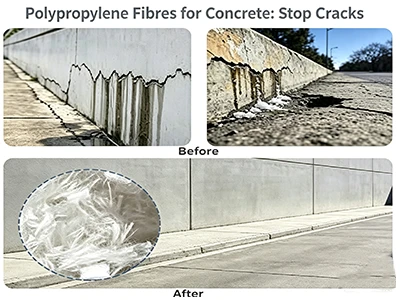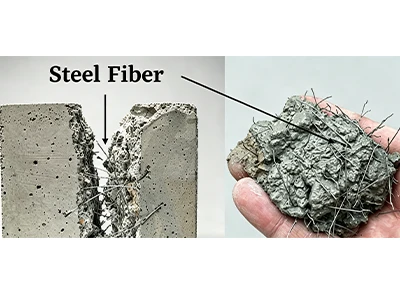





Cast elsewhere rather than at the final construction site. Precast concrete of different sizes and shapes can use fibers to enhance its reliability and toughness after cracking. With its low cost, excellent performance, various styles, weight, and excellent flexural strength and performance, it has been widely used in roadblocks, water tanks, exterior walls, construction, and decoration fields.

Precast Concrete Production Methods:
Factory production is a production method and is not the same as production in a factory. Precast concrete components are mostly produced in component factories, but they can also be produced on-site, the latter of which is generally referred to as nomadic production.
The PC factory mainly produces prefabricated components in the following categories: assembly line production, long-line production of pedestals, and fixed mold table production.
1. Assembly Line

The assembly line production method is suitable for the production of simple components, such as truss-reinforced composite panels, double-sided composite wall panels, flat wall panels, etc. There are three types of assembly lines: manual, semi-automatic, and fully automatic. For components with a single type and uncomplicated reinforcement, the assembly line can reach a high level of automation and intelligence.
2. Long Line Method

The long line method is generally used in the production of prestressed components, such as SP boards and double T boards.
3. Fixed Mold Table

The fixed formwork method can produce various components such as columns, beams, floor slabs, wall panels, stairs, bay windows, balcony panels, corner components, etc. It has a wide range of applications, is flexible and convenient, has strong adaptability, and has low start-up capital. It is currently the most widely used in China. Extensive craftsmanship.