





When advancement settles in, the demand for durable and cost-effective building methods increases. This way almost all of the old building methods are replaced with the new innovative ones. But post-tensioning? Nope!
Never mind, the future of architectural designs touches the sky, one method will never be replaced due to its ultra-efficient groundbreaking contribution to the whole construction process-it's called post-tensioning.
Simply put, it's the method that prepares concrete well enough so that bridges or any kind of structure that will be put under great stress won't have to face cracking even after years of constant load-bearing.
Now, if we replace the concrete with precast concrete, the results will be more mind-blowing, as two factors will be enhanced; precision and structural consistency.
Let's see why should buildings use post-tensioning systems.

What Is Post-Tensioning?
We all know concrete is the most used material in building processes all over the world. But do we know what makes it so strong and robust that it promises longevity? It's post-tensioning that reinforces concrete so that it can withstand tensile stresses with ultimate resistance and strength.
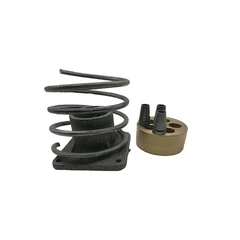
Concrete alone can't counteract heavy loads, including the weight of a whole building and the weight of heavy loaders and buses on bridges. But when steel tendons and cables are placed inside the concrete (just a little while after the casting process), it multiplies the strength ×100.

2 Main Types of Post-Tensioning
The first type is about placing the steel tendons inside the concrete slabs. And this way is most common while building bridges, high buildings, and garages. It's known as Internal Post-tensioning.
The second type is about placing the steel tendons outside the concrete slabs. This way is not used in the normal construction of houses or buildings but is used for larger projects. It's known as external post-tensioning.
Why Should Buildings Use Post-Tensioning Systems? [10 Reasons]
There are multiple challenges that construction labor and building owners are facing these days. Construction workers want to build a structure that ensures unparalleled strength.
On the other hand, building clients want the structure to be strong but within a budget keeping the costs under control. While they do hope it to be flexible enough to meet the design standards of today's growing world.
To checkmark this list of requirements and demands, construction workers use post-tensioning systems. It's the only method that revolutionizes how structures are built ensuring 100% endurance.
It's not just about building a stronger structure, but is all about smart building where less material is used but enhanced structure performance is ensured. Here are a couple of reasons that answer Why should buildings use post-tensioning systems.
1. Strength and Durability
A construction team cannot make an unbreakable vow of longevity if the material or technique used in the building process lacks strength and durability.
The major role a material plays to enhance the strength of a structure is concrete. This is the major reason why construction workers put a lot of effort into enhancing the tensile strength of concrete via the post-tensioning technique. This way the probability of cracks leads to 0, while the resilience factor touches 100.

Study shows that post-tensioning slabs are way better and cost-effective than the traditional RCC slabs. The major reason is their ability to resist earthquake shocks and stay stable never mind the lateral loads.
|
Concrete Reinforcement |
Tensile Robustness |
Cracking |
High Cost |
|
Post-Tensioning |
Yes |
No |
No |
|
Traditional |
No |
Yes |
Yes |
2. Cost-Effectiveness
No doubt Post-tensioning requires labor with additional skills and also advanced machinery, but the long-term financial advantages make it a cost-effective option as compared to the traditional methods and techniques. As less material will be required for post-tensioning, initial upfront costs also decrease dramatically.
Usually, buildings require upkeep every once in a while which leads to increased maintenance costs. However large-scale bridges and multi-story buildings constructed with post-tensioning techniques won't require any maintenance in the whole lifetime period (excluding rare/accidental scenarios).
Study shows that Post-tensioning doesn't just reduce costs by 7-15% in the overall building budget, but also reduces the construction time by 25-37%.
3. Design Flexibility
Dreamy designs that were once thought unconstructable because of the less design flexibility, are now made possible, thanks to the Post-tensioning systems.
Builders can now create expansive and open spaces while making use of the space more efficiently. It's not just about design flexibility but about structural stability and integrity too.
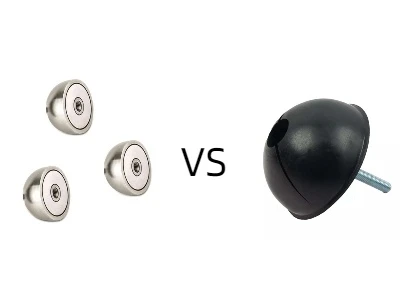
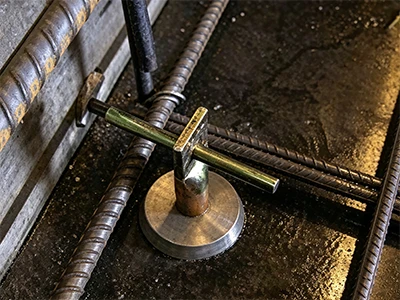
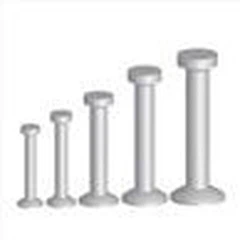
Precast concrete components like Beams and Slabs make sure the durability and consistency in design flexibility isn't compromised. Furthermore, the use of efficient components like Slab bolster confirms a high level of support during the designing and construction phases.
Unlike traditional construction, post-tensioning serves as the architect's dream material, making sure they get a blank canvas to shape as per their needs and wishes. Modern construction projects demand design flexibility enough where the span length is increased while the number of supports is decreased.
|
Post Tensioning System |
Traditional Building System |
|
Span Length of 15-25 meters |
Span Length of 6-9 meters |
|
Requires 4-6 supports |
Requires 10+ supports |
4. Enhanced Load-Bearing Capacity
From towering high-rise buildings to bridges and industrial plants, every structure requires materials that can bear the load with ultimate tendency.
Post-tensioning systems make sure the material e.g. concrete has enough load-bearing capacity to evenly distribute the stress in the whole structure so that the building won't collapse or turn into a complete failure.
Post-tensioning systems come with a specific purpose. The purpose is to make the concrete strong enough that it starts to bear and carry load beyond conventional limits.
Study shows how post-tensioning systems make concrete more capable of carrying load than traditional systems. It's the design and confinement that play a major role in boosting the load-bearing capacity of concrete, which as a result elevates the structural performance of big buildings and bridges.
5. Reduced Construction Time
Construction time reduces ultimately when productivity is boosted. With the combo of post-tensioning systems and precast concrete elements, productivity won't be the only factor experiencing a boost, but there'll be a clear rise in construction efficiency.
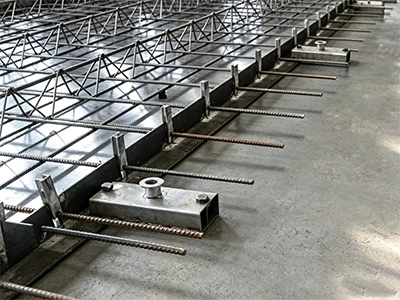
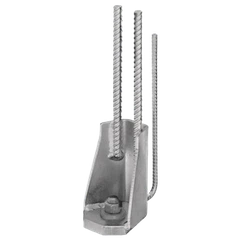
But why use the precast concrete elements? Well, as they are manufactured off-site, labor needs to just install it skipping the curing and on-site reinforcement work. With the use of Precast concrete accessories, the building process will be hastened, hence reducing the construction time.
Faster project turnovers are always directly proportional to reduced labor costs, so it is well said that the currency in construction is nothing but Speed. Another major reason is the absence of the grouting process which makes the construction process faster than the traditional methods.
6. Improved Seismic Resilience
A post-tensioning system doesn't let the building buckle under the strain of seismic forces–never. So, for example, if the structure is constructed in an earthquake-prone region with post-tensioning methods, there won't be a need to worry about catastrophic failure, as structural resilience will be promised.
The post-tensioning system makes sure your structure is sustained enough to avoid any damage, credit goes to the added layer of safety that is ensured while reinforcing precast and normal concrete.
The study clearly shows how post-tensioning systems uplift the seismic resilience of precast concrete via reinforcement, which leads to the reduction of damage during catastrophic situations such as Earthquakes.
7. Minimized Material Usage
Never mind the construction process and the methods that are being used in it, one thing remains constant-maintaining structural integrity.
So can structural integrity be maintained while using less material? With the post-tensioning system, YES, structural integrity can be ensured while consuming less steel and concrete.
This isn't just a cost-effective way to build a sky-high structure, but it also fulfills the green construction goals making sure everything stays environment friendly. So, both, resources and costs will be saved, limiting the ecological footprint of the project under construction.
As post-tensioning makes the material strong enough to withstand rough elements, less material doesn't mean that the quality or safety factors will be compromised.
|
Post-Tensioning System |
Traditional Reinforcement |
|
|
Steel Usage |
As the cables are more than enough to increase the tension in the concrete structure |
To withstand tensile stresses, the traditional reinforcement method involves more and more |
|
while increasing the strength, post-tensioning systems require less material around 30 kg/m2 of Steel. |
steel. This way, not only did the overall weight of the structure increase, but material costs also rose. Around 50 kg/m2 is required to build a structure that can ensure longevity while bearing tensile stresses. |
|
|
Concrete Usage |
Post-tensioning system ensures everything remains lightweight so that no more than 0.8 m3/m2 of concrete is used while building a giant load-bearing structure. |
As more steel is used, more concrete will be required to encase it. This factor not only impacts the costs but has an extremely negative effect on the environment. So, a large amount of concrete around 1.2m3/m2 will be needed to build the structure with traditional enforcement. |
8. Better Aesthetics
The combination of aesthetics and functionality is thought to be rare and impossible because functional and practical designs don't leave any room for aesthetics. But, post-tensioning systems make sure aesthetics go hand in hand with functionality.
The reason is that in post-tensioning systems, the need for columns and beams is reduced, ensuring enough flexibility for architects to practice designs that feel modern yet elegantly sophisticated.

Narrow spaces can be easily constructed ensuring strength and robustness, but open and expansive spaces are hard to build because of the traditional reinforcement rigidity.
So, never mind the owner requires a large dreamy floor plan for a triple-story building, it will be turned into reality without compromising on the structural integrity and functionality aspect.
9. Longer Lifespan and Lower Maintenance
As post-tensioning makes sure the stress is evenly distributed in the structure, the precast concrete doesn't entertain any kind of cracking and wear/tear. This simply means the building will stand still for a longer time making sure it doesn't experience downtime or any kind of repairing emergencies because of material failure.
You might receive normal maintenance calls, but it will only happen after long intervals (longer than a decade). While with the traditional reinforcement system, you'll have to confront and fulfill the maintenance costs every 5 to 7 years.
10. Versatility Across Sectors
Post-tensioning system doesn't just belong to one sector. It serves all the sectors-doesn't matter if the projects are coming from residential or commercial sectors, post-tensioning will lead them all, winning the title of Swiss Army Knife of construction.
As post-tensioning systems are capable enough to stabilize a bridge and enhance space in skyscraper buildings, engineers consider these systems a top choice for the success of all kinds of building projects.
So, from multi-story complex apartments to villas and skyscrapers and office buildings, all are covered by post-tensioning systems effortlessly.
Most seasoned architects recommend and prefer post-tensioning systems for building bridges, tunnels, parking garages, factories, and warehouses too. It's not just because of the cost-effectiveness but because of the ultimate strength precast concrete holds, thanks to the Post-tensioning reinforcement.
Common Applications of Post-Tensioning
The thing that creates a difference between post-tensioning and traditional systems, is DURABILITY. This is the reason why post-tensioning is preferred for the following:
● Viaducts and Bridges
One of the main applications of post-tensioning is in bridges and viaducts. These structures require a high degree of durability and strength to withstand the constant traffic and environmental stresses they endure. Post-tensioning provides an effective solution to reinforce the concrete in these structures, increasing their load-bearing capacity and overall longevity.
● High Rise Buildings
Another important application of post-tensioning is in high-rise buildings. These structures require a high degree of stability and strength to withstand the forces of gravity and wind.
Post-tensioning allows for a thinner slab, which reduces the final height of the building or construction, thus saving on the use of concrete and steel. This technique also allows for greater flexibility in building design, as it can accommodate irregular shapes and complex layouts.
● Parking structures and Stadiums
Most parking structures and stadiums also use Post-tensioning. To bear the constant heavy stress of loads and frequent use, these structures need a high degree of strength. Post-tensioning can provide the reinforcement necessary to ensure that these structures maintain their structural integrity over time.
Furthermore, post-tensioning can be used to retrofit existing structures, improving their load-bearing capacity and extending their service life.
Its applications are not just limited to commercial buildings and structures, residential buildings do too need strength, flexibility, and durability, no?
So, whether the buildings require thinner slabs or higher ceilings, post-tensioning comes in and makes it possible to build intricate and complex designs and structures, while promising ultimate resistance to seismic forces.
Impact of Precast Concrete
Post-tensioning systems work perfectly with normal concrete too, but the efficiency they promise with precast concrete is on another level. As the quality control is precise in the precast concrete, unlike normal concrete, it can last centuries, not mere decades.
In the case of structures that should be constructed within a strict deadline, precast concrete serves as the only solution as it is prepared off-site so the builders just have to install it saving much time that they would've spent on preparing the concrete on-site.
Is there anything better than a building that promises more strength than the other buildings while being built quicker and faster ensuring less labor costs?
Conclusion
Modern-day construction demands solutions that are not just cost-effective but offer superior performance without ignoring aesthetics.
As post-tensioning combined with precast concrete has transformed and revolutionized the whole construction process, no architect can take it as an option-but as a NECESSITY.